Have you ever wondered why flying can leave you feeling bloated and tired?
“When we are out of our usual routines on a flight, it disrupts what our bodies are used to,” Dr Asimah Hanif said. He is a medical expert working with UK travel insurance provider Staysure.
Tummy problems
Hanif pointed out how the plane meal timing and ingredients could be quite different from what your body is comfortable with.
“The impact of both of those elements ... can disrupt digestion and contribute to sluggishness,” he said.
He explained that plane food is also very salty.
“Your taste is altered at altitude, so the airlines often compensate for that by adding more salt to make it taste nice,” Hanif explained. “However, as a result, that can cause water retention and processing issues.”
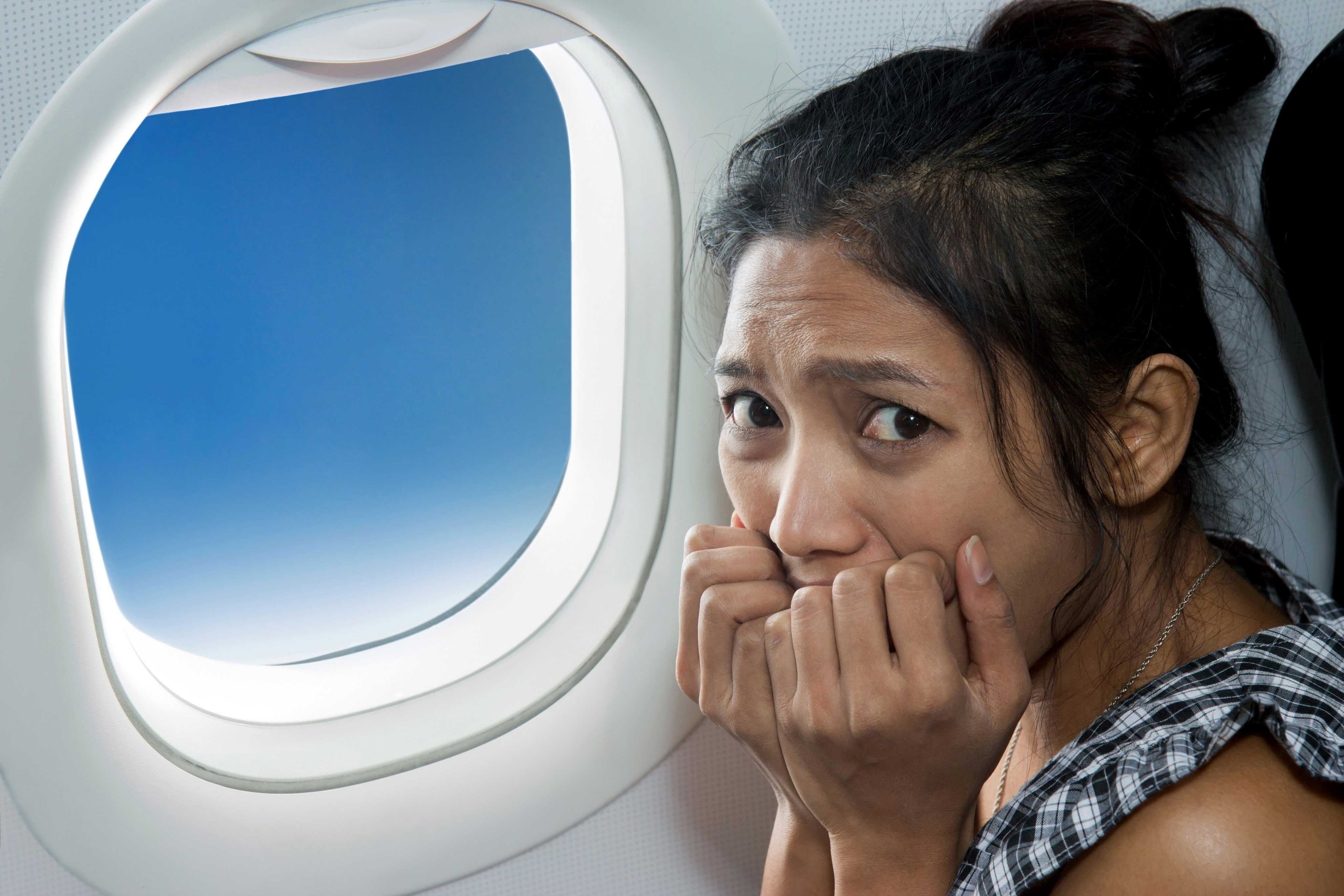
Dr Mark Austin is a gastroenterology specialist in the UK. He noted that the stress of flying and lack of quality sleep could also affect your body’s digestion.
“If you’re flying at funny times of the day, that can ... release stress hormones,” Austin said. These hormones can reduce your hunger and make you feel bloated and uncomfortable.
He added: “Many of us struggle to get good quality sleep on a plane, and sleep deprivation has a huge impact on your digestion and how you feel.”
Sky-high struggles
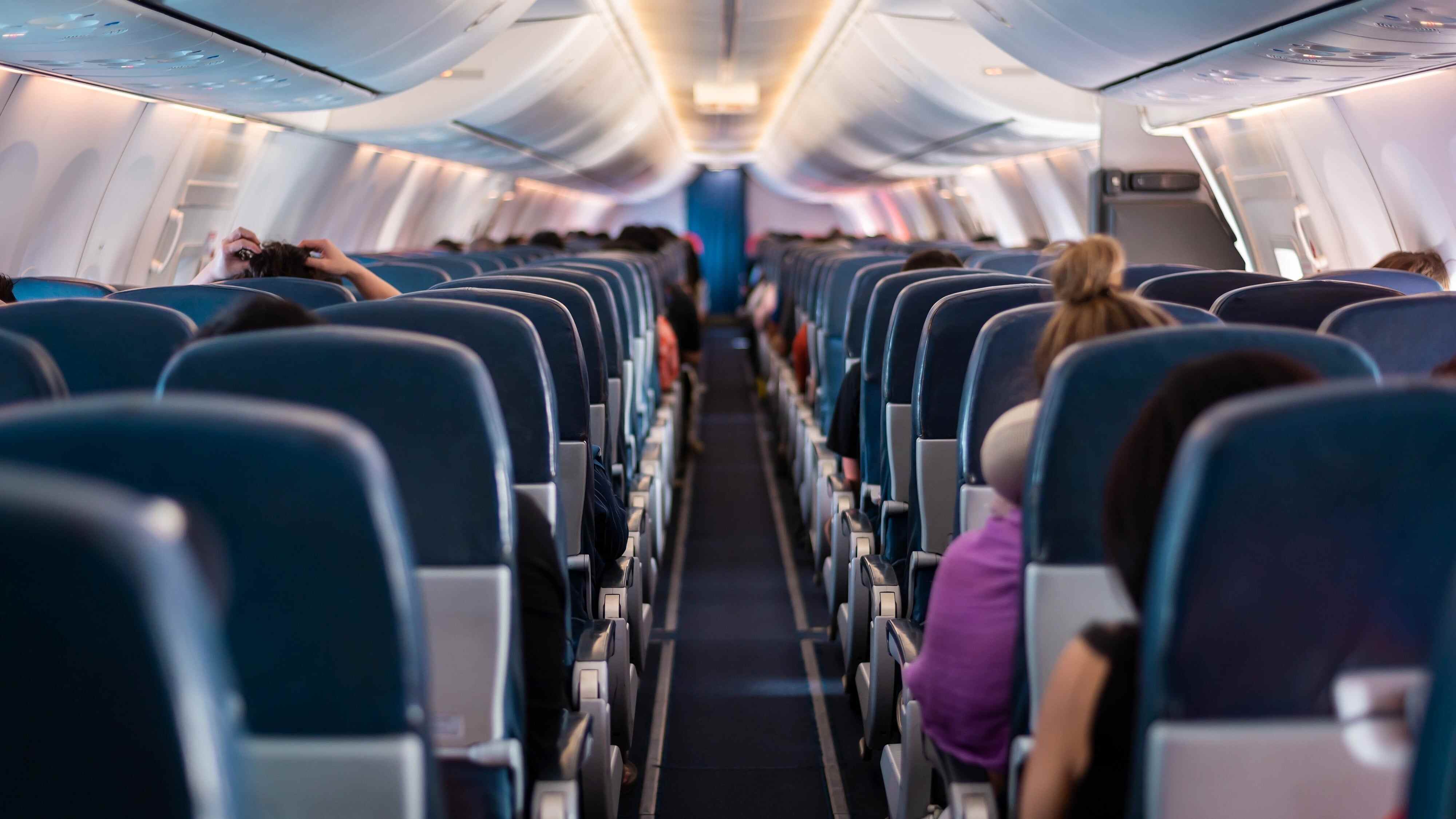
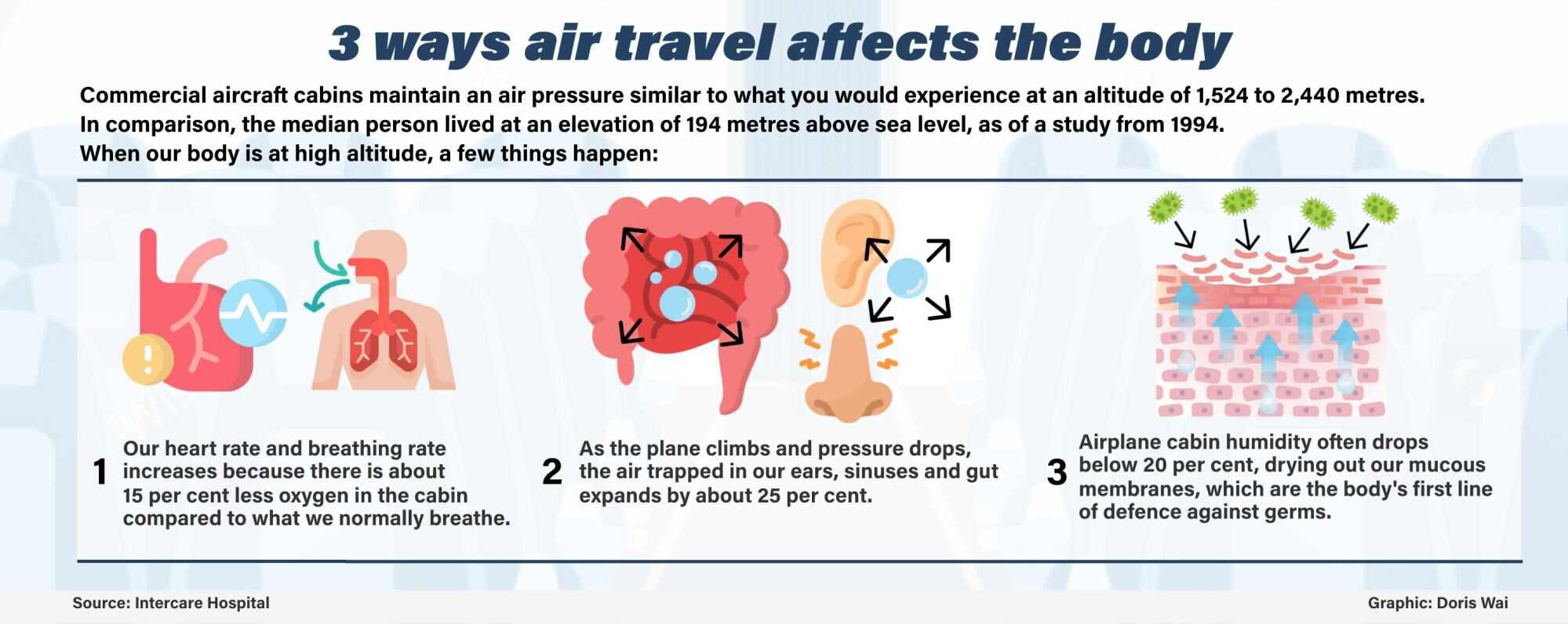
When you’re flying in a plane, the air in the cabin changes (see graphic).
“You’ll also get lower oxygen levels, which in turn could affect your digestion and your energy levels,” Hanif said.
“In addition, the cabin air is ... dry, so people will often notice that their skin becomes dry and might feel dehydrated, which can also contribute to fatigue.”
Austin also warned that the low humidity on planes could trigger a stress response.
“Your body is trying to divert blood away from the organs that it doesn’t necessarily think are super important, which often includes your gut,” Austin said.
“This will cause problems related to digestion.”
Hanif also highlighted the danger of sitting for long periods on a plane.
“[It] reduces your general circulation, slows your metabolism and can impact general nutrient absorption,” he said.
What are some ways to prevent feeling tired on a flight?
Choose a meal that has a good source of protein and plenty of vegetables.
If you’re not feeling hungry, you can snack instead of eating large meals. Bring snacks like fruit, nuts and seeds.
Drink a glass or half a bottle of water every hour.
Every two to three hours, get up and walk around the cabin. Movement can help relieve bloating and help with digestion.