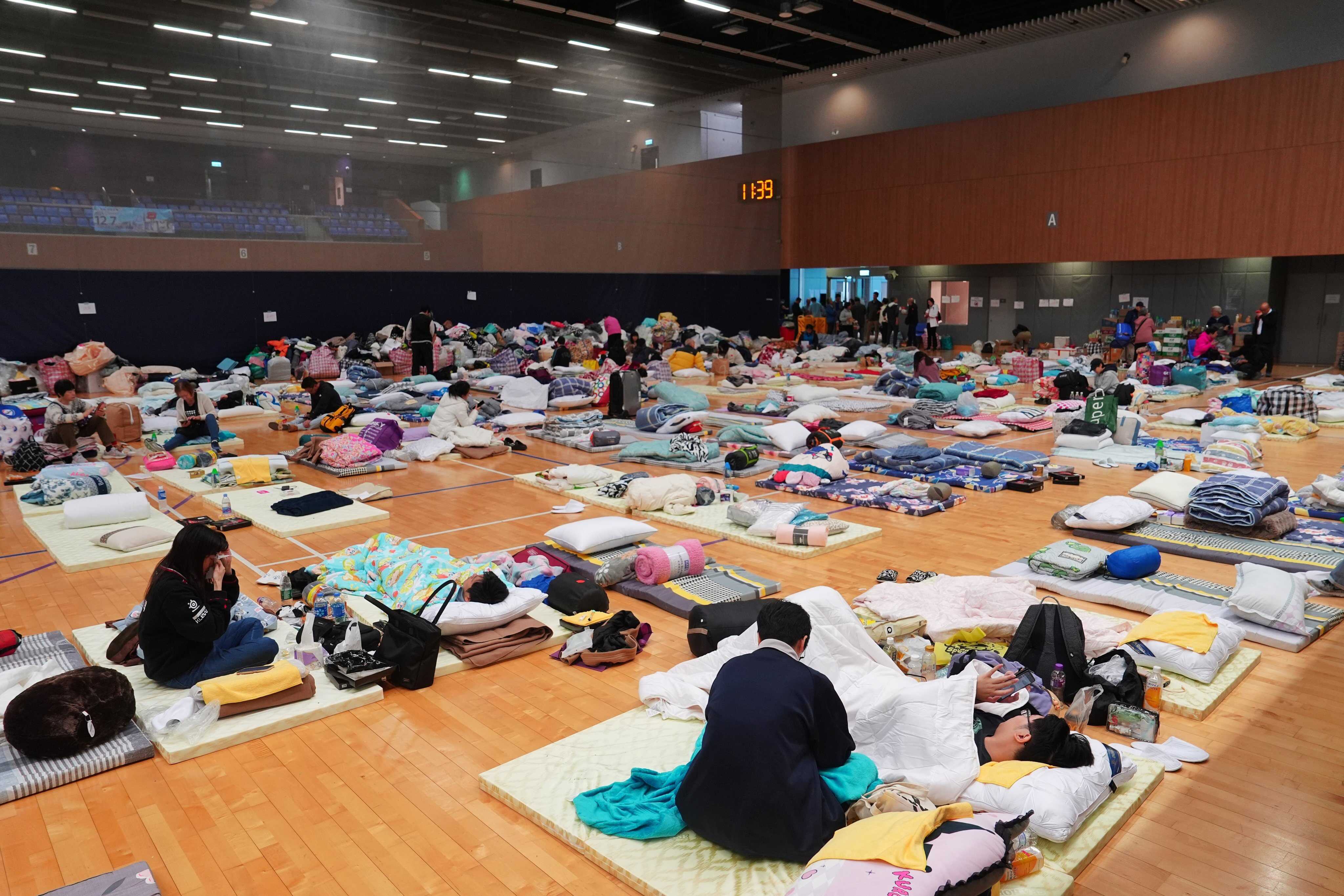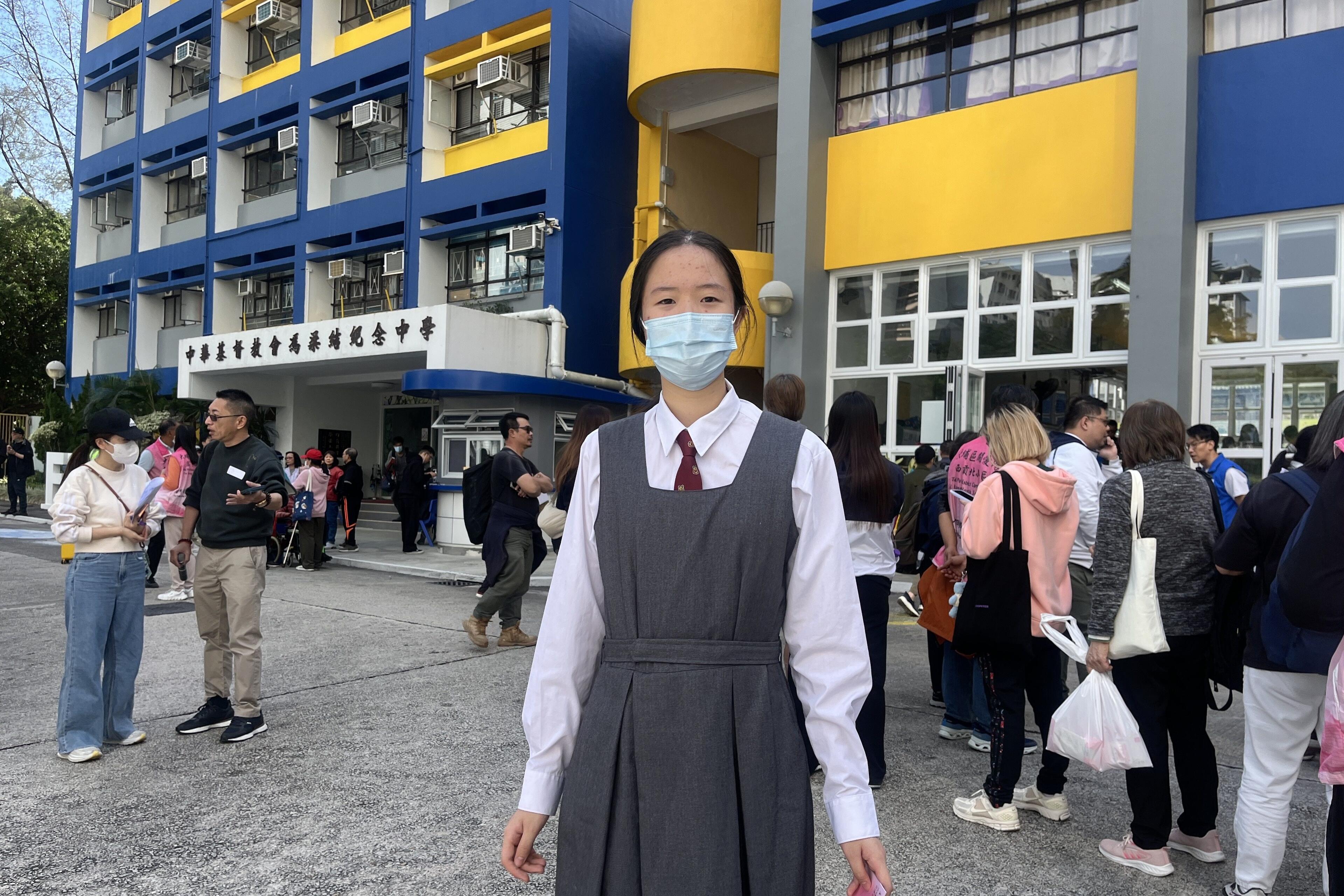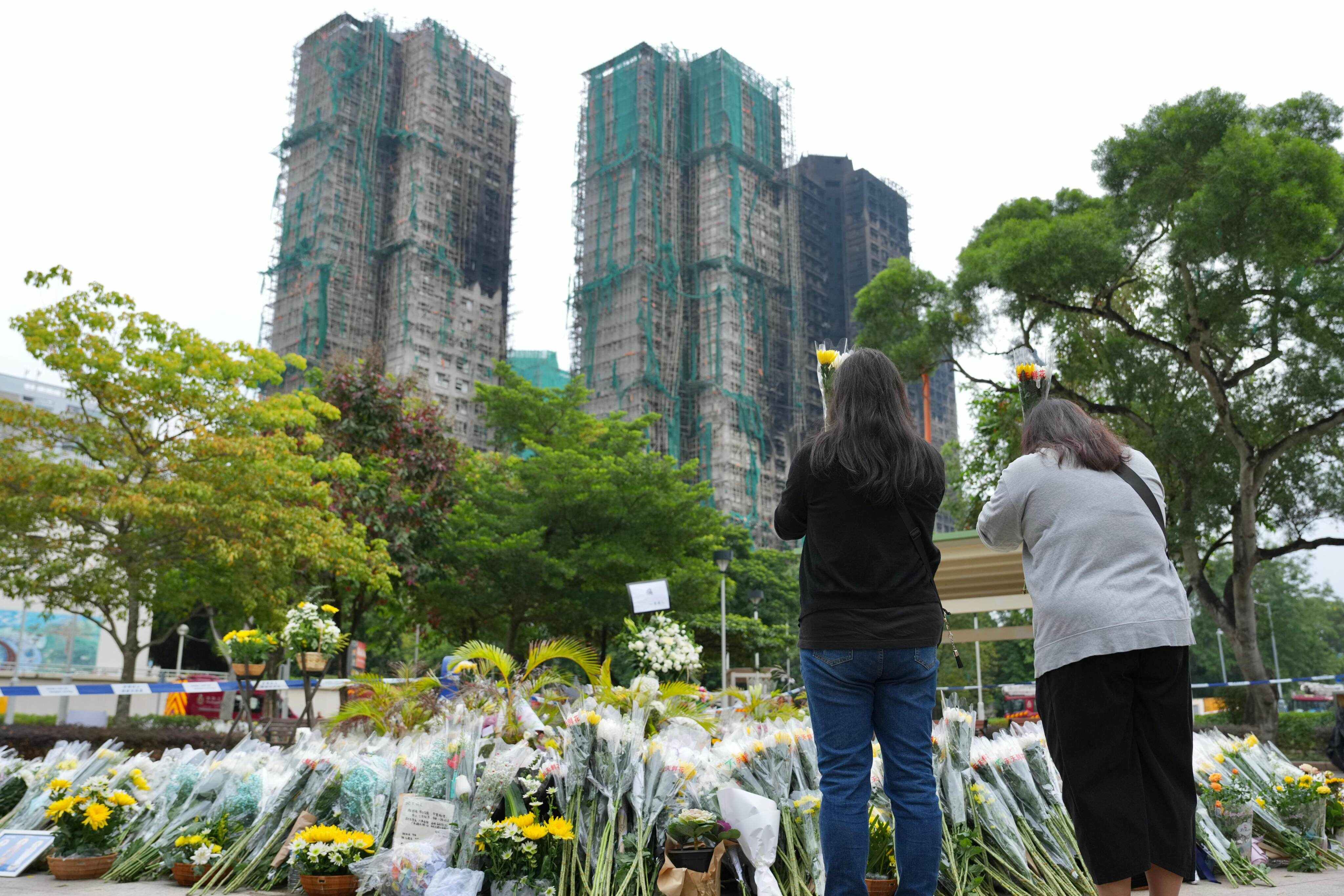
After hearing about the tragic fire in Tai Po, 19-year-old Hei* spent her evenings handing out supplies after classes.
The blaze broke out last month at Wang Fuk Court. It took more than 150 lives and forced thousands of residents out of their homes.
“I used to live in Tai Po, and I also attended secondary school in Tai Po. So when I heard about this incident, I wanted to come to Tai Po to help,” Hei said. She is studying social work.
Hei is one of many volunteers who helped victims of the city’s deadliest fire in decades.
Dr James Yu is a clinical psychologist and associate professor at the Hang Seng University of Hong Kong. He explained the psychology behind the citywide efforts to help people affected by the fire.
According to Yu, wanting to help is a normal response after seeing a tragedy. Volunteering also connects people with others who have similar feelings. This can help them feel less alone.
“After a shocking event, the world can feel out of control. By volunteering, they turn their feeling of helplessness into a new purpose,” Yu said.

Take care of your emotions, too
While volunteering can help people bond during tragedy, it could also have an emotional toll. Yu said teenagers could be especially affected by this.
“They are psychologically affected just by seeing or hearing about the first-hand trauma of others, such as witnessing the intense grief of victims’ families,” Yu said.
Volunteers repeatedly see others’ trauma, while also doing everything they can to help and empathise with them. This can cause them to feel emotionally and physically exhausted.
They could also feel completely overwhelmed – like they are doing too much and are close to breaking down.
Yu explained, “The main struggle is an intense internal conflict. They feel they must help others, but their mind and body urgently need to stop and rest.”
The psychologist noted that volunteers need to take care of their own emotions if they want to continue helping others. They should treat themselves with kindness and check on their emotions and stress levels.
“The main goal is always to treat yourself with the same empathy and compassion you give others,” he said.
Process your feelings
Experts noted that young people in particular might find it difficult to manage their emotions after seeing tragic news. This is especially tough when it happens so close to home.
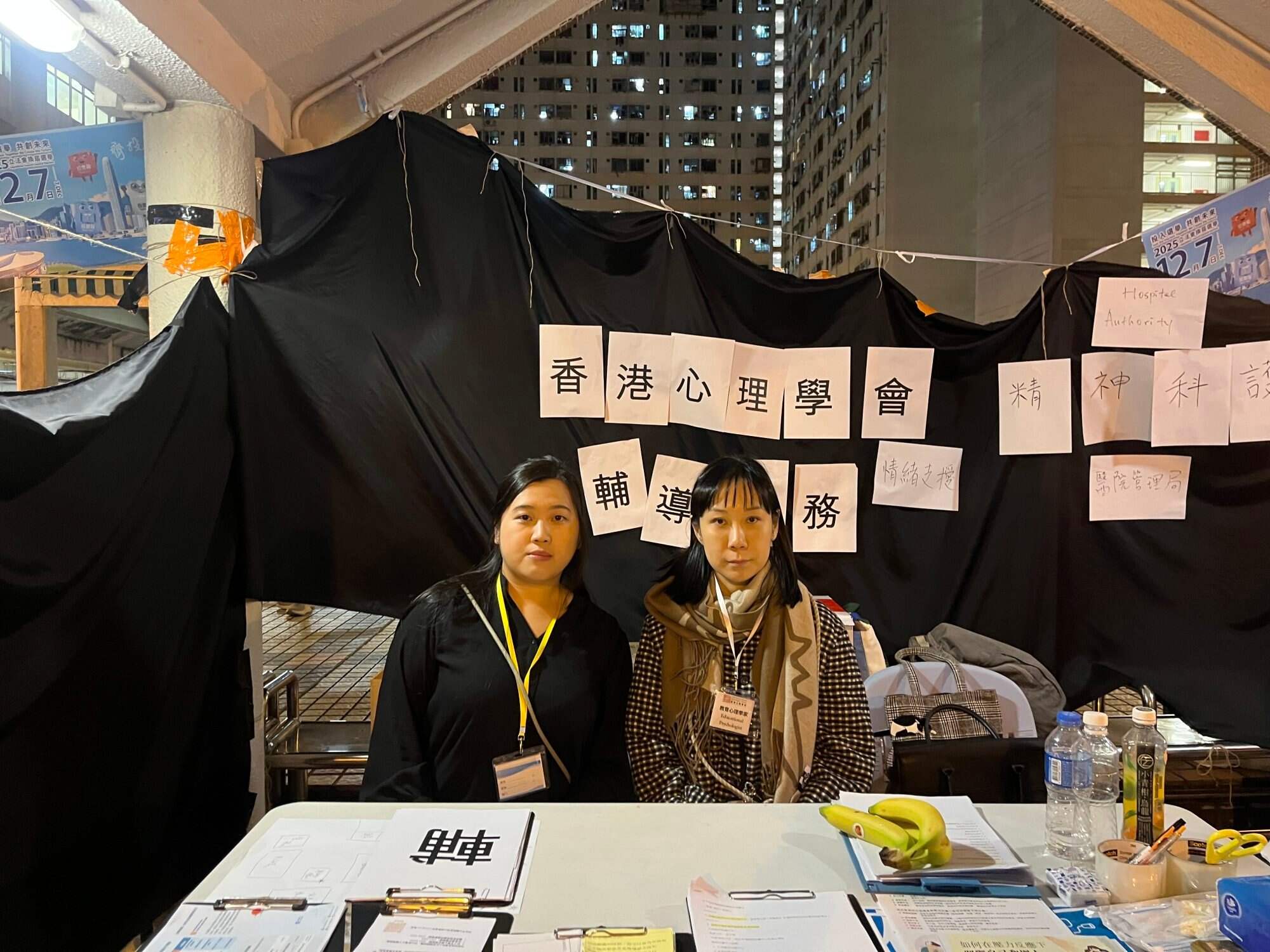
Dr Kitty Yeung Kit-yu is an educational psychologist. She noted that many students were affected by the fires.
She added that teens might be constantly seeing upsetting scenes on the news and internet. This is why ongoing support for young people is needed.
Even after the initial big emotions pass, teens might still have long-term responses. Yeung said parents and teachers should watch students for emotional effects that come over the next few weeks. Signs to look for include constantly worrying, crying at night, repetitively talking about the event or losing appetite.
If parents are unable to help their children or if students notice a friend who is struggling, they should contact teachers, a social worker or a psychologist for help.
If you need someone to talk to about the fire, you can call the 18111 Mental Health Support Hotline at 18 111. You can also reach out to Samaritan Befrienders Hong Kong’s English Emotional Support Hotline at 2389 2223, or the 24-Hour Emotional Support Hotline at 2389 2222.
* Full name withheld at interviewee’s request.