Every week, Talking Points gives you a worksheet to practise your reading comprehension with exercises about the story we’ve written.
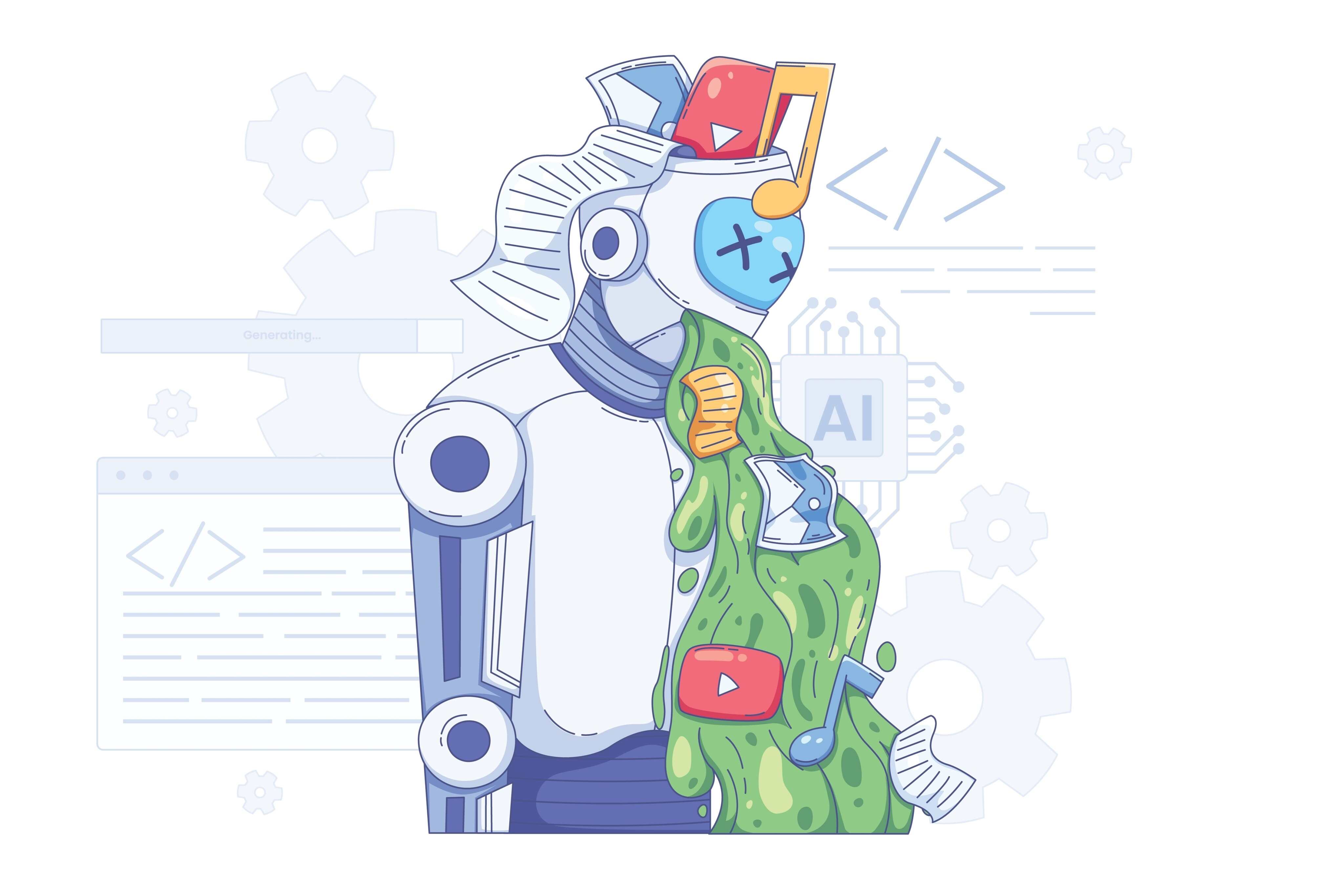
On social media, there is a flood of “AI slop”. This low-quality content is made by artificial intelligence (AI). Children are vulnerable to these videos, memes and more.
Dr Kitty Yeung Kit-yu is an educational psychologist in Hong Kong. She is concerned about the lack of rules for AI videos, which can be inappropriate and affect children’s learning.
Online, youth have long faced harm from a lack of protections. But now, AI can mass-produce content that is shown to children through social media’s addictive platforms. This has worsened the problem and made it harder for parents to learn how to protect their kids.
No protections
Traditional films and shows have guidelines about how old viewers should be based on the maturity of the content. But online videos have no such systems.
“I see short clips or even hour-long videos that just pop up without you needing to register for anything, and I feel the content is essentially 18 plus. They might not show highly graphic visuals, but the text and dialogue are clearly [adult content],” Yeung said.
She pointed out that parents might not look more carefully at videos with colourful animations or well-known cartoon characters.
“Even with animated characters, there are sexual elements,” Yeung said. “I believe these AI-generated videos aren’t meant for children, but they are produced in a cartoon format. If children ... watch them without questioning the content, I think it’s dangerous.”
Social media platforms also tend to show clickbait stories, which are common in AI content. Popular plots include poor characters instantly becoming rich, toxic revenge storylines or characters whose main goal in life is to marry a wealthy partner.
Yeung warned that these stories promote greed, harmful relationships and a lack of morality.
“When watching these, will children get the wrong idea about life and role models?” the psychologist asked. “It’s not that they can’t watch, but we have to teach them the context: these are just movies ... that don’t represent how most people actually behave.”

AI slop’s effect on learning
The harm could go deeper for young children, Yeung said. Toddlers aged two to three rely on what they see and hear to learn how to speak. But AI-made content shows them unnatural, robotic AI voices.
“Kids constantly hear sentences that are awkwardly chopped up, with unnatural breathing pauses, weird pitches or odd phrasing,” she said. “Are the phrases, grammar and vocal tones they are picking up actually appropriate?”
Worse still are videos with artificial gibberish.
“The kids watch the visual actions and get very entertained,” Yeung noted. “A very young child might actually think it is a real language and try to imitate it when learning to speak.”
She warned that listening to a robotic voice could affect a young child’s basic speech abilities.
Tips for parents
Yeung urged parents to actively choose content for their children to enjoy: “Don’t just hand them a screen because they won’t sit still during meals. If you really feel you must give them a screen, you can control the content,” she said.
Rather than allowing children to scroll through short videos online, Yeung suggested directing them to platforms with built-in quality controls.
“If we really want to let children watch something, I genuinely think platforms like Netflix or Disney have many shows that are much more suitable,” she said.
“They can watch those instead of these short, low-quality clips, which I find harmful because they lack quality control.”