A 19th century recipe recently found in the pharmacy of Saint Mark’s Monastery in Florence describes a drink that may be a precursor to modern cola beverages, according to monks in the Italian city.
Dominican friar Manuel Russo explained that the recipe is written on a faded advertisement for a “fortifying wine elixir” made from coca leaves and kola nuts.
The drink is described as a tonic to relieve exhaustion, headaches and weakness.
It was one of the pharmacy’s bestselling products at the time, Russo said.
According to the records, missionaries brought coca leaves and kola nuts from South America to Tuscany.
Where does Coca-Cola come from?
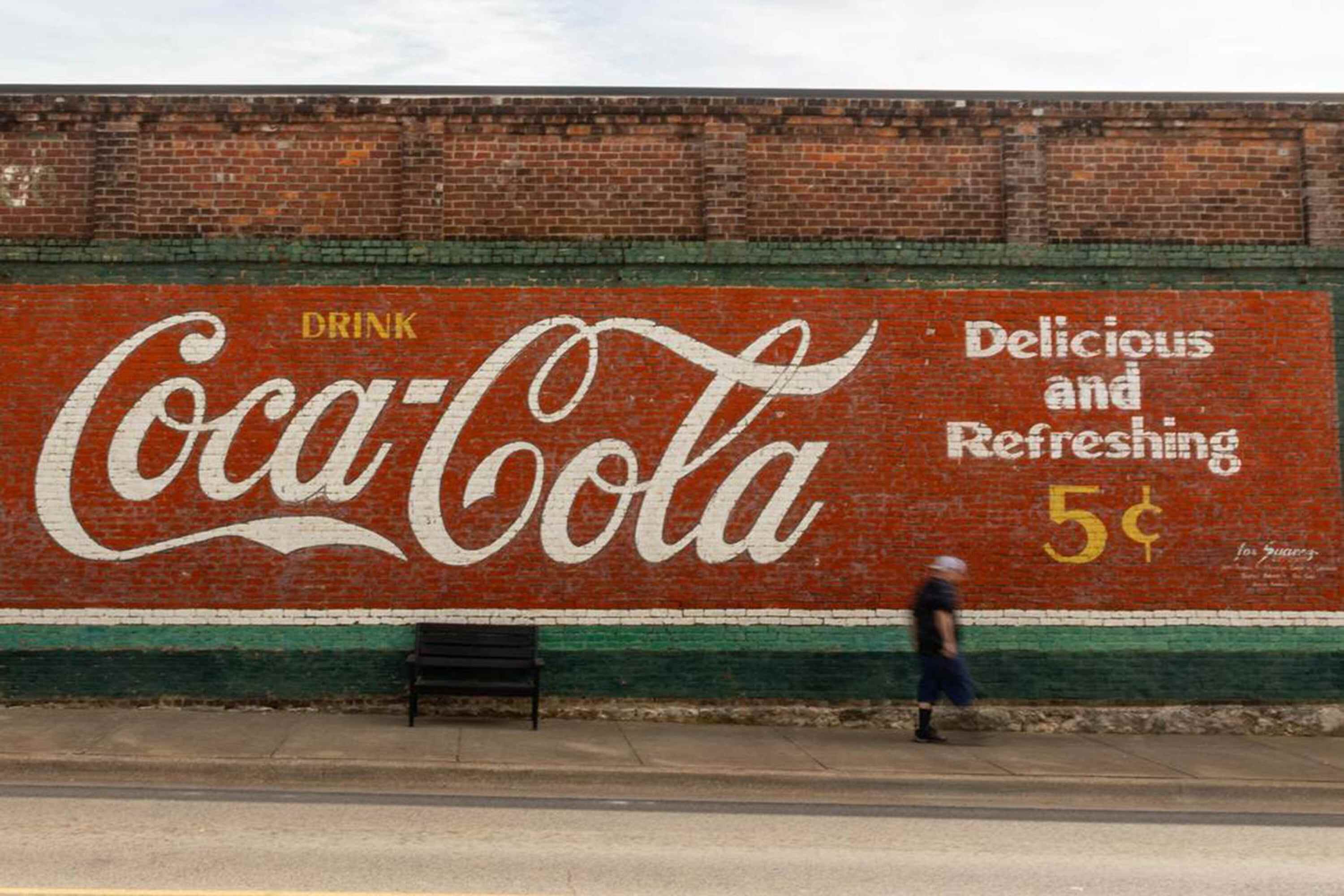
In 1886, US pharmacist John Stith Pemberton created Pemberton’s French Wine Coca. It was a tonic containing coca leaves and kola nuts.
When alcohol was banned for some time, Pemberton replaced the alcohol with water and sugar syrup. This eventually became Coca-Cola.
The exact recipe for Coca-Cola is a secret. According to Coca-Cola, Pemberton never wrote down the original formula.
It was first committed to paper in 1919 and is now stored in a secure vault.
Ancient monastic brew
The newly discovered Tuscan recipe is several decades older than Pemberton’s invention. But Russo stressed there is no evidence of any direct connection between the monastery’s drink and the later drink.
Saint Mark’s Monastery is famous for its early Renaissance frescoes by Fra Angelico.
Its pharmacy, founded in 1436, is one of the oldest in Florence. For centuries, Dominican monks supplied people with medicinal herbs, essences and scented waters. The pharmacy no longer operates as it did originally.
Why is Coca-Cola bad for health?
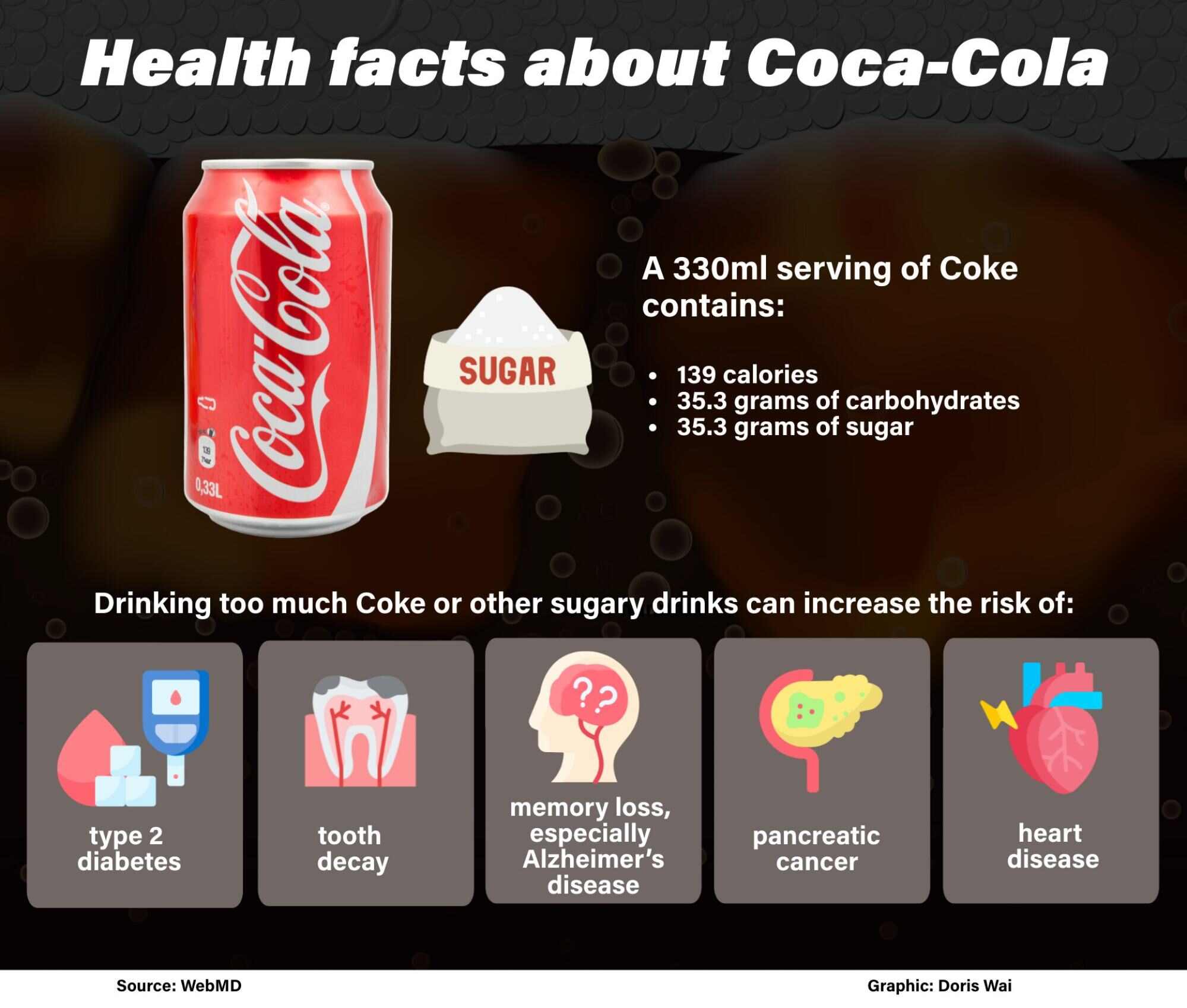
A 330ml can of cola contains 35.3 grams of added sugar, or about eight teaspoons. This is more than the World Health Organization’s recommended limit of six teaspoons per day. Drinking too much Coca-Cola and other sugary sodas can harm your health (see graphic).
If you want to drink less soda, try these simple tips:
1. Fill your cup with ice
When you fill your cup with ice, there is less room for soda. This means you drink less sugar as long as you save the rest of the can or bottle for another day.
2. Choose drinks with little or no sugar
Check the nutrition label on the bottle or can to find drinks without added sugar.
3. Drink sparkling water
If you like the bubbly feeling of soda, sparkling water is a great replacement. You can also add fresh fruit or real fruit juice to your sparkling water. If you buy flavoured sparkling water, check the label to make sure it has no added sugar.