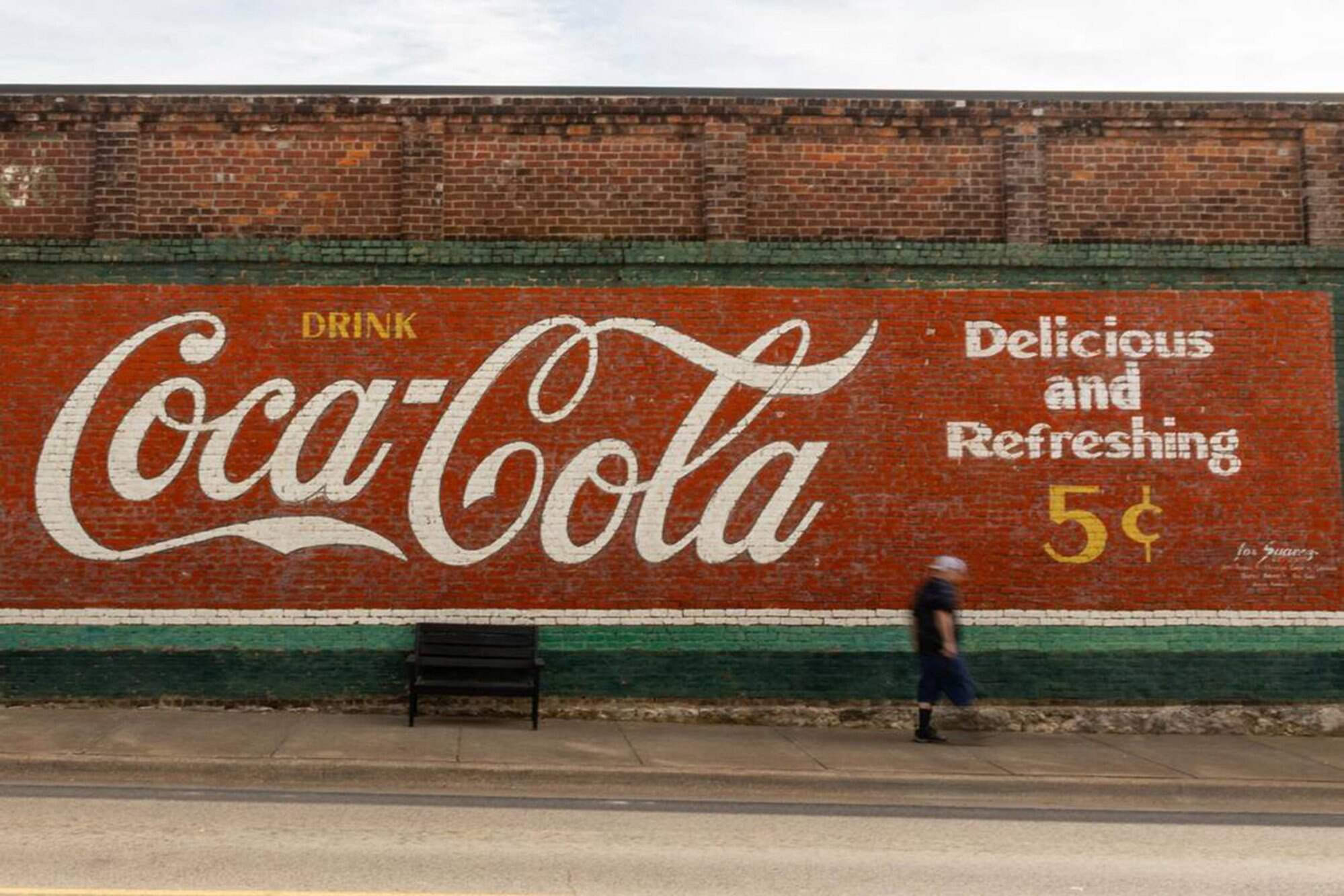
In July, The Coca-Cola Company announced it would introduce a new drink with cane sugar in the United States. This new drink would be sold alongside the version of Coke that uses high-fructose corn syrup (HFCS).
HFCS is a liquid sweetener commonly found in many packaged drinks and foods, including sodas. Most of Coca-Cola’s drinks in the United States use high-fructose corn syrup. But in Mexico and some European nations, the company uses cane sugar.
You can find Mexican Coke in some shops in the United States. For example, it can be found at the Mexican grocery store Las Palmas Pittsburgh No 1 in the US state of Pennsylvania. The store carries other Mexican sodas that use cane sugar.
Rocio Ribera is a cashier at the store. She said Mexican Coke was one of the most popular items.
Cane sugar is not healthier
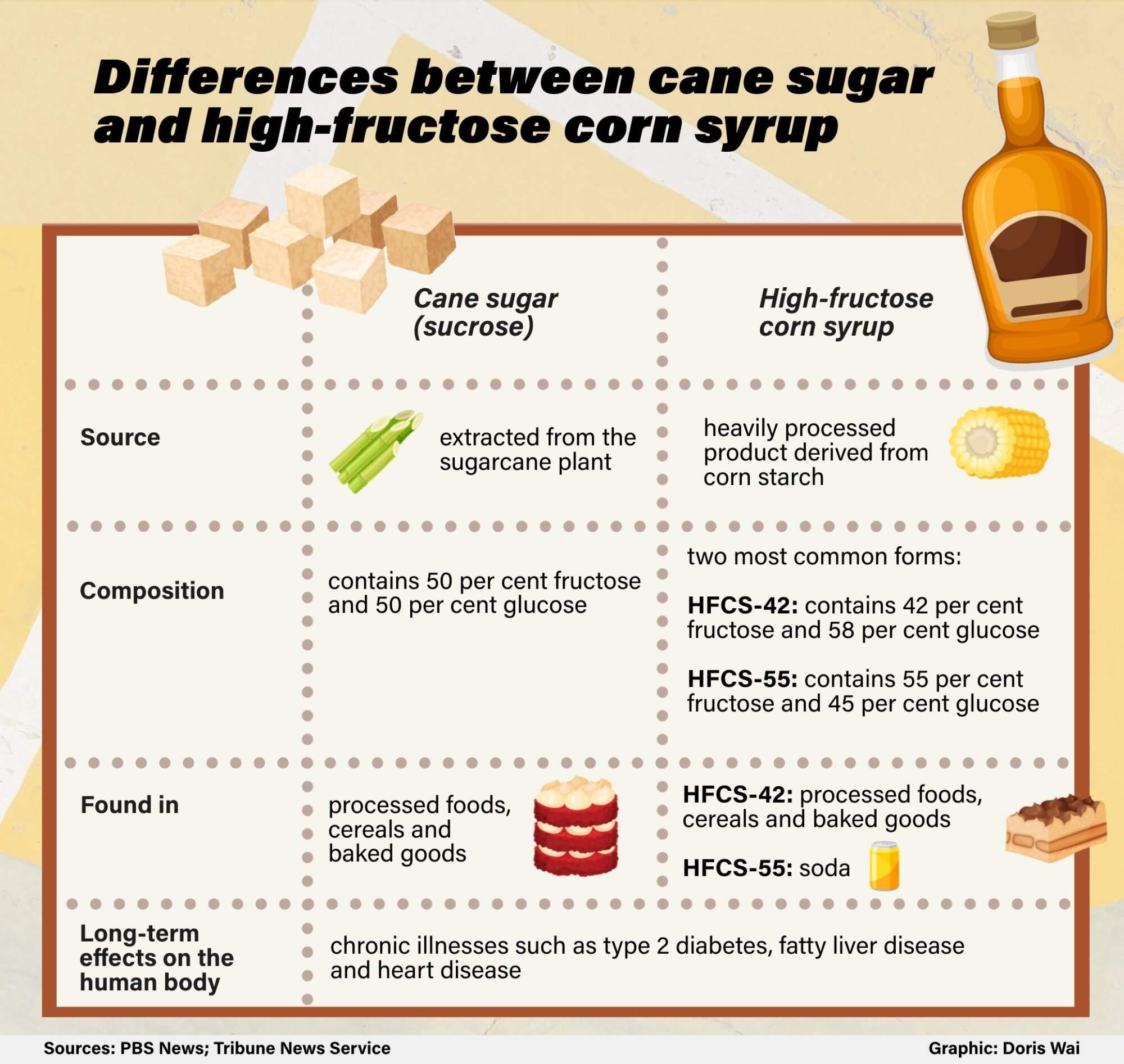
Experts say the effect of sugar and high-fructose corn syrup on the body is about the same.
They are different products but are very similar on a molecular level, according to Paige Langhals-Totino. She is a medical nutrition specialist at Allegheny Health Network.
“Ultimately, both are a sweetener,” she said. “The way our body processes them is the same … one is not healthier than the other.”
In the long term, both are associated with illnesses like type 2 diabetes, fatty liver disease and heart disease.
The US health and agriculture departments have dietary guidelines for Americans. They say added sugar should make up no more than 10 per cent of the total calories you eat. Added sugars are those that do not naturally occur in foods, like fructose in fruit.
The American Heart Association’s guidelines are stricter. They suggest limiting added sugars to 6 per cent. This is about nine teaspoons of sugar for men and six teaspoons for women.
“The recommendation from a health standpoint is to avoid and reduce the amount of added sugars you take in – regardless of where it’s coming from,” Langhals-Totino said.
How are high-fructose corn syrup and cane sugar made?
High-fructose corn syrup (HFCS) is made from corn starch. Corn starch is a long chain of glucose molecules joined together. When you break these chains down into individual glucose molecules, you get corn syrup. Corn syrup is pure glucose. To make corn syrup high-fructose, enzymes convert the glucose into fructose.
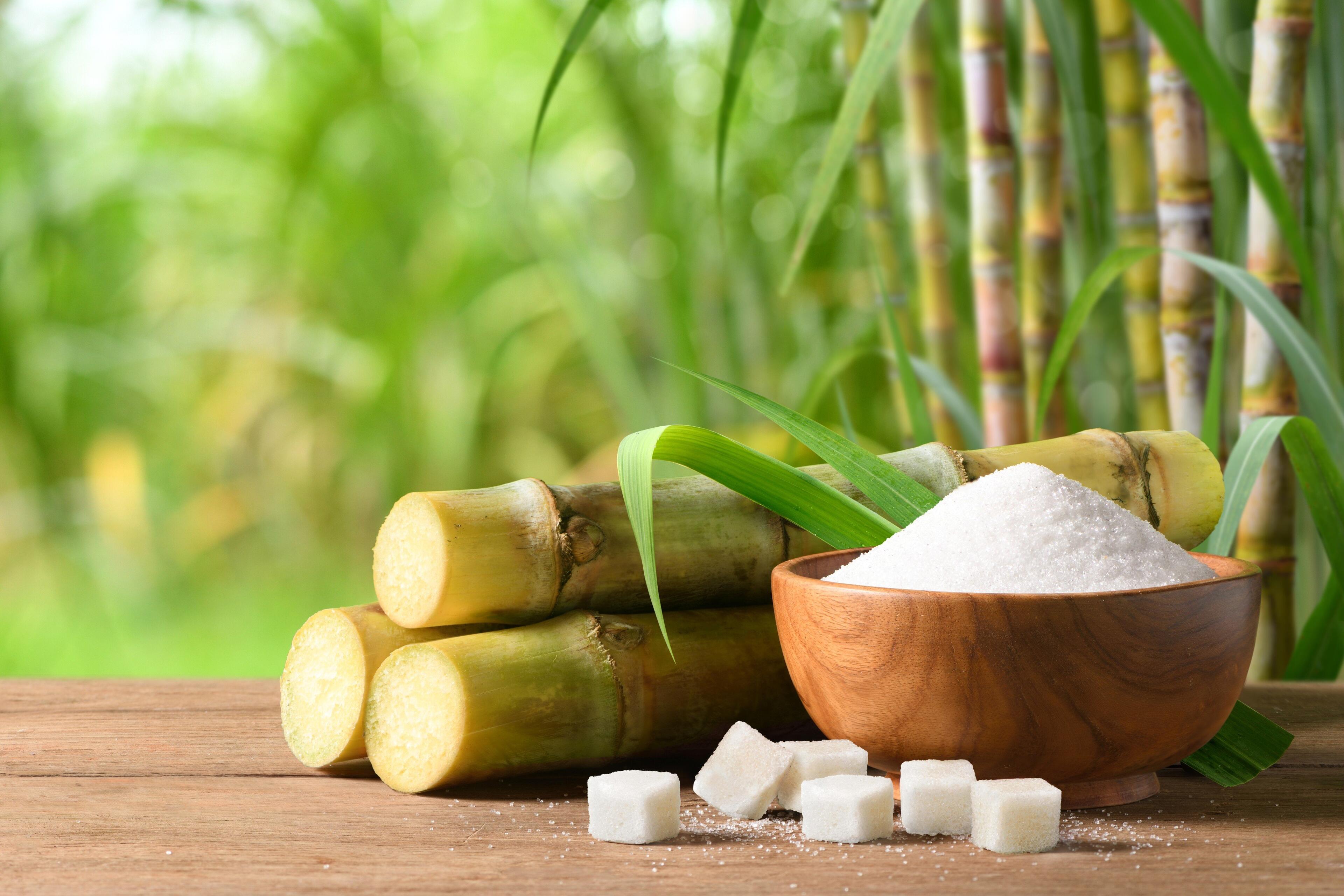
Cane sugar is made from sugar cane. Juice is extracted and clarified. Then, evaporation is used to concentrate the juice into syrup. Finally, the sugar is crystallised, separated and dried.