





If you are interested in being a regular contributor for The Lens, please apply by clicking this link.
Thoughts from last week
Andrea Cheung, 13, Island School
Malaysia is one of the most obese countries in Asia, with half of its adult population classified as overweight. The nation is facing a growing childhood obesity epidemic, which has yet to be effectively addressed by the government.
As a food-obsessed nation, sugary treats are readily available in convenience stores, and sweetened beverages like Milo and Horlicks are sold on nearly every street corner.
Additionally, late-night meals often contain an excessive number of calories. As a result, many citizens are now suffering from diabetes, necessitating lifestyle changes to maintain their health and safety.
The increase in obesity and diabetes also places additional strain on the nation’s healthcare and emergency services, as more medical professionals are needed to support individuals at high risk for heart attacks and other health complications.
In response to rising obesity rates, the Malaysian government has introduced a sugar tax on beverages containing more than five grams of sugar per millilitre.
However, drinks prepared and served by restaurants or street vendors are exempt from this tax. This loophole may contribute to the persistent obesity and diabetes rates, as many people continue to buy sugary beverages from street vendors for convenience.
To significantly impact public health, the Malaysian government should consider extending the sugar tax to include drinks prepared at eateries.
Additionally, promoting a healthier lifestyle is essential. This could involve building more parks for exercise and incorporating daily physical activity into school schedules.
By educating the community on the benefits of a healthier lifestyle, individuals can improve their well-being while alleviating some pressure on the Malaysian healthcare system.
Read up on this issue in last week’s The Lens
Read and observe
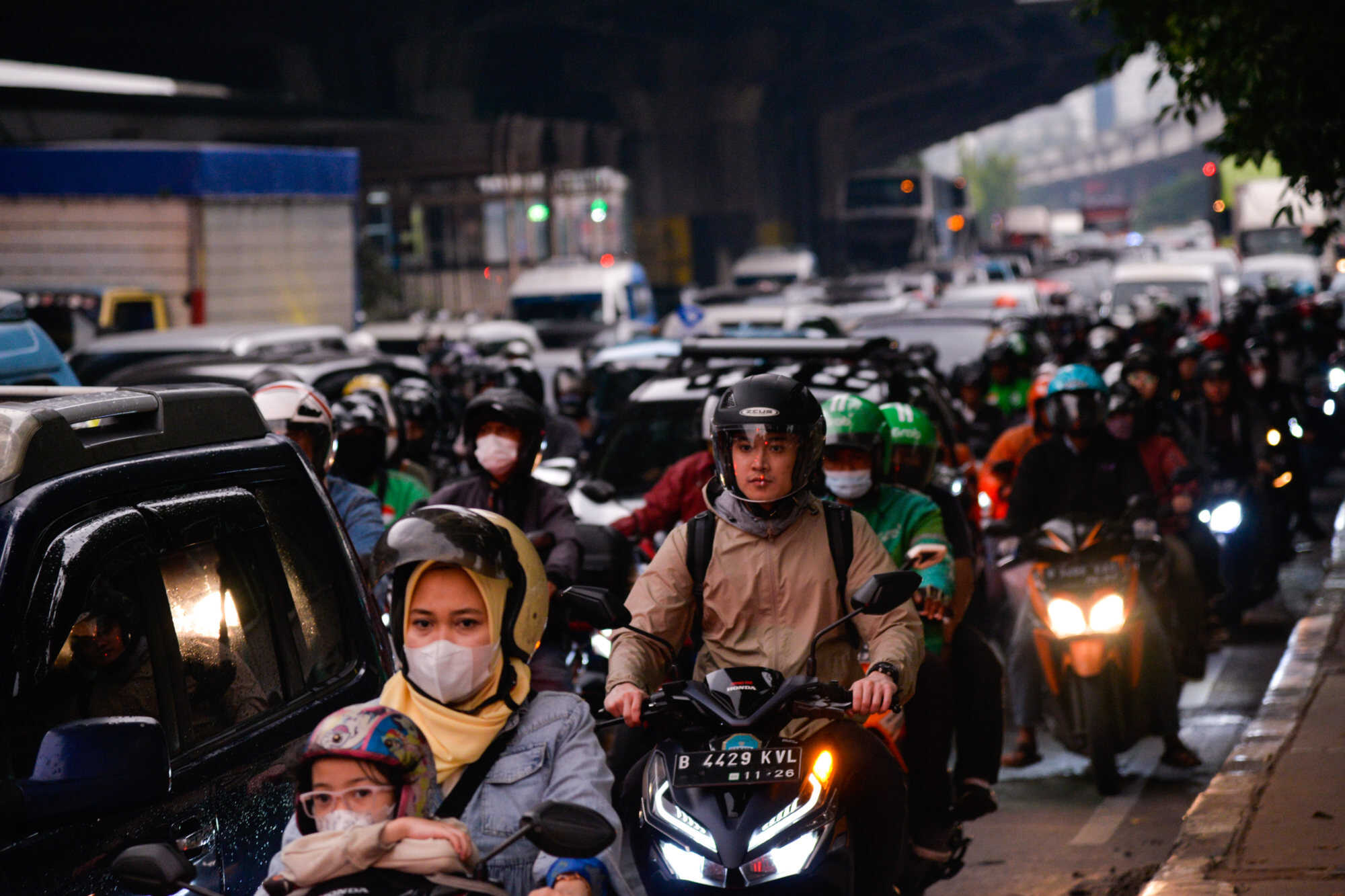
A new policy mandating all civil servants in Jakarta to take public transport every Wednesday to ease chronic traffic congestion has drawn criticism over its practicality.
Jakarta’s top leaders were seen adhering to the mandate, which took effect on the last Wednesday of April. Governor Pramono Anung took a bus from his official residence to attend a meeting. A deputy governor took the subway and bus to reach Jakarta City Hall, The Jakarta Post reported.
Pramono has said the policy will be enforced, although there are currently no sanctions for non-compliance.
Authorities would be monitoring civil servants who use private vehicles on Wednesdays, according to news magazine Tempo, citing Pramono. Those who ignore the regulation might not find parking for their vehicles, he added. According to Pramono, the policy applies to about 65,000 personnel, including 45,000 civil servants, with the rest being contract workers.
To enforce the policy, road barriers were placed at the entrance to the city hall to block private vehicles. Three security guards were also assigned to guard the gate.
Jakarta is ranked the world’s seventh most congested city, according to the 2024 Global Traffic Scorecard. According to The Star, citing local statistics, it has 22 million vehicles, double that of its population, with motorcycles accounting for 80 per cent.
Only about 10 per cent of daily commuters in Jakarta utilise public transport, a figure far below the city’s 55 per cent target by 2045.
Due to limited public transport access, employees living in suburban or outlying areas have said they rely on private vehicles to reach a bus or a subway station.
While Jakarta’s public transport had become more accessible in recent years, significant improvements were still required, particularly to connect the Greater Jakarta area, Pramono said.
Staff writers
Research and respond
-
Do you believe this mandate is fair? Does it adequately address the diverse transport needs and accommodation of all civil servants?
-
Could this mandate help reduce traffic congestion? Why or why not?
-
What other strategies could Jakarta implement to mitigate traffic congestion?
-
Should other cities consider adopting this scheme? What places could benefit from the measure?
