Deep Dive delves into hot issues in Hong Kong and mainland China. Our easy-to-read articles provide context to grasp what’s happening, while our questions help you craft informed responses. Check sample answers at the end of the page.
News: China’s new tax policy
-
Beijing has launched a wave of measures over the past few months to prevent people from avoiding tax
-
Recent offshore trust rule aims to close loopholes that benefit the wealthy and better control money crossing the border
Beijing has begun tightening controls on the flow of money leaving mainland China. The government wants to stop people from avoiding taxes and reduce the amount of money leaving the country.
Major companies have been punished for helping mainland investors illegally buy overseas stocks. Banks in Hong Kong have also become tougher on mainland customers applying to set up accounts.
In late July, Beijing announced that offshore trusts would now be subject to China’s personal income tax. This closed a loophole that had allowed wealthy Chinese families to protect large amounts of money from taxation. Offshore trusts are also a way for Chinese entrepreneurs to transfer wealth to the next generation.
The new tax rule could complicate this process.
The policy charges a 20 per cent tax on the gains from offshore trusts that have mainland Chinese beneficiaries or that hold assets from the mainland.
The rule will apply when a trust is set up or closed. It will also apply whenever any income from the trust is given out. It will affect any gains dating back to as early as January 1, 2023.
Beijing has offered a 90-day grace period for people to declare if they put mainland Chinese assets in offshore trusts between 2023 and 2025.
The issue has become a hot topic in China. Children of the late Zong Qinghou – the billionaire founder of drinks company Wahaha Group – launched a legal battle for control over offshore trusts.
The trusts had assets worth about US$2 billion (HK$15.68 billion).
For Beijing, offshore trusts are a serious issue. They have allowed the country’s wealthiest families to avoid paying tax on large amounts of assets.
The Chinese government is struggling to earn income because property values have been dropping. This is one reason Beijing needs more money from taxes.
Last year, Chinese authorities collected 1.62 trillion yuan (HK$1.89 trillion) in income tax revenue, an 11.5 per cent increase from 2024.
The increase can be attributed to officials ensuring that more people follow new rules, as well as the closing of tax loopholes.
The new policy for offshore trusts could seriously damage China’s billionaires. A large amount of their overseas income is connected to offshore trusts.
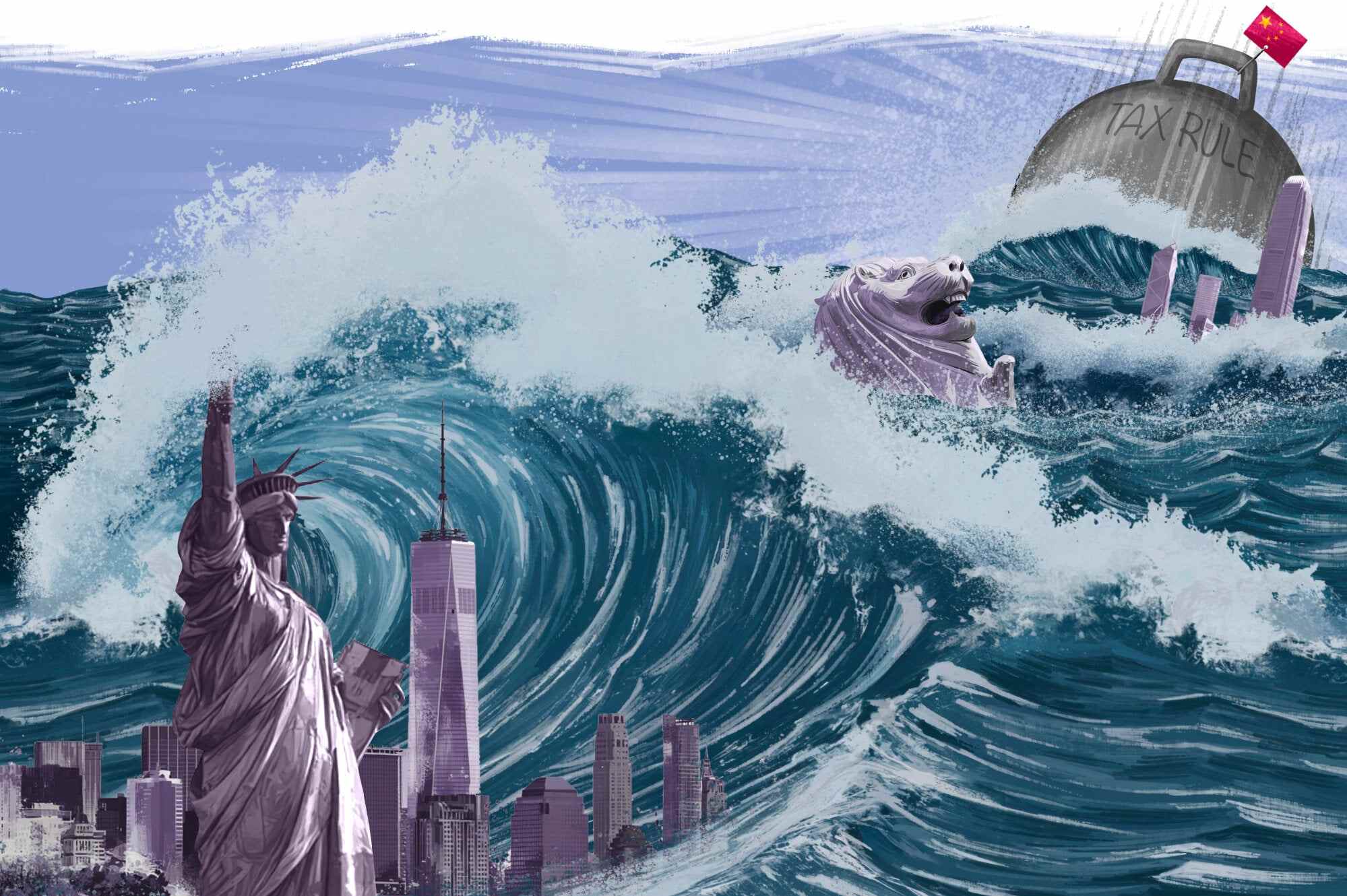
The new rules have also raised concerns in Hong Kong. The city has long been a place for rich Chinese investors to set up offshore trusts. They are drawn in by Hong Kong’s low tax rate and strong privacy protections. It is also the world’s biggest cross-border wealth hub.
Staff writers
Question prompts
1. Which of the following statements is false, according to the news?
(1) Beijing’s new policy wants to stop Chinese entrepreneurs from avoiding corporate tax.
(2) The policy sets a 20 per cent tax on gains from offshore trusts with mainland links at every stage, including set up, income movement and closing.
(3) The rules could make it easier for Chinese people to share their wealth with the next generation who are in other countries.
(4) Beijing is cracking down on tax avoidance because the government needs funding as property values fall.
A. (1), (2) only
B. (1), (3) only
C. (2), (4) only
D. (3), (4) only
2. In regard to the new tax rule, how has Beijing encouraged individuals to voluntarily share if they have transferred domestic assets into offshore trusts?
3. According to the news, why might the new offshore trust policy worry wealthy Chinese people?
Chart
Question prompts
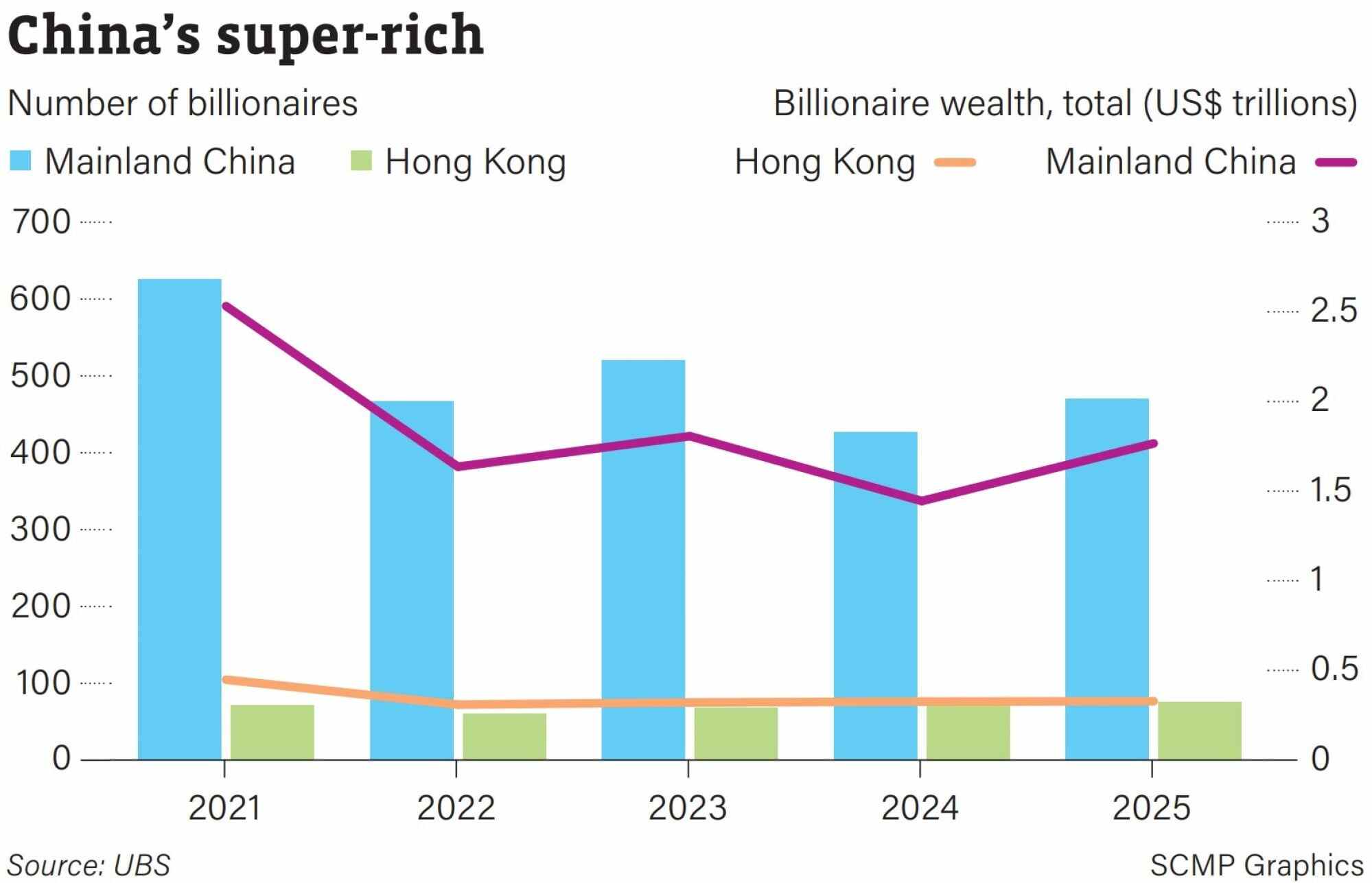
1. Note TWO observations about the total wealth held by Chinese billionaires in mainland China and in Hong Kong.
2. Using the news, explain why many wealthy Chinese people put their money in offshore trusts in Hong Kong.
Glossary
offshore trusts: a legal arrangement in which someone transfers ownership of certain assets to a manager in a different place. This is often a way for wealthy people to avoid paying taxes or to transfer their assets to their heirs.
personal income tax: a direct government tax on an individual or a household’s net earnings, wages, investment gains and other income
beneficiaries: an individual or group designated by the person who creates a trust to receive benefits from its assets and income
assets: anything, tangible or intangible, that has economic value to its owner or could have economic value in the future
Sample answers
News
-
B
-
The government has offered a 90-day grace period for people to declare if they put mainland Chinese assets in offshore trusts between 2023 and 2025. This measure should encourage individuals to voluntarily self-report before the tax rules tighten.
-
The new offshore trust policy worries wealthy Chinese families because they routinely use offshore trusts to protect their assets from tax and to easily transfer assets to their heirs. Under the new tax rule, these people face higher tax burdens and can no longer use this “loophole” to protect their wealth.
Chart
-
Since 2021, billionaire wealth in mainland China has declined gradually, with a small rebound in 2025. Since 2022, billionaire wealth in Hong Kong has held steady at under US$500 billion. (accept all reasonable answers)
-
Many wealthy Chinese people choose to put their money in offshore trusts in Hong Kong because of the city’s low taxes and strong privacy protections, which can help them save more money and make it simpler to transfer wealth to the next generation.