Content provided by British Council
Read the following text and answer the quiz below.
[1] In waterways across Japan, the green leaves and dainty white flowers of the alligator weed are a common sight. The plant’s scientific name is Alternanthera philoxeroides. Though it may look innocent, it is an absolute menace, according to Koichi Goka. He is head of the Invasive Species Research Team at Japan’s National Institute for Environmental Studies (NIES).
[2] “We first had reports of alligator weed in Japan in Hyogo prefecture in 1989,” he said. “It quickly spread from there across much of central and southern Japan. We were soon having reports from the Tokai region as it spread to the east. Now it is in Kanto and spreading to the north.”
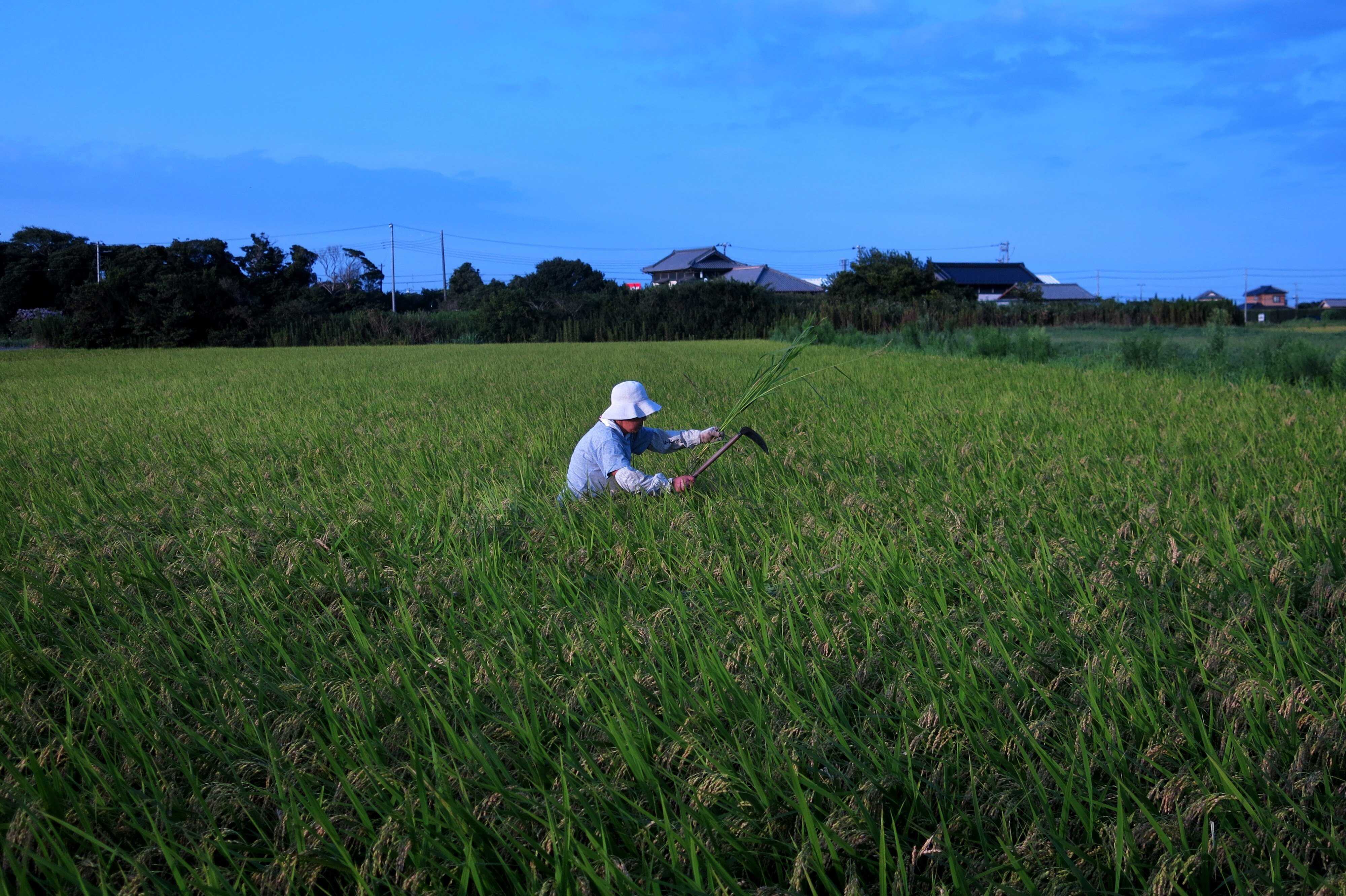
[3] The plant is now found in 30 of Japan’s 47 prefectures. It invades paddy fields, other agricultural fields and waterways. “It spreads because it thrives both in a water environment and on the land,” Goka said. He explained that the weed spreads very easily because it can reproduce from parts cut from the plant, such as a piece of leaf. That means cutting the plant can actually help it spread.
[4] The plant was originally found in the Parana river basin in Brazil, Paraguay and Argentina. But it has since spread throughout South America. It is also found in 30 countries worldwide, including China, Australia and the US. Experts say it most likely spreads through sediment on shoes or cargo ships.
[5] Alligator weed is a serious concern for rice farmers, said Kevin Short. He is a former professor of cultural anthropology at Tokyo University of Information Sciences. Alligator weed has also been blamed for flooding in some areas after heavy rainfall. It blocks drainage ditches, causing waterways to overflow.
[6] In some areas, it competes with native flora for space, nutrients and access to light. Short said there was a risk that alligator weed “will wipe out some domestic species”. The problem is so serious that the Environment Ministry gave affected communities 500 million yen (HK$24.68 million) in subsidies last year to help eradicate the plant.
[7] NIES is working on a programme to stop the growth of alligator weed. Many different herbicides are being tested. They have to be effective on the weed without damaging native species. “We really cannot allow it to spread any further in Japan,” Short said. “The impact on crops and other plant and animal life would be extremely serious.”