Content provided by British Council
[1] Hong Kong authorities have stepped up their checks on dog licences. They have started regular operations and random checks on pets in public areas. They are warning that they will take legal action against owners who do not follow the rules.
[2] The Agriculture, Fisheries and Conservation Department (AFCD) said that its officers will start operations in public areas where dogs come together. They also asked dog owners to work together and help with the checks.
[3] “During inspections, AFCD officers will conduct random checks on dogs and scan them to verify whether a microchip has been implanted and a valid licence has been issued,” a department spokesman said. “If a dog is found without a valid licence, the AFCD will institute prosecution against the keeper without prior warning.”
[4] In Hong Kong, there are rules about rabies. All dogs that are older than five months must be registered and vaccinated against the virus. Licences are typically valid for three years, in line with the timeline for a rabies booster shot.
[5] The department asked pet owners who do not have a valid licence for their dogs to get one as soon as they can. They can do this at Animal Management Centres or at private veterinary clinics. At these places, pets can also get rabies shots.
[6] It reminded pet owners that they needed to renew their licenses and set up rabies vaccinations every three years. The department said that getting regular rabies vaccinations and licenses was not only a rule to follow but also a very important step in keeping animals healthy.
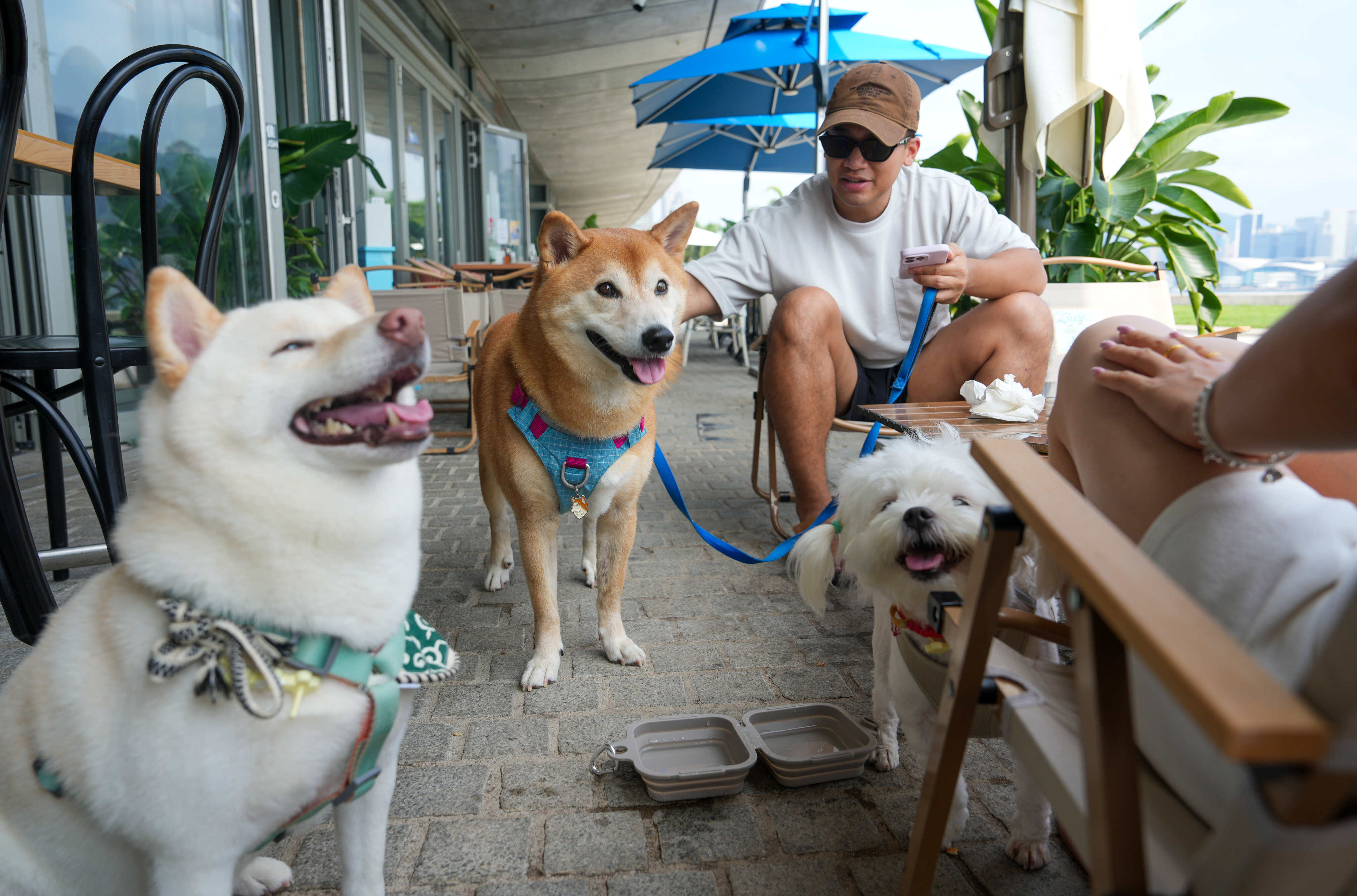
[7] Hong Kong is trying to become a better place for pets. Last month, people could start applying for licenses to bring dogs into restaurants. This means that a rule that lasted for 30 years is ending. Before, only guide dogs and some working dogs were allowed in restaurants.
[8] The city has also faced concerns over illegal animal smuggling in recent years. Hong Kong customs and mainland authorities have repeatedly mounted joint operations targeting the cross-border trafficking of dogs and cats. The department has also expanded the use of quarantine detector dogs to intercept illegally imported animals.
[9] Official figures show the number of illegally imported cats and dogs seized by authorities rose from 11 in 2024 to 22 in 2025, according to department data submitted to the legislature. Customs officers have continued to uncover cases this year, including the seizure last month of two suspected illegally imported dogs at the Lok Ma Chau spur line border crossing.
Source: South China Morning Post, June 2