Every week, Talking Points gives you a worksheet to practise your reading comprehension with exercises about the story we’ve written.
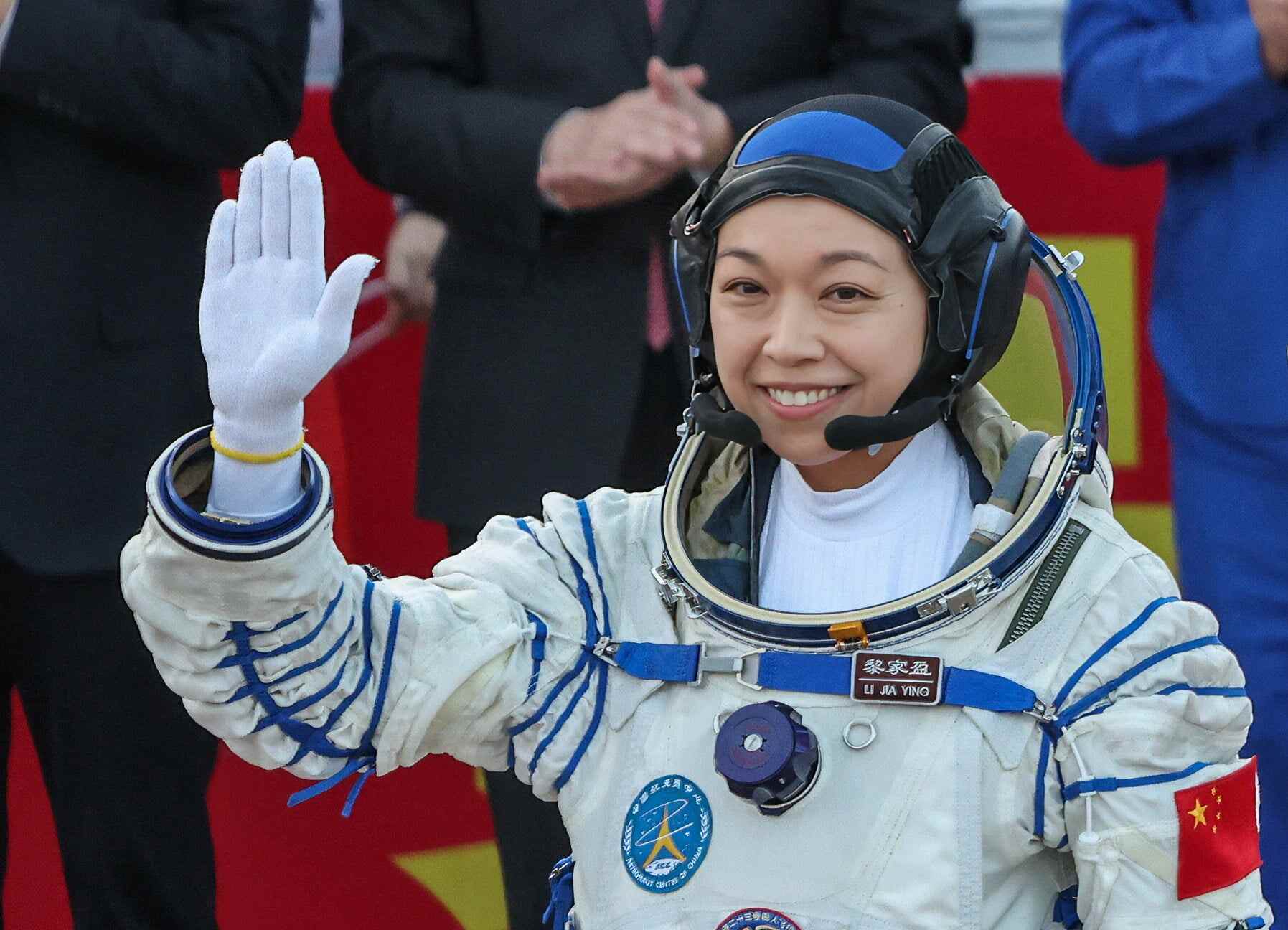
When Lai Ka-ying became the first person from Hong Kong to go to space, people in the city were able to watch the launch on their phones and computers.
But in the past, when humans started going to space, there were no live videos.
People had to wait for astronauts to come back with film photos that showed the amazing views of space beyond Earth.
Exodus Sit is a teacher who helps people learn about space. He collects old film reels that show important Apollo missions from Nasa. These missions took place from 1961 to 1972 and were about travelling to the moon.
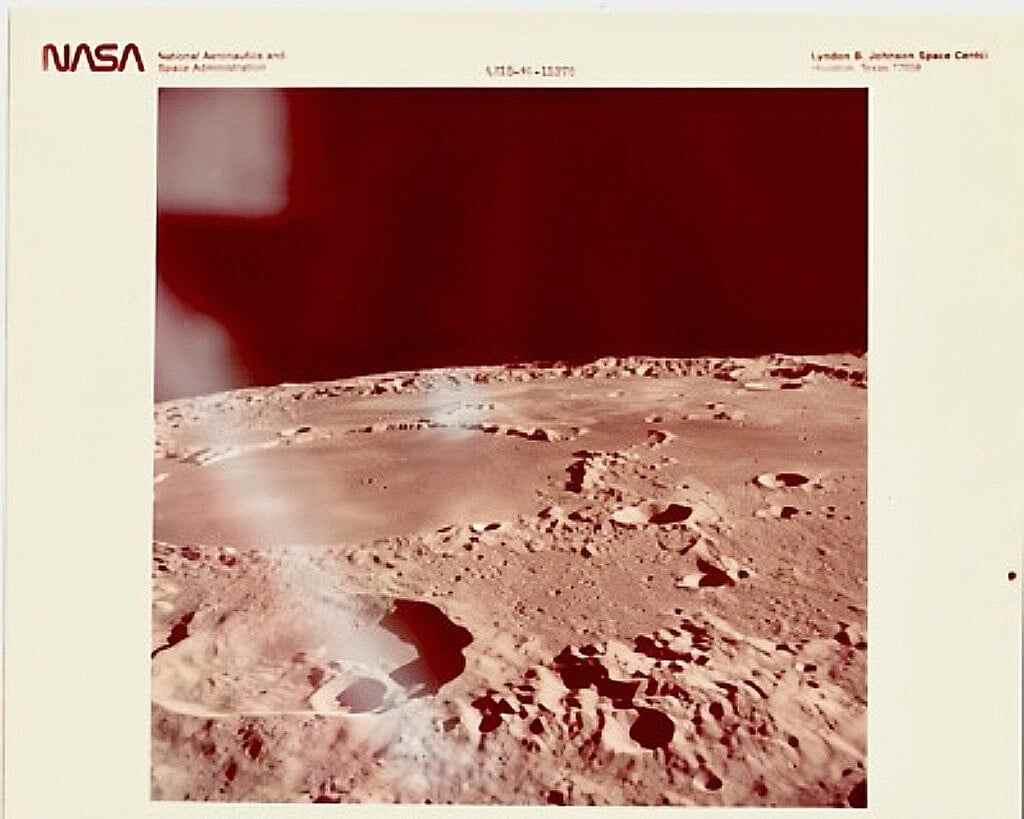
The first item in Sit’s collection of nearly 500 space artefacts is a photograph from the Apollo 15 lunar mission.
The image captures the moon’s Sea of Ingenuity along with the craters Thomson and Zelinsky.
“It revealed craters and terrain in a level of detail that is difficult to achieve by photographs taken on Earth,” said Sit, who is also chair of the Hong Kong National Astronomy Education Team of the International Astronomical Union.
Snapshots of cosmic adventures
During the Apollo missions, astronauts used film cameras and recording equipment to take pictures and videos. They documented many things, like craters on the moon, big areas of land and how Earth looks from space.
“The frames are arranged sequentially according to the astronauts’ shooting order, [so] viewing them creates a powerful sense of continuity,” Sit said.
He pointed out that the negatives showed very detailed views of the lunar surface when they were developed.
“These were produced for scientific analysis, allowing researchers to generate high-resolution lunar surface imagery and conduct detailed geological studies,” Sit said.
“The original flight films themselves are extremely fragile and rarely accessible.”
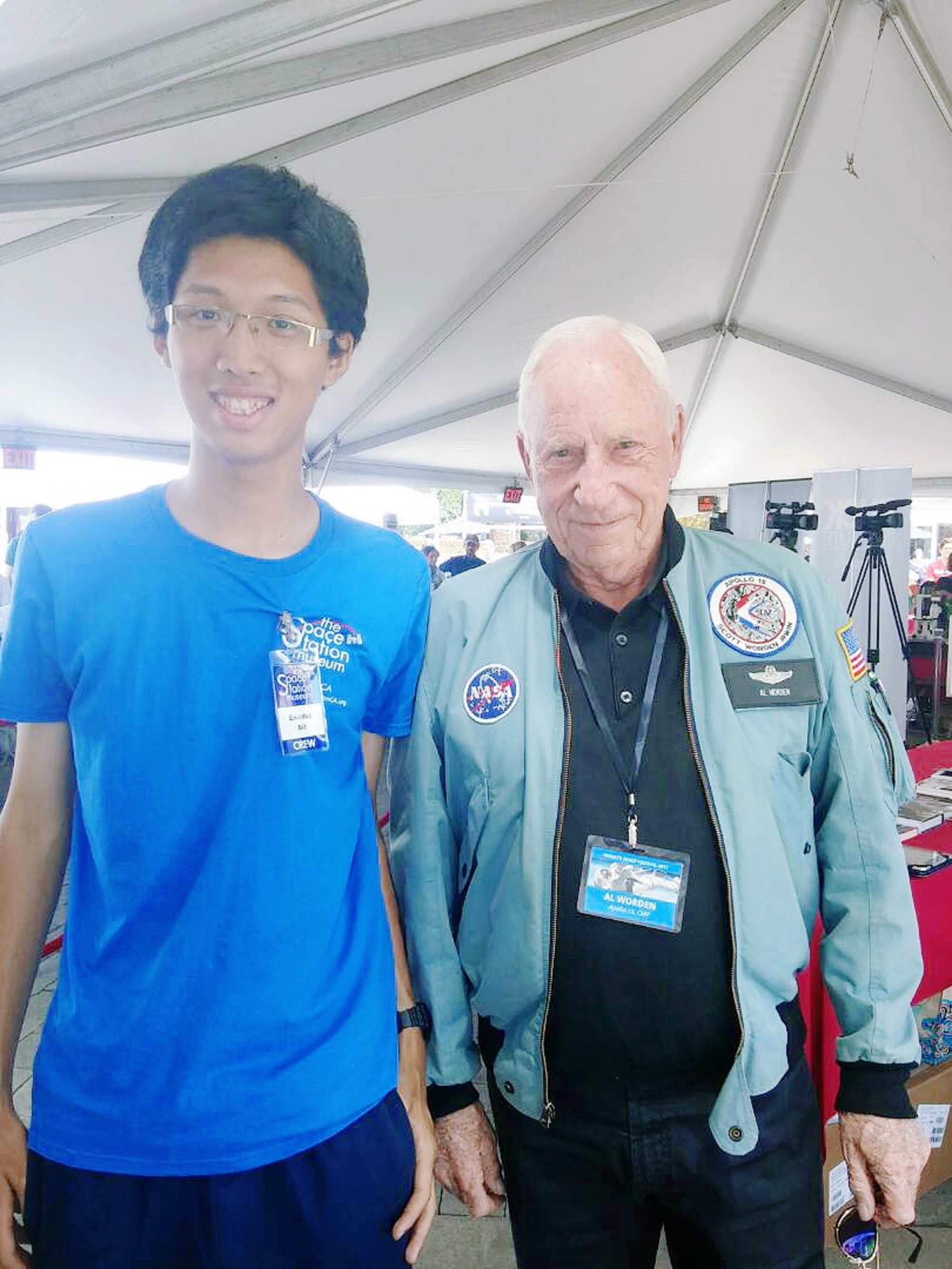
Sit said that his photo from Apollo 15 is very special to him because he met the astronauts from that mission in 1971. One important meeting took place at an exhibition, where Alfred Worden, the pilot of the command module, spoke about his experiences in space.
Passion for space
From a young age, Sit has been very interested in space. He has studied the night sky with a telescope since he was in primary school. Because of this, he has learned about many different things in space, like nearby planets and faraway star groups.
“At the same time, I developed a strong interest in history through collecting postal artefacts such as postal letters and stamps dating from the 1840s to the 1890s,” Sit said.
“This dual passion for astronomy and historical collectibles eventually led me to wonder whether I could combine both interests.”
As he met other people who collect space items, his love for these things grew into a lifelong goal to keep history safe.
Many of the space items in his collection came from auctions, where items are sold to the highest bidder.
Among these, one of his most special items is a small piece of fabric from a lunar spacesuit used on the Apollo 12 mission in 1969.
Another special item is a small piece of a map from the same mission.
“Considering that the average distance between Earth and the moon is about 380,000km, this small piece of material has travelled an immense and historic journey through space,” Sit said.
These items have come a long way and are very delicate. Hence, it is very important to keep them safe.
He only uses them on special days, like when he teaches about stars and planets or when he is on TV shows.