Southeast Asia is one of the most vulnerable regions grappling with growing risks from heatwaves and high humidity, while the period of extreme weather has more than doubled globally over the past five decades.
The duration of extreme weather has increased worldwide to an average of 23 days per year from 10 in the 1970s, according to a report by non-profit news organisation Climate Central.
Parts of Southeast Asia, South America and coastal West Africa are among the regions that now experience at least six months of “dangerous” humid heat days annually, the report released on Wednesday shows.
The largest increases have occurred in tropical humid regions, where wet-bulb temperatures, which measure the combined effect of heat and humidity, are typically higher.
Zack Labe, a climate scientist with Climate Central, said in written responses to queries by This Week in Asia that the term “dangerous” humid heatwaves referred to days with a wet-bulb temperature of 25 degrees Celsius (77 degrees Fahrenheit) or higher – a threshold at which the body’s ability to cool itself becomes increasingly strained with higher risk of heat-related illnesses.
The report said human-caused climate change was the primary driver of dangerous humid heat, contributing to nearly two-thirds of such days worldwide, endangering millions.

Humidity exacerbated the effect of heatwaves as it could make seemingly mild days more dangerous than they appeared, the report warned.
Labe said: “This reduces the effectiveness of the body’s primary cooling system and forces the heart to work harder to regulate temperature.”
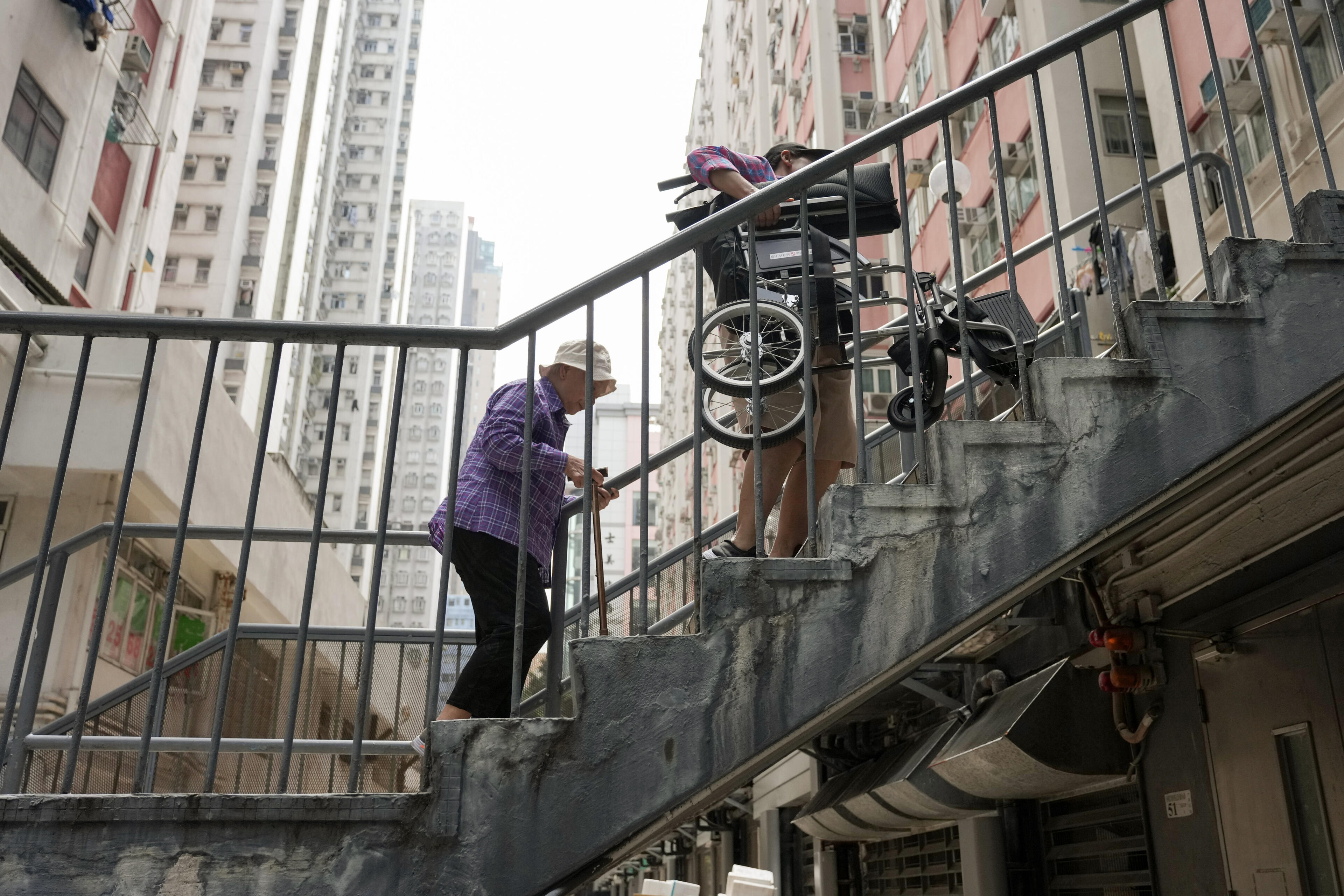
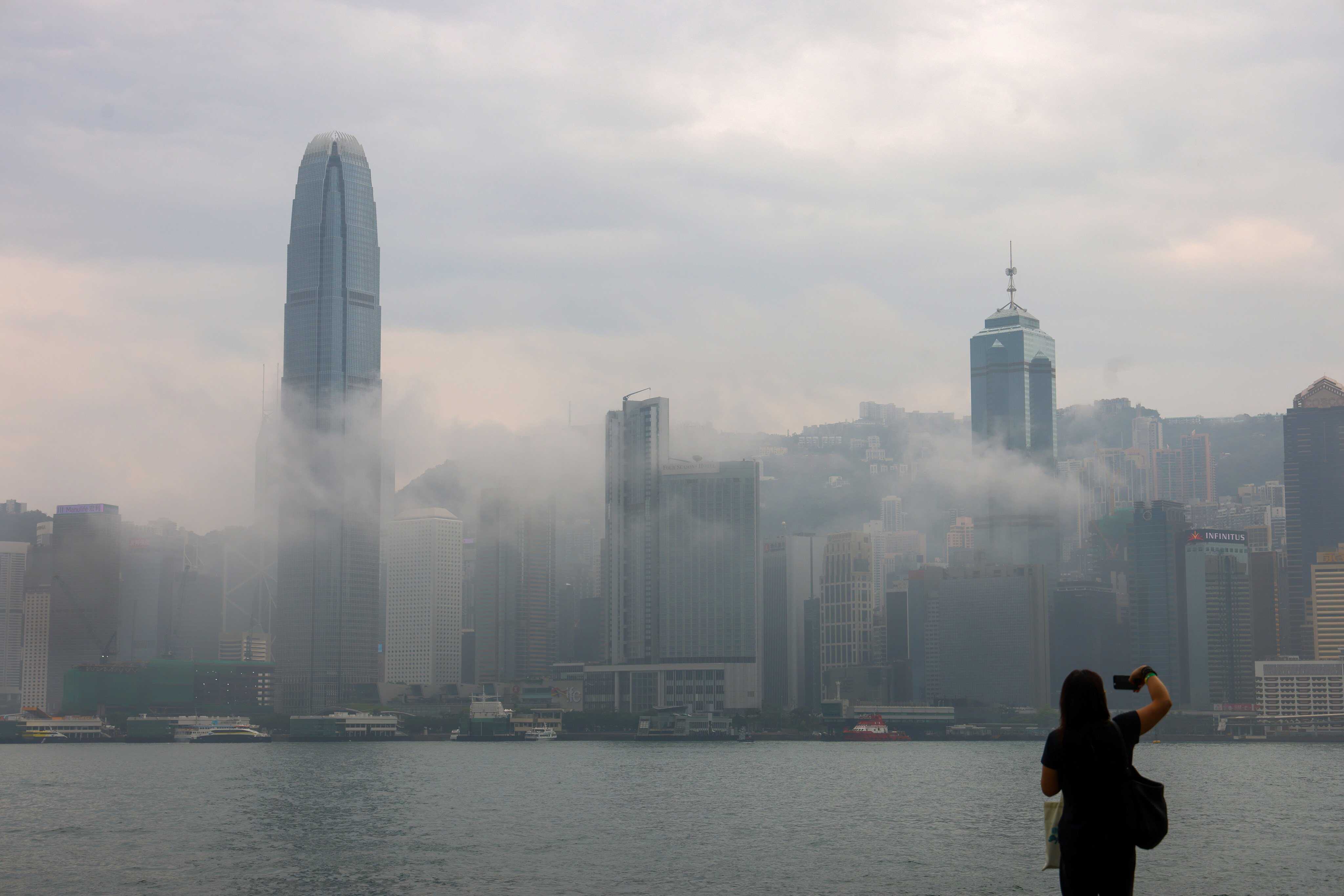
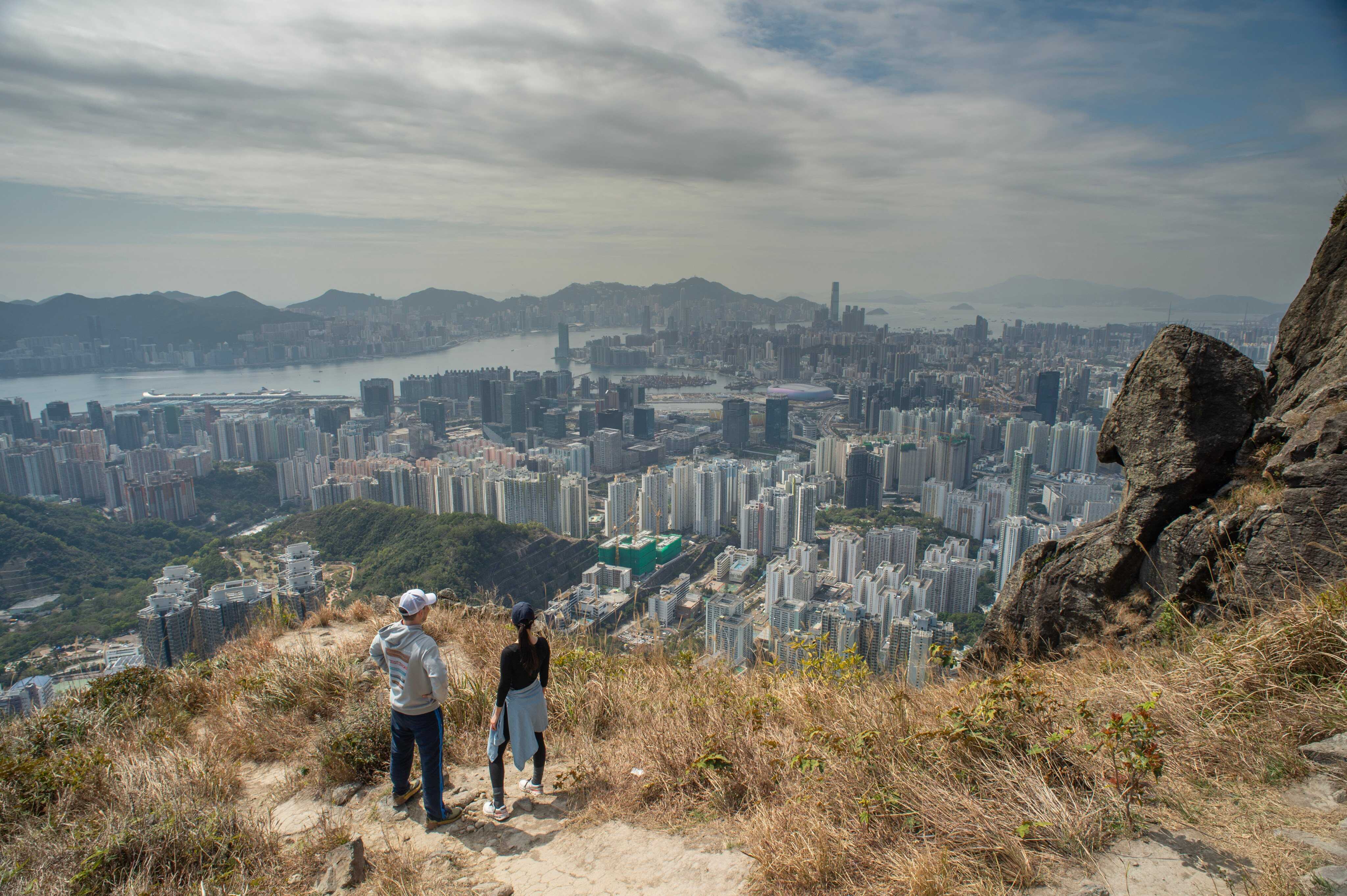
In Hong Kong, for example, there had been an average of 144 dangerous humid heat days each year over the last decade, with roughly 33 of those days attributable to climate change caused by humans, he noted.
“Looking at this week specifically, parts of coastal Southeast Asia are experiencing very dangerous humid heat conditions that were made more likely because of climate change,” Labe said.
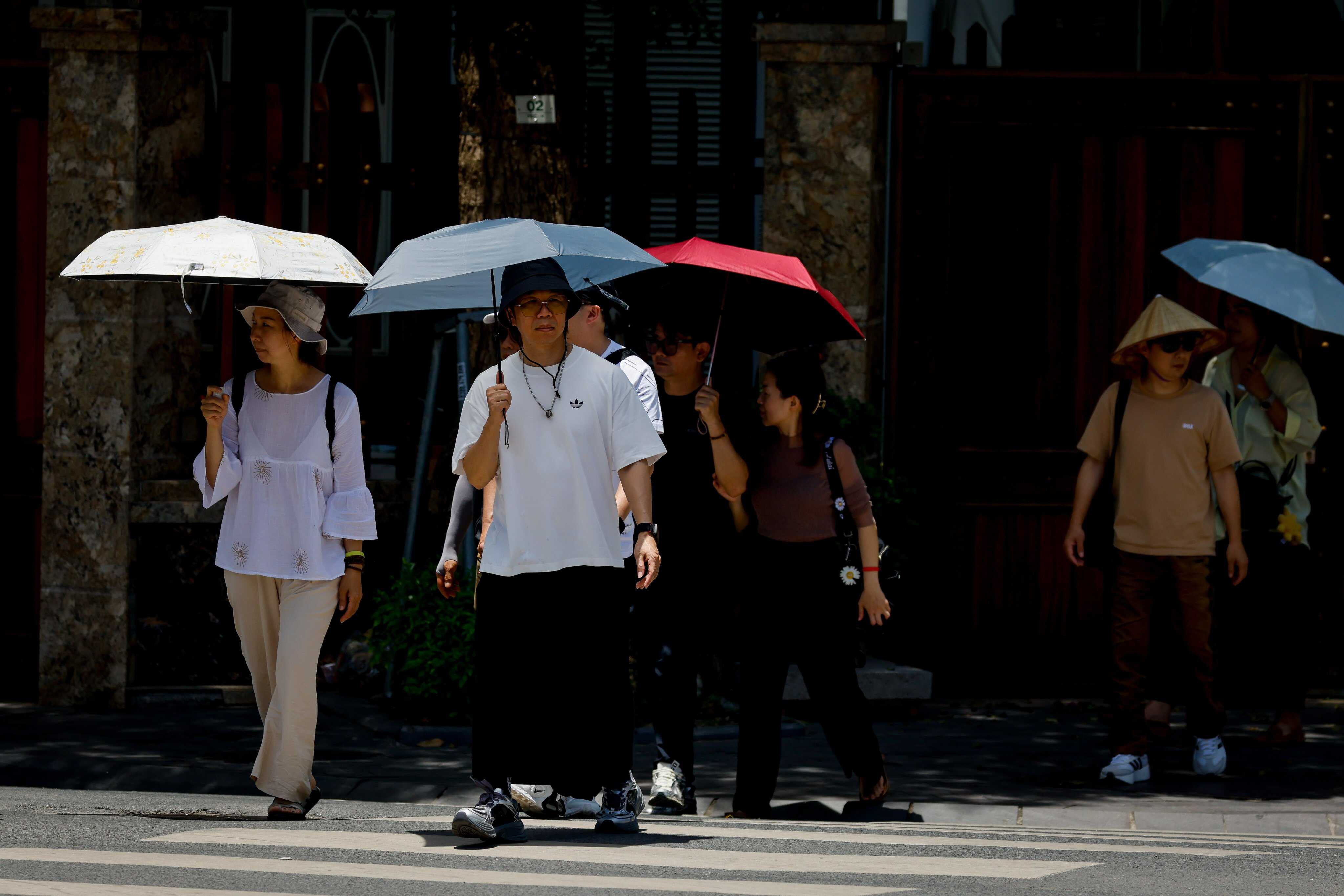
The northern and central regions of Vietnam, including Hanoi, have been experiencing severe heatwaves in recent days. Thailand is also sweltering, with certain districts, such as Bangna, having reported peaks in the heat index – a measure of “feels like” temperature – as high as 54 degrees, according to local media reports.
South Asia was also experiencing similar increases in the number of days with dangerous humid heat conditions, Labe said.
Temperatures in many parts of India soared to above 45 degrees last month, stretching past scorching afternoons into dangerously warm nights, according to a report by Climate Trends released on May 22.
Electricity demand had surged due to rising temperatures, while health systems were under strain because of a spike in heat-related cases, the firm said.
The Indian Meteorological Department said in a report on Thursday that maximum temperatures on Wednesday ranged between 40 degrees and 43 degrees in parts of the northern states of Uttar Pradesh, Haryana and Rajasthan, Madhya Pradesh in the central region and the eastern state of Bihar.
The city of Banda in Uttar Pradesh recorded a maximum temperature of 44.2 degrees.
“Outdoor workers are particularly vulnerable because they are often exposed to a combination of high temperatures, elevated humidity, direct sunlight, and physically demanding work,” Labe said.

A McKinsey Global Institute report released last month said Southeast Asia was particularly vulnerable to climate hazards because many of its economies relied heavily on outdoor work.
The report noted that the agriculture sector, whose output and productivity were directly affected by climate hazards, accounted for between 8 per cent and 15 per cent of the economy in Cambodia, Indonesia, and Thailand, compared with the global average of 4 per cent.
Nearly half of the region’s land area and population is exposed to at least one climate hazard. Ten per cent of the region’s land is at risk of riverine flooding, or flooding that occurs when riverbanks overflow into surrounding areas, while 15 per cent experiences heat stress conditions, according to the report.
Risks to daily life
According to the McKinsey Global Institute, Southeast Asia’s investments across 20 measures to adapt to climate hazards, such as air conditioning, stormwater networks, irrigation and early warning systems, total US$12 billion a year. To maintain similar standards in developed economies for places vulnerable to extreme weather, the region would need to raise such investments annually to US$37 billion.
Labe said the most effective ways to reduce the risks of heat-related illnesses were to improve workplace training and education on heat hazards and track temperature and humidity.
Risks could also be reduced by ensuring regular access to water, rest, shade and cooling, and allowing workers time to acclimatise to hotter conditions, according to Labe.
Kaitlyn Trudeau, an applied climate scientist at Climate Central, said her organisation’s findings had shown the profound global impact of climate change.
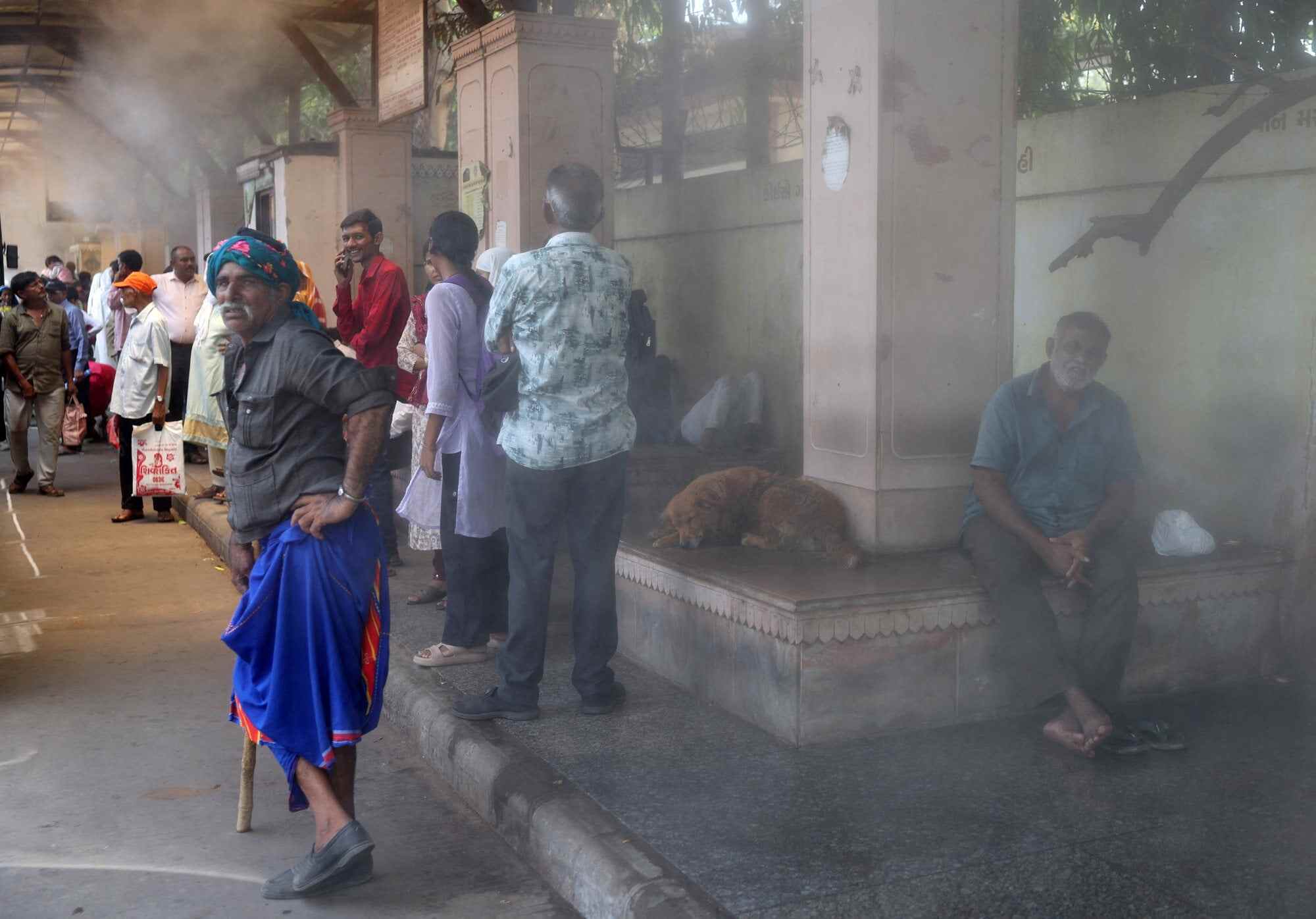
“Dangerous humid heat has gone from being an uncommon event to a defining feature of daily life in some regions, pushing conditions closer to the limits of what the human body can safely endure,” Trudeau said.
A separate report released on Friday by World Weather Attribution, an academic partnership studying extreme weather trends, attributed Europe’s current heatwave conditions to climate change. About 45 per cent of 854 cities in 30 European countries have broken or are expected to break their wet-bulb temperatures in late June.
Theodore Keeping, an extreme weather and wildfire researcher at Imperial College London, warned that there was no room for doubt about the impact of climate change.
“The science of how climate change is worsening heatwaves is settled. Continued fossil-fuel emissions are directly responsible for the disruption people are experiencing this week in their homes, schools and workplaces,” Keeping said.