On August 26, a catastrophic wave of mud and rock swept down from the Himalayas, devastating villages and towns as it buried homes, schools and roads at the border of Nepal and China.
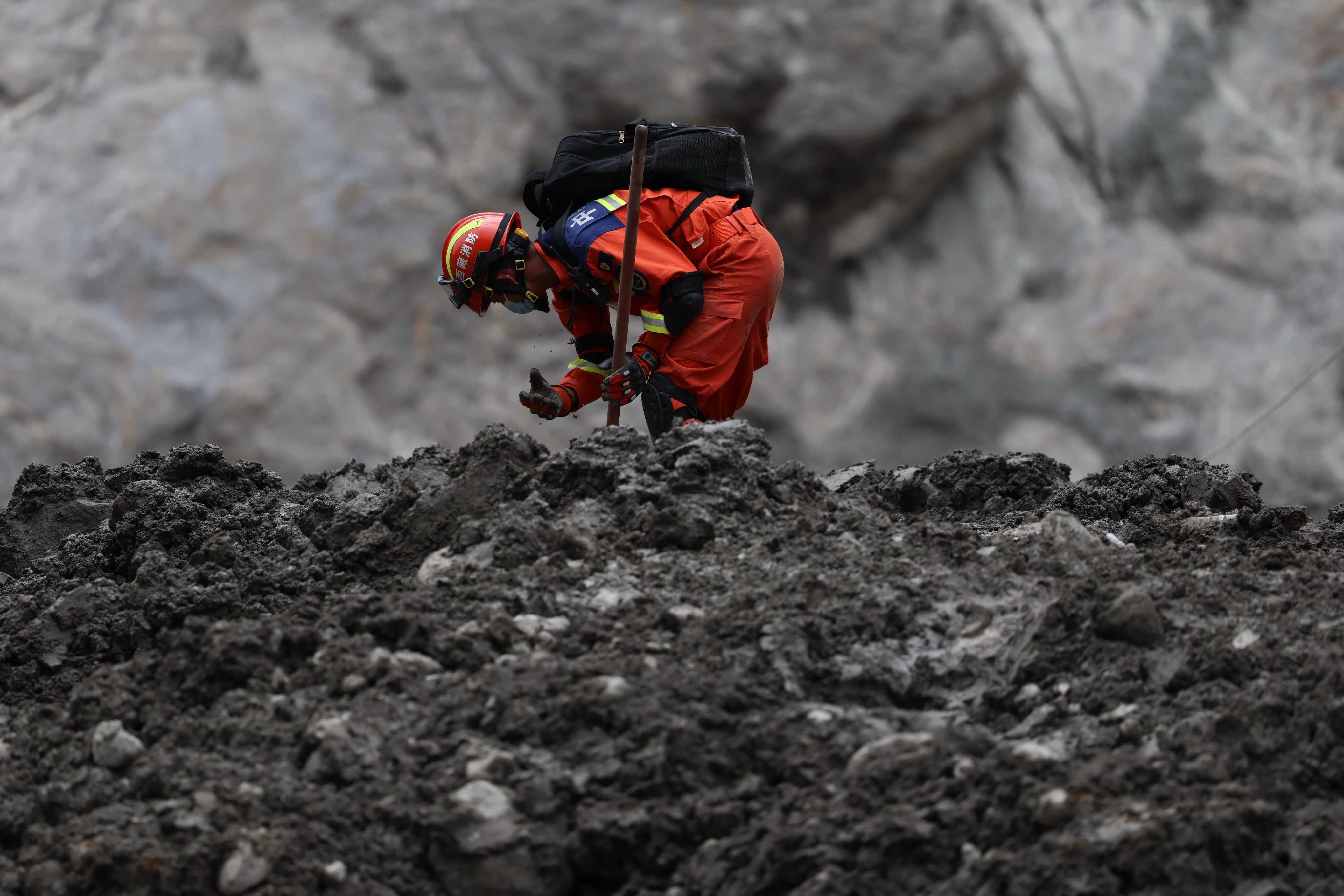
The disaster was likely triggered by a huge glacier collapse and landslide, and it was followed by a series of flash floods and debris flows. At least 1,412 people have been killed, more than 6,800 injured and 5,600 remain missing across the region.
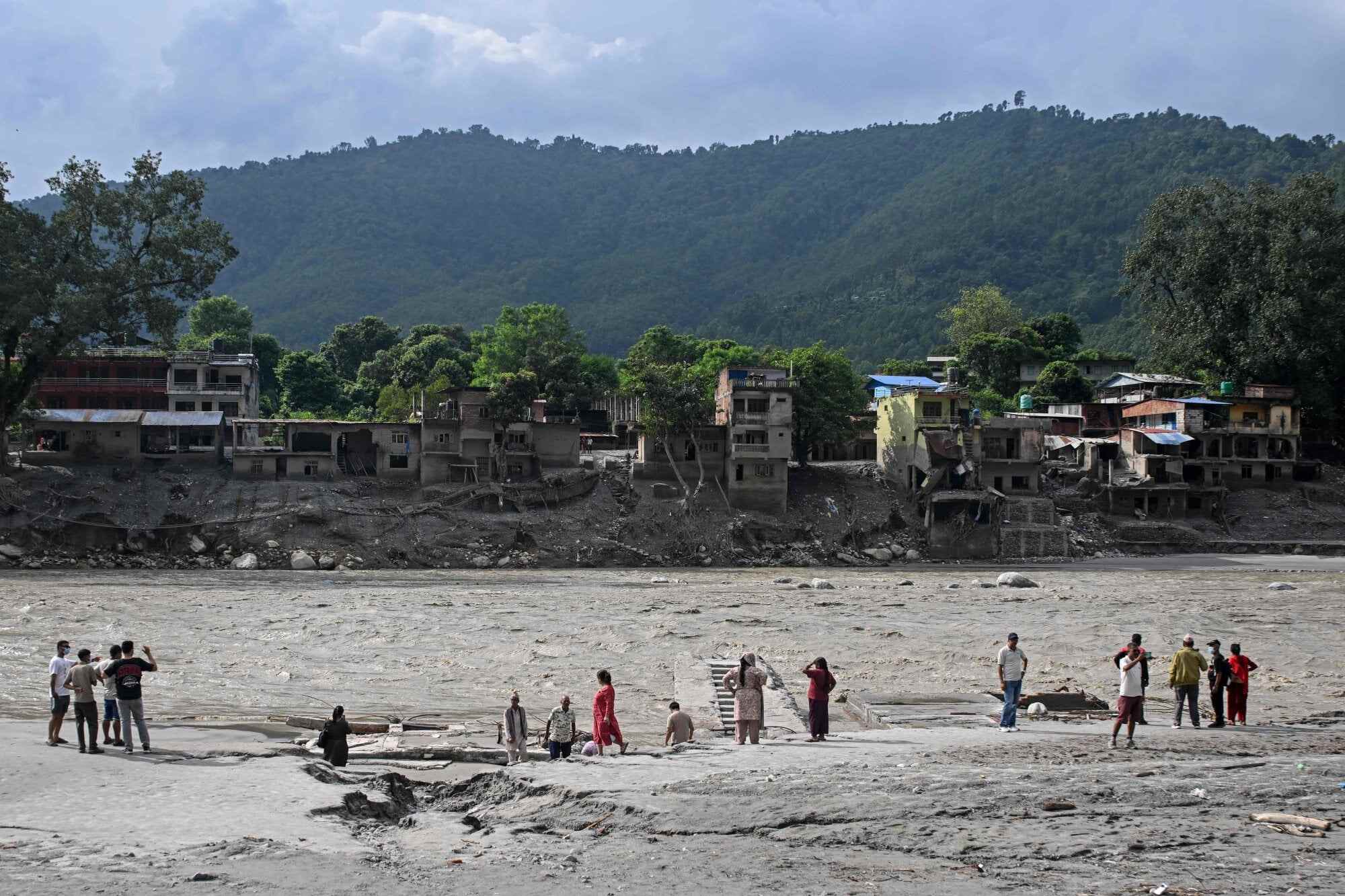
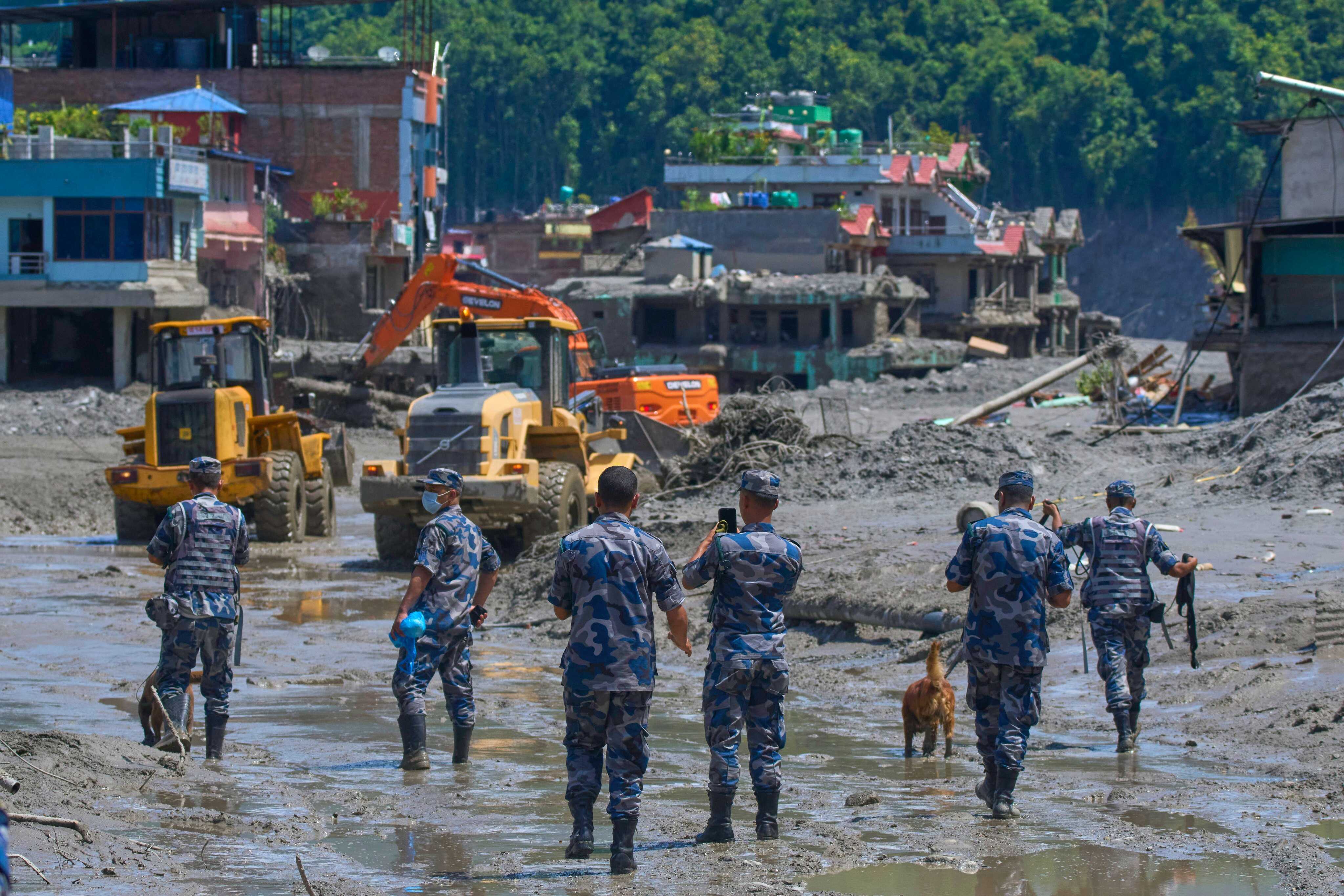
People look up at what’s left of homes, remains covered in sludge, in the aftermath of flash floods in Devghat, in Nepal’s Nuwakot district on September 6. Photo: AFP
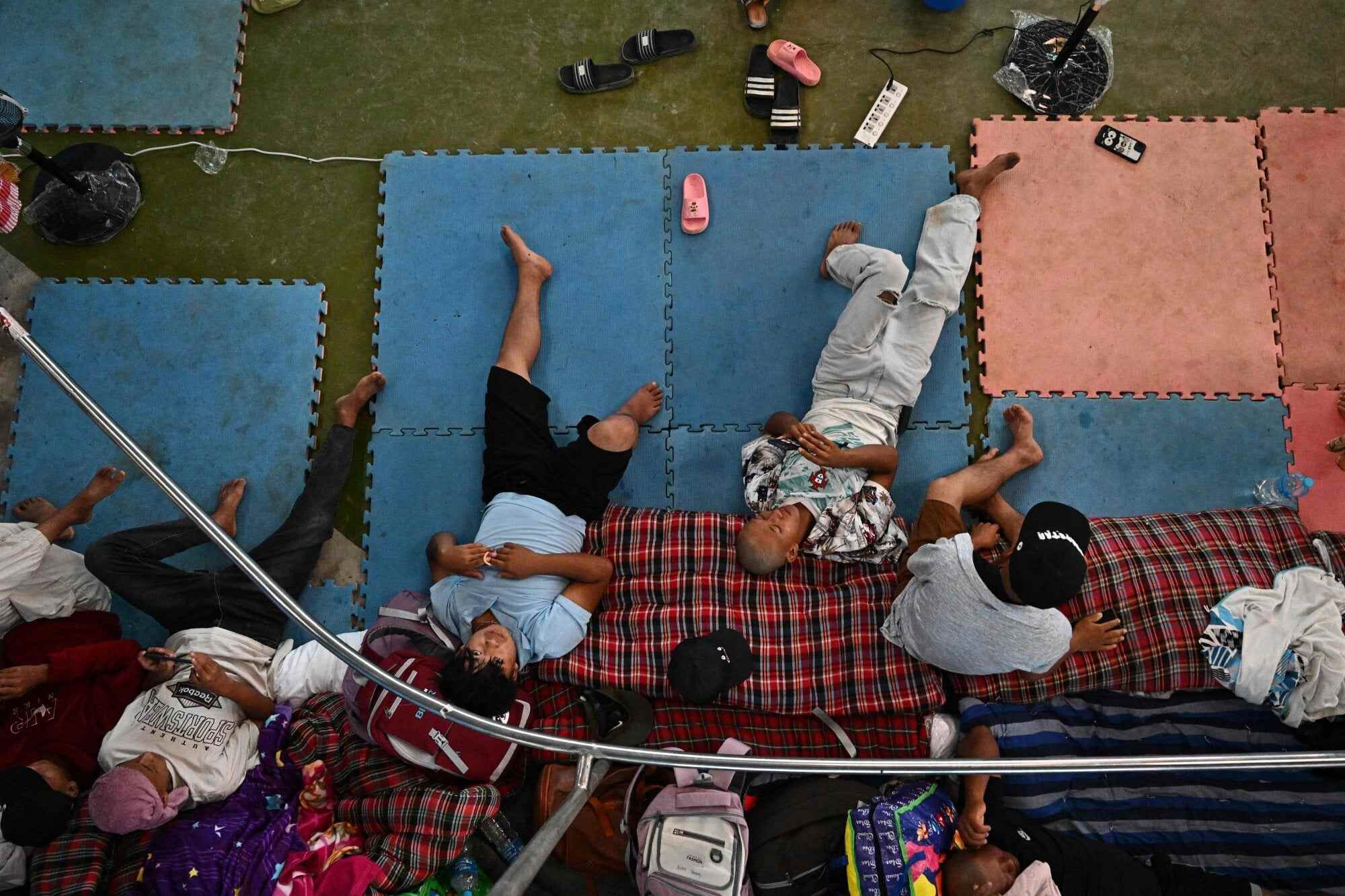
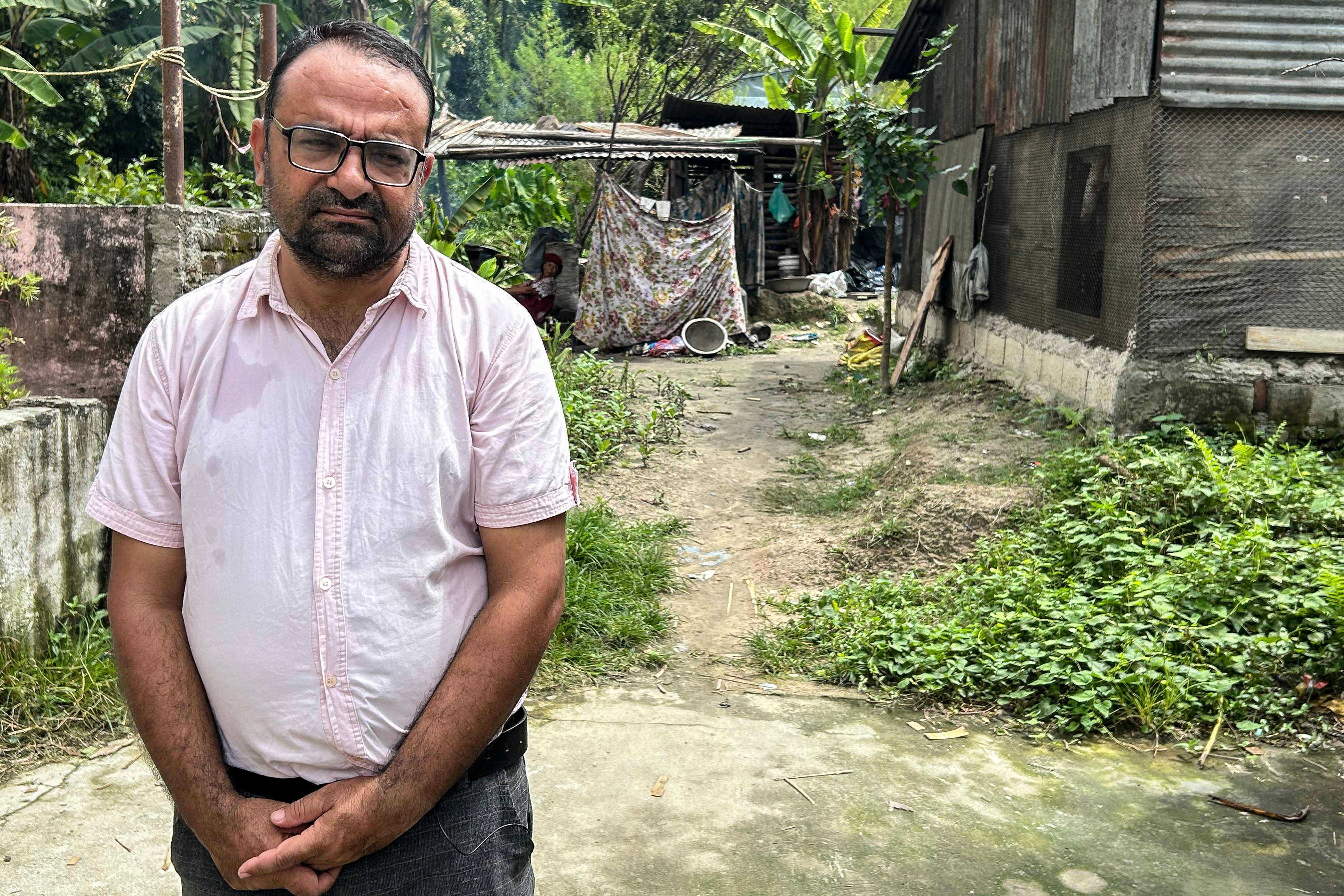
Sheltering with relatives or in temporary camps, survivors say they cannot rebuild their homes as the landscape was violently transformed. Nepal is calling for US$20m in climate compensation. Photo: AFP
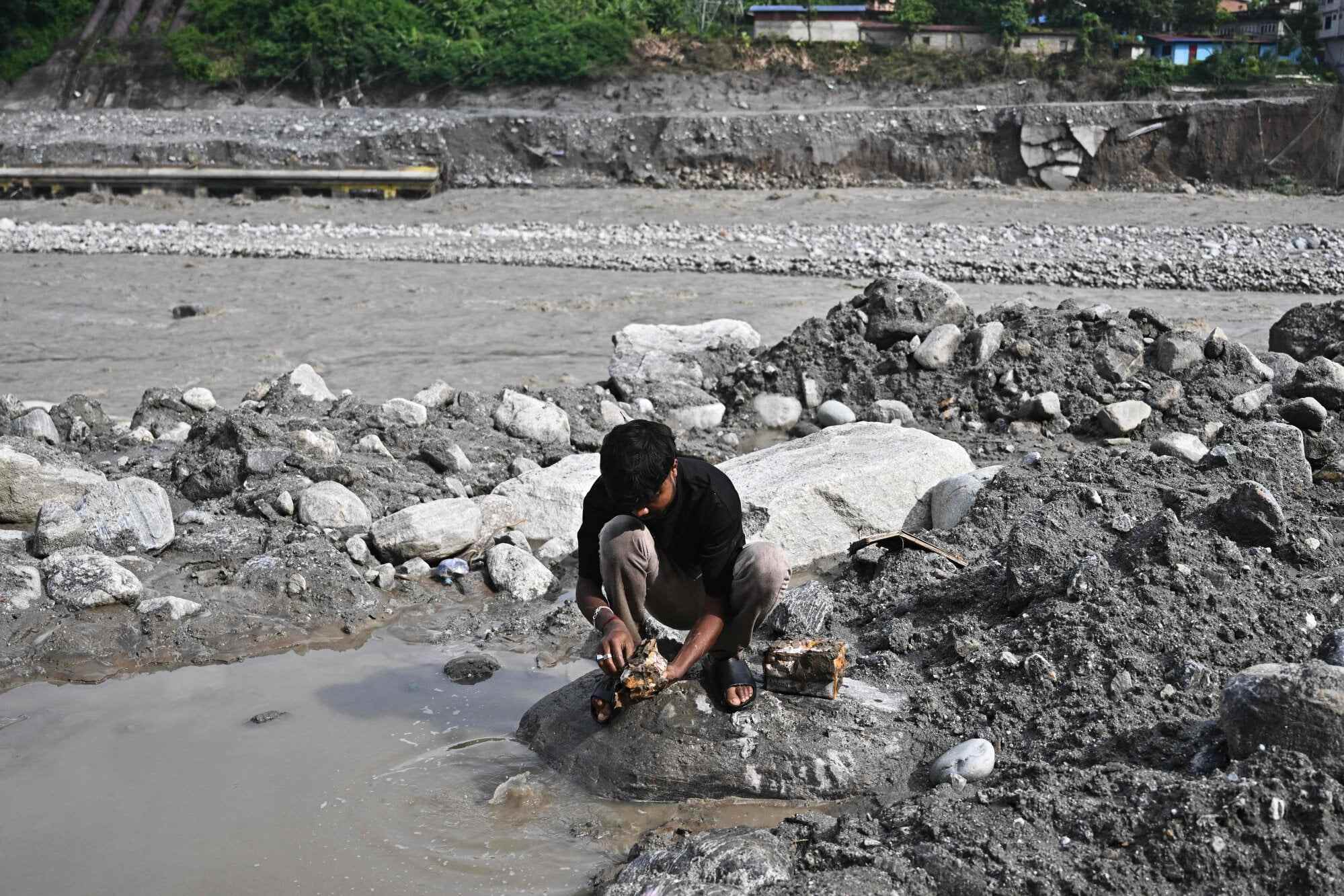
A man tries to recover his belongings in the aftermath at Trishuli in Nepal’s Nuwakot district. Nepal’s foreign minister, Shisir Khanal, has said it was imperative the world’s biggest economies stepped up to help Nepal recover and rebuild. Photo: AFP
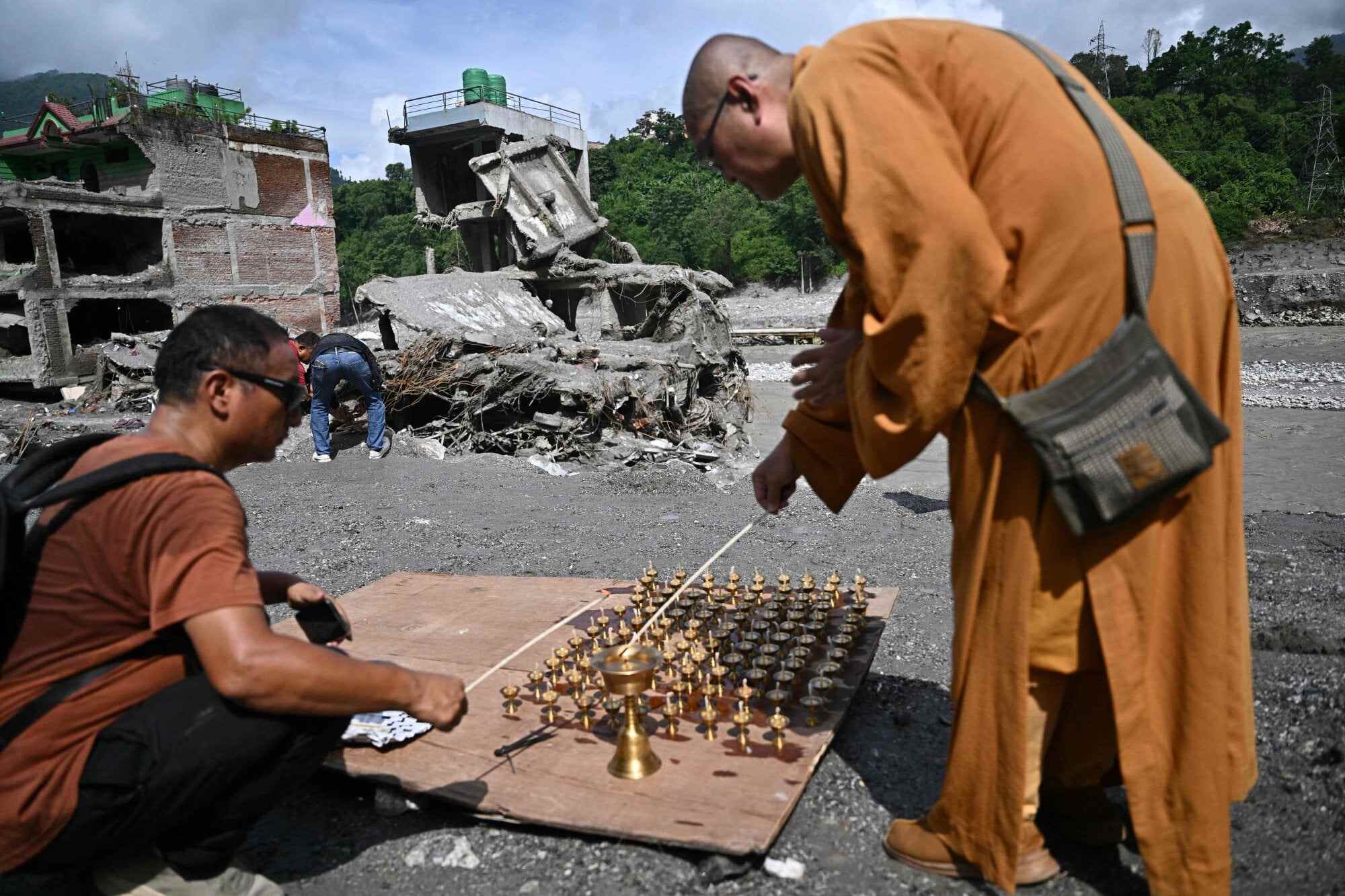
A Buddhist monk lights incense during a prayer ceremony for victims in Trishuli on September 7. Nepal contributes less than 0.1 per cent of global greenhouse gas emissions, while some of its neighbours are among the world’s biggest emitters. Photo: AFP
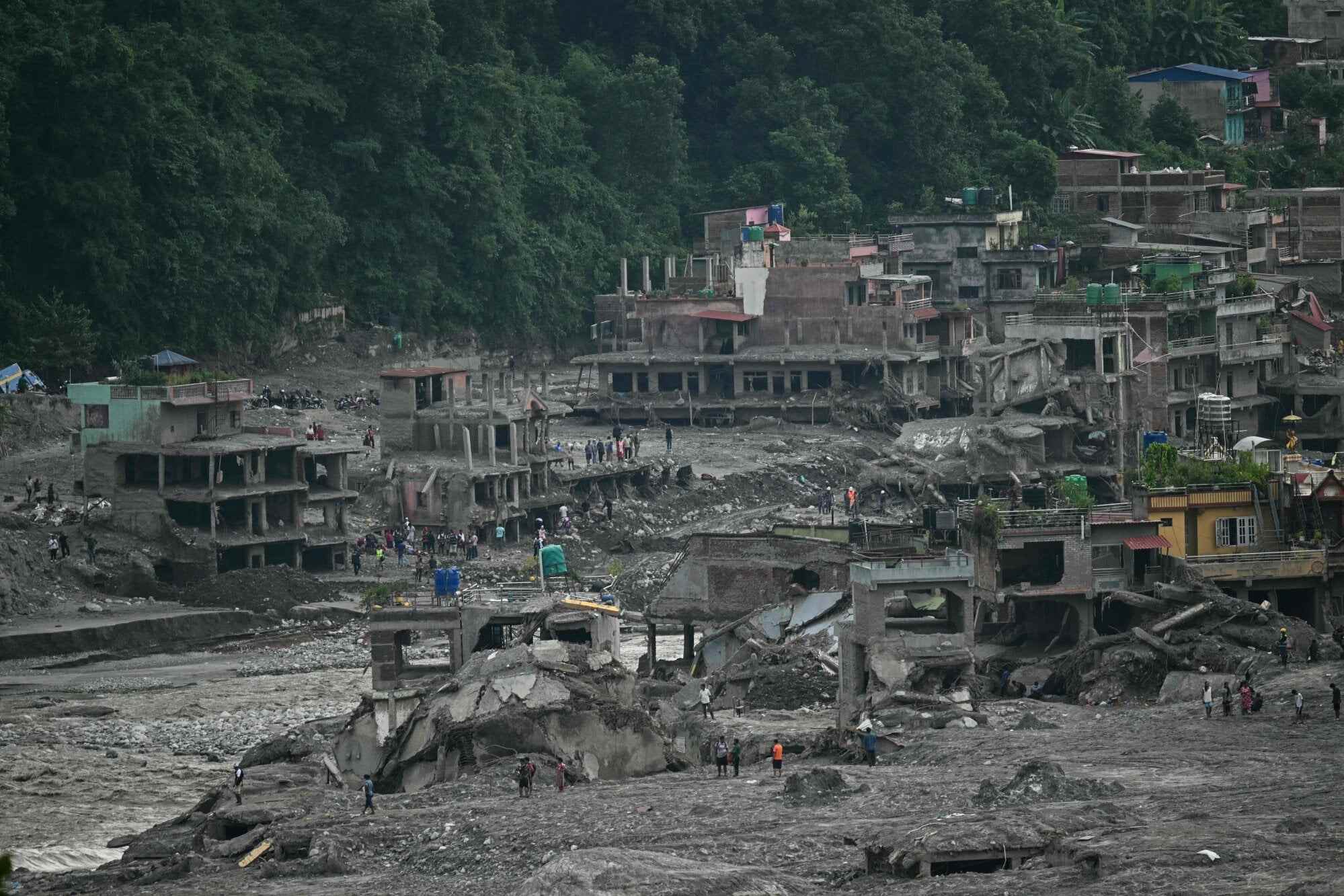
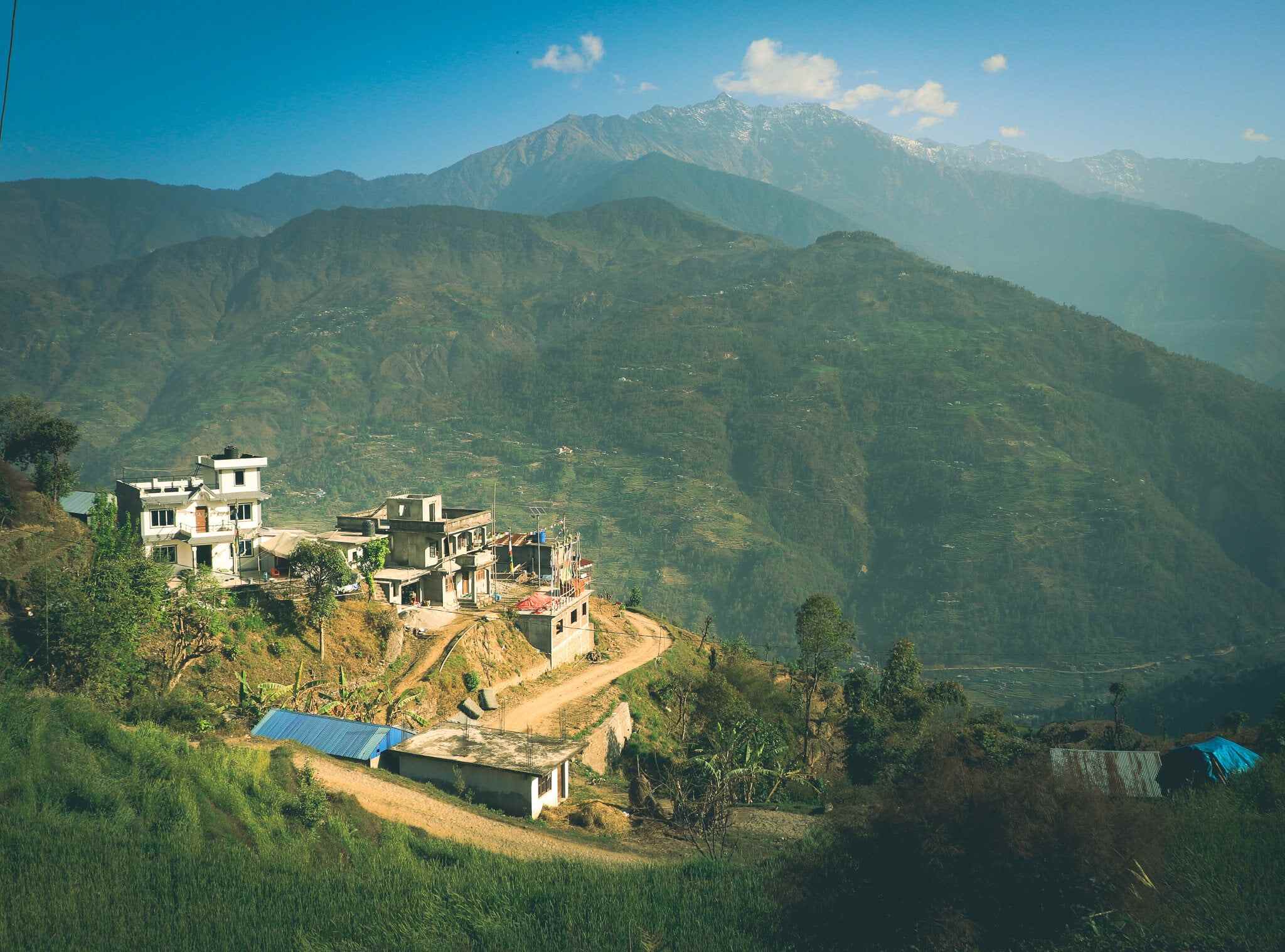
The mountains of the Himalayas – that span across India, China, Nepal and Bhutan – have been warming at nearly 50 per cent faster than the global average rate. In 2023, the UN said Nepal’s mountains had lost close to a third of their ice in just over 30 years due to global warming. Photo: AFP
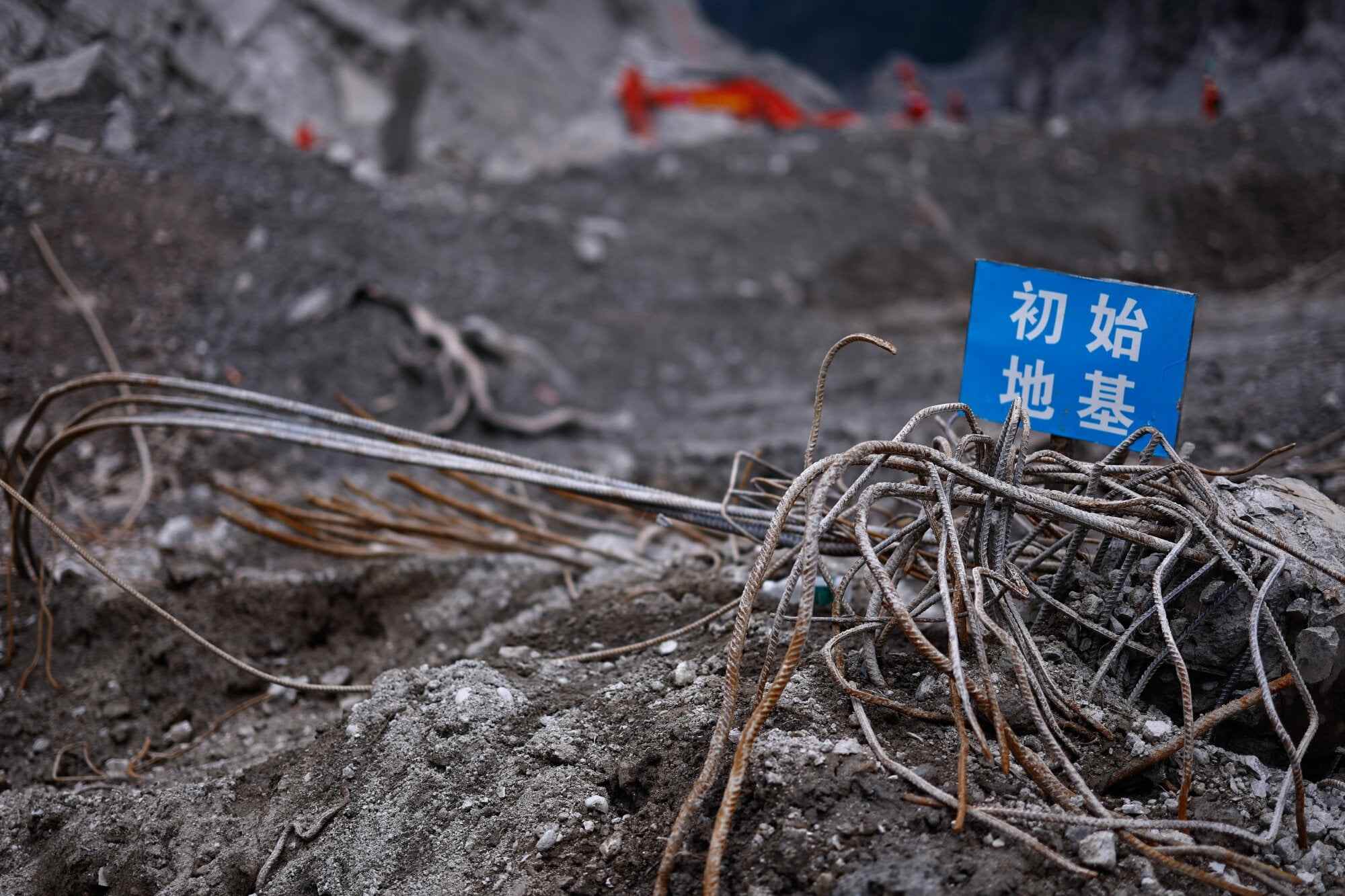
Steel bars are exposed next to a sign reading “initial foundation”, which used to be part of the port buildings at Gyirong Port. Photo: AP