Deep Dive delves into hot issues in Hong Kong and mainland China. Our easy-to-read articles provide context to grasp what’s happening, while our questions help you craft informed responses. Check sample answers at the end of the page.
News: Chinese shoppers embrace second-hand luxury
-
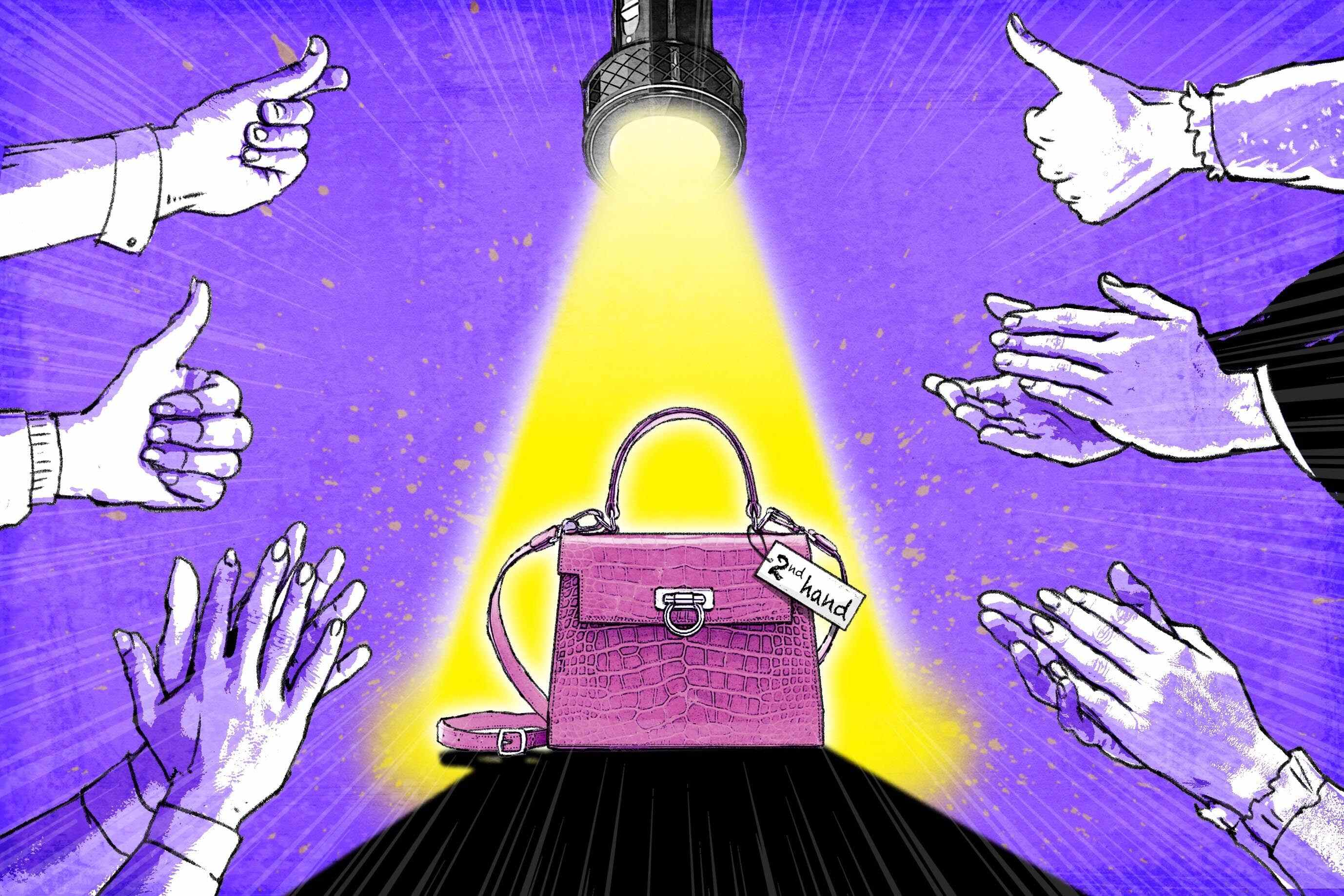
As consumers in China look to save money, some are turning to second-hand luxury items
-
Resale platforms are earning trust and growing in popularity
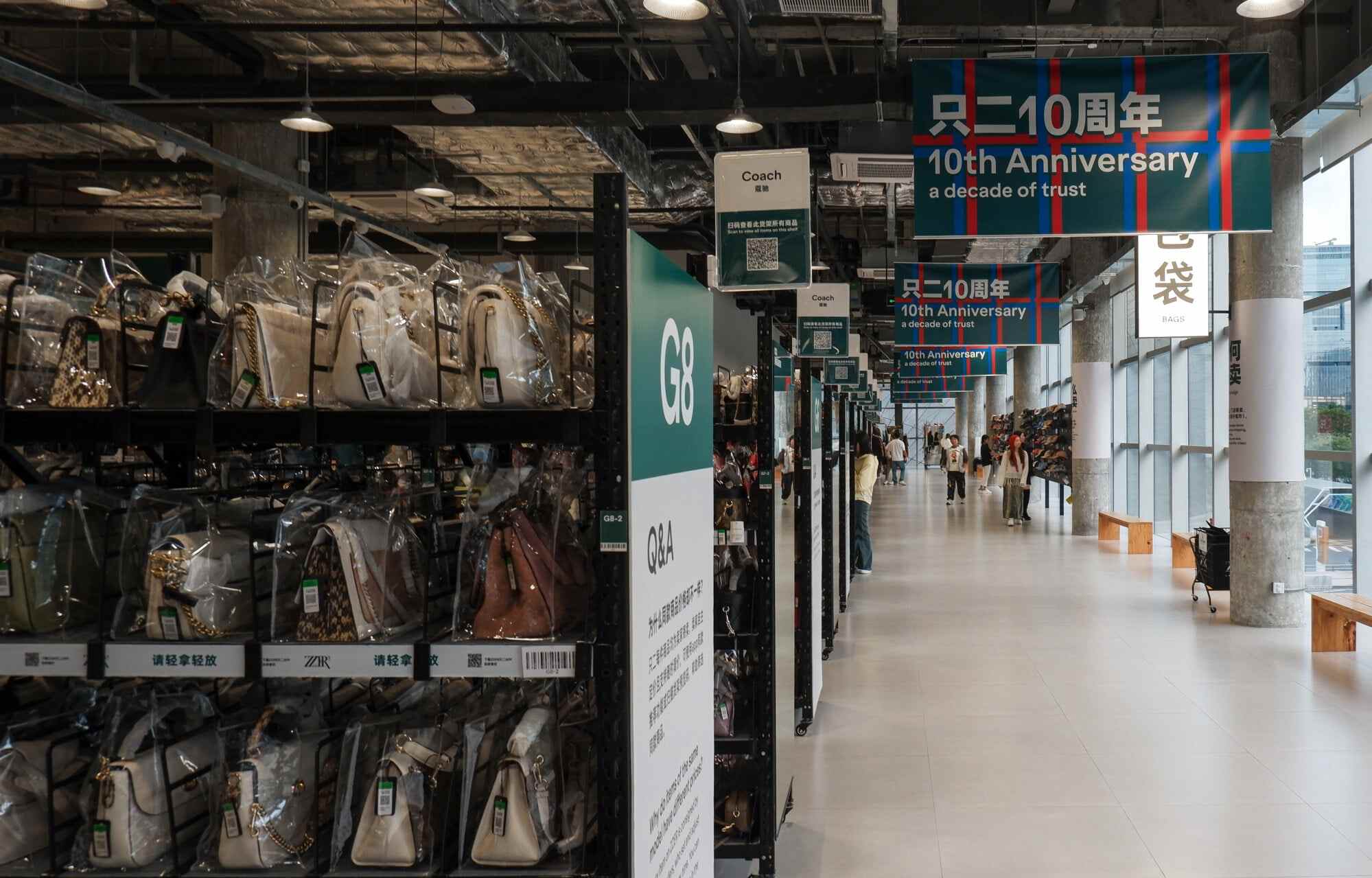
At a shopping centre in Shenzhen, China, one store’s entrance feels more like a security checkpoint than a retail gateway. Customers' bags are checked before they put on white silk gloves and pass through a gate.
Inside, luxury handbags are not displayed under artful lighting. Instead, they are tightly arranged in transparent cases. They are not organised by style but by brand – Chanel, Gucci, Dior and so on – and cost.
It’s like a vault for luxury bags, and your smartphone is the key. QR codes replace price tags and reveal discounts of up to 80 per cent off.
This is ZZER, a second-hand luxury platform transforming how China’s wealthy – and aspirational – shoppers consume high-end goods.
Founded a decade ago as an online platform, ZZER has recently expanded its bricks-and-mortar footprint. The Shenzhen store opened in 2024, following a massive debut in Shanghai in 2022. It also opened stores in Hangzhou and Chengdu. And a Beijing location opened in December, according to information on its app.
The expansion mirrors a broader shift, fuelled by a mature e-commerce infrastructure and backed by a deep inventory reservoir from years of spending. China’s second-hand luxury market is growing rapidly as consumers become increasingly value-conscious.
ZZER’s competitors are following suit. Hongbulin was founded in 2017 and acquired by resale giant Zhuanzhuan in 2024. It made its offline debut at a Beijing store last year.
“We are seeing very active transactions in the second-hand luxury sector,” Zhuanzhuan said. “The growing momentum of offline retail is feeding back into online channels.”
The stakes are high. China’s second-hand luxury market was projected to hit US$30 billion (HK$234.15 billion) in 2025, up from US$8 billion (HK$62.43 billion) in 2020.
In contrast, China’s primary luxury sector is in decline.
According to a November report by US consulting firm Bain & Company, China’s luxury sales were expected to decline by 3 to 5 per cent year on year in 2025. In 2024, there was an estimated drop of 18 to 20 per cent in luxury sales among individual Chinese consumers.
“The turning point came during the pandemic,” said Jacques Roizen. He is the managing director of China consulting at Geneva-based Digital Luxury Group.
Overseas travel halted during Covid-19, he explained. This means consumers turned to domestic e-commerce platforms such as Dewu, which had established credibility by authenticating rare sneakers.
Staff writers
Question prompts
1. Which of the following is false, according to the information in the news?
(1) ZZER started as an online platform before expanding to physical stores.
(2) ZZER’s stores display luxury items under artful lighting to attract customers.
(3) The second-hand luxury market in China is projected to decline by 3 to 5 per cent by 2035.
(4) Many consumers shifted to domestic e-commerce platforms during the pandemic.
A. (1), (2) only
B. (1), (4) only
C. (2), (3) only
D. (2), (4) only
2. What role has technology played in the expansion of second-hand luxury retailers?
3. Why has China seen a rise in second-hand luxury platforms alongside a decline in primary luxury sales?
Photo
Question prompts
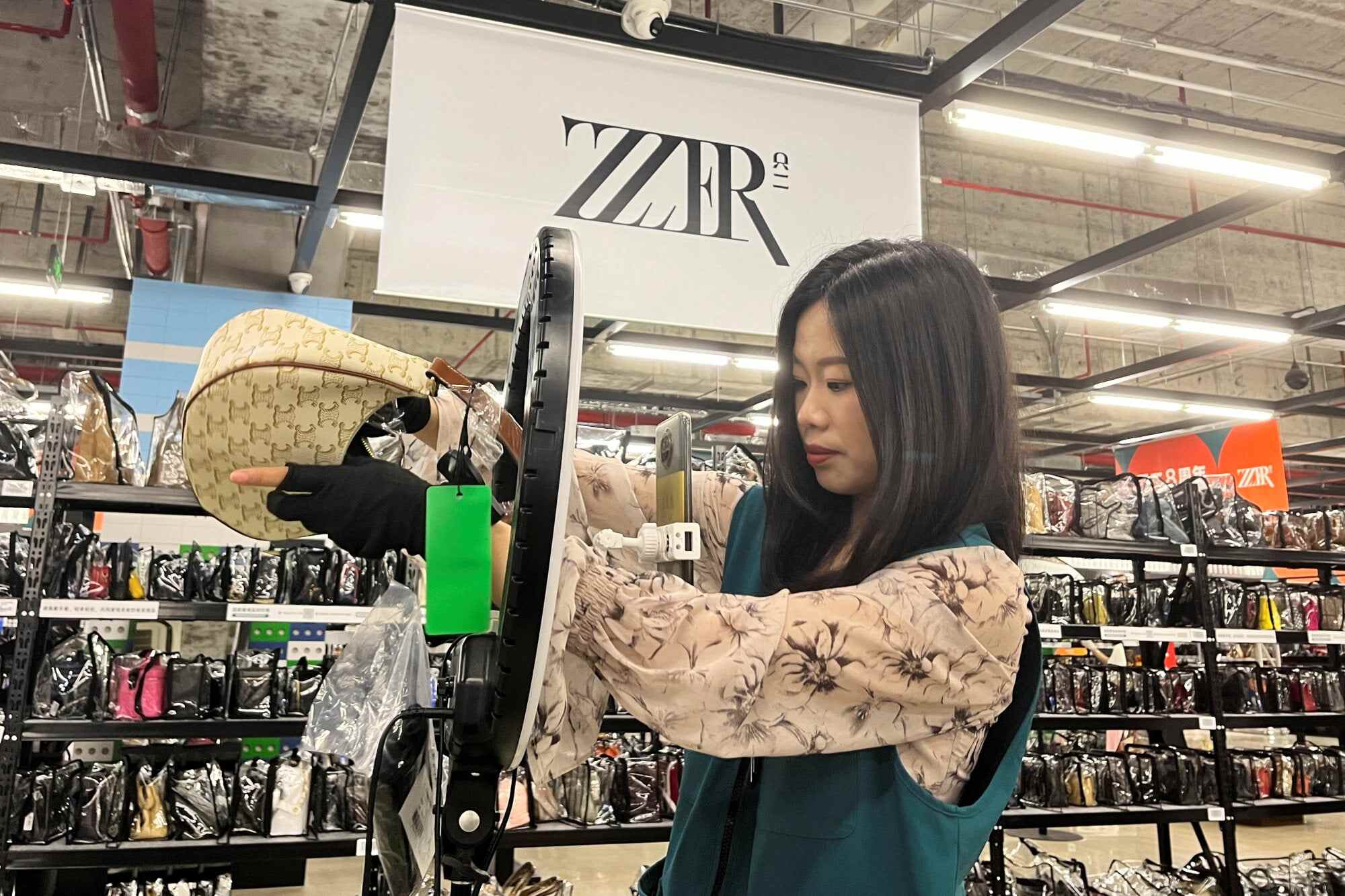
1. Using the news, explain what this shop sells.
2. Based on your understanding of the news, why might ZZER want to promote its goods through a live stream?
Glossary
-
bricks-and-mortar footprint: the number, size and locations of a company’s physical stores, offices or other operational buildings
-
deep inventory reservoir: refers to having a large amount of certain goods
-
momentum: an increase, speed or development
-
credibility: the quality someone or something has that makes people believe or trust them
Sample answers
News
-
C
-
Technology has played a crucial role in the expansion of second-hand luxury retailers, as they leverage smartphones and e-commerce infrastructure to enhance the shopping experience. For instance, ZZER uses QR codes instead of traditional price tags, allowing customers to access up-to-date information on discounts directly on their smartphones. This tech-savvy approach not only simplifies transactions but also engages a digitally literate consumer base that values convenience and transparency. (accept all similar answers)
-
Consumers in China have shifted their focus from new luxury purchases to pre-owned goods. The primary luxury sector is experiencing a decline as shoppers, particularly wealthy and aspirational consumers, increasingly turn to second-hand options that offer significant discounts. Since people in China have been making primary luxury purchases for many years, there is a significant supply of these items available for resale in the second-hand market. (accept all similar answers)
Photo
-
This shop is called ZZER. Based on the news, it sells second-hand luxury handbags.
-
ZZER got its start as an online retailer before expanding into bricks-and-mortar shops. Many of its customers are shopping online, so seeing someone show the bags in a live stream might help them confirm their purchase. (accept all similar answers)