Deep Dive delves into hot issues in Hong Kong and mainland China. Our easy-to-read articles provide context to grasp what’s happening, while our questions help you craft informed responses. Check sample answers at the end of the page.
News: New section of Hong Kong’s Central Kowloon Bypass cuts travel time by 80%
-
Transport corridor links West and East Kowloon, slashing travel time to just five minutes
-
Toll waiver will remain until the entire route is finished
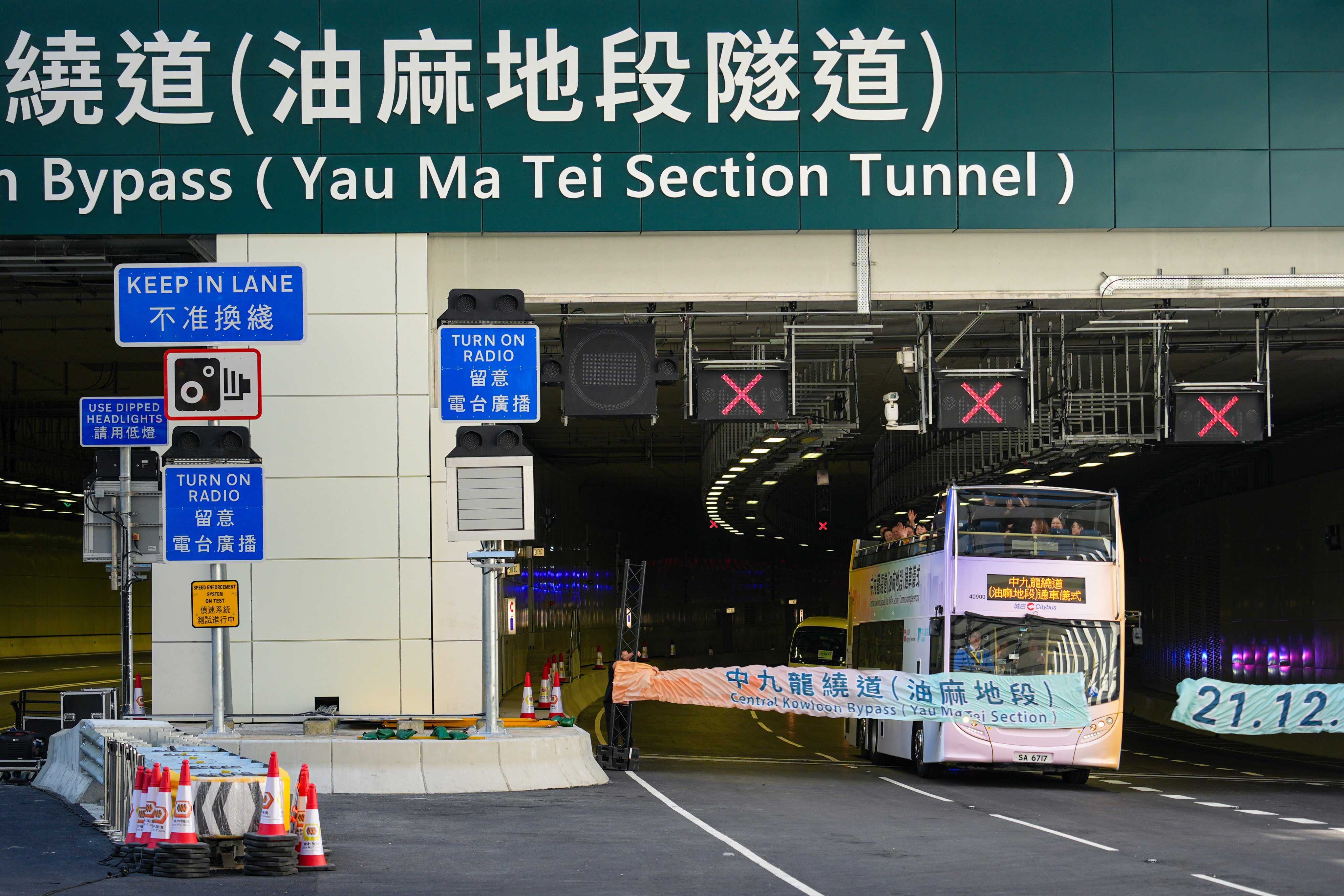
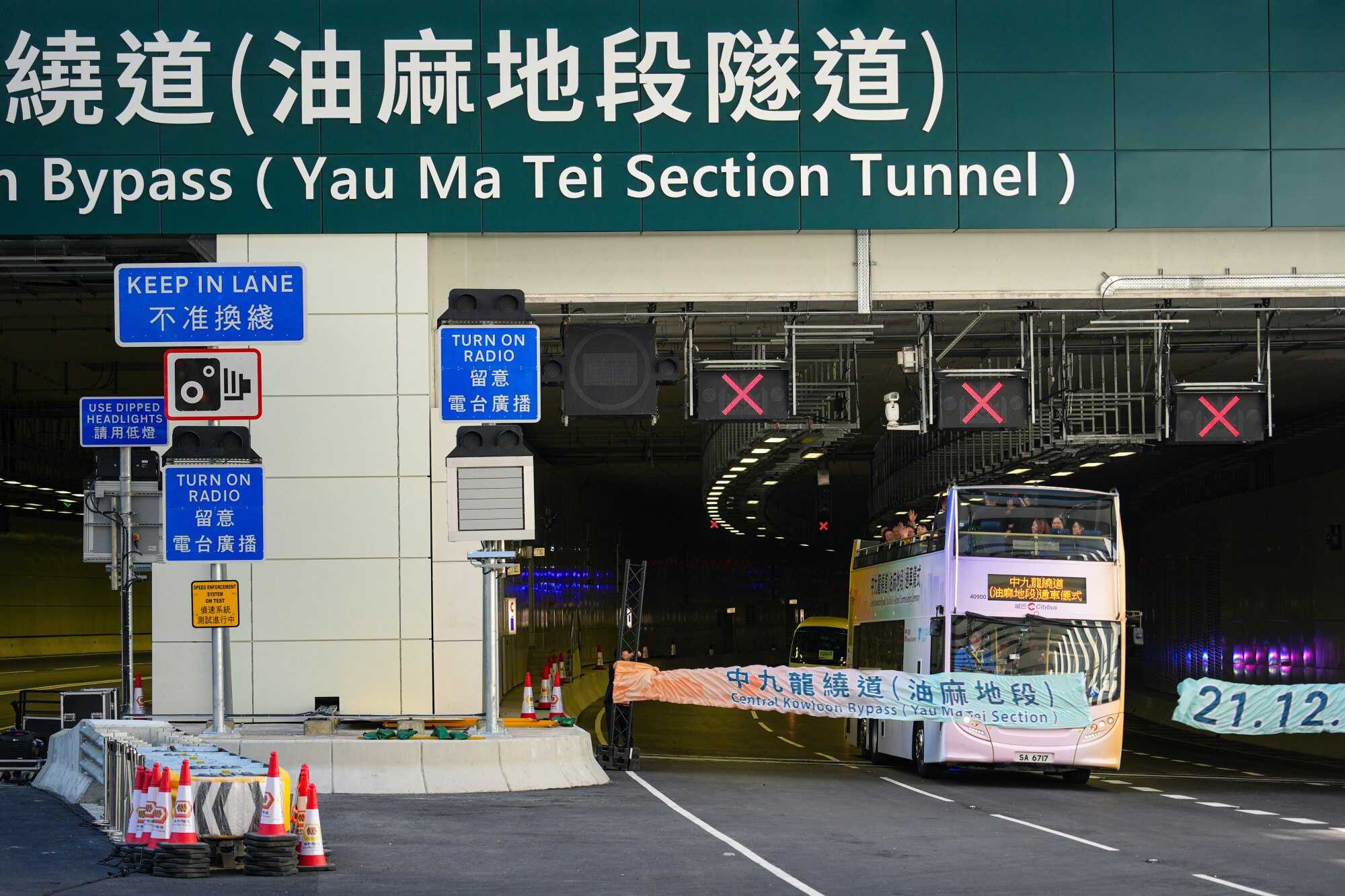
The long-awaited Yau Ma Tei section of Hong Kong’s Central Kowloon Bypass opened last month. The new 4.7km transport corridor cuts peak-hour travel time between West and East Kowloon from 30 minutes to just five. It includes a 3.9km, three-lane, two-way tunnel linking the Kai Tak Development Area and Kowloon Bay with Yau Ma Tei.
Among the first drivers eager to test the route was engineer Edwin Chan Yat-man, 36, who travelled from his home in Kwun Tong to Mong Kok. He praised the faster access.
“While it initially required some patience due to the volume of cars at the entrance, the ride was pretty smooth,” he said.
“Taking Prince Edward Road West or Argyle Street is usually much slower because I need to navigate the traffic, but now I can reach my destination in about six minutes through the tunnel.”
Tsui Kwun-cheung, 32, a garment businessman from Tseung Kwan O, drove to Lai Chi Kok. He said he planned to use the link for his daily commute after his initial test run.
“Traffic was smooth driving from home to the Kai Tak entrance. From there, it only took a few minutes to arrive in Yau Ma Tei,” Tsui said. “I love the fact that I no longer need to drive through the congested and bumpy Lung Cheung Road. But I will try again after a week because you don’t know what the situation will be on the first working day.”
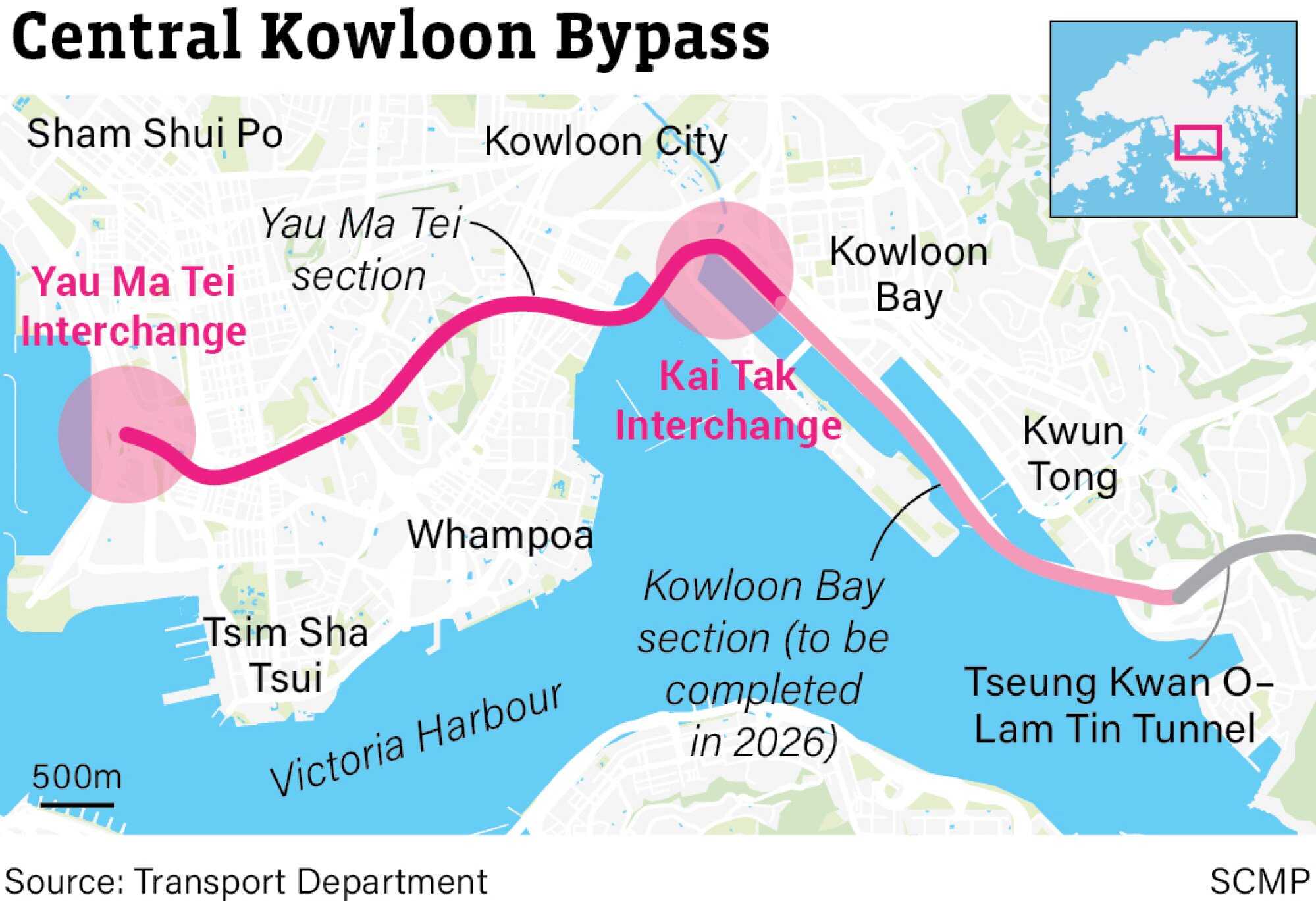
The western portal of the bypass connects directly to the Yau Ma Tei Interchange. It provides access to the Western District, Kwai Chung, Lantau, Cheung Sha Wan and Yau Ma Tei.
Its eastern portal links to the Kai Tak Interchange and the Kowloon Bay road network.
The Yau Ma Tei section forms a core component of Route 6, which will eventually connect with the Kowloon Bay section of the bypass. It is scheduled to open this year and will link to the Tseung Kwan O-Lam Tin Tunnel.
When completed, the travel time between Tseung Kwan O and Yau Ma Tei is expected to be reduced from the current 65 minutes to about 12 minutes.
The Yau Ma Tei section is currently free of charge. The toll waiver will remain in place until the entire route, including the Kowloon Bay section, is commissioned this year, when a standard charge of HK$8 will apply.
Staff writers
Question prompts
1. Which of the following is false, according to the information in the news?
(1) The new 3.9km transport corridor cuts travel time between West and East Kowloon to about 12 minutes.
(2) The entire Central Kowloon Bypass will remain free of charge this year.
(3) Edwin Chan Yat-man used the Central Kowloon Bypass to travel from Kwun Tong to Mong Kok.
(4) Tsui Kwun-cheung used the Yau Ma Tei section to travel from Tseung Kwan O to Lai Chi Kok.
A. (1), (2) only
B. (1), (4) only
C. (2), (3) only
D. (2), (4) only
2. How does Tsui describe Lung Cheung Road, and how does it relate to the news?
3. According to the news, what has been the reaction to the new Yau Ma Tei section of Hong Kong’s Central Kowloon Bypass?
Map
Question prompts
1. According to the map, which areas does the Yau Ma Tei section of the bypass connect? What will the Central Kowloon Bypass connect once completed?
2. Will the Central Kowloon Bypass benefit the city? Explain your opinion using the map, news, glossary and your own knowledge.
Glossary
Kai Tak Development Area: a government urban renewal project transforming Hong Kong’s former airport site into a hub for tourism and business. It is the location of the Kai Tak Sports Park and the Hong Kong Children’s Hospital.
Route 6: a partially opened route in Hong Kong, set to be completed in 2026, meant to relieve traffic in Kowloon. It connects Tseung Kwan O and Lam Tin via the new Cross Bay Link and Tseung Kwan O–Lam Tin Tunnel and includes the Yau Ma Tei Section of the Central Kowloon Bypass.
Sample answers
News
-
A
-
Tsui Kwun-cheung said Lung Cheung Road was congested and bumpy and that he loved no longer having to drive through it. He added that he plans to use the new Yau Ma Tei section of Hong Kong’s Central Kowloon Bypass instead for his daily commute. This relates to the news, as it shows Hong Kong residents have been in need of options for travelling between West and East Kowloon and wanted a smooth, quicker route.
-
The general reception to the Yau Ma Tei section has been positive. Engineer Edwin Chan Yat-man praised the faster access. Previously, he had to navigate traffic on the slower Prince Edward Road West or Argyle Street, but can now reach his destination in about six minutes through the smooth tunnel. Tsui Kwun-cheung planned to use the link for his daily commute from his home in Tseung Kwan O. He felt the traffic was also smooth, a big difference from the route he used to take, the congested and bumpy Lung Cheung Road. However, both drivers did express some concerns. Chan said the volume of cars at the section’s entrance required some patience from him. Tsui said the first working day was not necessarily representative of the route at all times and that he would try the link again. (accept all reasonable answers)
Map
-
The Yau Ma Tei section of the Central Kowloon Bypass connects Yau Ma Tei Interchange with Kai Tak Interchange, linking the Kai Tak Development Area and Kowloon Bay with Yau Ma Tei. The entire bypass will also connect to the Tseung Kwan O-Lam Tin Tunnel, linking the Kwun Tong and Tseung Kwan O areas.
-
The Central Kowloon Bypass will benefit Hong Kong by giving private vehicles and public buses more options to travel between West and East Kowloon. This will significantly reduce the congestion problem in Kowloon, cutting the time between Yau Ma Tei and Kowloon Bay from 30 minutes to just five. It also serves as an alternative route to the existing Tseung Kwan O Tunnel, connecting people living in areas such as Tseung Kwan O and Lohas Park to the rest of Hong Kong. Finally, it provides better access to the Kai Tak Development area, which includes the Kai Tak Sports Park, Hong Kong Children’s Hospital and Airside, as well as planned private residential housing estates and government projects. (accept all reasonable answers)