Deep Dive delves into hot issues in Hong Kong and mainland China. Our easy-to-read articles provide context to grasp what’s happening, while our questions help you craft informed responses. Check sample answers at the end of the page.
News: Super Typhoon Ragasa brings Hong Kong to a standstill
-
Significant flooding affected low-lying regions in the city, including Tseung Kwan O
-
Experts call for better flood-proof solutions to minimise the impact of future typhoons
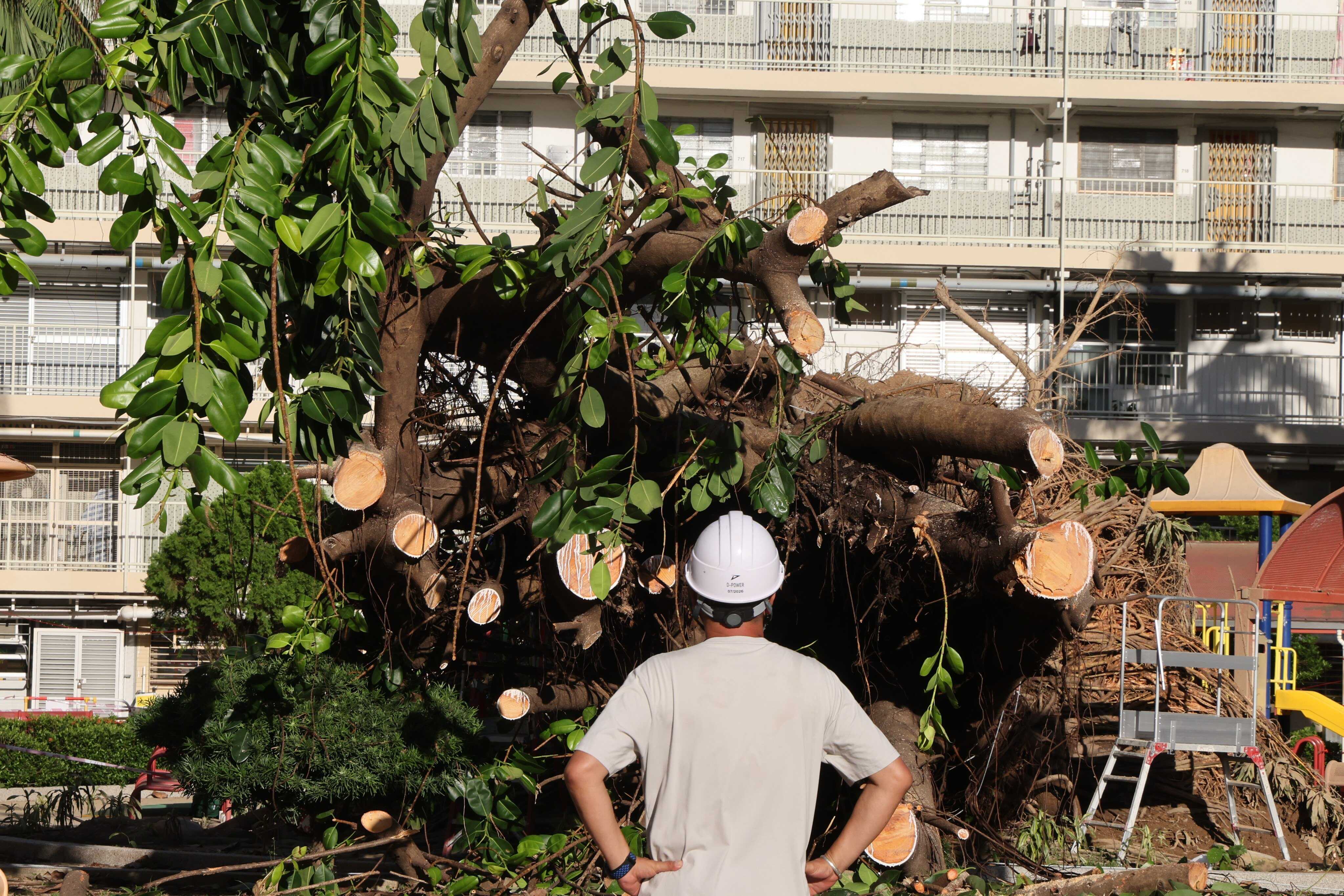
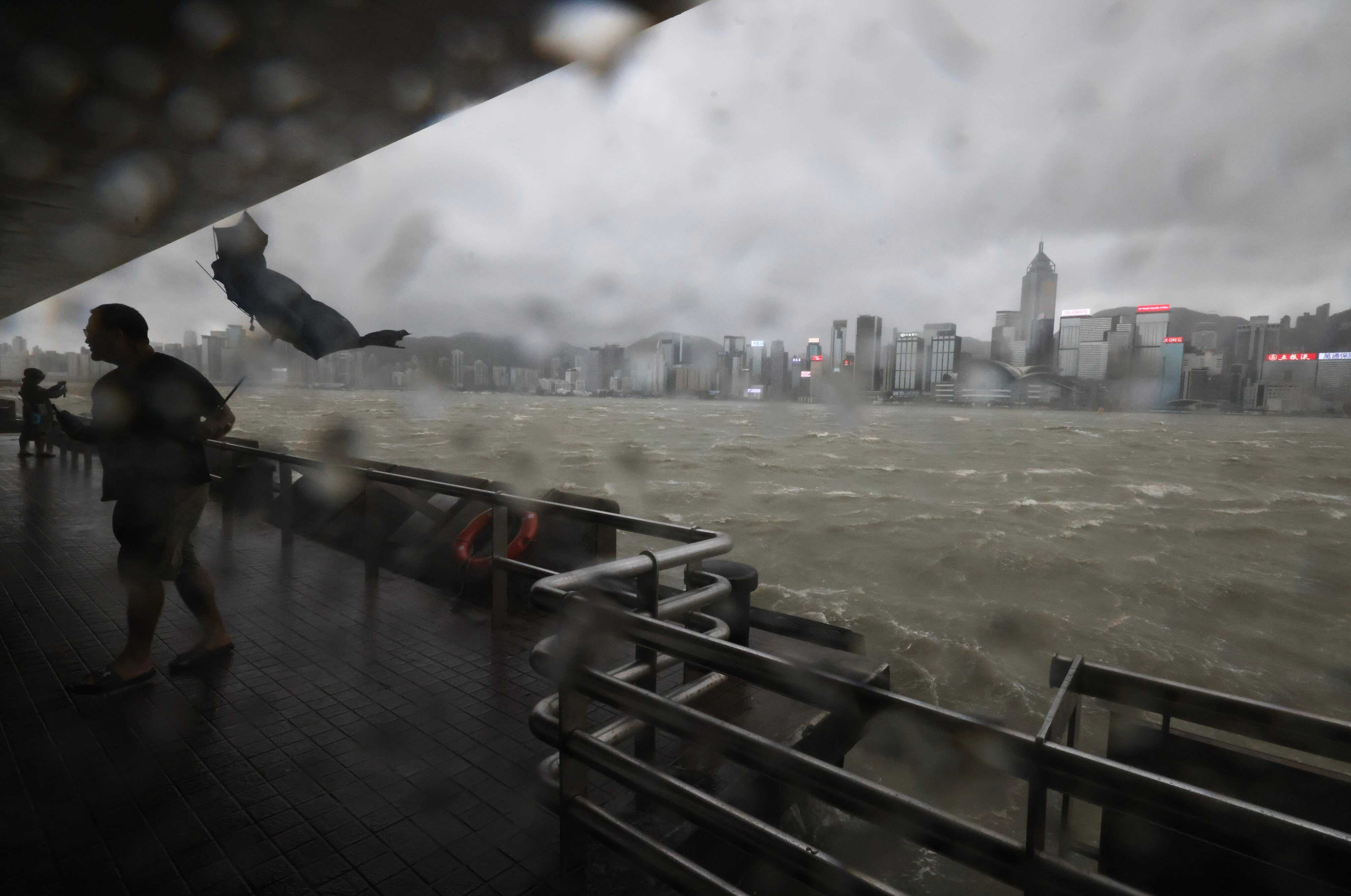
On September 24, people in Hong Kong woke up to the damage caused by Super Typhoon Ragasa, which triggered a No 10 signal for almost 11 hours.
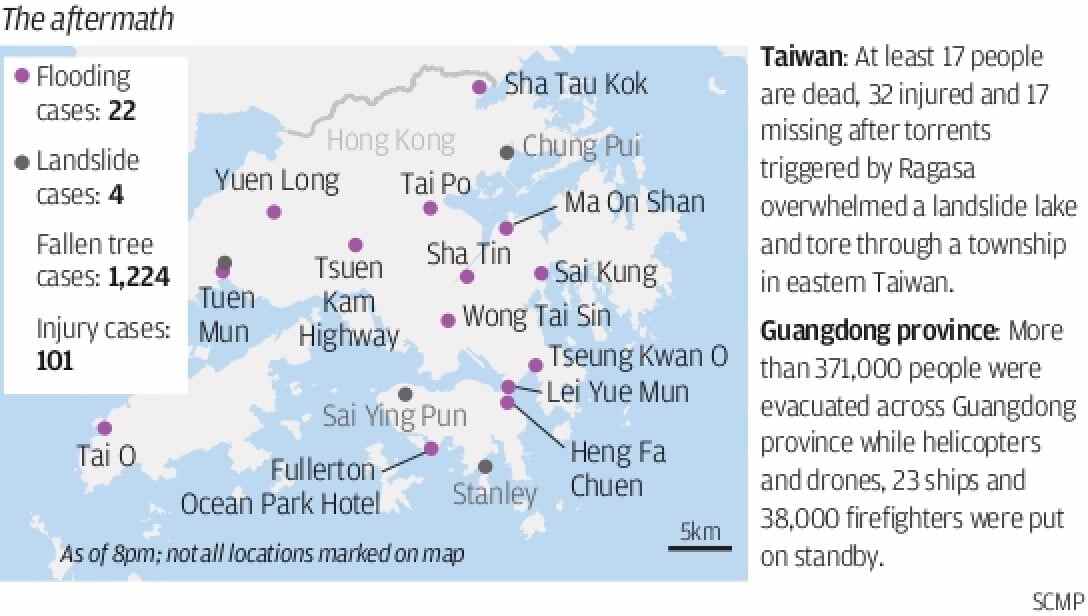
According to the Hospital Authority, 101 people got hurt and needed help at hospitals. There were also reports of 1,224 fallen trees and 22 cases of flooding.
Coastal and low-lying areas in the city were badly affected by the typhoon. It caused problems with work and transportation, while school classes were cancelled for almost three days.
The Hong Kong Observatory reported that water levels in some places went up to 12.5 feet or more above chart datum, a standard level used to check tide heights.
In Tseung Kwan O, strong winds blew away flood barriers in front of three restaurants by the sea. Plates, glasses, chairs, tables and cushions from the restaurants ended up in a big pile of junk.
In the nearby promenade, parts of metal railings were ripped out and bent, blocking sidewalks and bike paths. Large pieces of stone came off concrete walls and bricks.
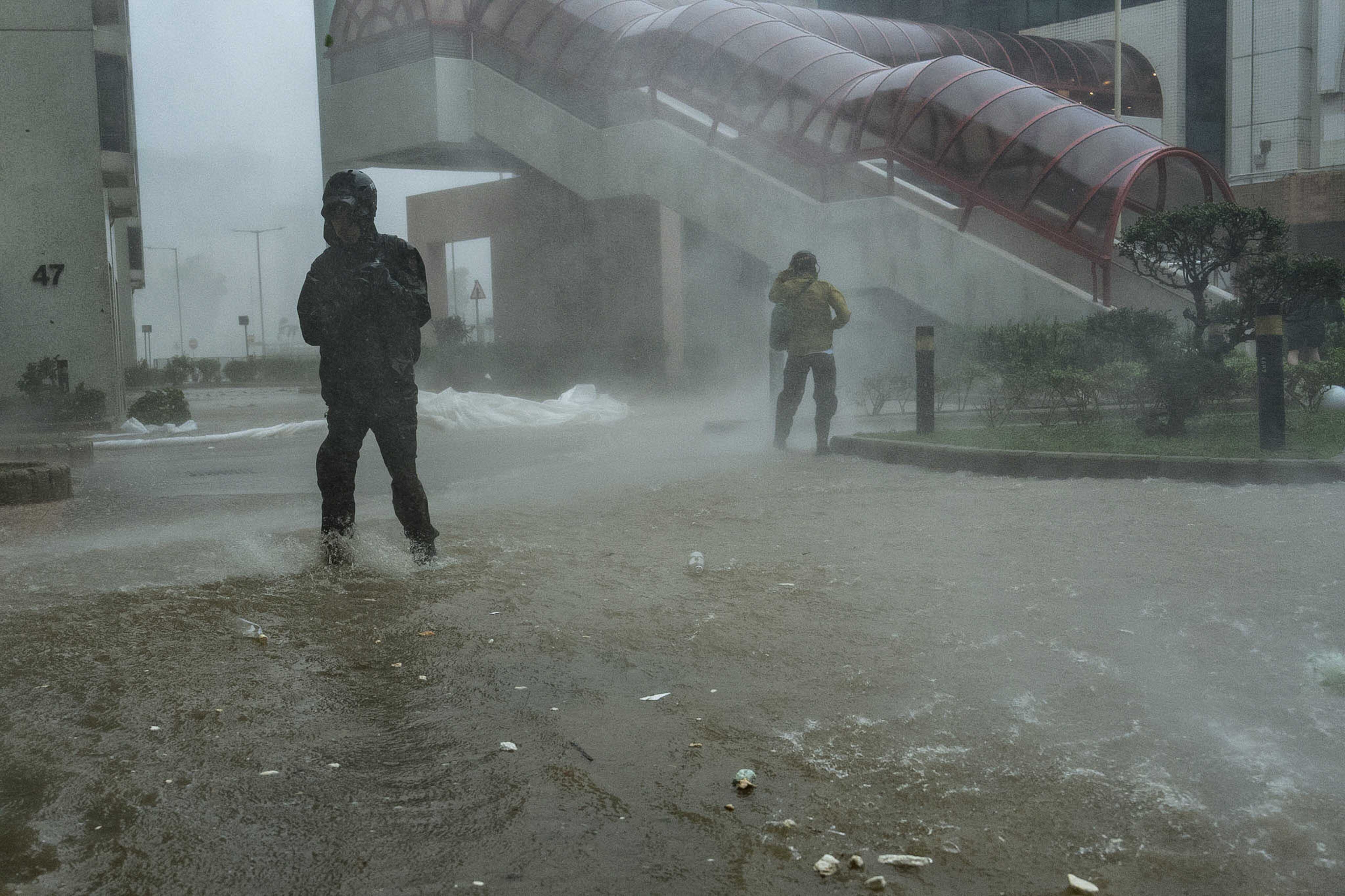
Lei Yue Mun experienced flooding due to waves hitting low-lying areas, including the promenade and streets. Because of this, the Drainage Services Department sent in a strong pumping robot to help remove the floodwater.
Sandbags did not keep the water from flooding the shopping streets of Tai O on Lantau Island. The water went up to people’s knees.
Professor Benjamin Horton is the dean of the school of energy and environment at City University. According to Horton, Hong Kong is facing more frequent and stronger super typhoons. This could lead to serious damage, especially when a storm surge happens during high tides.
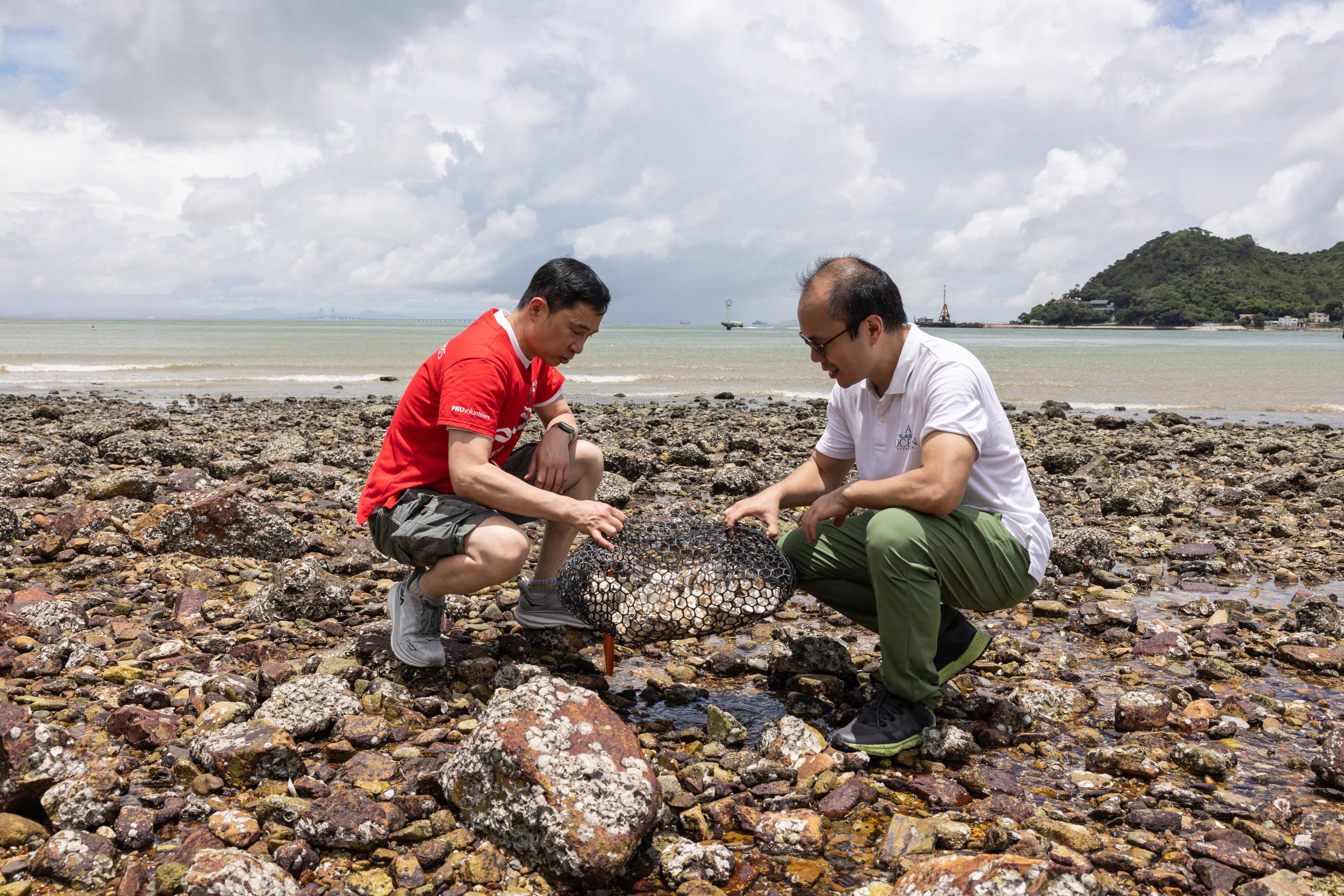
Horton said things would get worse because of rising sea levels. He urged the government not to be careless and to use natural ways to adapt, like planting mangroves and building oyster reefs along the shore to act as natural barriers.
Tony Za Wai-gin, a former chairman of the building group at the Hong Kong Institution of Engineers, stated that the breakwaters in low-lying areas should be taller to provide better protection.
“Low-lying areas may not have tall enough breakwaters to cope with more extreme weather,” he said.
Secretary for Development Bernadette Linn Hon-ho had earlier promised to look at coastal facilities. She said that flood prevention measures would be taken in high-risk areas like Tseung Kwan O and Aberdeen.
Authorities had started building an extra one-metre-tall flood wall at the planter of the promenade’s cycling path, aiming to complete it next year.
Earlier studies identified the location as one of the 30 spots that required enhancement.
Staff writers
Question prompts
1. Which of the following statements about Super Typhoon Ragasa are true?
(1) Pumping robots were seen in Lei Yue Mun to clear floodwaters.
(2) Some parts of Tseung Kwan O promenade were flooded.
(3) Water reached knee height in the fishing village of Tai O.
(4) Only Hong Kong was affected by Ragasa.
A. (1), (2) only
B. (1), (2), (3) only
C. (1), (2), (4) only
D. all of the above
2. Using the news, list TWO ways Super Typhoon Ragasa impacted Tseung Kwan O.
3. Do you think there will be more typhoons like Ragasa in the future? Why? Explain using the news and your own knowledge.
Infographic
Question prompts
1. According to the infographic, what is a trait shared by many of the places affected by flooding?
2. What more can Hong Kong do to prevent flooding in these areas? Explain using the news, glossary and your own knowledge.
Glossary
-
Super Typhoon Ragasa: a powerful storm that hit the Philippines, Taiwan, Hong Kong, Macau, southern China and Vietnam in late September 2025. At the time, it was the most intense tropical cyclone recorded for the year.
-
No 10 warning: Hong Kong’s highest typhoon warning signal. Raising this signal means that hurricane force winds of 118 km/h or more are expected or already blowing when the signal is issued.
-
flood barriers: Structures, often temporary or movable, designed and deployed to prevent or reduce the flow of water into an area. They can include walls, gates, or inflatable systems.
-
breakwaters: permanent, artificial offshore or coastal structures built to protect a harbor, anchorage, or shore from the full force of waves and tides by breaking their impact
Sample answers
News:
-
B
-
In Tseung Kwan O, flood barriers in front of three harbourfront restaurants were blown away. On the Tseung Kwan O promenade, the typhoon blew off and twisted sections of metal railings welded into the ground.
-
Yes, there will be more intense typhoons due to climate change. According to Professor Benjamin Horton, these super typhoons could cause severe damage.
Infographic:
-
Most of the places that experienced flooding are near the water.
-
To minimise the impact of typhoons, the government should build natural barriers by planting mangroves and building oyster reefs along the shores. Authorities should also build taller breakwaters, especially for low-lying areas. This way, artificial and natural barriers can work in tandem to protect these higher-risk areas.