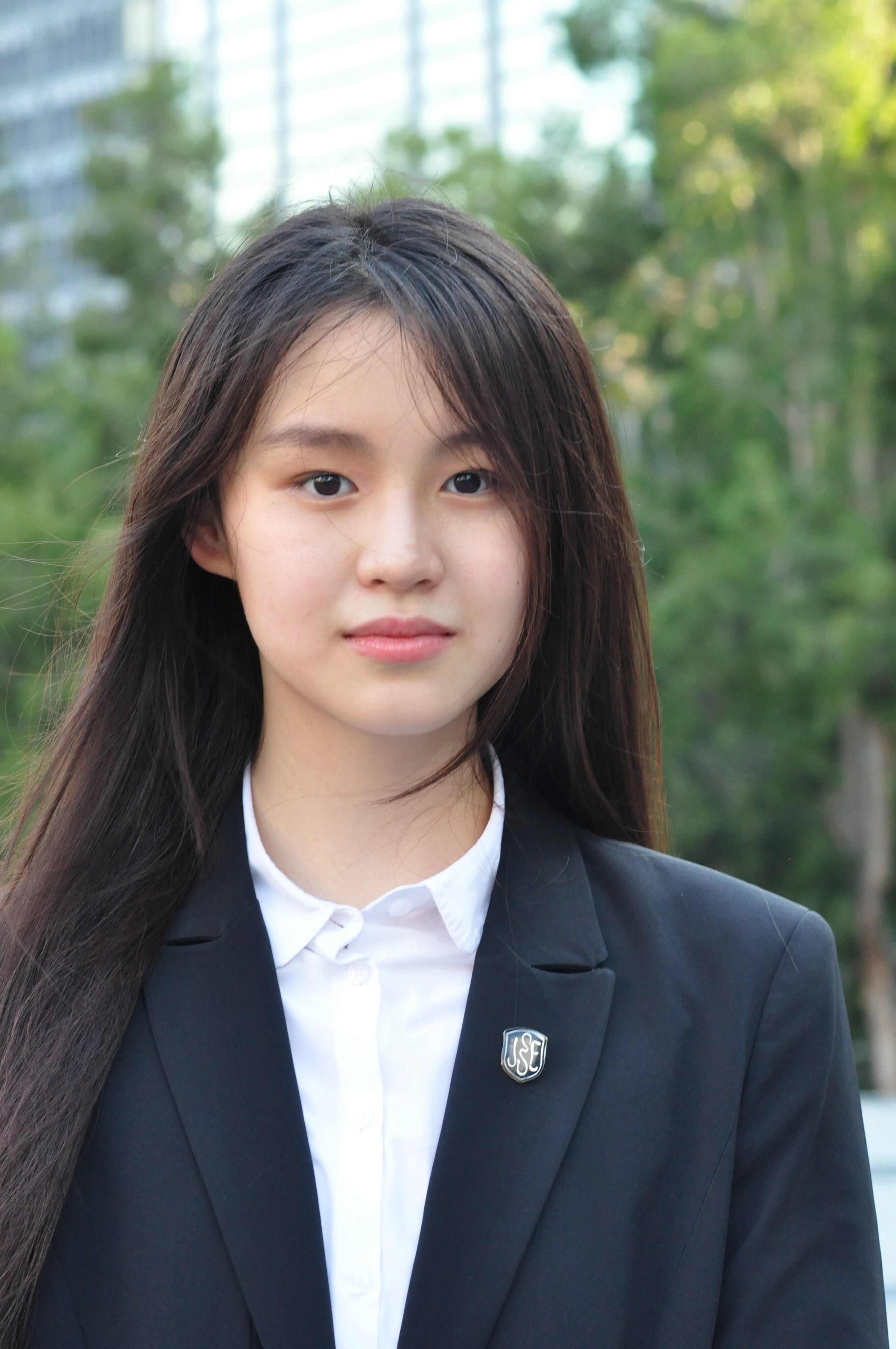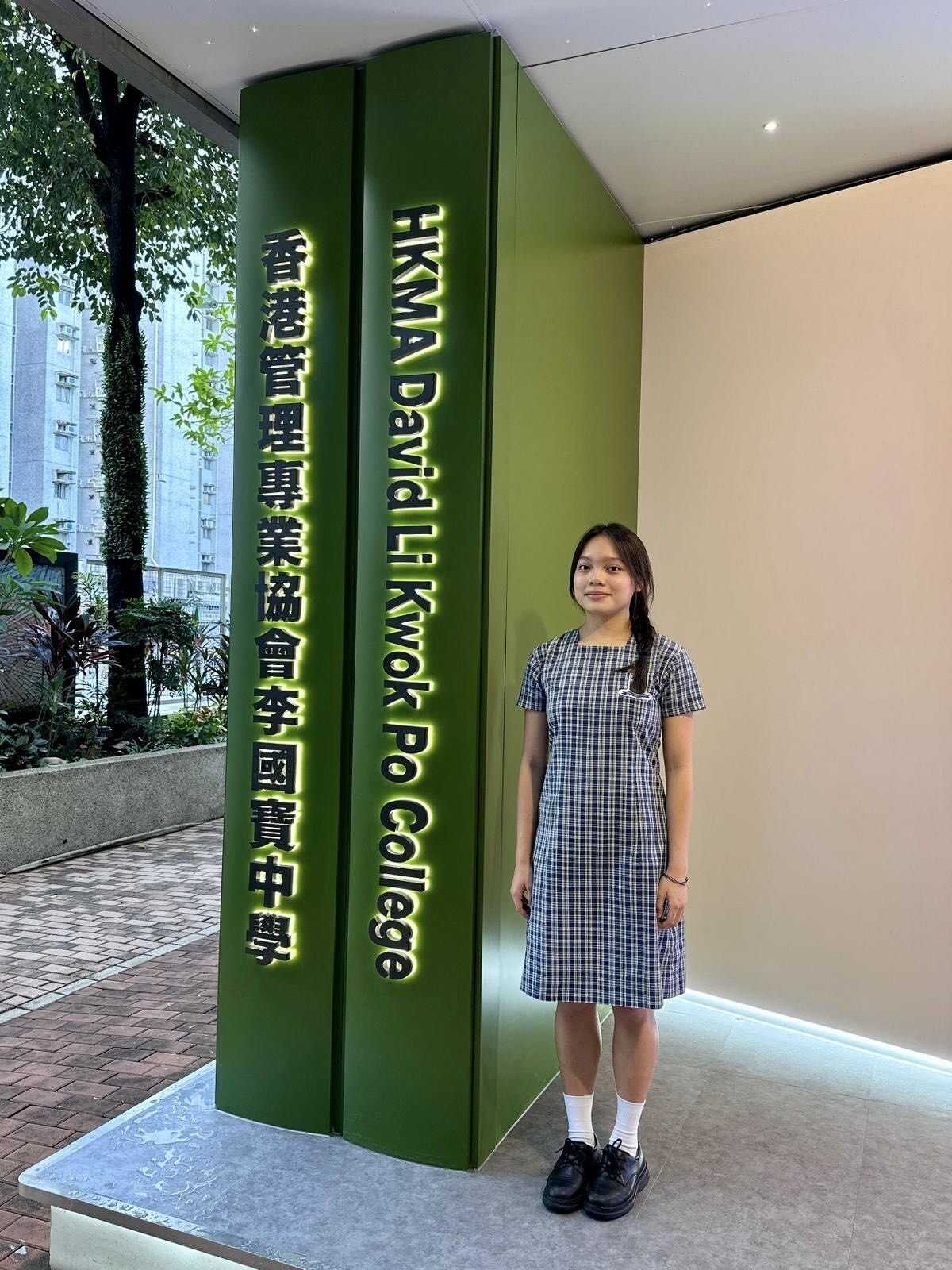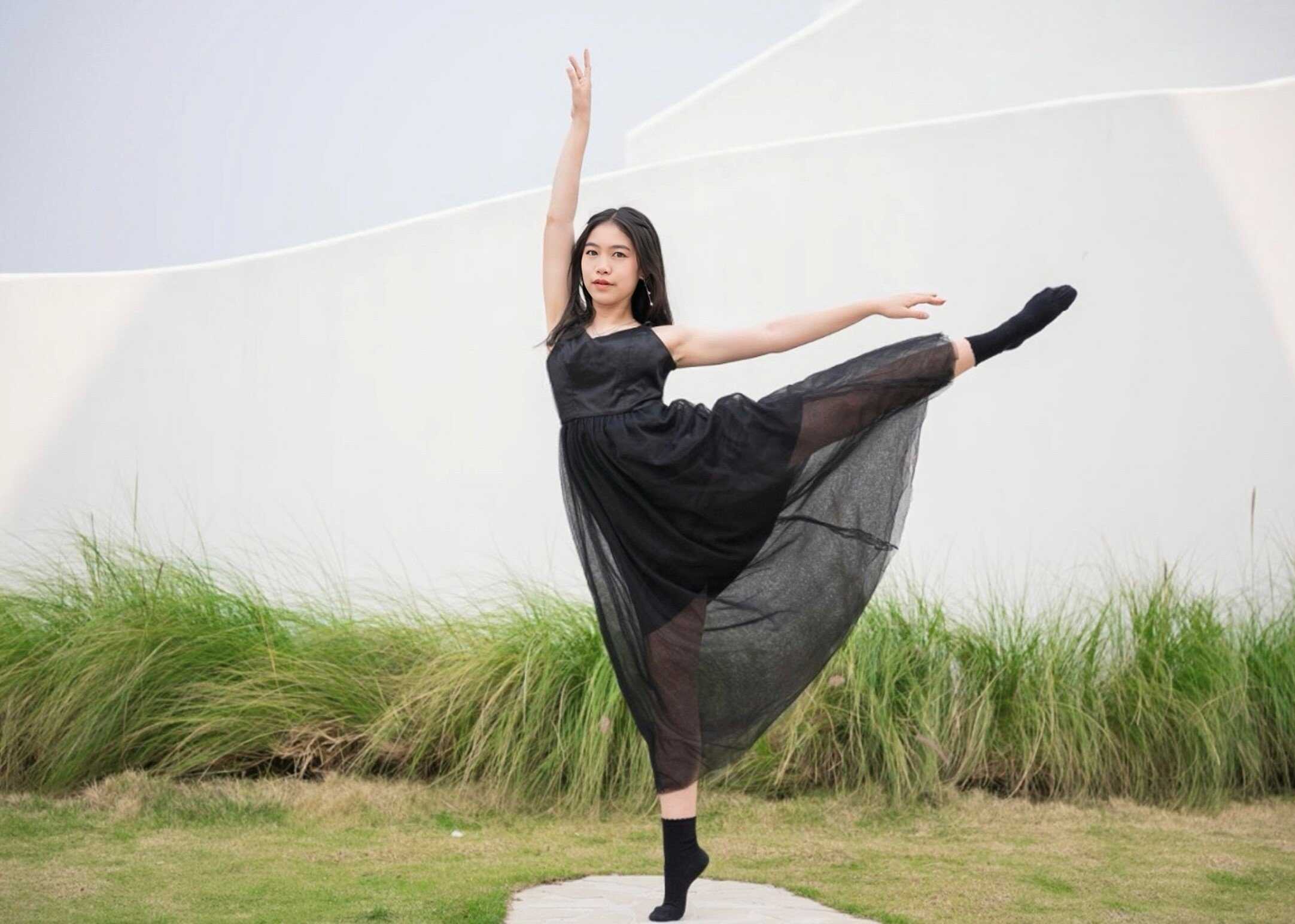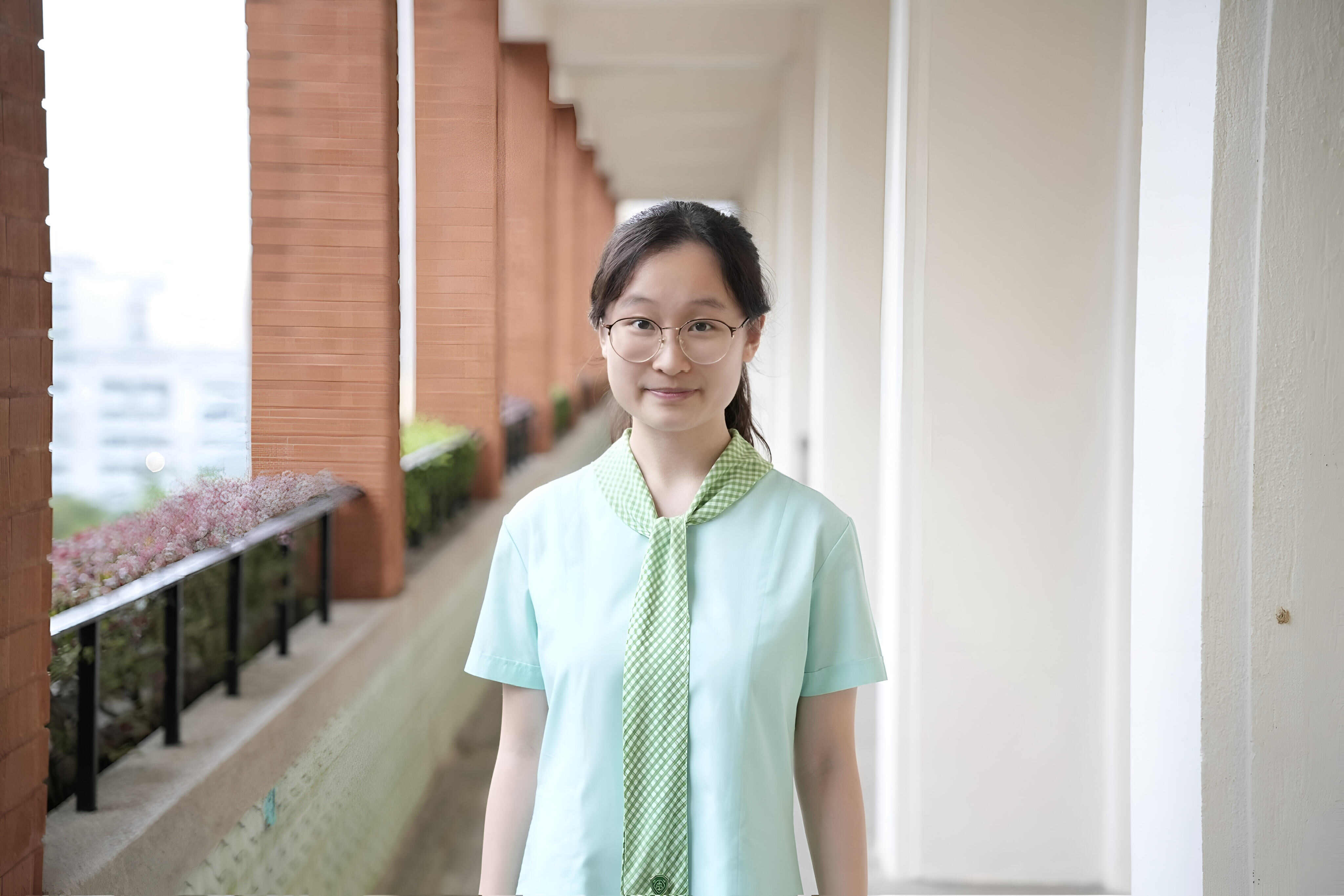
Kelina Li Tsz-ching’s fascination with language began not in textbooks, but in moments of transformation. As a founding member and chairperson of her school’s Model United Nations club, she watched language become a catalyst for confidence.
The 18-year-old Form Six student at Good Hope School recalled younger club members who were once “too shy to even speak” in front of a small group gradually finding the courage to raise their hands at interschool conferences.
That shift, she said, came from within: the ability to articulate ideas and engage with global issues “really raised their self-confidence and allowed them to engage with other perspectives”.
For Li, language is a bridge to the world.
Having started her school’s Model UN club during the Covid-19 pandemic, she experienced the stark contrast between online participation and her first in‑person conference at the Inter‑School Model United Nations Hong Kong (ISMUNHK). The immediate live exchange of thoughts sharpened her ability to speak clearly and connect with audiences.
She found particular joy in joining crisis committees, where delegates must think on their feet amid unfolding scenarios.
“It’s this kind of unpredictable element that I really enjoyed,” she said, describing how language became a tool for problem‑solving and negotiation.
That appreciation for communication eventually carried her to the international stage. As first runner‑up at the 2024 Junior JCI International Public Speaking Championship, Li encountered peers from more than 10 countries, each bringing their culture into their speeches. What stayed with her was the connection.
“Public speaking gave us a platform to exchange cultures,” she said.
From a contestant speaking affectionately about her pet parrot to others weaving local street food into their narratives, Li saw how language empowered young people to share their identities and perspectives.
She described herself as “more of a public speaker than an actual debater”, valuing Model UN’s emphasis on compromise over winning arguments.
Li translated those ideals into leadership as the deputy secretary general of ISMUNHK. Organising a 500‑student conference taught her that adaptability and accountability are inseparable. Working with an executive board spread across schools, each year brought new challenges that required swift, creative responses.
“An effective leader can adapt to these challenges and make the most out of the situation,” she said.
Li’s understanding of language deepened further through tutoring a Primary Six boy with dyslexia at the Caritas Integrated Children and Youth Services Centre.
Witnessing his frustration, she recognised the linguistic hurdles he faced and the toll they took on him. It taught her that effective support required empathy and tailored strategies for each child. “It’s clear that they need a different approach to learning,” she said.
Li’s achievements earned her a finalist spot in the Linguist (English) category of the 2024-25 Student of the Year Awards (SOTY), organised by the South China Morning Post and solely sponsored by The Hong Kong Jockey Club.
In the future, Li plans to study psychology in Britain and hopes to one day practise in an educational or clinical setting.