Non-local pupils could pay up to HK$350,000 (US$44,680) per year to study in Hong Kong’s semi-private schools after the institutions were allowed to admit them by offering additional places, with scholarships to cover some expenses.
But an education consultant specialising in expatriate placements for Hong Kong schools said the charges were uncompetitive, noting the cost exceeded those of a premium British boarding school in Malaysia and Thailand.
The Hong Kong Direct Subsidy Scheme (DSS) Schools Council said on Monday that a four-day trip to Bangkok in Thailand and Kuala Lumpur in Malaysia was being organised for the coming Friday to promote DSS schools.
The promotional event followed the government’s approval of 48 DSS schools to add classes or places for non-local students on a self-financing basis – one of the initiatives announced in Chief Executive John Lee Ka-chiu’s policy address last year to pave the way for these candidates to study at Hong Kong universities.
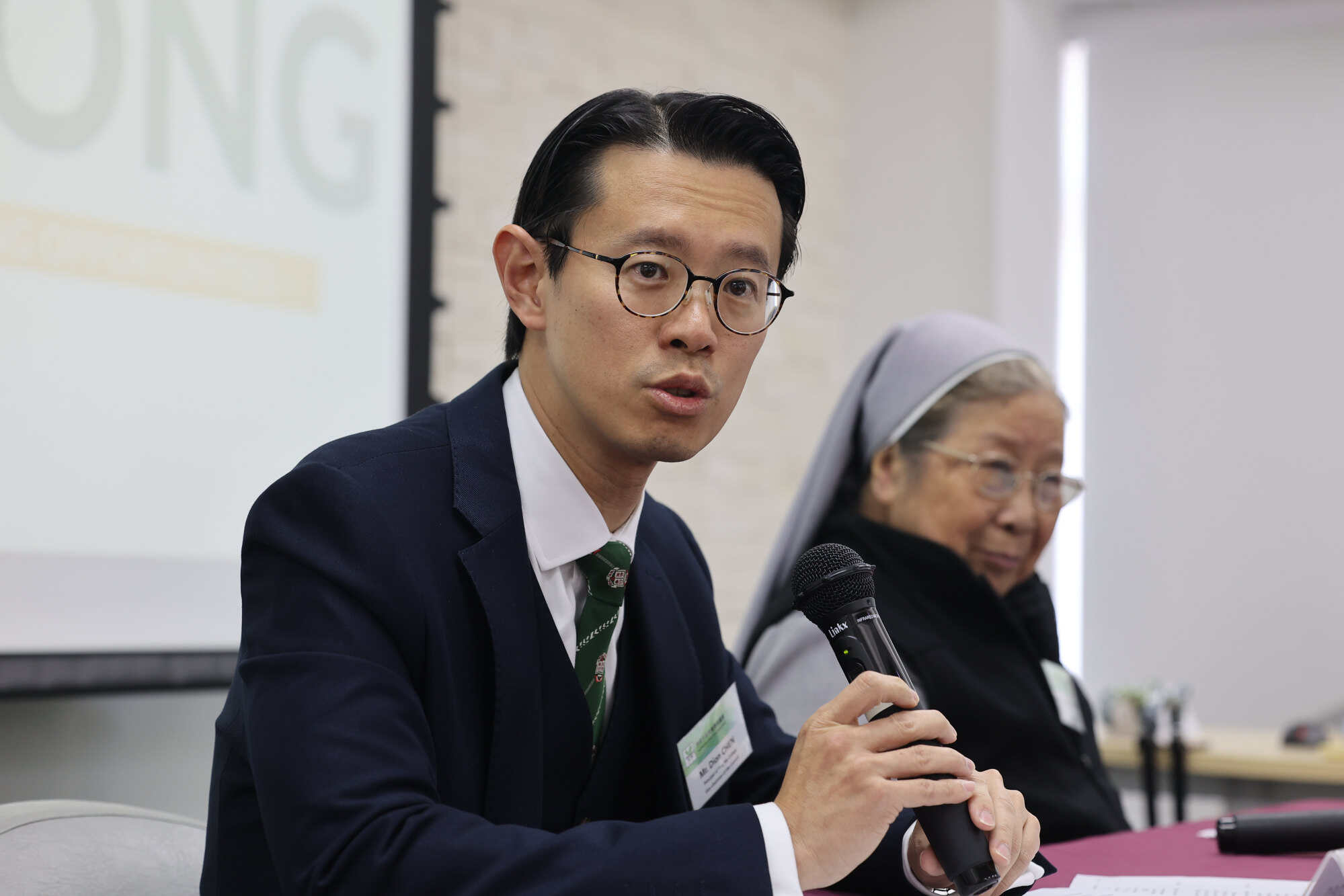
“We will be able to directly contact parents and students there to introduce our schools. The trip is only our first promotion tour,” said Dion Chen, the vice-chairman of the DSS Schools Council.
“After summarising the experience in the first trip, we will continue to hold other tours to engage more schools to go to different places.”
The new initiative will not affect local students’ chances of admission, as all additional places granted under the scheme are for non-locals only.
DSS schools have greater flexibility in designing their curricula, student admission policies and the mediums of instruction. The institutions can also collect tuition fees in addition to receiving government subsidies.
The council said the total expenditure, including tuition fees, hostel fees and living expenses, cost HK$320,000 to HK$350,000 per year, as non-local students could not receive any subsidies from the government.
“Compared with other countries offering overseas studies, this price is comparatively attractive. We hope the first batch of students will be from Southeast Asia,” Chen said.
He added that the council would offer scholarships from some donors to students to cover part of the expenses in the coming school year.
School admissions expert Ruth Benny, who specialises in expatriates’ children getting into schools in Hong Kong, argued the price for a DSS school place was uncompetitive as the proposed fees were more expensive than a premium British boarding school in Malaysia or Thailand, where UK-run private schools charged only about HK$330,000 a year.
“The programme is effectively creating a ‘third tier’ in the market; bridging the gap between the hyper-competitive local public system and the almost-as-competitive premium international sector,” she said.
“While this may appeal to Southeast Asian families seeking academic rigour and a cultural bridge to mainland China, it won’t – in my opinion – attract families away from international education in their countries.”
Chen also expected non-local students to study non-local curricula in the DSS schools such as the International Baccalaureate and international advanced level.
Among 48 schools, only eight have hostel facilities on their own campus, charging at most about HK$8,000 per year, with around 1,700 places being offered.
Chen said other schools without such facilities had to cooperate with some hostel operators to offer students accommodation, which might cost students around HK$150,000 to HK$160,000 a year.
He said his council would set up a committee on hostel affairs to help operators supervise the quality and operation so that they could meet the local ordinance, custodian and meal arrangements.
While the upper limit of students allowed in a class for DSS secondary and primary schools would be 45 and 37, Chen said DSS schools could break them into small groups to maintain the teaching quality.
“People may have an impression that the figure is high, but nearly all DSS schools would not have a lesson with 41 students in a class, we will break them into groups … with 20 plus students in each group,” he said.
Chen said the council would also launch some excursions for non-locals to experience and visit Hong Kong schools and universities in July and August.
“We hope the people from overseas will experience Hong Kong’s education and culture,” he said.