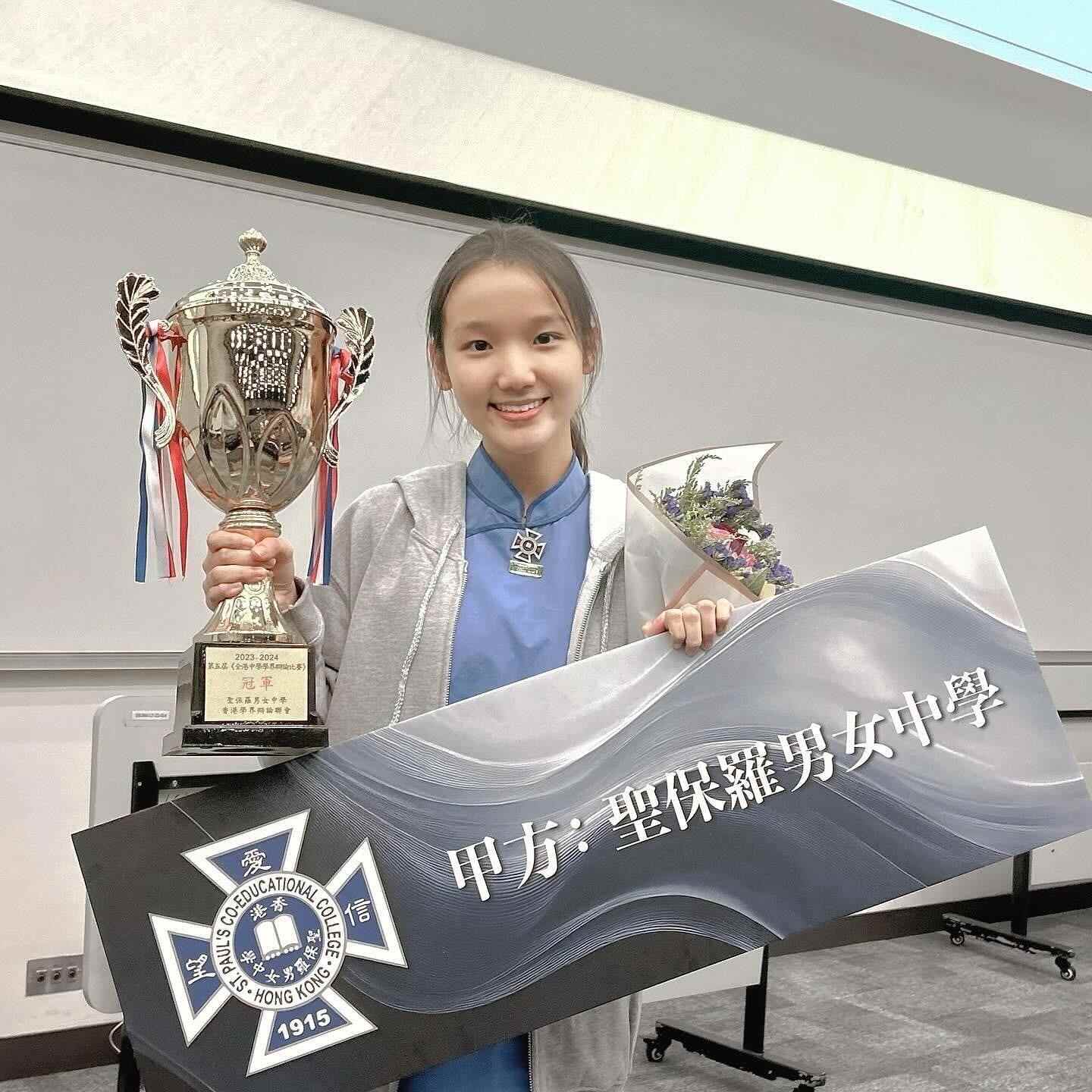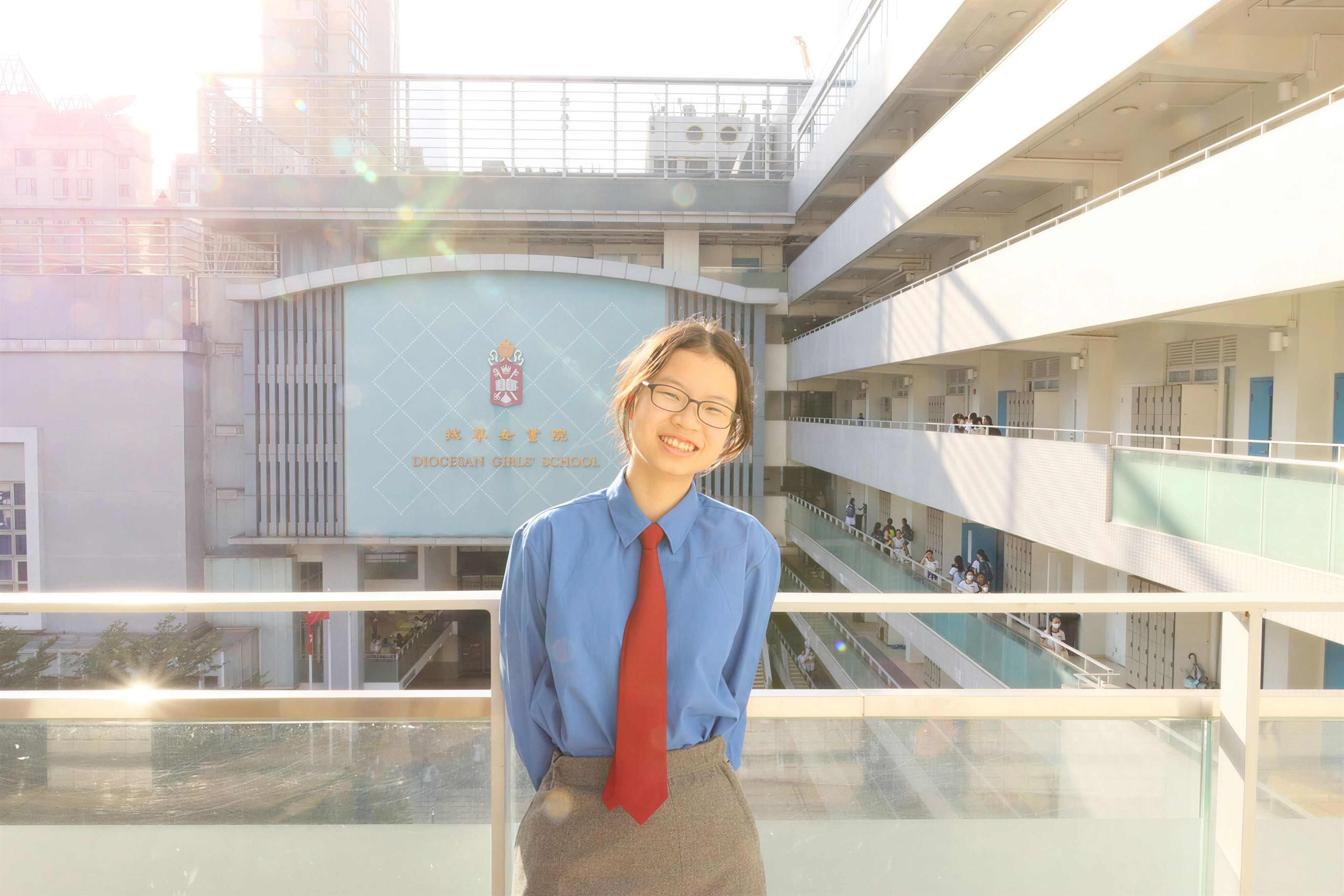
Katrina Yu’s first memory of debating is as vivid as a scene from a play: a Primary Five classroom, a trembling microphone, and the intoxicating clarity of being heard.
“I vividly remember the thrill of articulating my thoughts and persuading judges. It’s that exact moment that set me on a path I would come to see as both craft and calling,” said the 18‑year‑old graduate of Diocesan Girls’ School.
Raised in a family that encouraged curiosity, Yu learned early to follow the city’s pulse and its political scenes. Watching debates in the chambers of the Legislative Council on television became a private lesson in how words can shape policy.
“Observing legislators passionately advocate for the underprivileged demonstrated to me that well‑structured arguments could lead to meaningful changes in people’s lives,” she explained.
As chairlady of her school’s Chinese Debating Team, Yu turned conviction into curriculum. When teachers proposed a mandatory debate course, she and her peers noticed a familiar problem: many students were bright but reticent, shrinking from public expression.
Yu led the effort to design materials that taught not only the techniques but also the softer arts of confidence and curiosity.
“We wanted to create a course that not only taught debating skills but also fostered self‑expression and critical thinking,” she said.
Building the syllabus became a lesson in leadership. “I realised that success lies in listening,” Yu said. She organised workshops, solicited feedback, and adapted lessons to meet students where they were, shaping a leadership style rooted in empathy and inclusion. Her approach emphasised that teaching debate is as much about creating a safe space for voice as it is about polishing rhetoric.
That same sensitivity surfaced when Yu helped organise a major Chinese debating competition in Hong Kong. Much of her work happened offstage, but those small interactions left a lasting impression. “Cantonese speech is sharp and straight to the point,” she observed, noting how local idioms and colloquial turns of phrase carry an intimacy that formal language sometimes lacked.
“I remember a moment when a young debater invoked a Cantonese proverb that made the room laugh and then fall silent; the line resonated not because it was polished, but because it was true to shared experience,” she said.
Yu’s priority when coaching is to normalise speaking up. In debriefs, she asks juniors to speak first so feedback becomes a mirror rather than a verdict.
“This mentorship model helps young people translate raw conviction into structured argumentation, ensuring that debates become platforms where youth perspectives are not only heard but sharpened into persuasive civic contributions,” she said.
Yu’s contributions to turning Cantonese debate into a civic craft were recognised when she was named a finalist in the Linguist (Cantonese) category of the 2024/25 Student of the Year Awards, organised by the South China Morning Post and sponsored by The Hong Kong Jockey Club.
Looking ahead, Yu imagines projects that marry technology with tradition, such as an open‑access digital archive of Cantonese conversational recordings, idioms, and historical speeches.
“Ultimately, I’d aim to integrate debating into school curricula as a core skill for civic engagement,” she said, envisioning a future where Cantonese remains a living tool for empowerment.