Deep Dive delves into hot issues in Hong Kong and mainland China. Our easy-to-read articles provide context to grasp what’s happening, while our questions help you craft informed responses. Check sample answers at the end of the page.
Molly Lam lives in a public housing flat in Tsuen Wan. She worries about losing her job. She earns HK$12,000 a month. This is just enough to cover living expenses.
Lam believes news about Hong Kong’s economic growth means little to working-class people like her.
“The administration focuses heavily on high-end IT industries, which offer no safety net for low-skilled labourers like me,” she said.
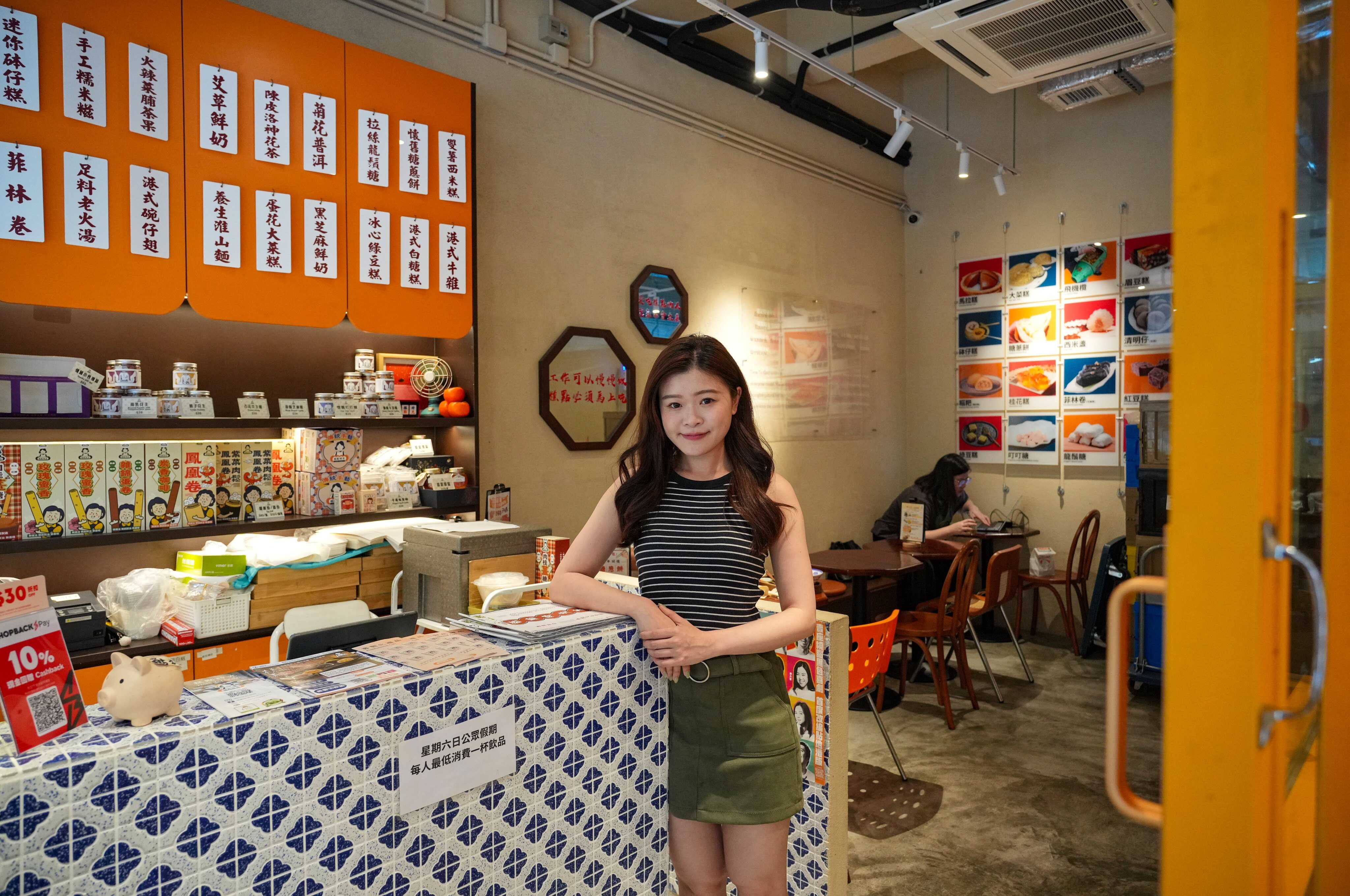
Celeste Yeung is the co-founder and chief operating officer of a restaurant. She fears the city’s food and retail sectors are doing worse now than during the pandemic.
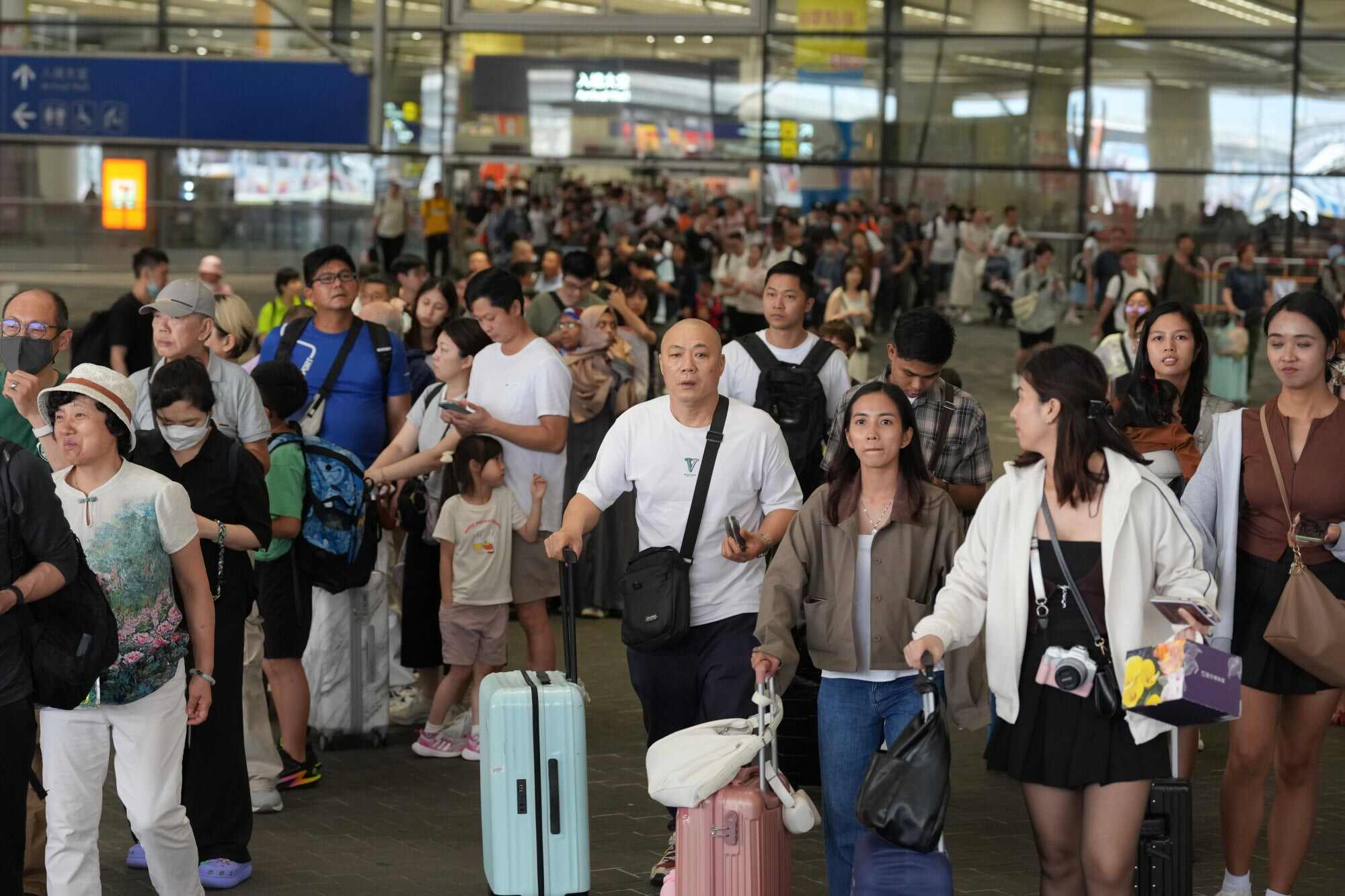
“[Our] cash flow is severely strained by weakened domestic spending, soaring rents, and many residents heading to mainland China or overseas during holidays,” said Yeung, whose business, Time To Gold, also supports the elderly by employing them.
After Covid-19, the city may have a stronger economy, but frontline workers like Lam and small businesses like Yeung’s feel they have not been part of the growth.
Gross domestic product (GDP) growth points to success but masks some struggles, industry leaders say. They suggest that the city must provide more immediate support to lower-income groups.
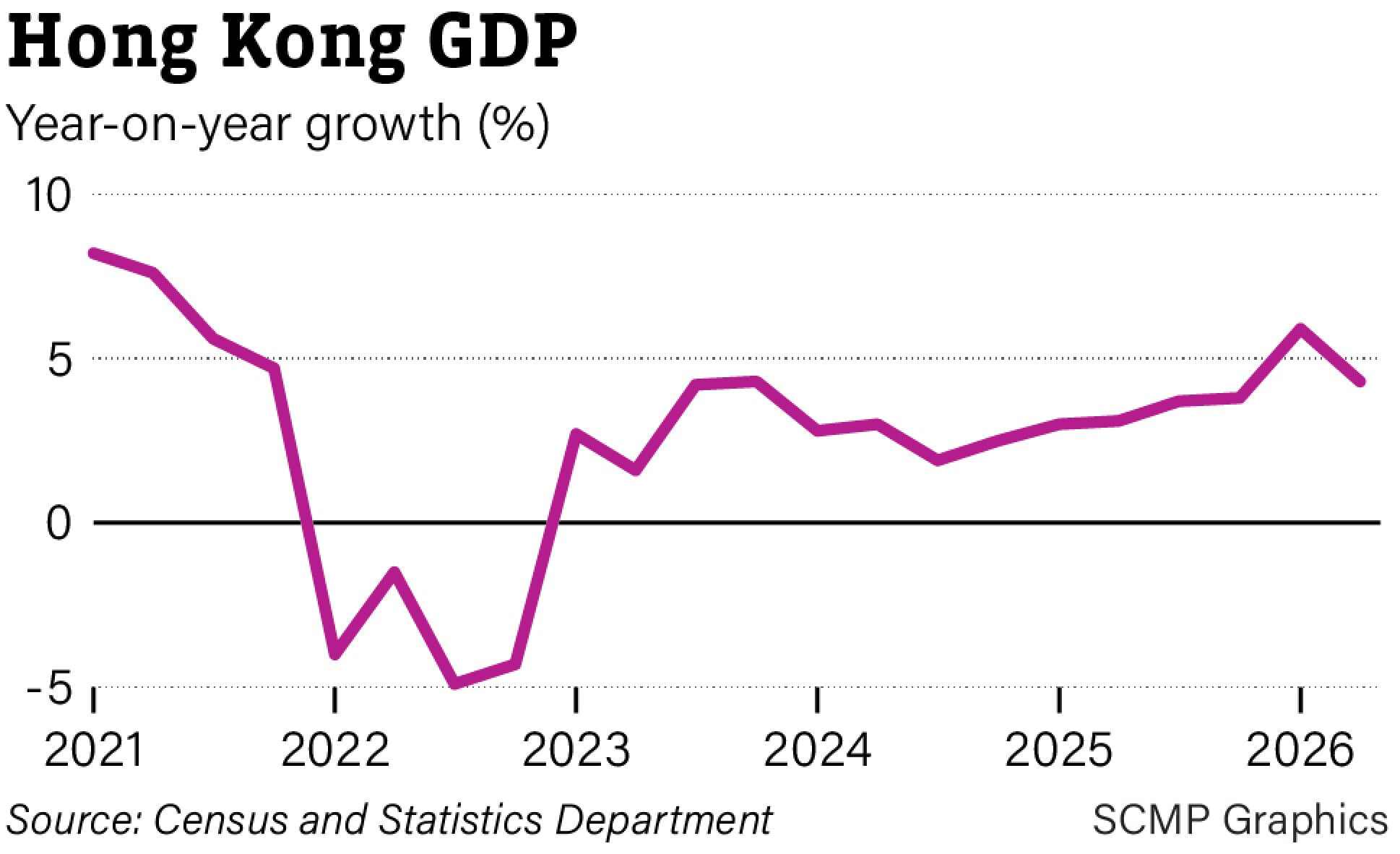
In the first quarter of this year, Hong Kong’s GDP saw its strongest quarterly growth in nearly five years. The growth was 5.9 per cent year on year.
“This macro-driven growth is expected to eventually stimulate local consumption, but the traditional retail and catering sectors are still facing severe hardships,” lawmaker Peter Shiu Ka-fai said.
Retail sales rose only slightly between 2023 and 2025.
Shiu added that bricks-and-mortar industries such as retail and food and drink were being squeezed by a shift towards cross-border shopping, both via e-commerce and travel to the mainland. They would need time to adapt.
Amid the backdrop of US-China tensions and the US-Israel war on Iran, Chief Executive John Lee Ka-chiu has been trying to create new sources of growth.
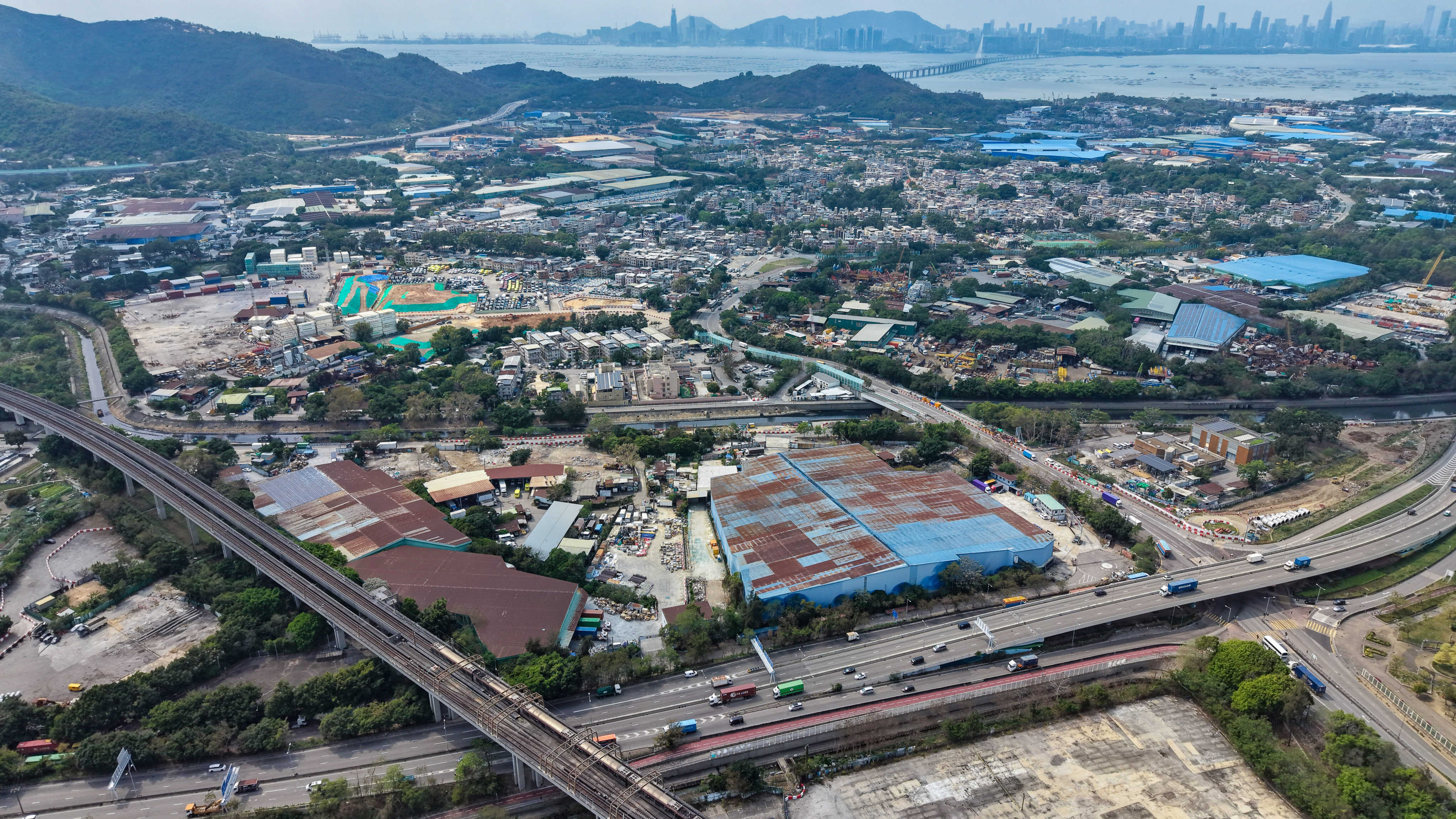
He is pressing on with investments in innovation and technology, such as the Northern Metropolis megaproject.
Willian Chu, 65, is a logistics worker who lives in a subdivided flat in Sham Shui Po. He fears that the Northern Metropolis may result in smaller social subsidies for low-income groups.
Terence Chong Tai-leung is the executive director of the Chinese University of Hong Kong’s Lau Chor Tak Institute of Global Economics and Finance. Chong said the Northern Metropolis had yet to deliver real benefits to low-income workers, as it was still in development.
Staff writers
Question prompts
1. Which of the following statements is false, according to the information in the news?
(1) Hong Kong’s economy has become stronger after the pandemic.
(2) The geopolitical tension between China and the United States is the only international issue holding back Hong Kong’s economic recovery in recent years.
(3) This year, Hong Kong’s gross domestic product (GDP) had stronger growth than it did before 2021.
(4) Hongkongers are heading to mainland China for holidays and weekends, causing challenges for the city’s shops and restaurants.
A. (1), (2) only
B. (1), (3) only
C. (2), (3) only
D. (3), (4) only
2. How do workers like Molly Lam and Willian Chu feel about the government’s plans to invest in innovation and technology? Why do they feel that way?
3. What are some challenges that bricks-and-mortar industries are facing? Suggest ONE way to address the problem.
Graph (GDP growth)
Question prompts
1. Note TWO observations about the growth of Hong Kong’s gross domestic product (GDP) from 2021 to 2026.
2. Do you think growth in the city’s GDP reflects how most people in Hong Kong are doing? Explain using examples from the news.
Glossary
-
domestic spending: refers to the overall spending by households, businesses and government entities on goods and services within a specific country or region. In Hong Kong, people are spending less money in the city because many are going to mainland China for dining and entertainment.
-
gross domestic product (GDP): the total value of all goods and services produced by a place in one year
-
bricks-and-mortar industries: refers to traditional businesses that operate out of physical shops, including sectors for retail, hospitality, catering and entertainment
-
Northern Metropolis: a project that aims to transform 30,000 hectares of land along Hong Kong’s border with Shenzhen into a housing hub, a university town and an innovation-driven economic engine
Sample answers
News
-
C
-
They feel ambivalent or negatively about these plans because they think investment in innovation and technology will not have a positive impact on them and could even harm them by leading to a reduction in subsidies for low-income groups.
-
There has been a shift towards cross-border shopping, both via online e-commerce and travel to the mainland. The rent is also getting more expensive. The government can address this problem by capping rent increases for small and medium-sized businesses. This way, these businesses can have more room to offer deals that entice people to spend. (accept all reasonable answers)
Graph 1 (GDP)
-
The city’s GDP saw a severe downturn from 2021 to 2022 because of the Covid-19 pandemic. The economy has been recovering since 2023 but has not reached pre-pandemic levels. (accept all similar answers)
-
GDP only reflects the overall economy, but it can’t reflect how widely this growth is distributed among different industries and people with different income levels and jobs. For example, retail sales have only risen slightly while GDP has grown. Restaurants like Time To Gold are not getting enough customers. Many low-wage workers are still worried about having no safety nets. (accept all reasonable answers)