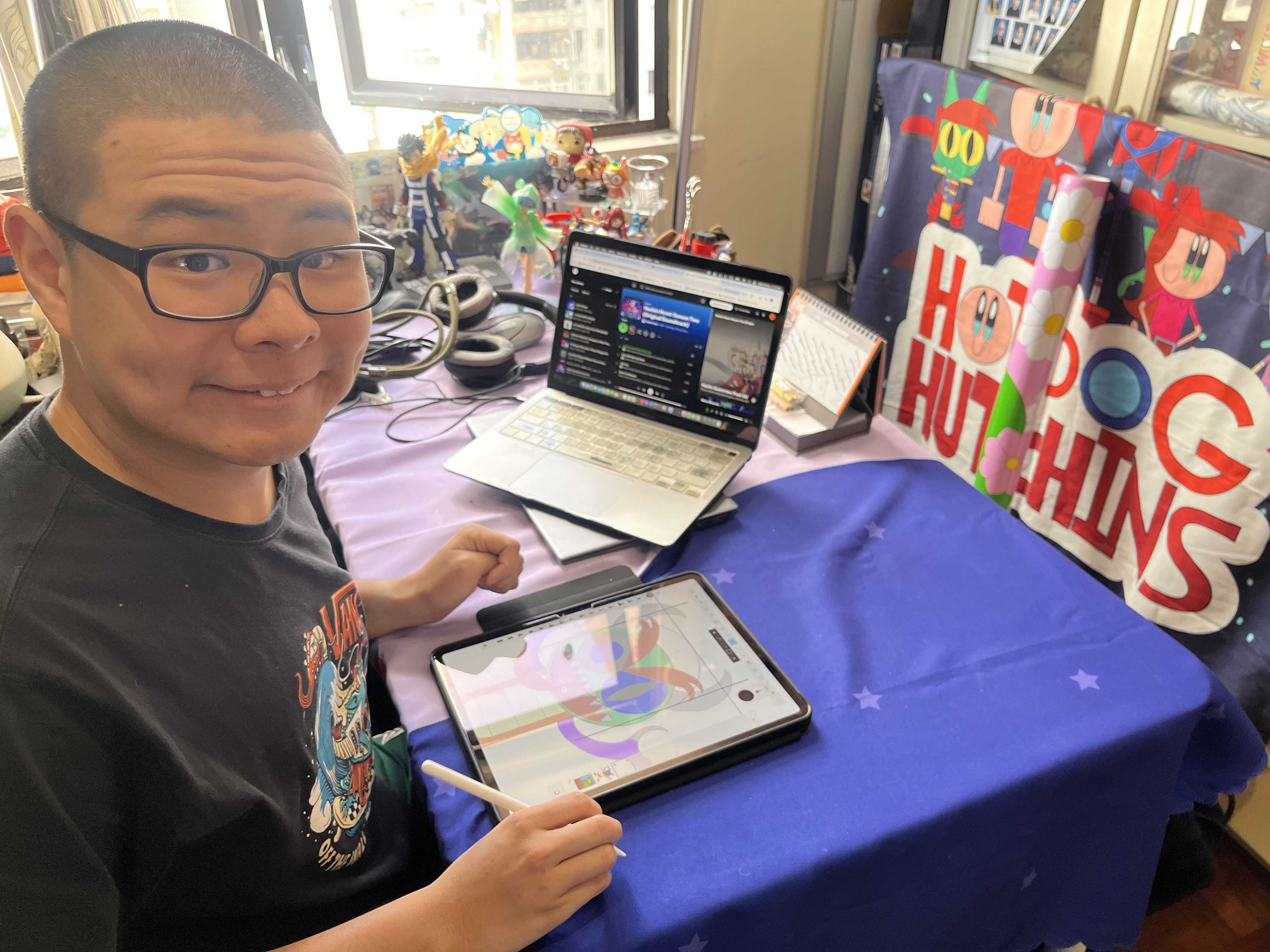
As a child, Harold Lam Ho-wang spent hours staring at maps. Lam carried a thick Hong Kong street atlas everywhere he went. He learned all the streets and transport routes by heart.
But when Lam drew maps at school, his teachers thought he was being distracted.
Like many children with autism, Lam found it hard to learn from books and text-heavy lessons.
“When I was in school, I found myself a little different from the others,” said Lam, who is now 22.
Lam later realised that his interest in maps was actually part of his unique way of understanding the world. Last year, he graduated with a degree in surveying from the University of Hong Kong (HKU).
Now, his childhood habit of drawing maps has become the foundation of Mapcraft. This education start-up uses maps to transform how neurodivergent students learn.
How Mapcraft was born
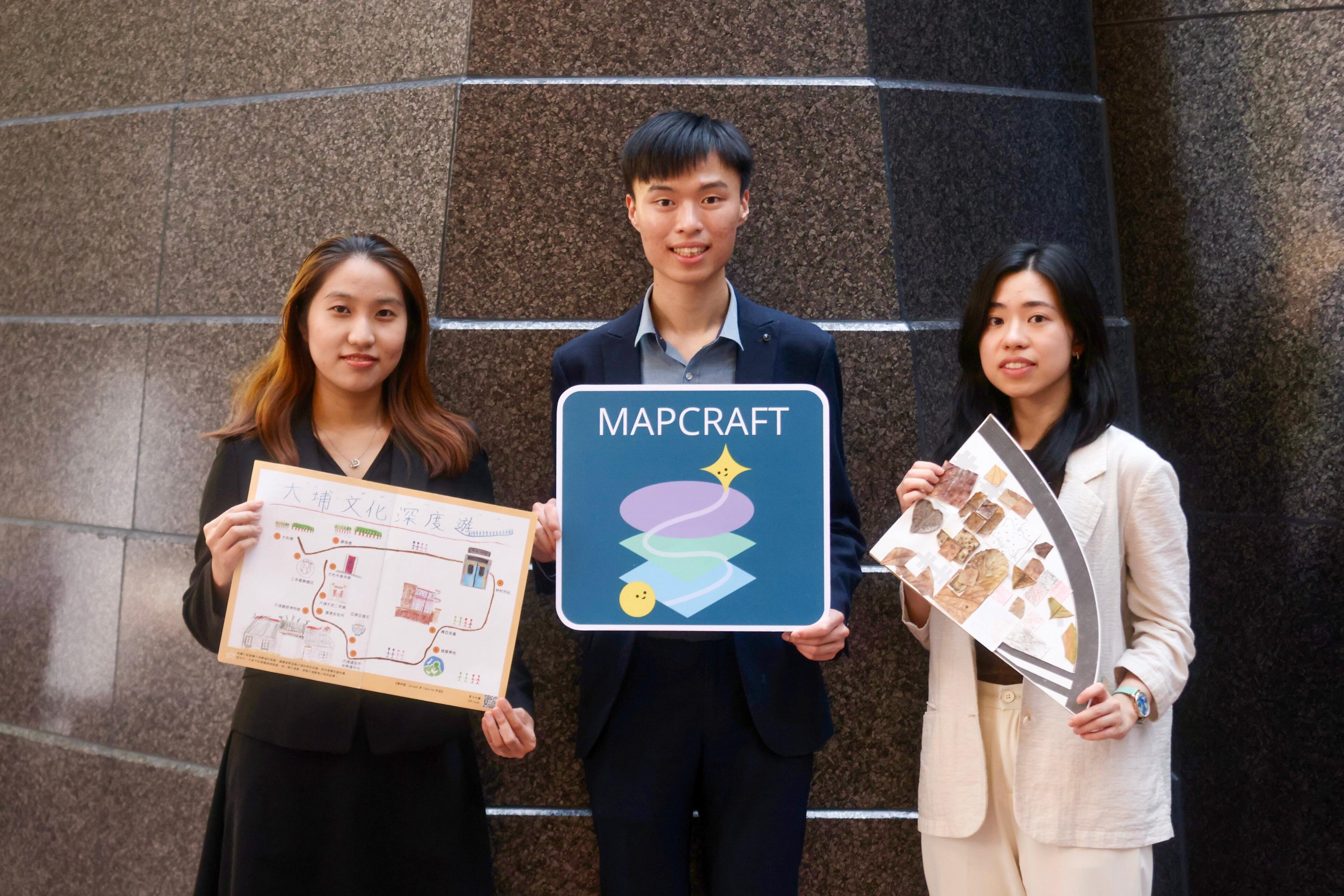
Lam and his co-founders, Gladys Tsoi Lok-ching and Rachael Luk Wan-man, started Mapcraft to help neurodivergent students explore their interests and connect with the community using maps.
This idea came from research that showed students with autism and dyslexia, learn best when they use visual and spatial thinking.
Mapcraft’s learning framework has three parts: co-learn, co-create and co-inclusion.
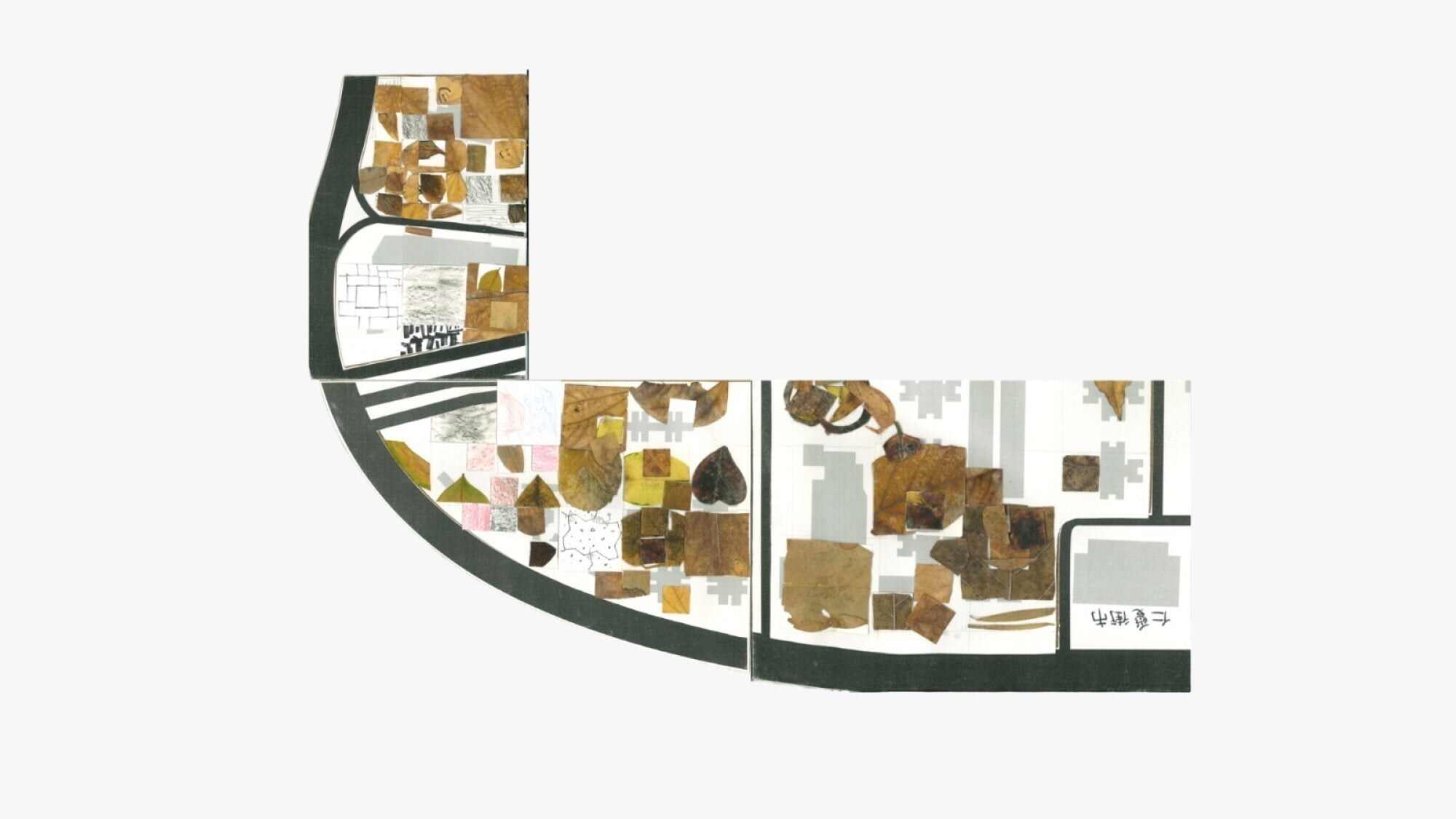
First, students learn together by exploring their community. Then, they use what they have learned to make their own projects, like using a map to show what they saw. In the end, they share their work and listen to feedback from others.
Their programme focuses on three main topics: studying nature, planning transport and designing communities.
It includes subjects such as geography, history, citizenship, economics and society.
Lam said: “We hope to apply the strengths of neurodivergent students as the starting point to transform the traditional language-oriented subjects into a journey of map exploration.”
Improving SEN education
Luk is a teacher in the Teach for Hong Kong programme. She cares a lot about helping students with special educational needs (SEN) because of her younger brother. He was diagnosed with autism when he was two years old.
She recalled her brother’s love for drawing maps – something his father dismissed as a “waste of time”.
“He wanted my brother to become an ‘ordinary’ child,” Luk said.
When she started teaching, Luk noticed similar patterns among her students. She realised that when neurodivergent students find something they like, they can get very excited about learning.
Challenging the stigma
The co-founders hope their start-up can help society better understand SEN students.
A 2023 report from Hong Kong Christian Service said there are almost 60,000 students with special educational needs in primary and secondary schools in Hong Kong. This is more than double the number from 10 years ago.
Tsoi is studying speech therapy at the University of Hong Kong. She noticed during her internship at local schools that many SEN students do not have enough support.
Luk also said that many people make fun of autistic students for liking buses and trains.
“To me, it’s not strange at all,” she said. “It’s simply a talent.”
Luk wants people to know that neurodivergent students “are a blessing to other students”.
She said that having Lam on the team helped them understand mapping technology and how to teach students with different learning styles.
Lam shared a quote from a song by Hong Kong artist Panther Chan: “As the song ‘Stars’ says, ‘Anyone can shine – they just need to find the right place.’ For us, anyone can shine – they just need to find the right map.”