Every week, Talking Points gives you a worksheet to practise your reading comprehension, with exercises based on the story we’ve written.
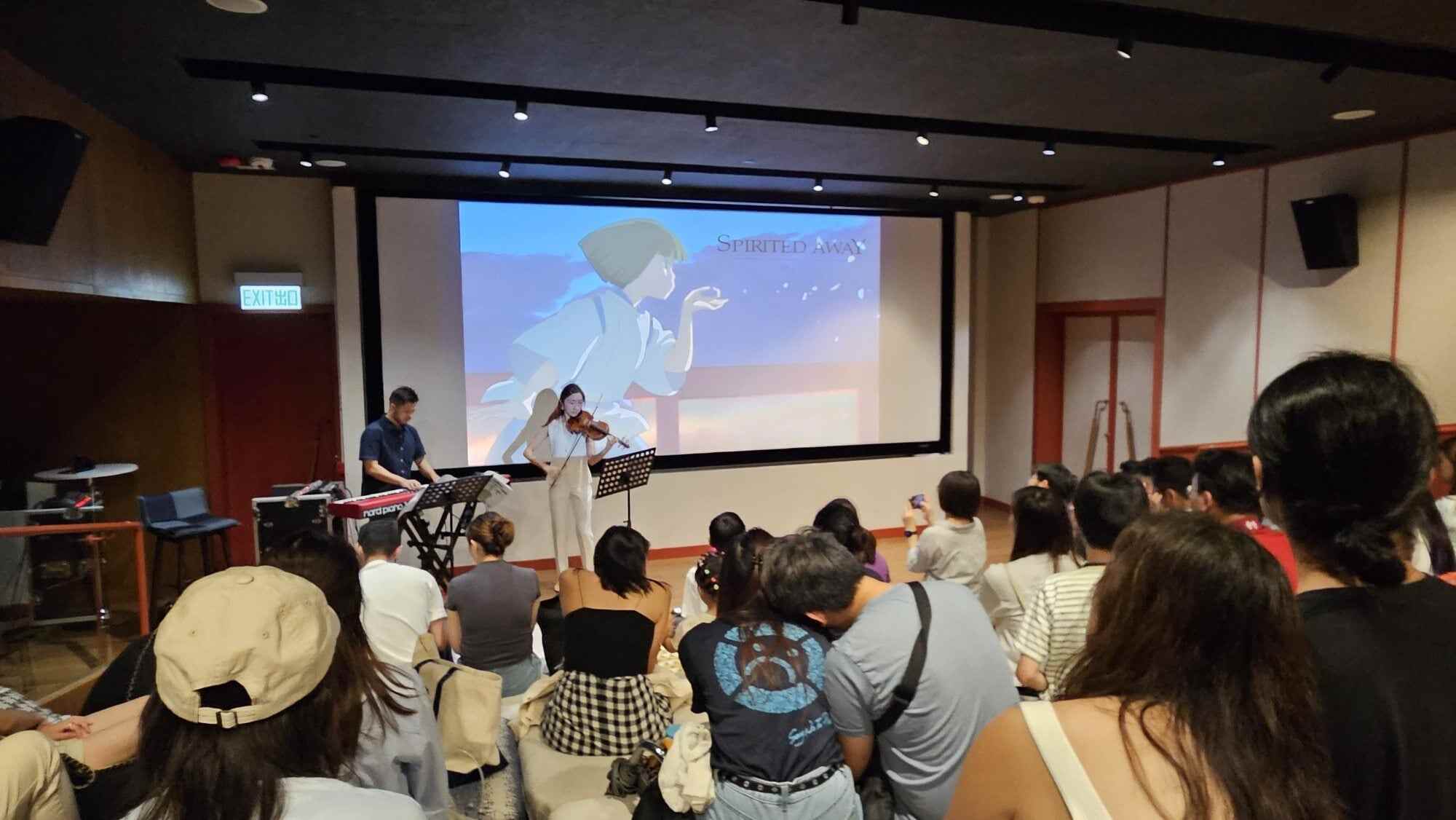
Annabelle Ho Wai-shan’s fingers flew across the neck of her violin. Behind her, scenes from the Japanese animated film Spirited Away played on a screen. In the Studio Ghibli classic, a powerful River Spirit is infected with human pollution. The main character pulls out what becomes a heaping pile of rubbish from the grateful spirit’s body.
Ho finished playing and the scene behind her ended. She began talking about Hong Kong’s own pollution and waste problem. She also noted groups doing environmental work in the city.
The concert is part of Ho’s ClimateXArt project. She founded it on Earth Day 2023. Since then, the violinist has hosted multiple concerts that mix musical performance with climate education. It has reached some 1,450 people.
“The way we treat our planet is ultimately how it treats us back,” Ho said. “While our environment is facing severe damage – some of it irreversible – it is never too late to stop further degradation and do everything within our power to restore what we can.”
The 28-year-old works on the project alongside her full-time job. She wants her music to start a conversation about climate change.
“I often think about how to make the next generation really understand [what’s important] … and inspire them to do it themselves, without pushing them,” Ho said.
The sound of education
After graduating from university, Ho helped out at a TEDx programme. There, she was impressed by a teen who spoke about ocean protection.
“I thought since she could do it, I could do it too,” Ho said.
The experience encouraged the violinist to join climate action projects. She began to wonder: could she use music to talk about the environment?
She held her first collaborative performance at a cafe in Central.
It was the first time she combined Studio Ghibli films, classical music and climate change awareness. The performance was informal and experimental. Some came because they liked Studio Ghibli films and the music. Others were simply curious.
This showed Ho that music could bring people into a conversation about climate change even if it was not the reason they walked through the door.
“Music is a really good ‘soft’ approach. It doesn’t force you … it gives everyone room to talk,” she said.
At the end of every performance, Ho connects the film scene to environmental issues in Hong Kong. She wraps up by explaining solutions offered by local organisations.
Audience members learn what is available in Hong Kong, “which can help them take individual climate action”, she said.
Caring for the environment
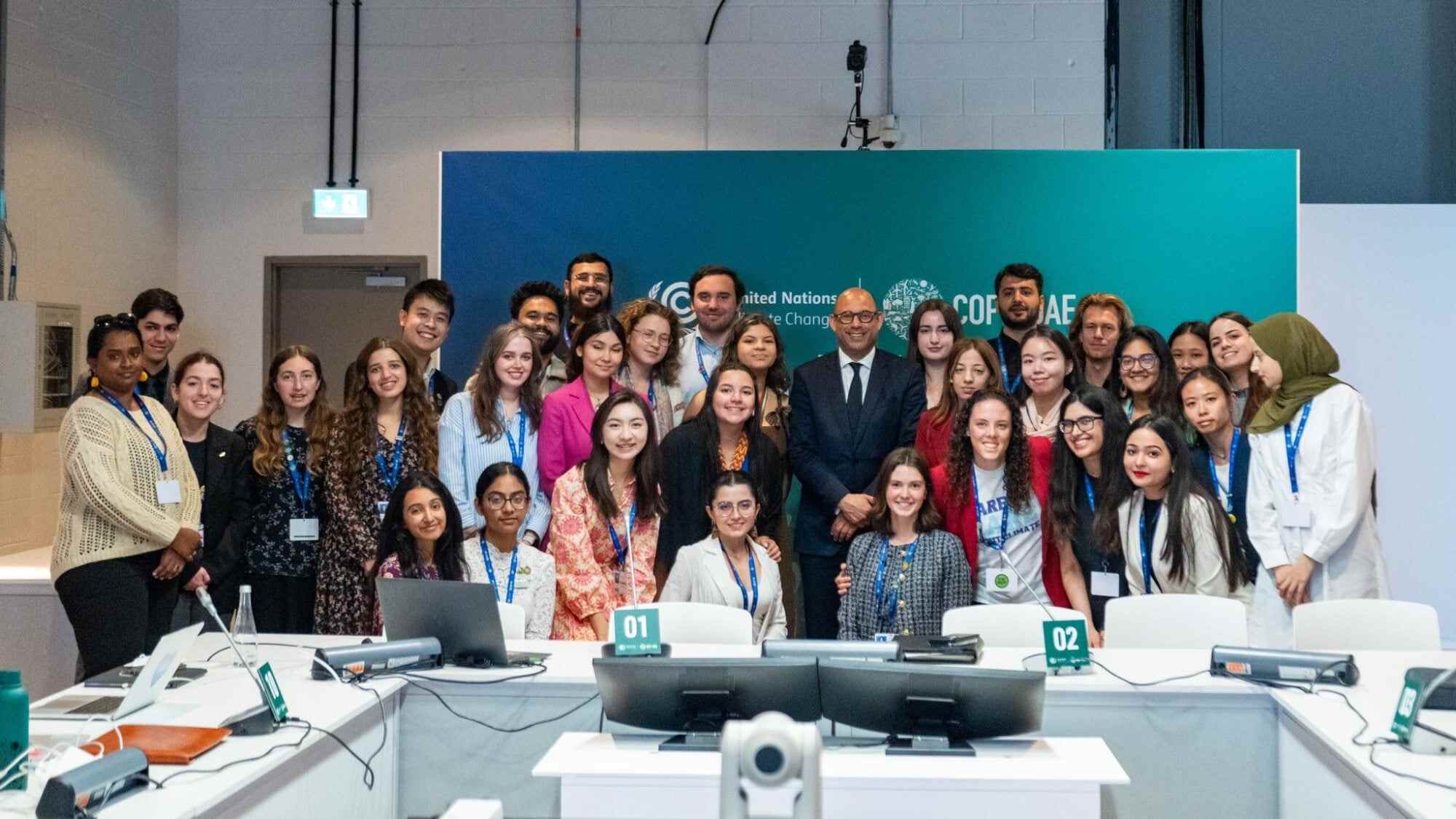
In 2023, the violinist performed twice at the 28th United Nations Climate Change Conference, or Cop28. At the conference, Ho learned how climate change is experienced differently around the world.
She recalled a conversation with representatives from a small, developing country. They were curious how Hong Kong had “so much money” for green policies.
“I saw they really wanted to do something but were very powerless because they had no money,” Ho said. “Their anxiety really awakened me.”
Ho has given guest lectures at Hong Kong universities and local organisations. She discusses how music can inspire climate action.
The violinist said she occasionally feels frustrated when audience members seem uninspired by her performance and its message. But she reminds herself that it may be one step towards caring for the environment.
“I don’t mind if they just listen to the music. I’m also very grateful they gave me time to speak and were willing to listen,” she said.