Alina B.K. should be preparing for her end-of-year university exams, but news of devastating floods along the Nepal–Tibet border has kept pulling her back to a troubling question – what kind of future awaits her?
The 21-year-old forestry student, who coordinates the Pokhara network of Nepalese Youth for Climate Action, said she struggled to concentrate as reports of death and destruction deepened her fears about a changing climate.
“With the floods and deaths happening around us, it is really hard not to feel anxious and emotionally overwhelmed,” she said.
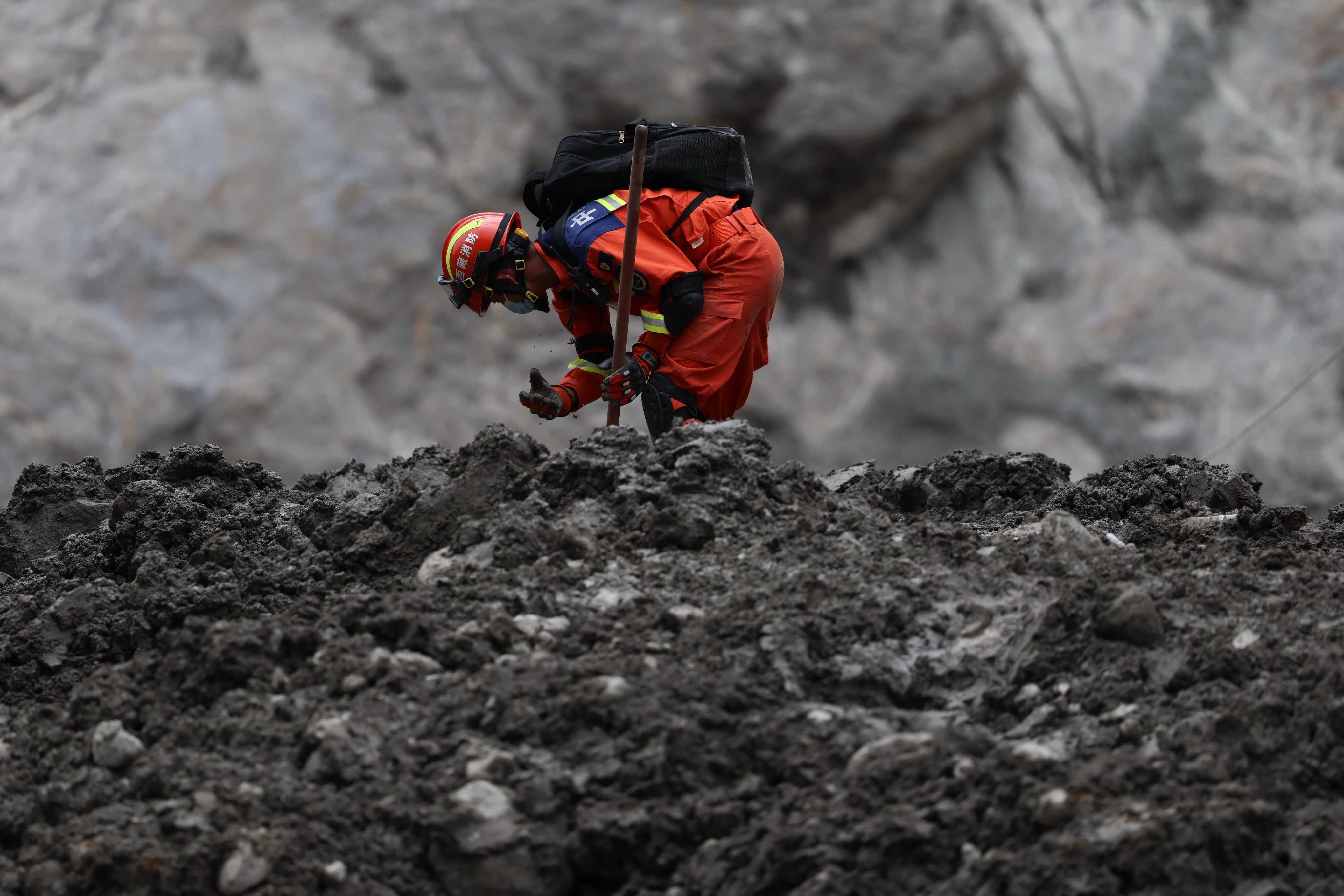
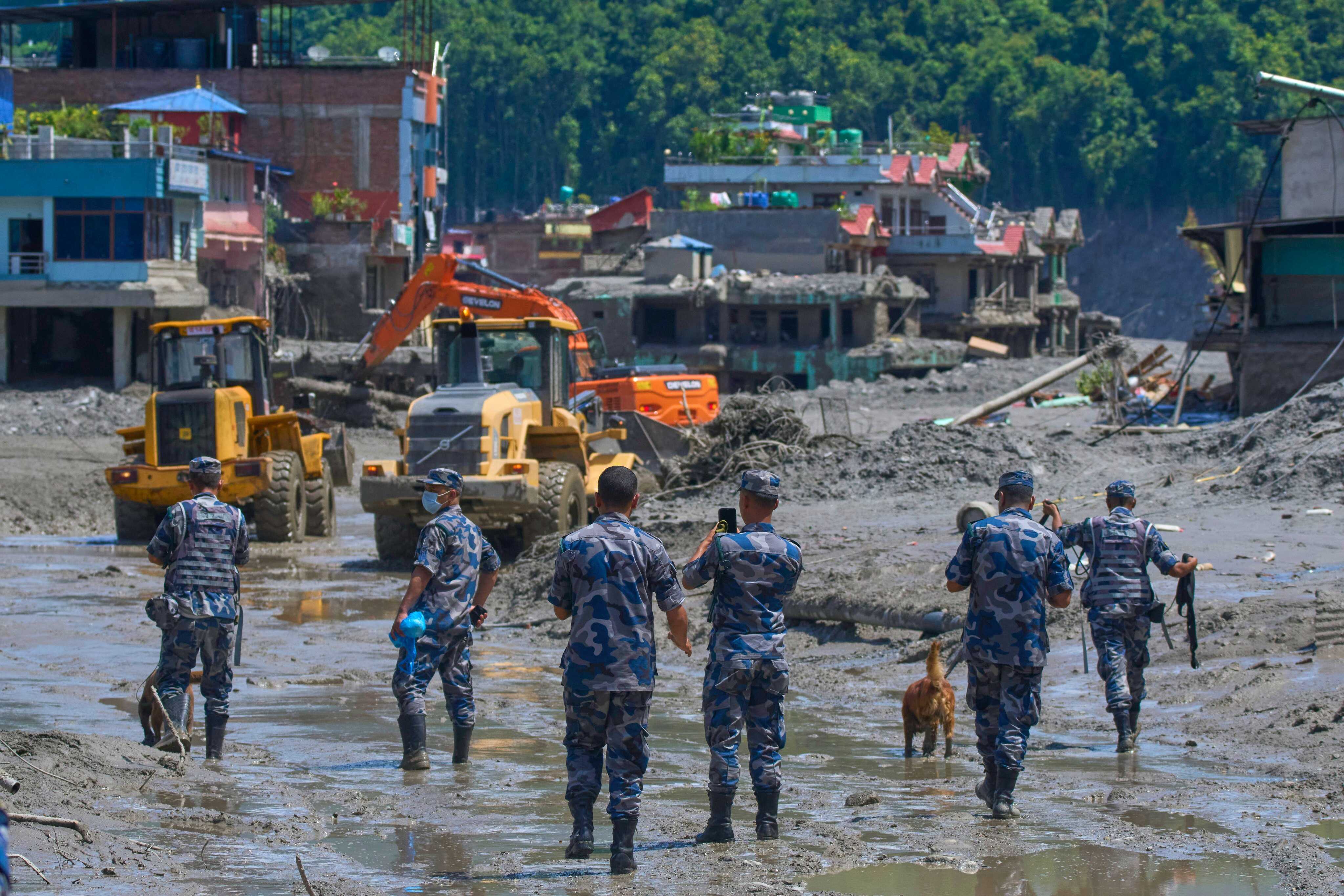
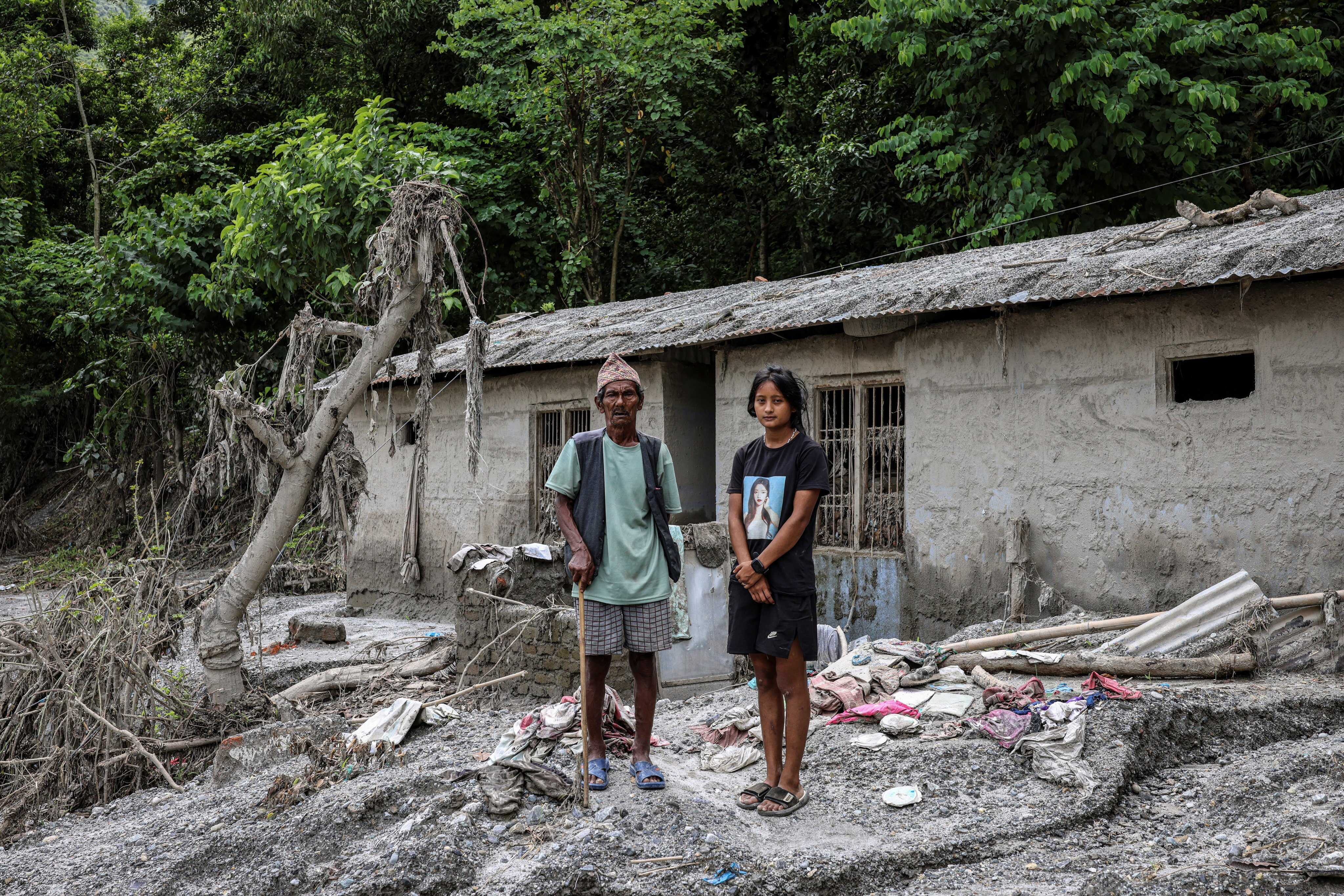
The August 26 disaster, triggered by a glacier collapse, has left more than 1,400 people confirmed dead across Nepal and Tibet, with thousands still missing.
Scientists have not yet established whether the collapse was directly caused by climate change and several factors could have been involved.
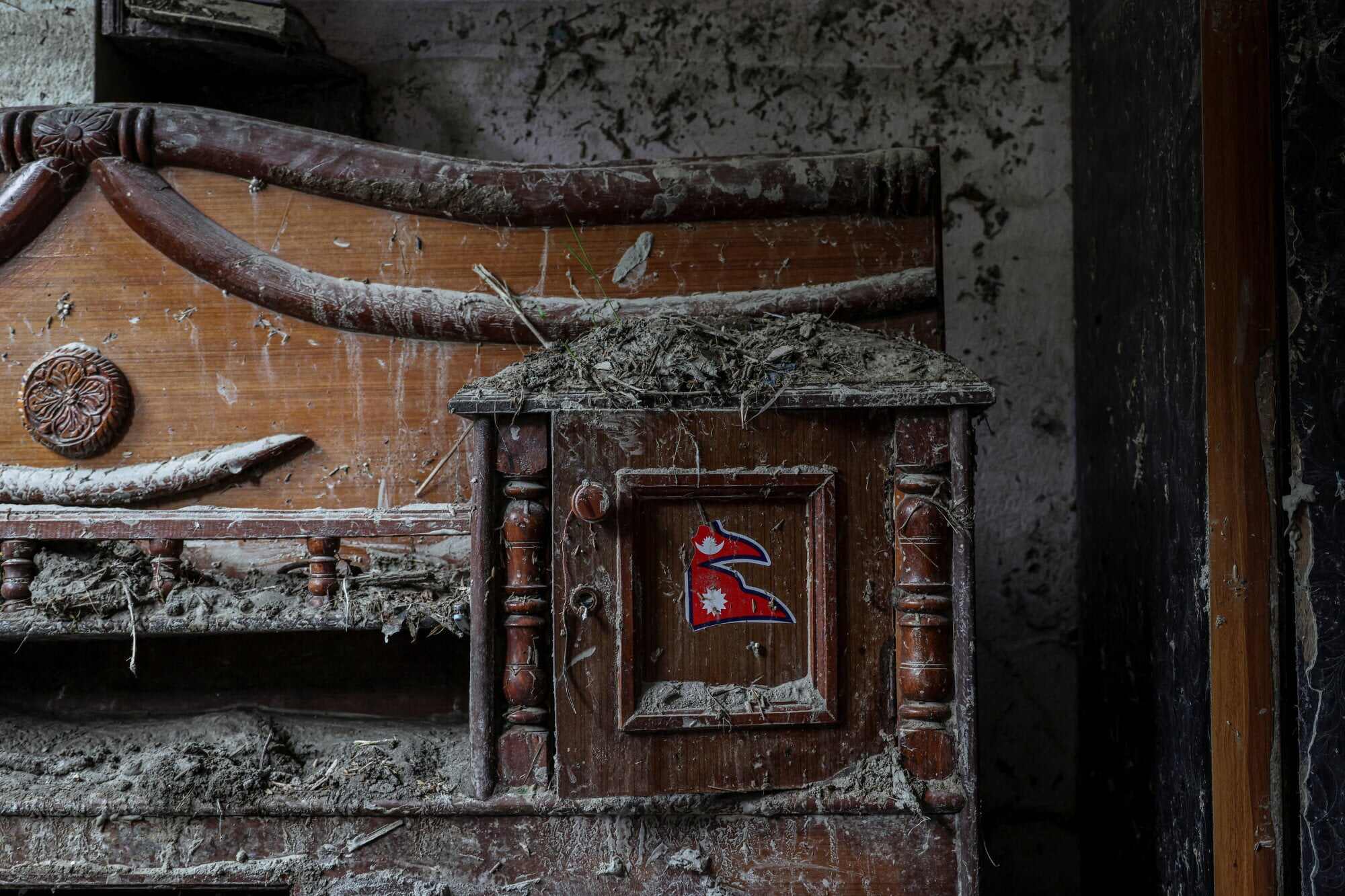
But experts say the disaster fits a broader pattern across the Himalayas, where rising temperatures accelerate glacier melt, weaken frozen slopes and increase the risk of cascading hazards such as ice-rock avalanches, landslides and flash floods.
Nepal faces these mounting risks despite contributing little to the emissions driving them: a 2022 World Bank report put its share of global greenhouse gas emissions at about 0.1 per cent. And the number of people in Nepal affected each year by climate-linked river flooding could more than double to 350,000 by 2030, up from 157,000 in 2010.
For young Nepali activists like Alina, that means building a future in a country acutely exposed to a crisis it did little to create.
The latest catastrophe has deepened anxieties that already shape their studies, family lives and future plans, adding urgency to their demands for climate justice.
A 2024 Unicef report, citing a U-Report poll of 2,506 young respondents in Nepal, found that 46 per cent were very or extremely worried about climate change, with another 32 per cent a little worried.
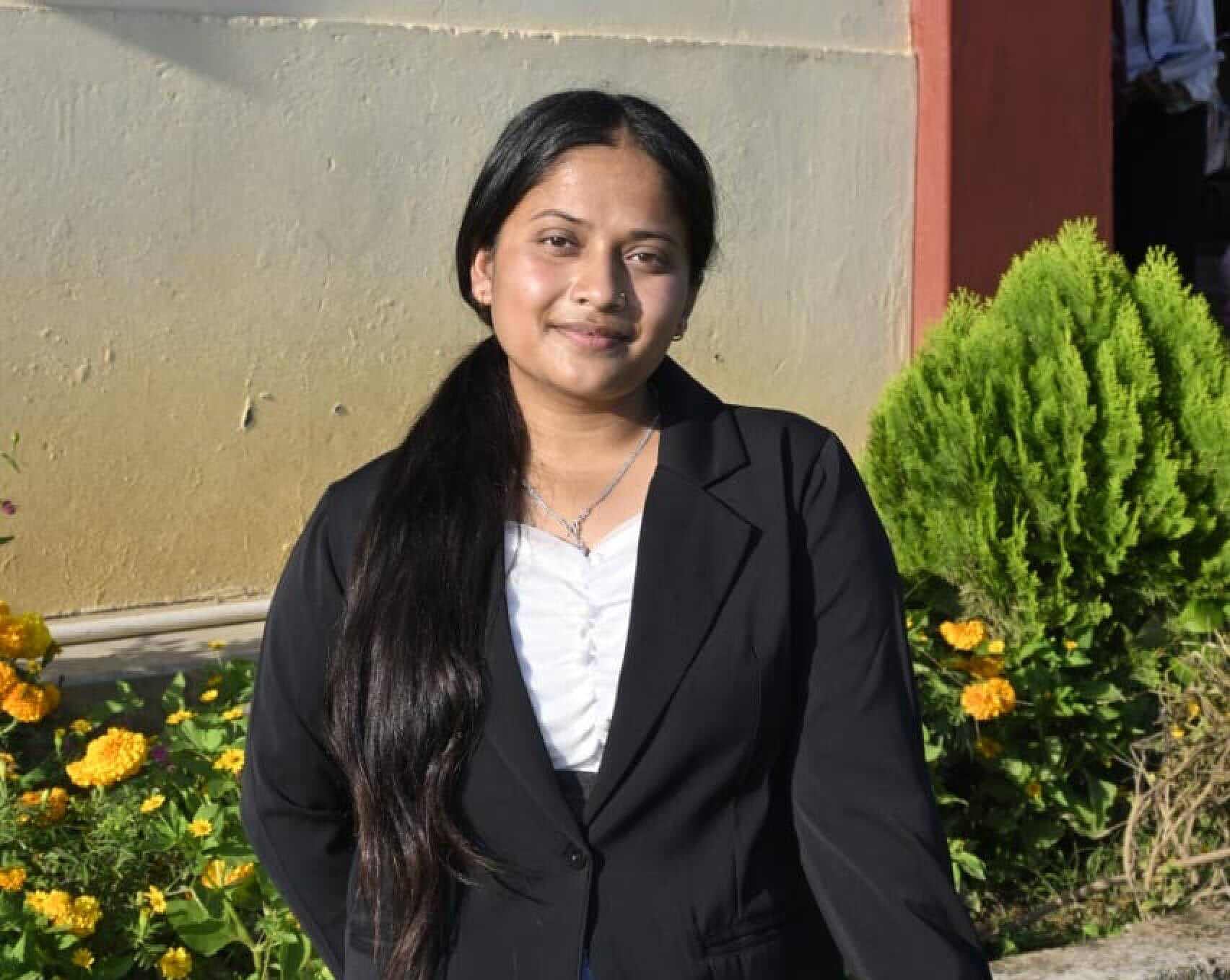
Those concerns sit alongside the trauma experienced by survivors. Activists and development specialists say the emotional toll deserves greater attention, even as communities scramble for basic shelter and survival.
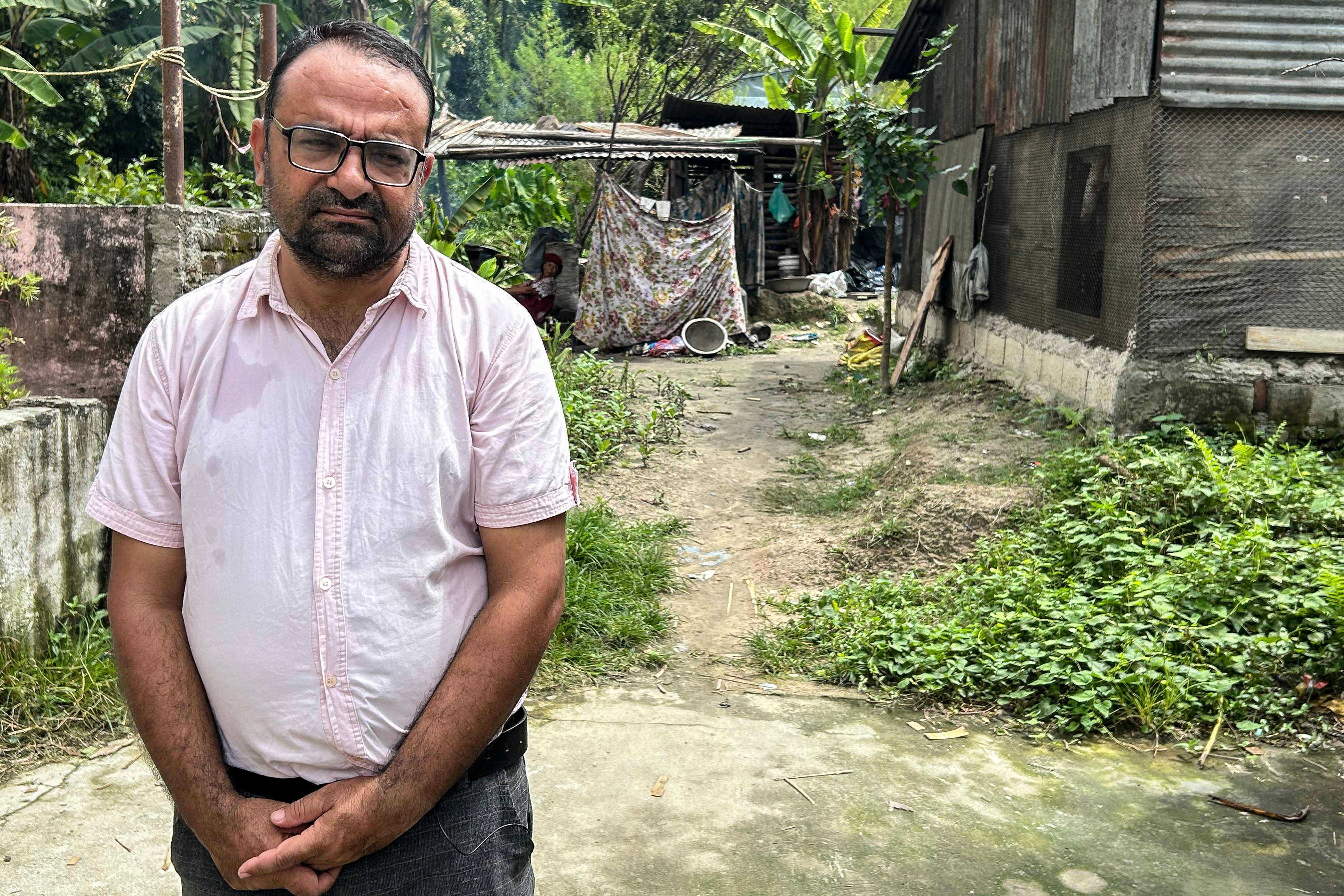
Bimal Regmi, a senior consultant for climate change and disaster risk management at Oxford Policy Management Nepal, said losses were not just economic. Bereavement, psychological distress and the destruction of places of worship and community spaces were often overlooked.
“People’s [lives] can’t be judged in economic value,” he said. “People’s culture, loss of biodiversity, mental and other stresses can’t be counted in US [dollars].”
For Alina, concerns about the future begin right outside her window in the Annapurna Rural Municipality of Kaski district, where Machhapuchhre – the twin-pointed Himalayan peak also known as Fishtail – dominates the skyline.
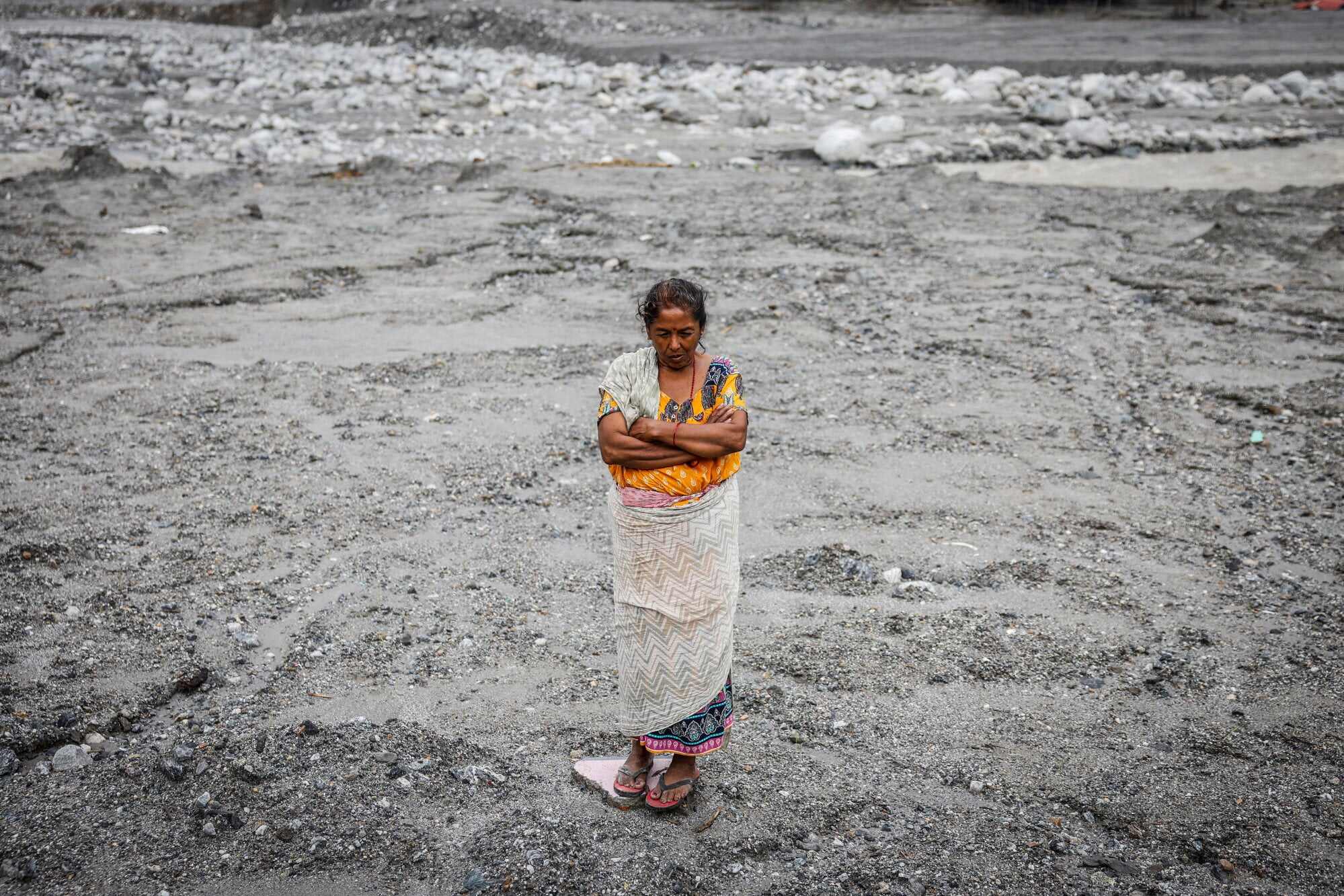
She long associated the mountain with snow and light. Recently, however, its appearance has changed dramatically. “I used to see the white, shining mountains, but Machhapuchhre is becoming like a black rock,” Alina said.
She described hotter summers in a region where fans and air conditioning once seemed unnecessary, as well as erratic rainfall that had disrupted planting and reduced harvests for her family, who relies mainly on agriculture.
Alina said her forestry studies had heightened her awareness of ecosystem threats, making it harder to switch off. She said she often imagined what Nepal might look like in 50 years and where displaced mountain communities would go.
“Nepal is a small country,” she said. “What will happen if the snow melts? If the glacier outbursts, what will happen to the people from the mountains? Will the land of Terai [Nepal’s southern lowland belt] be enough for them, for all the shifted people?”
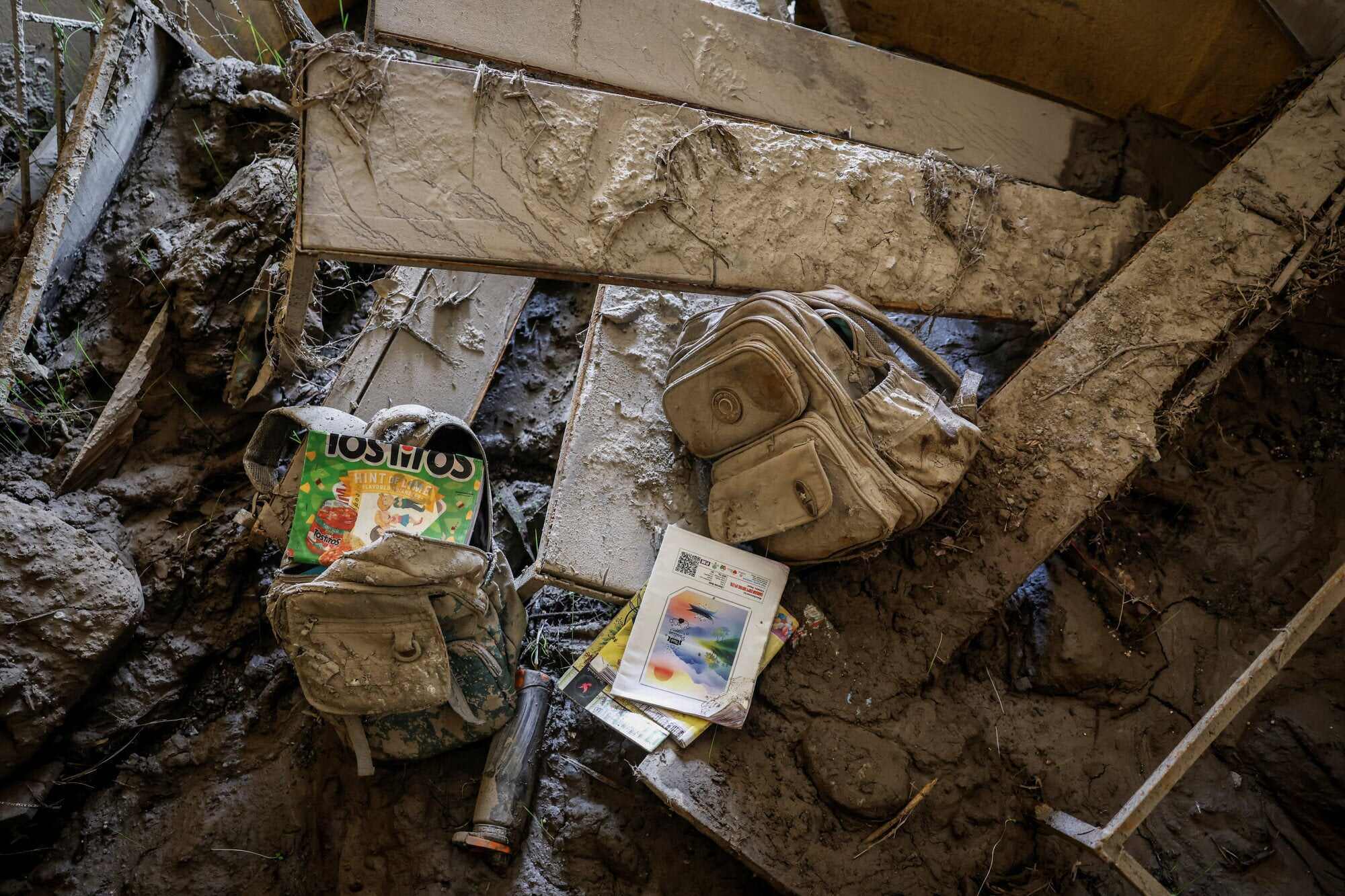
Aakriti Dotel, national network coordinator at Nepalese Youth for Climate Action, saw the fear in flood-ravaged regions first-hand while researching disaster-related trauma in Melamchi in 2024.
She found children haunted by a mix of fear for the future and grief for the past. Many told her they were frightened by the sound of the river. Others had lost contact with friends who had moved away, while damaged infrastructure blocked their routes to school and destroyed their play areas.
Khusbu Paudel, a programme coordinator at Ipas Nepal focused on climate change and gender health, said the urgency of saving lives and recovering belongings often sidelined mental healthcare.
“In affected regions, people are thinking more about how to save [their] lives, how to get [their] belongings and everything,” she said. “And the people affected in the disasters … I think the psychosocial thing [is not] a priority for people.”
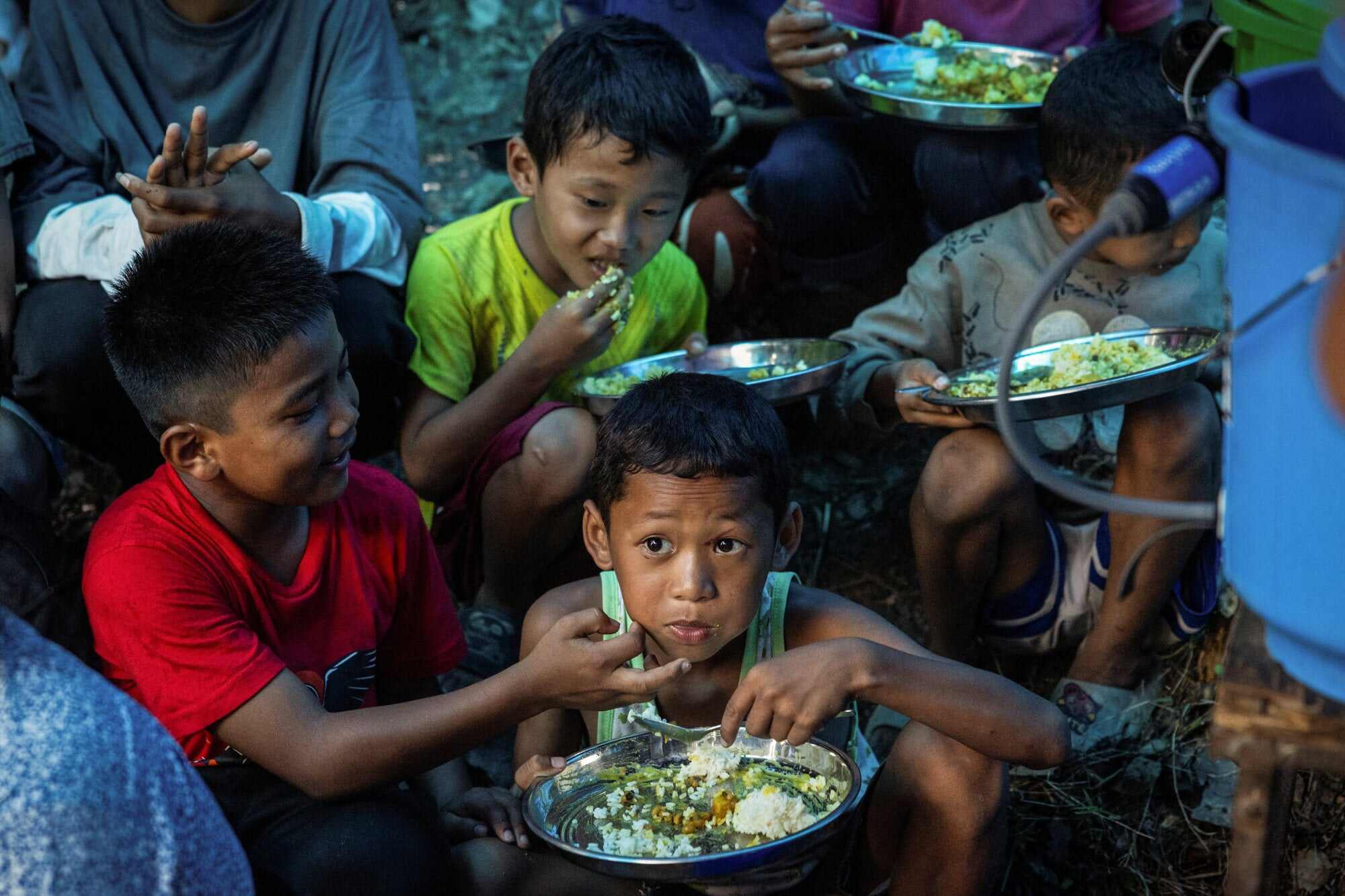
Although government agencies and other organisations were increasingly adding counselling services into disaster-relief health camps, Paudel said support remained inadequate and social stigma could discourage people from seeking help.
Efforts to bridge this gap followed the August disaster. Unicef said on Thursday that it was deploying psychiatrists, clinical psychologists and psychosocial counsellors alongside government teams to help affected communities.