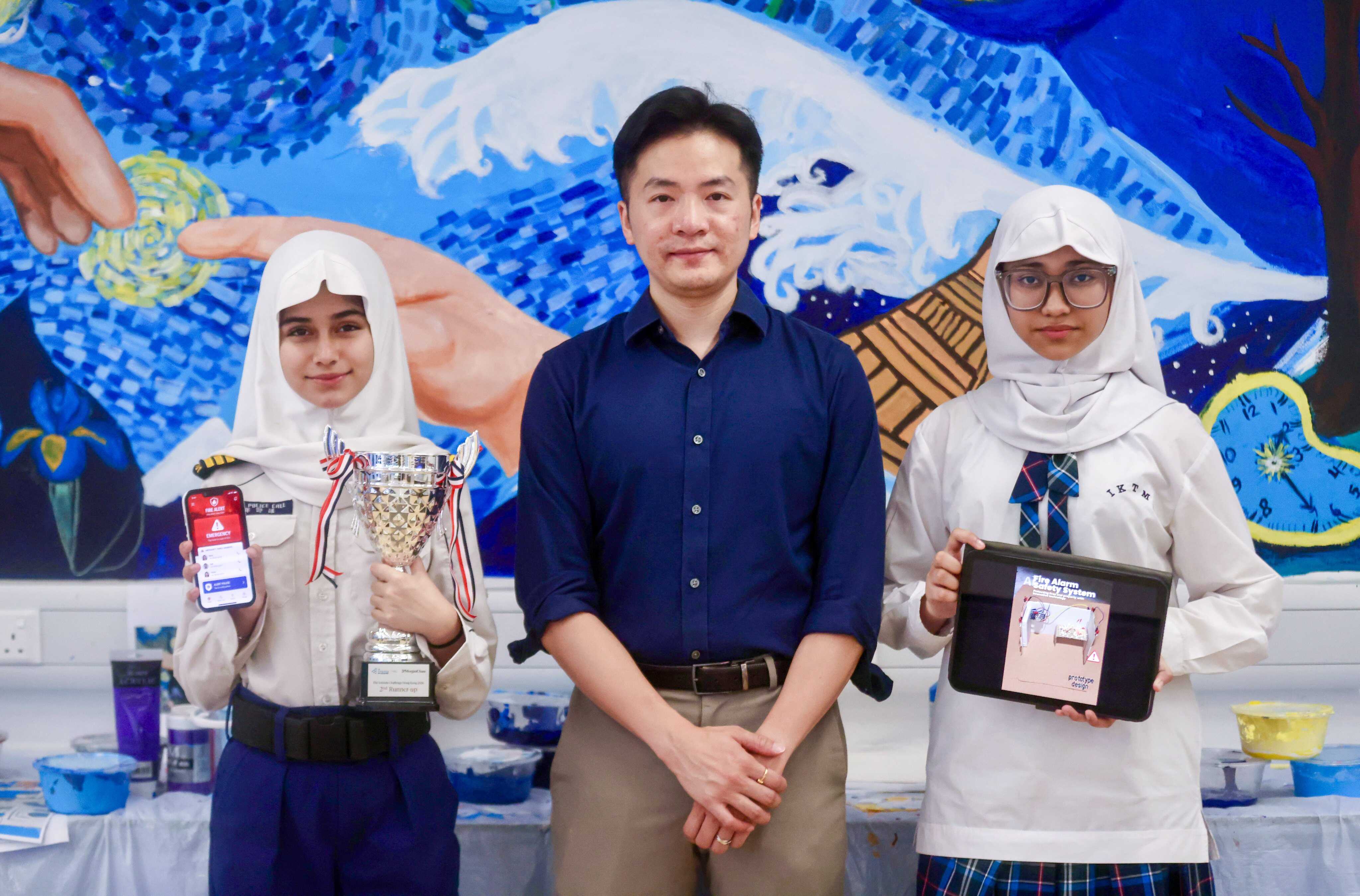
A terrible fire tore through a residential complex in Hong Kong last November. After the tragedy, teens Zarina Insar and Asmaul Husna Lazu – who goes by Asma – felt it was important to help their community.
The duo formed a team with six other schoolmates at Islamic Kasim Tuet Memorial College. They designed a prototype fire alarm system called Eldsafe 360.
The deadly blaze at Wang Fuk Court in Tai Po killed 168 people. Investigations found that the fire safety systems had been turned off. Many elderly residents failed to escape in time. This motivated Zarina and Asma’s team to design a system built for their needs.
“Many of these elderly ... were living alone, with limited resources, disabilities and visual impairments,” said Zarina, 15. “So, we decided to make that our target.”
The prototype has not been turned into an actual product. Still, the school’s STEAM coordinator, Lawrence Lam Man-fai, praised the idea. He said it merged science education and social care.
Designing Eldsafe 360
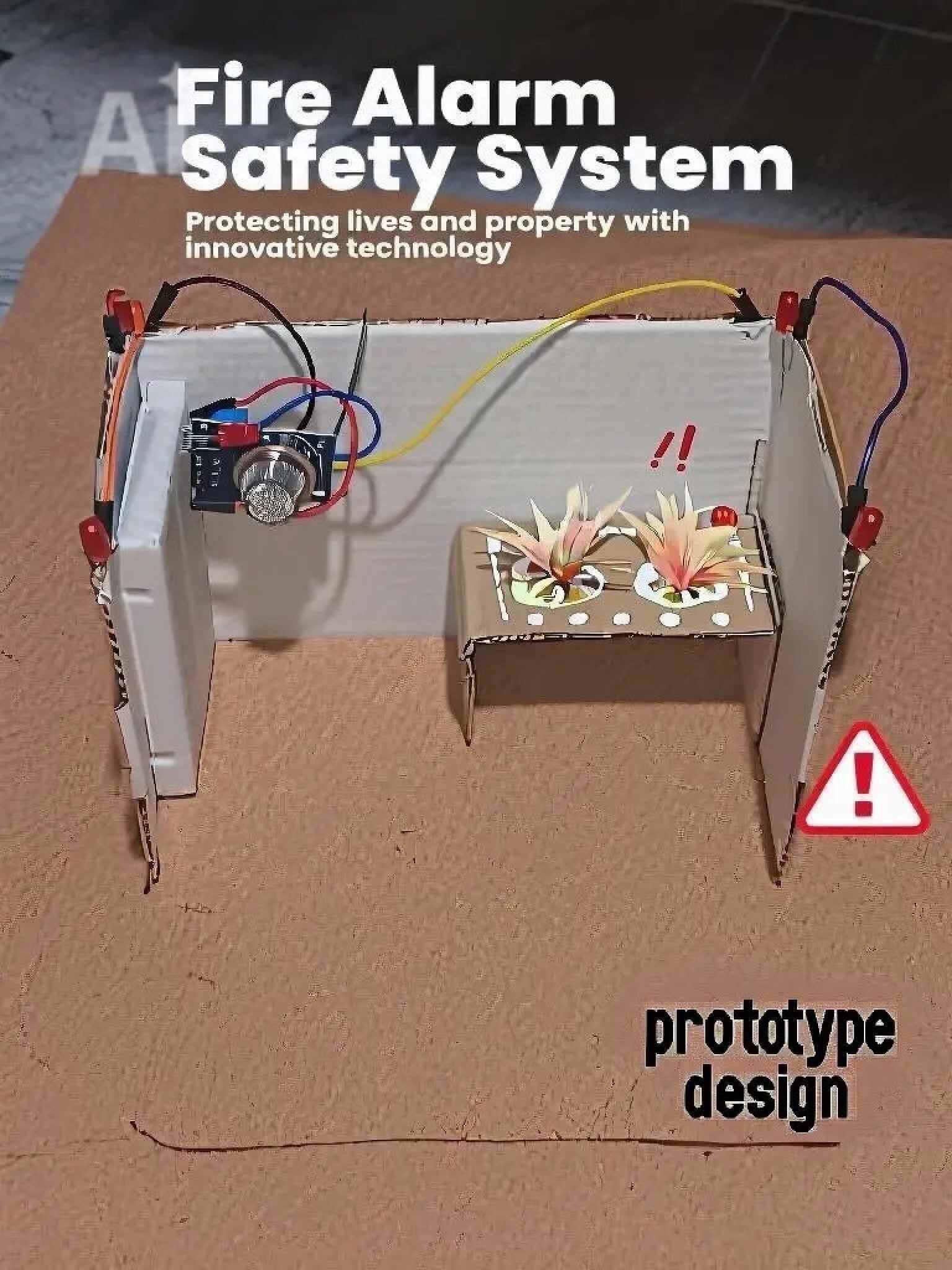
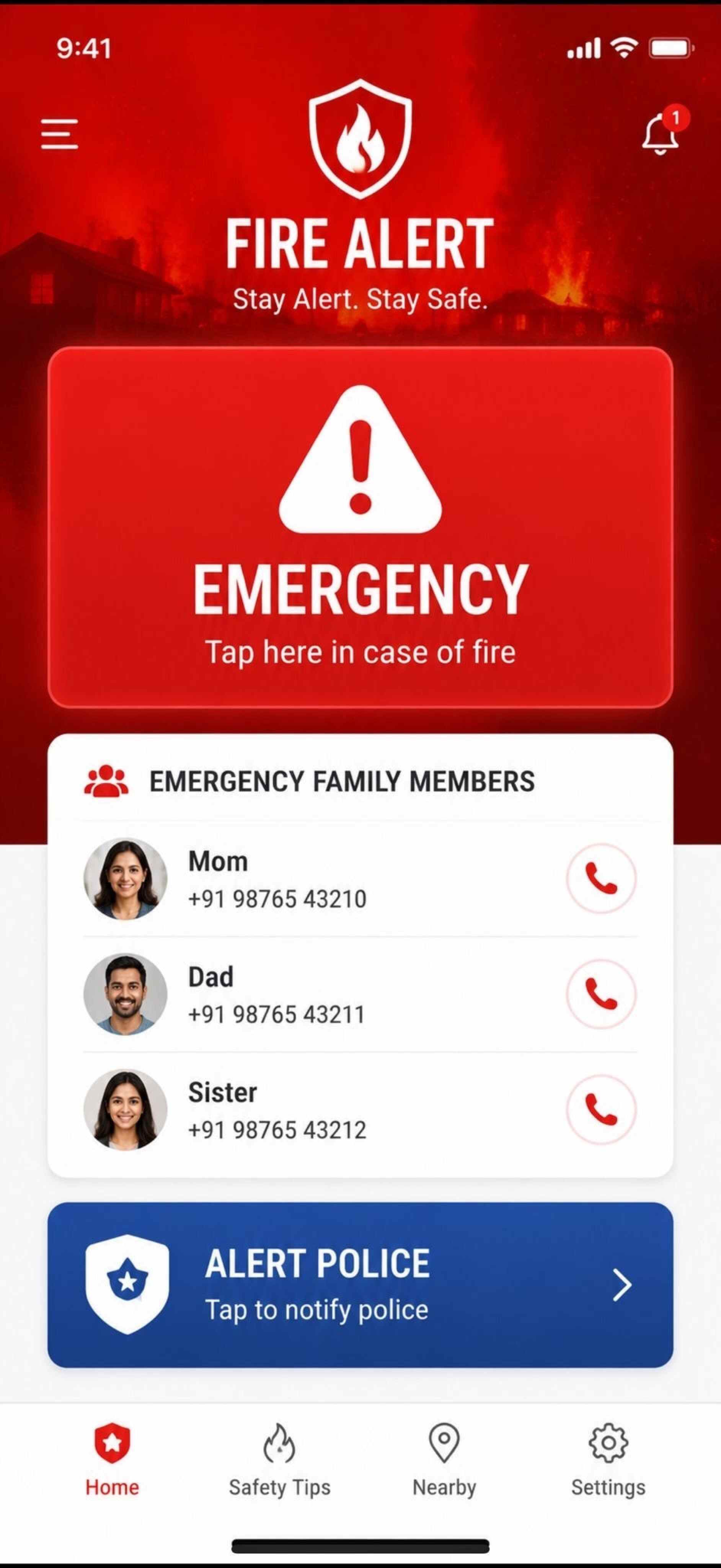
The prototype combines a temperature detector and a speaker. It also has an elderly-friendly mobile application.
Users can place multiple Eldsafe 360 detectors throughout the home. This allows them to monitor fast temperature changes in different rooms.
If a detector senses unusually high temperatures, the app’s display will turn bright red. It will also sound an alarm through the speaker.
If temperatures continue rising and users don’t act quickly, the app automatically alerts emergency services and pre-saved emergency contacts.
The team spoke to their elderly family members during the design process. This helped them learn what accessibility features to include. The app features high-contrast colours and large font sizes. It also has large touchpoints and text-to-speech tools.
“I think this is related to STEAM and technology. And I think this was a [good] chance for ... experiential learning,” said Asma, 16.
The prototype helped the team earn third place at the Schools Challenge Hong Kong 2026. It is a social innovation competition for junior secondary school students organised by Junior Achievement Hong Kong and JPMorgan Chase.
Lessons in preparedness
Joining this project changed how the students view safety and emergency readiness.
Zarina said she realised that emergencies are unpredictable. “In emergencies, the fact is that nobody can anticipate them,” she explained.
“The best thing to do is prepare for them. When [they] actually arrive, then you have things to protect [yourself] or others.”
In July, the Education Bureau announced new recommendations for the Health Management and Social Care (HMSC) curriculum.
HMSC is an elective subject in Hong Kong’s Diploma of Secondary Education (DSE) system.
The course will soon include topics on disaster management and emergency preparedness.

The new curriculum will launch in phases. It will begin with Form Four courses in the 2028-29 school year.
Zarina is a current HMSC student. She supported the updates, calling disaster awareness “essential”.
“It’s really important not only for HMSC students, but for everyone. In case of fire, you need to know where the emergency kit is, what [evacuation] location you need to have ... in your mind,” she said.
Lam suggested that the government expand the curriculum. He thinks these lessons should reach more students.
“If [the Education Bureau] believes this is important, they should also include parts of it in the junior curriculum. HMSC is only taken by a specific group of students. Some schools might not even offer the HMSC elective,” he said.
“More importantly, I think we need to help students understand how to prevent disasters from happening in the first place.”