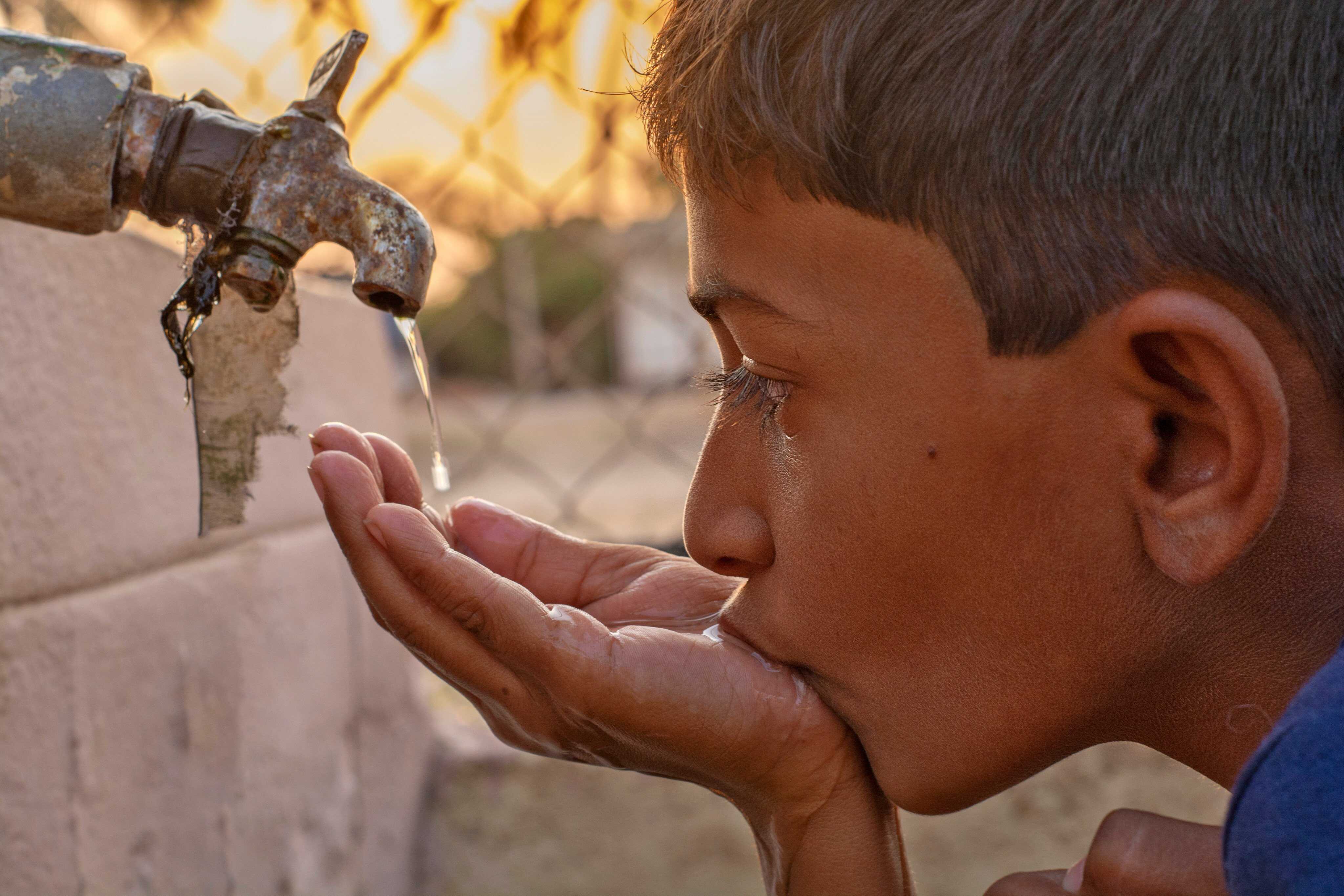
Last month, the United Nations said more than 2 billion people around the world still do not have access to safely-managed drinking water. They warned that we are not making fast enough progress to provide water for everyone.
The World Health Organization and Unicef said bad water, sanitation and hygiene (WASH) services were putting many people at higher risk of getting sick.
In a joint study, they said that the world is not on track to provide all these services to everyone by 2030.
“Water, sanitation and hygiene are not privileges: they are basic human rights,” said the WHO’s environment chief Ruediger Krech.
“We must accelerate action, especially for the most marginalised communities.”
Drinking water service progress
The report looked at five levels of drinking water services (see graphic).
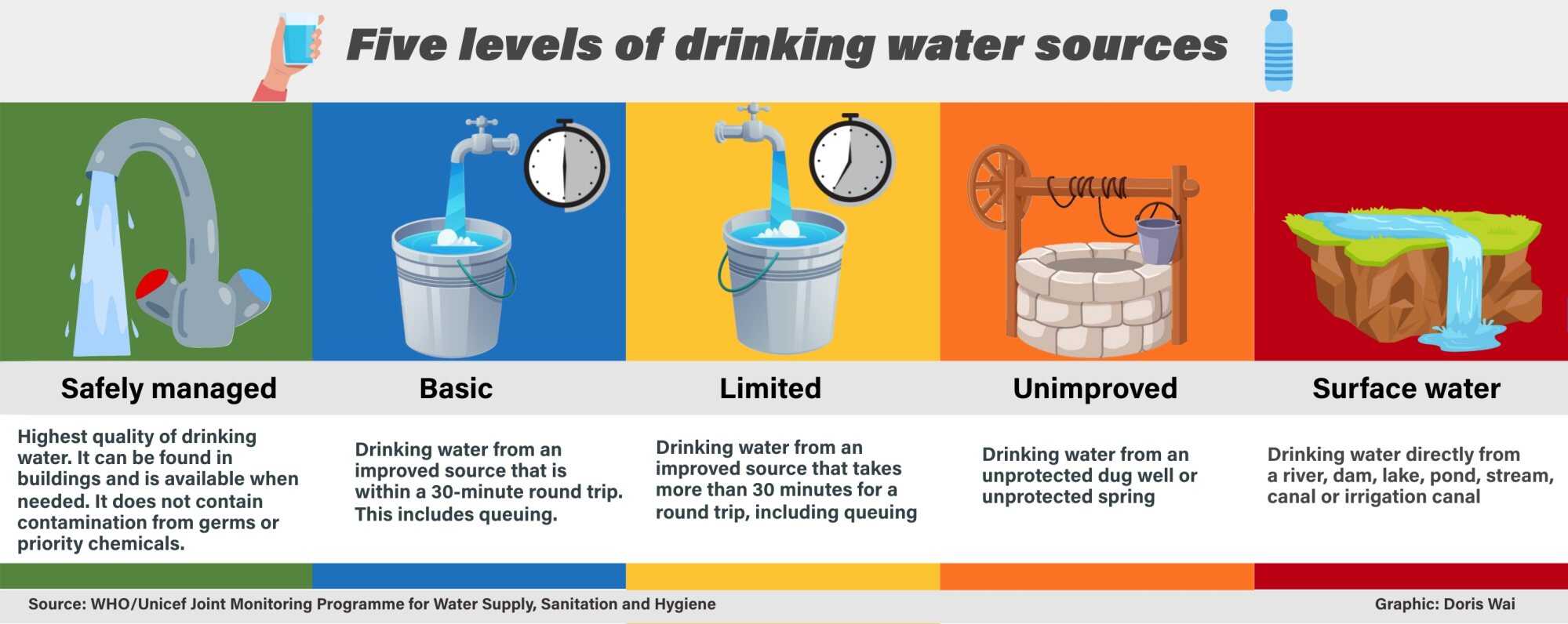
Since 2015, 961 million people have gained access to safe drinking water. The coverage went up from 68 per cent to 74 per cent.
Last year, 2.1 billion people still didn’t have safe drinking water services. Out of these, 106 million were using surface water, which is 61 million fewer than a decade ago.
The number of countries that don’t use surface water for drinking went up from 142 in 2015 to 154 in 2024.
In 28 countries, more than one in four people still didn’t have basic water services. Most of these places were in Africa.
Sanitation access
Since 2015, 1.2 billion people have gained access to safely managed sanitation services. Coverage has risen from 48 per cent to 58 per cent.
These are better facilities that are not used by other households. Excreta is also thrown away safely or treated somewhere else.
Since 2015, 1.6 billion people have gained access to basic hygiene services – specifically, a hand washing facility with soap and water at home. Coverage has increased from 66 per cent to 80 per cent.
“When children lack access to safe water, sanitation and hygiene, their health, education, and futures are put at risk,” warned Cecilia Scharp, Unicef’s director for WASH.
What is the difference between an improved and an unimproved water source?
An improved water source is one that is protected from germs. The water is more likely to be safe to drink without further treatment. Examples of improved water sources include water that comes into homes through pipes and public taps.
These water sources are separated from human and animal waste, which can cause disease.
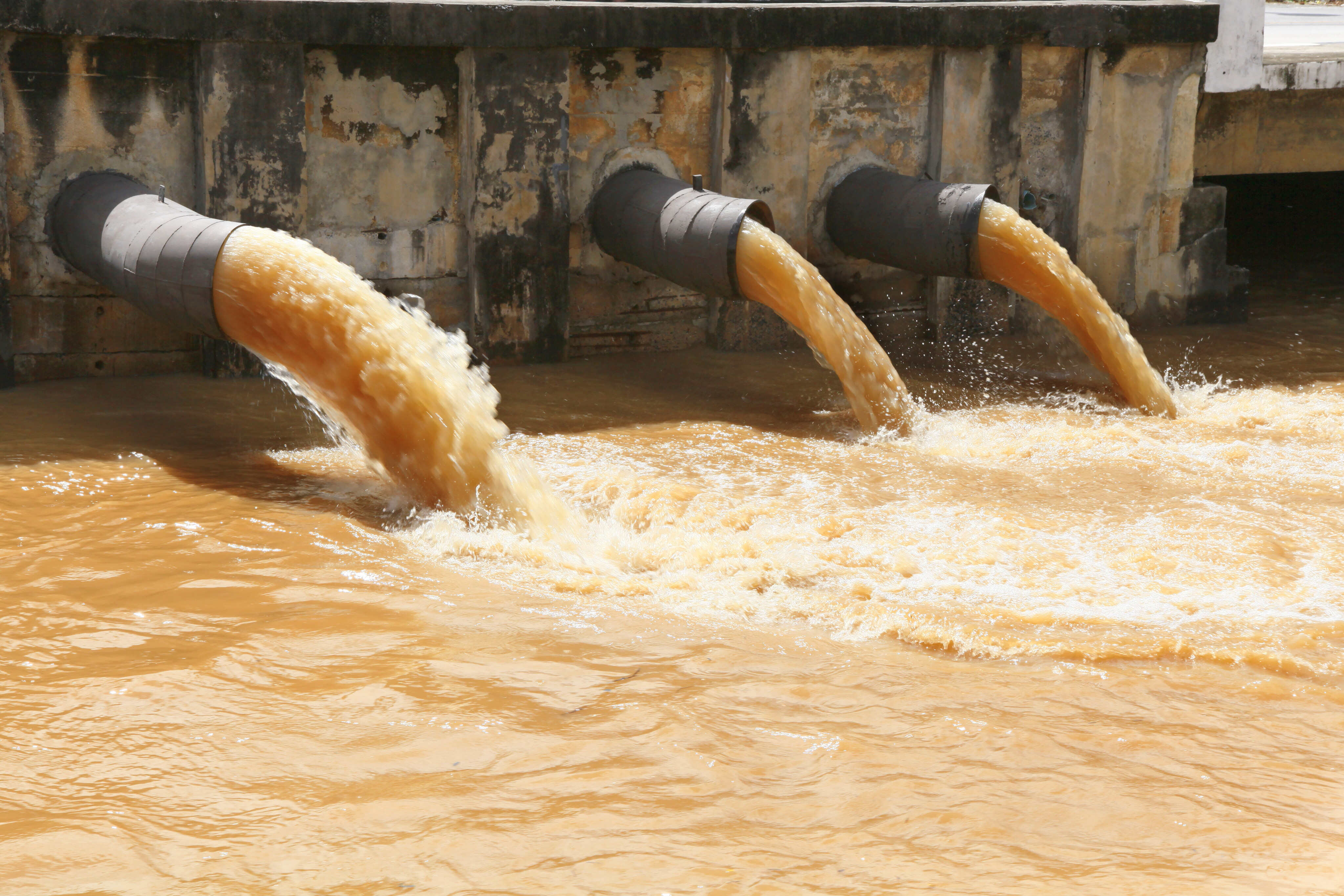
An unimproved water source does not offer the same level of protection from germs. Water from these sources is at a higher risk of being unsafe to drink. Examples include wells that do not have a proper wellhead or cover and surface water from a river, dam, lake, pond or stream. Currently, 452 million people do not have access to safe drinking water.