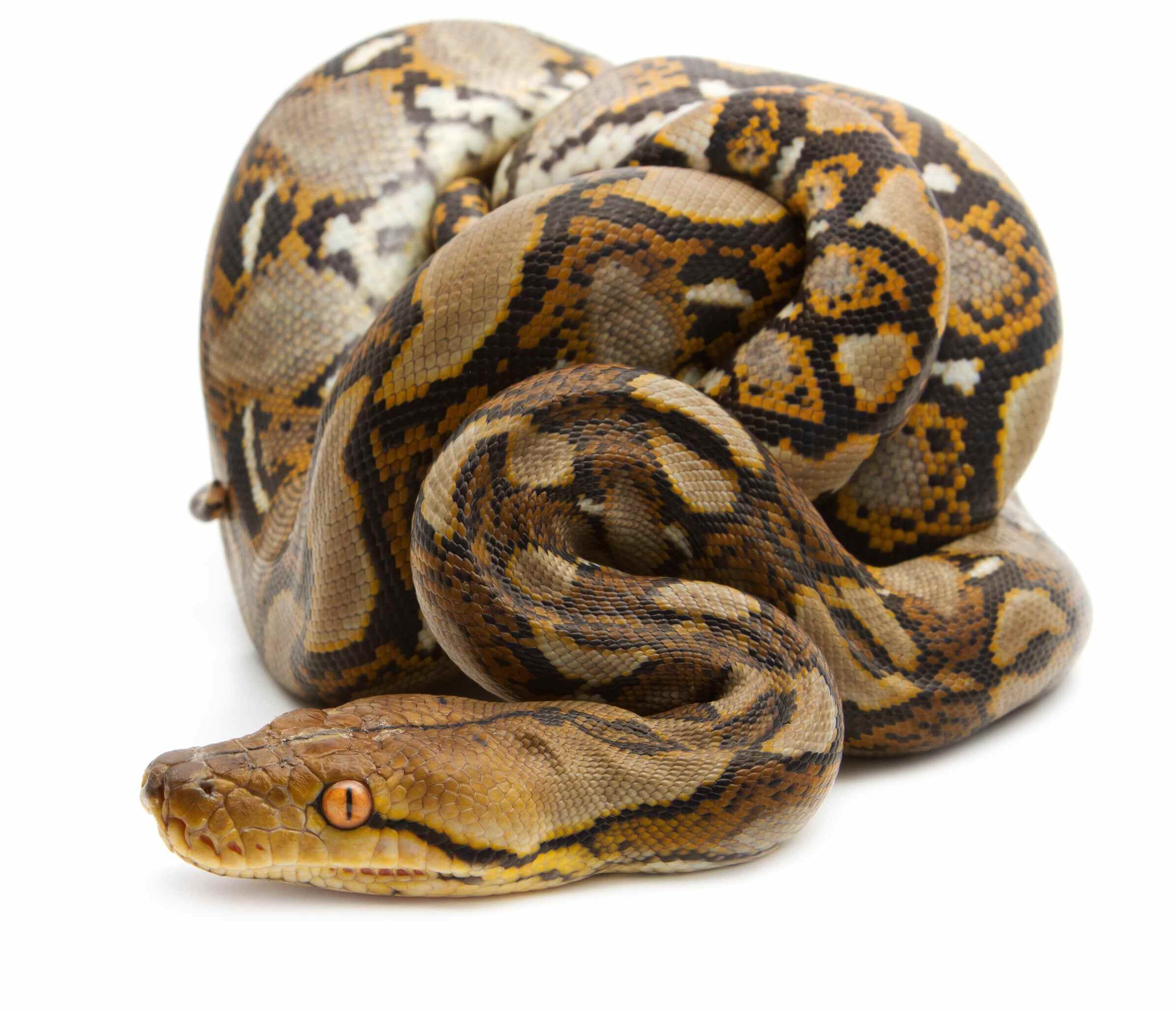
Biologists have found a compound in python blood that helps the reptiles eat huge meals and go months without eating while staying healthy.
Some pythons can grow to be more than six metres long. They can swallow a whole antelope and survive months or even years without eating. Still, their hearts and muscles stay strong.
Leslie Leinwand of the University of Colorado Boulder and Jonathon Long of Stanford University did this research together. The US scientists wanted to understand the python’s eating abilities.
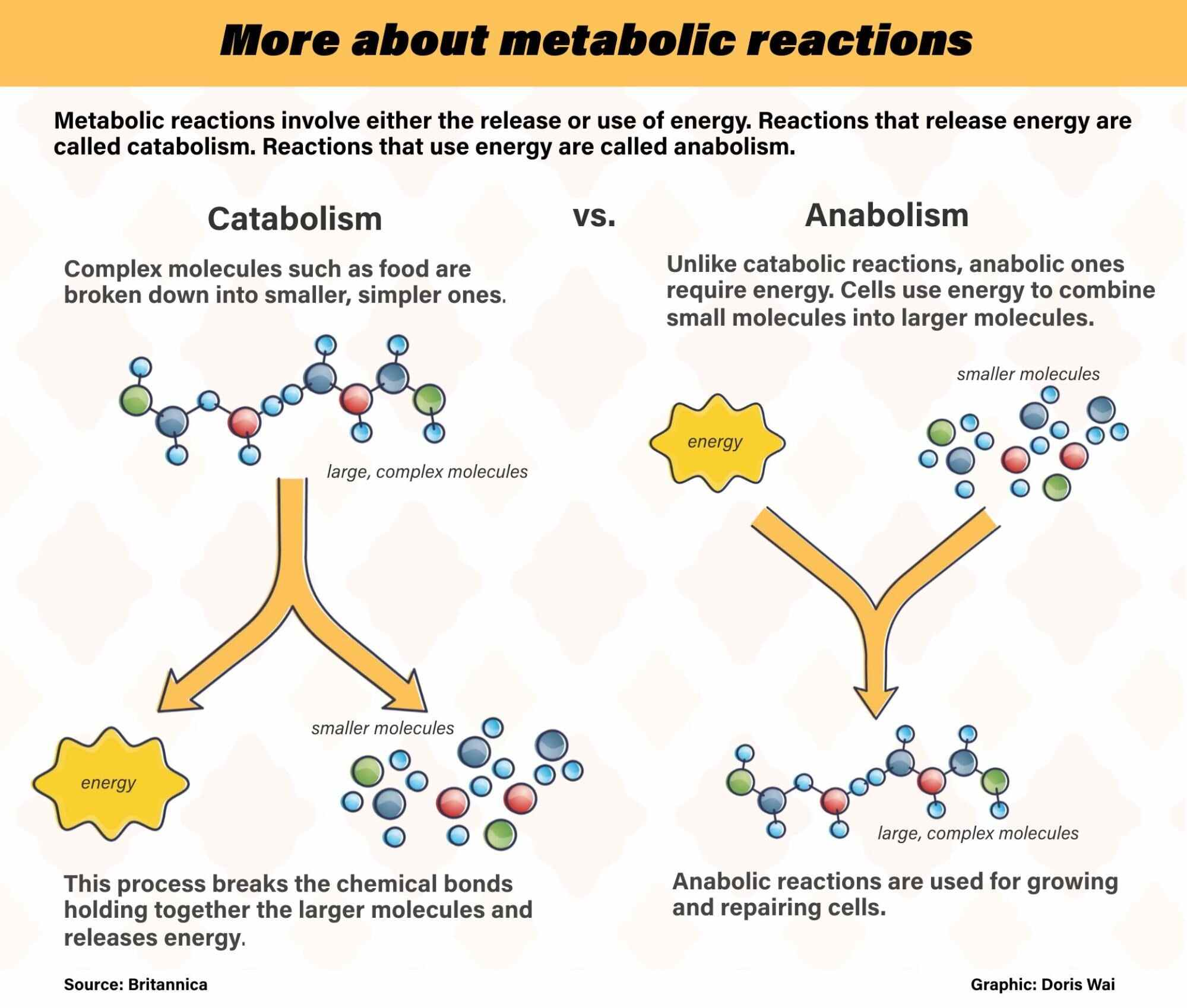
Metabolism is the process of turning food into the energy and chemicals needed to power the body (see graphic). Metabolites are small molecules in the blood that are made or used during metabolism.
For their study, Leinwand and Long fed pythons once every 28 days. Right after a meal, the scientists tested the snakes’ blood.
They found 208 metabolites that increased significantly after eating. One molecule, called para-tyramine-O-sulphate (pTOS), rose by 1,000 times.
“Obviously, we are not snakes,” Long said. “But maybe by studying these animals, we can identify molecules or metabolic pathways that also affect human metabolism.”
They did more experiments with researchers from Baylor University. The scientists tested pTOS in mice. They found that giving high doses of pTOS to both obese and lean mice reduced their appetite.
The metabolite affected the brain’s appetite centre, called the hypothalamus. But it did not cause digestive issues, muscle loss or reduced energy.
The snakes’ gut bacteria make pTOS. It can’t be found naturally in mice.
But it is found in humans at low levels and rises a bit after a meal. In future studies, the team plans to explore how pTOS affects humans. They also want to understand other metabolites that surge after pythons eat.
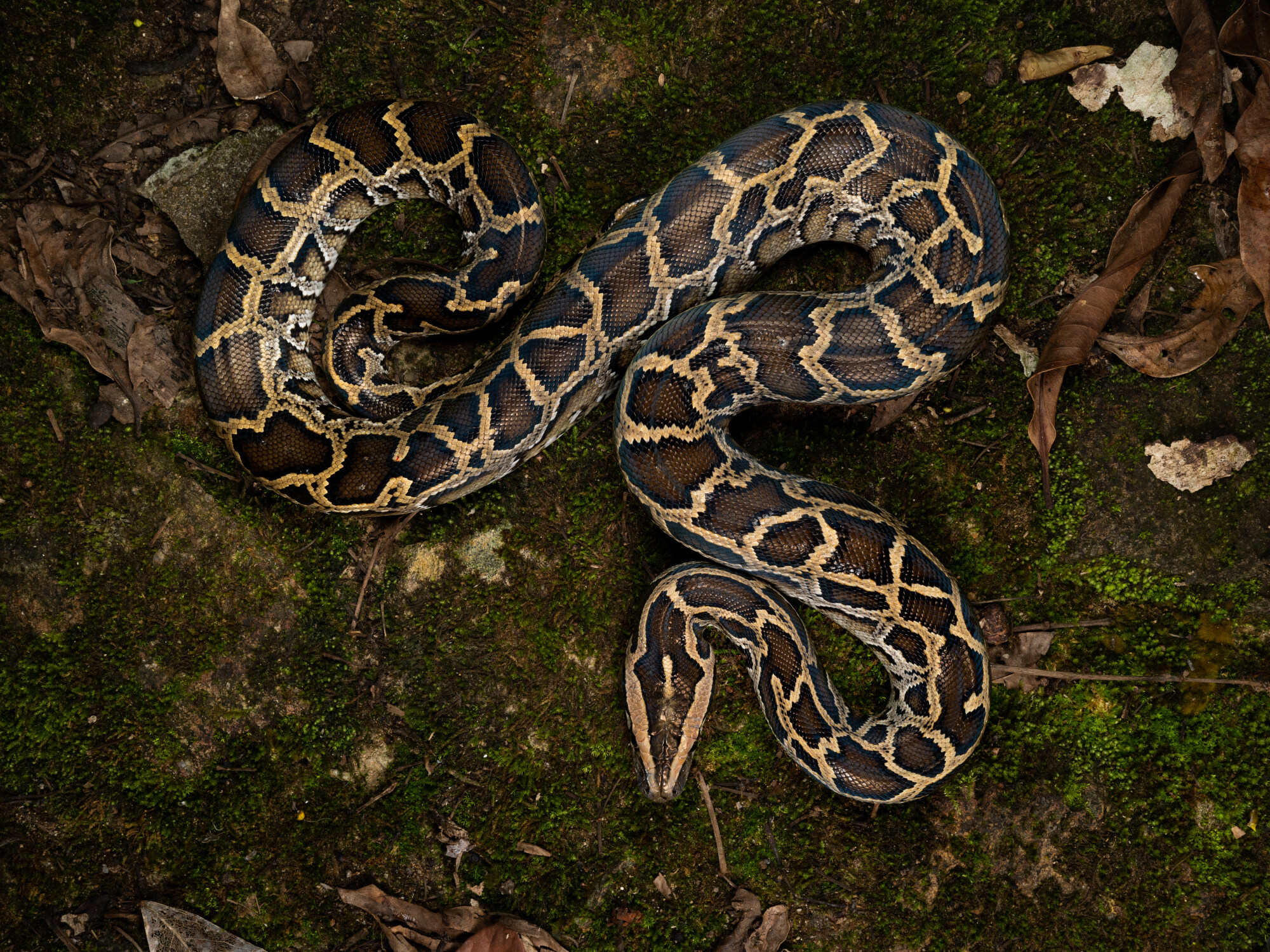
Besides their slow metabolism, how else do snakes survive when there is no food?
Unlike mammals, snakes do not create their own body heat. They rely on heat from the environment, such as the sun. This means they need less energy to function, and they can keep a low metabolism.
During long periods without food, snakes can reduce their metabolic rate by up to 70 per cent. They save energy by shutting down some bodily functions.
For example, snakes can stop their digestive system. They can also shrink their internal organs and stay still to avoid burning more energy.
Also, snakes use fats and nutrients stored in their bodies when there is no food. They reuse these to keep up their main functions. They can even change stored fats and nutrients into muscle and bone. This way, they keep growing even if they have not eaten for months.