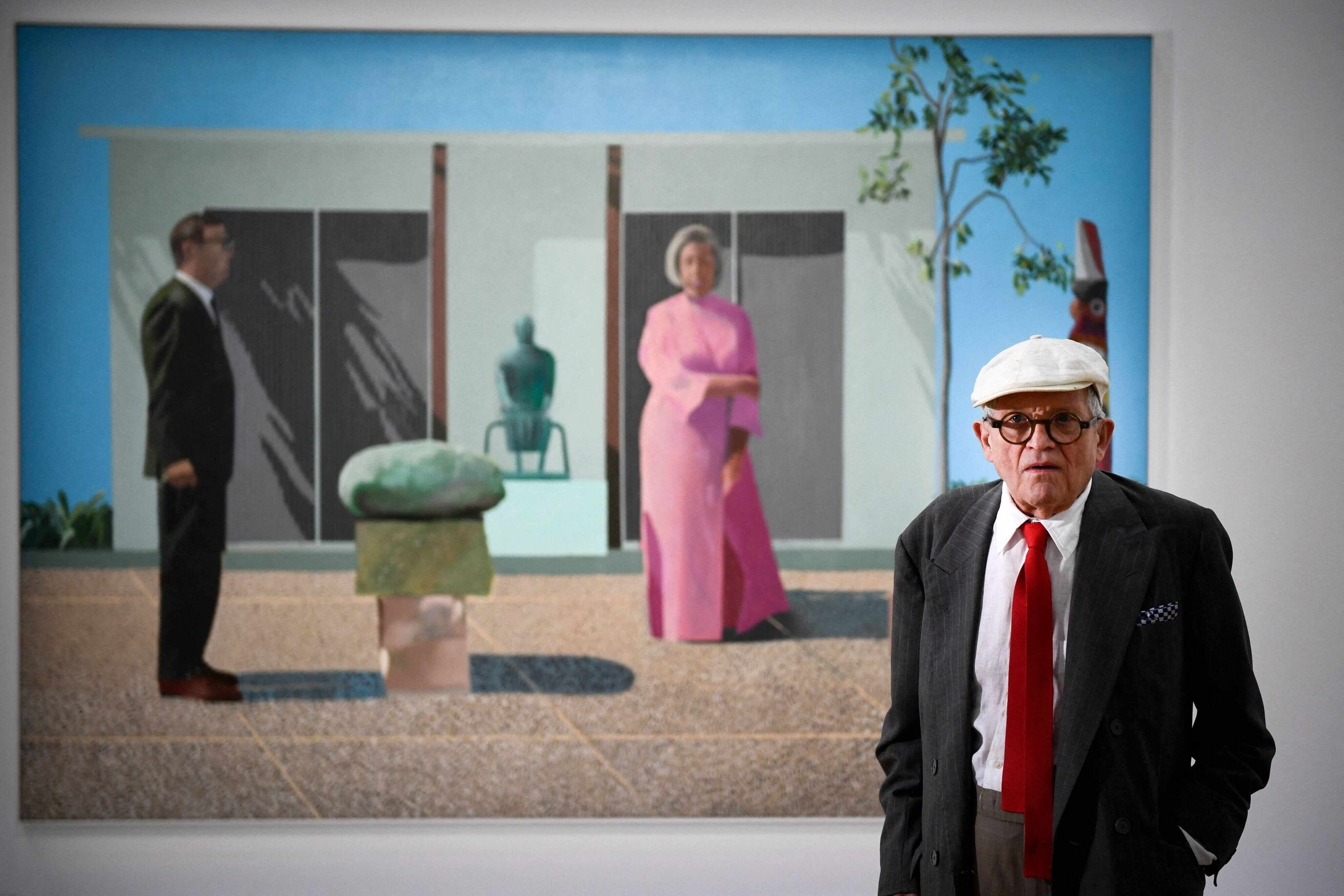
British artist David Hockney, one of the most influential and defining figures in contemporary art whose paintings captured the world in brilliant colour, has died at age 88, his publicist announced earlier this month.
Tributes poured in for the 1960s pop art pioneer who established himself as a globally renowned painter and master draughtsman and kept painting, experimenting and exhibiting right up until his death.
“I think I’ve something to say to people – that’s why,” he told the Daily Telegraph in October in his last major interview.
Lauding him as “one of the most important figures in contemporary art in both the 20th and 21st centuries”, his publicist Erica Bolton said he died “peacefully at home” in London on June 11, a month before his 89th birthday.
“His seven-decade career and prolific oeuvre were characterised by his multimedia approach in image making, an intellectual inquiry into the nature of depiction and perspective, and a sustained commitment to celebrating and portraying the world around him,” her statement added.
According to his publicist, he is survived by his long-time partner Jean-Pierre Goncalves de Lima, two brothers and “numerous nieces, nephews, great-nieces and great-nephews”.
Acclaimed worldwide, Britain made him a Companion of Honour in 1997. Earlier this year, Hockney became one of the few non-French citizens to be awarded the highest level of France’s main civilian honour, the legion d’honneur.
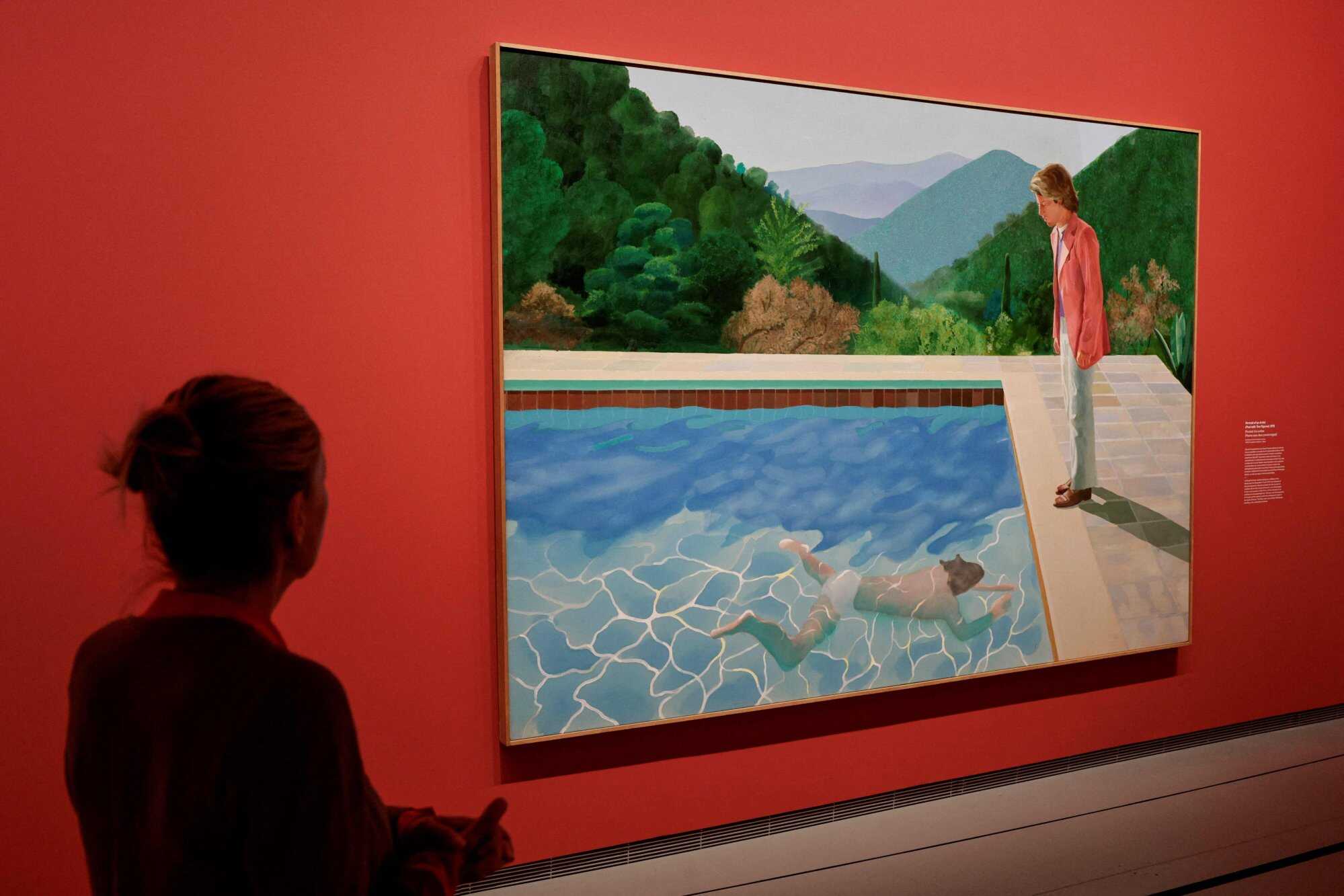
“His huge achievement was to make serious painting look effortless,” art historian Richard Morris said on social media.
“He carried forward one of the most sustained investigations into vision, space and representation by any post-war artist. British art has lost a giant.”
The Pompidou Centre in Paris – which held landmark Hockney exhibitions in 1999 and 2017 – said he was “creative to the end of his life by constantly renewing his ideas”.
The works he leaves behind remain “dazzling, alive and eternal”, it added.
Born the fourth of five children in 1937 in Bradford, northern England, Hockney defied the conventions of post-war Britain and wanted to be an artist.
A conscientious objector who did military service as a hospital orderly, he trained at the Bradford School of Art and then at London’s Royal College.
“His early work demonstrated a bold stylistic range, and even then, he was recognised as a master draughtsman and a rising star in British art,” the college said in a tribute on Instagram.
He remained “a defining voice in art across his lifetime,” it added.