YoungPost Club Learn
DOWNLOAD OUR APP
appstoregoogleplay
FIND US AT
My JourneyMy Vocabulary BuilderMy Leaderboard
My AccountSearchFAQAbout UsContact Us
Subscription Plan
School Subscription
YOUNG POST
NewsTrendingBeing wellLearning zoneShare with usQuizzes
SPARK
NewsTrendingBeing wellLearning zoneShare with usQuizzes
POSTIES
Big readEye on the newsHa-ha-happeningsThings to doYour saySteam studioHealth and happinessQuizzes
Subscribe to Young Post Club to access our great content
ABOUT US|CONTACT US|WRITE FOR US|PRIVACY POLICY|TERMS & CONDITIONS
©2026 Young Post Club. All rights reserved.
My Journey Hello
Brand Avatar
Young Post
My Journey illustration

With a subscription, you can answer quizzes and track your reading progress.

result
Learn new words with our vocabulary challenge!
My Journey illustration

With a subscription, you can answer quizzes and track your reading progress.

result
Learn new words with our vocabulary challenge!
My Journey illustration

With a subscription, you can answer quizzes and track your reading progress.

News / World

How a TV game show in Nigeria helps people connect with their mother tongue

The show tests people on their knowledge of Yoruba, one of the most widely spoken languages in the country
byAssociated Press
Published: 1:00am, 19 Sep 2026
Length: 191 words
How a TV game show in Nigeria helps people connect with their mother tongue

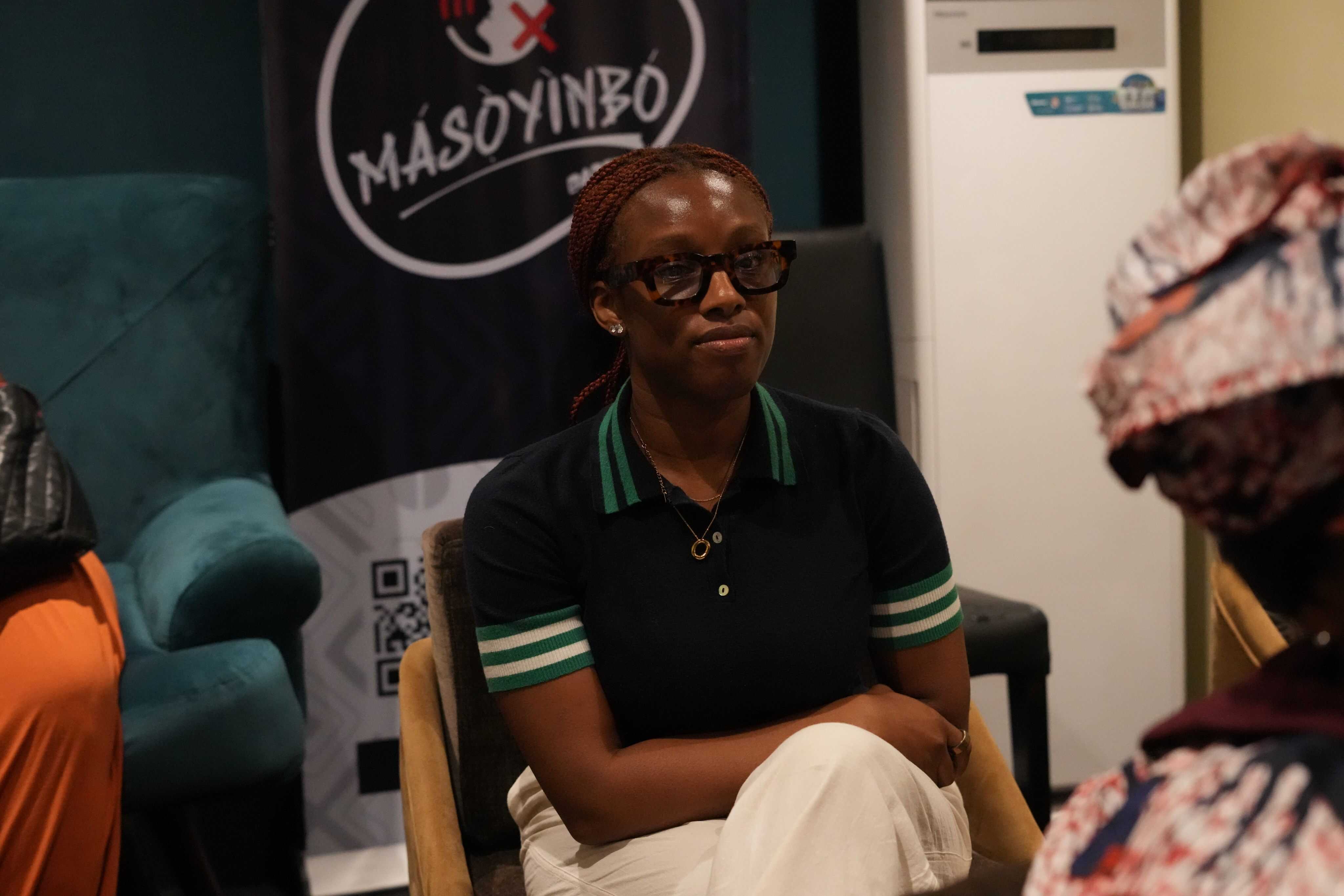
Tomi Adeshokan, a Yoruba language student, attends a game show called Masoyinbo, which translates to “Do not speak English”. Photo: AP

A television game show in Nigeria has a strict rule: if you speak English, you lose.

Tomi Adeshokan lives in the United States and is learning her parents’ native language, Yoruba. For her, being in the audience of this show is a great way to practise Yoruba. It is one of Nigeria’s most widely spoken languages.

Olalekan Fabilola, the show’s host, started it in 2024. He sees the show as part of a wider change.

“We are in the age ... [when] people want to go back to their roots,” he said.

This show is part of a new wave of interest in African languages. For many years, colonial rule pushed these languages to the side.

Experts say people of African descent living in other places are finding new ways to connect with their roots through social media and shows.


IN THIS ARTICLE
Africa
Language
Traditions
KEEP READING
cover
Stories
Nigeria’s ‘Nollywood’ film industry embraces YouTube
28 Apr 2025
cover
Global
Hong Kong immigrant mums’ Cantonese books teach kids their mother tongue
05 Jan 2025
cover
News
Last known speaker of South African indigenous language fights for preservation
16 May 2023