Have something to say? Send us a letter using this form.
Emotions of classical dance
Disha Santhosh Kumar, Sha Tin College
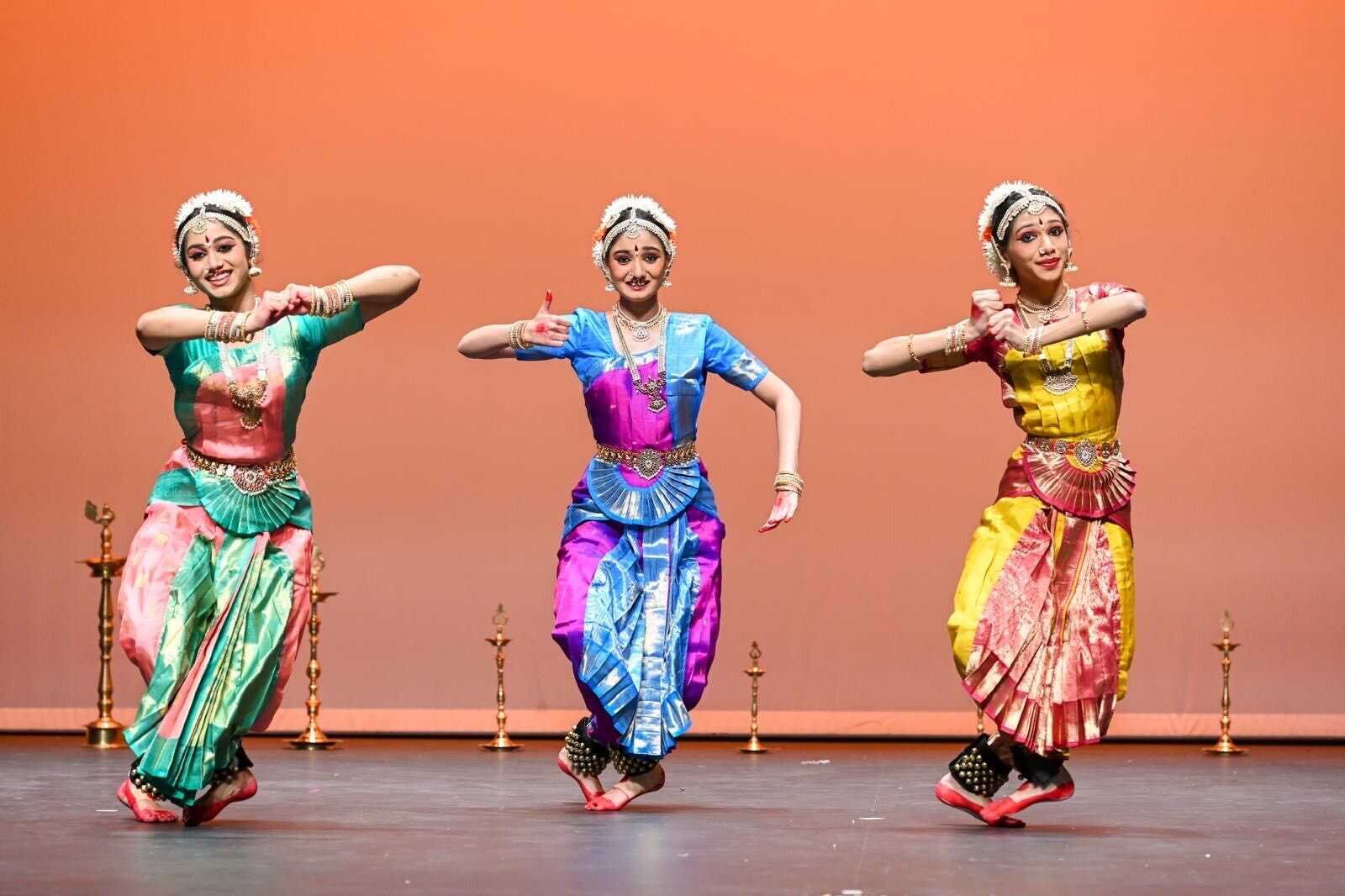
Bharatanatyam is a classical dance form that represents India’s rich cultural legacy, particularly the southern state of Tamil Nadu.
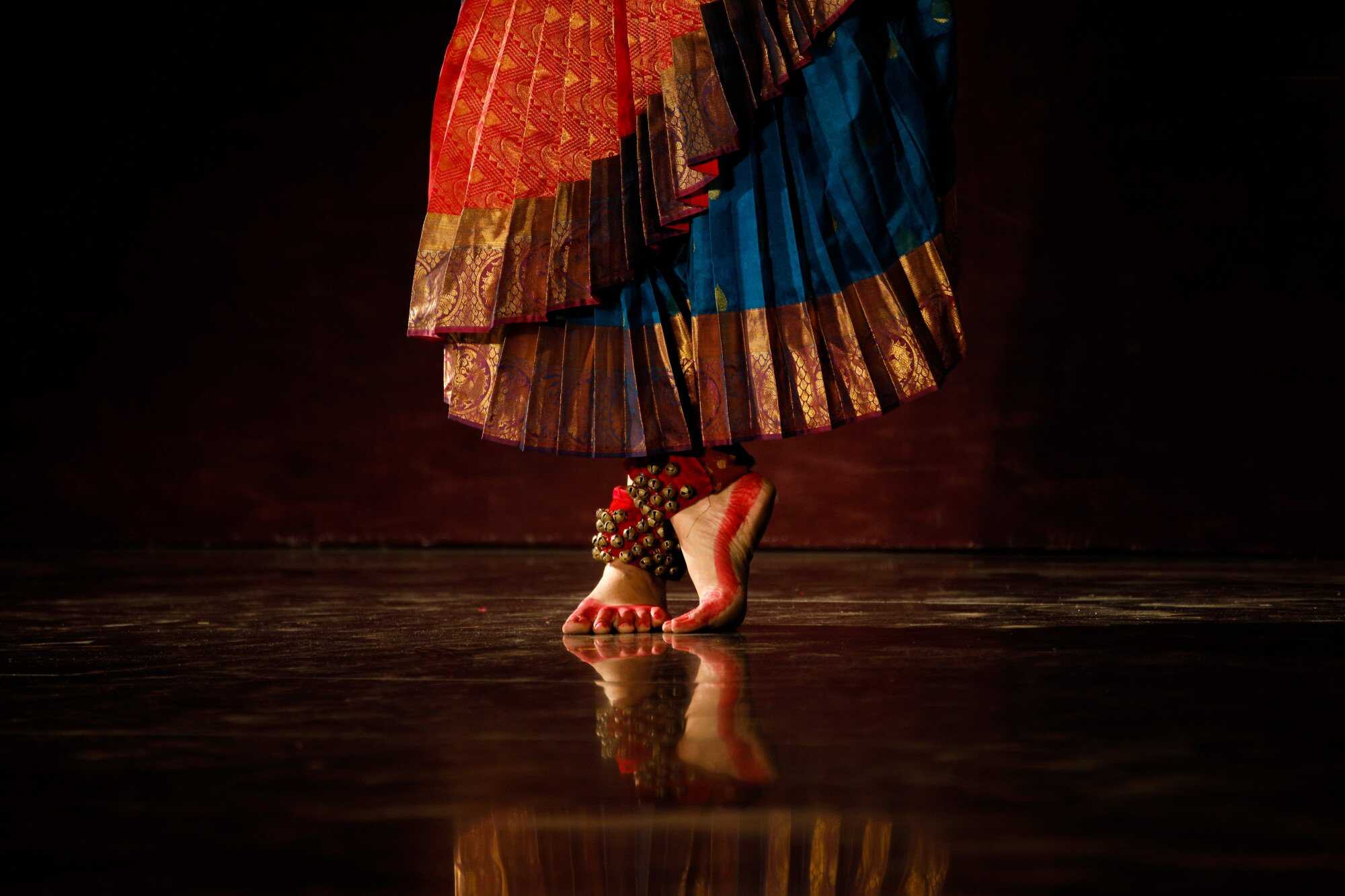
This dance style is a distinctive fusion of melody (raga), rhythm (taala) and expression (abhinaya). Intricate footwork, expressive hand gestures (mudras) and a narrative style that conveys deep emotions and spiritual themes are characteristics of Bharatanatyam.
I was introduced to this art form at a very young age. Its grace and the story it told through the language of movement enthralled me. When I watched people dance, I felt like I was transported to another world where feelings were expressed exuberantly through colourful costumes, catchy music and dancers’ facial expressions.
At the age of five, I began learning this dance under the guidance of a dedicated classical Bharatanatyam teacher, Smt Guru Sandhya Gopal, who not only taught me the nuances of this art form but also instilled the spirit of discipline, dedication and devotion.
My learning experience went far beyond practising steps and positions. Every class was an opportunity for me to learn more than just steps and positions, but also to learn about the philosophy and spiritual side of Bharatanatyam conveyed through the performance of Hindu mythology.
Completing my arangetram, a formal debut performance, after more than 10 years of learning Bharatanatyam was a milestone in my journey. It symbolised not only the culmination of years of hard work but also the beginning of a new chapter. I performed alongside two talented friends, Sai Dhikshaa Madhu and Charitra Swaminathan, which made the experience even more special.
I was also honoured by the attendance of two special guests: Tang Shu-ing, an astounding theatre director in Hong Kong, and Neesha Jhaveri, a Kathak (another Indian classical dance) guru, who gave some words of appreciation.
Tang complimented our performance, saying, “Every matured artist has a personal style – so going back [to] the performance that I just saw, it is really challenging for three young dancers to captivate the audience in such a way; it is a perfect example of physical theatre. I believe these three young girls have an excellent future ahead of them.”
Jhaveri also praised us: “It is fabulous to see these three girls. I am completely awed by their arangetram, which is their first step, and they are doing it brilliantly.”
The arangetram was a testament to our dedication and the encouragement we received from our beloved guru and our families has fuelled our passion.
It’s easy to say that Bharatanatyam has shaped my identity. It has taught me resilience, as mastering the detailed techniques requires hours of practice and persistence. Each performance has enhanced my confidence beyond limits, teaching me to embrace my emotions and express them freely.
Discussions on home-schooling
Louis Ng Yuk-kwan, GCC & ITKD Lau Pak Lok Secondary School
Home-schooling, once considered an unusual choice, has become a growing trend among Chinese parents. This raises questions about whether home-schooling should become more mainstream in Hong Kong.
As a student who has experienced both group learning and independent study, I find the topic personally meaningful. It cannot be denied that parents today face pressure to choose the best path for their children in a rapidly changing world.
Technology and artificial intelligence are influencing education, and reliance on them has never been greater. Because of this transformation, traditional schools, which often prioritise test scores and homework, may fail to prepare students for jobs that require creativity and problem solving.
I wish schools placed more emphasis on nurturing innovative thinking so students could develop both intellectual and emotional skills.
If Hong Kong adjusted its education policies, the city could create an education system that equips students with skills like adaptability and lifelong learning habits.
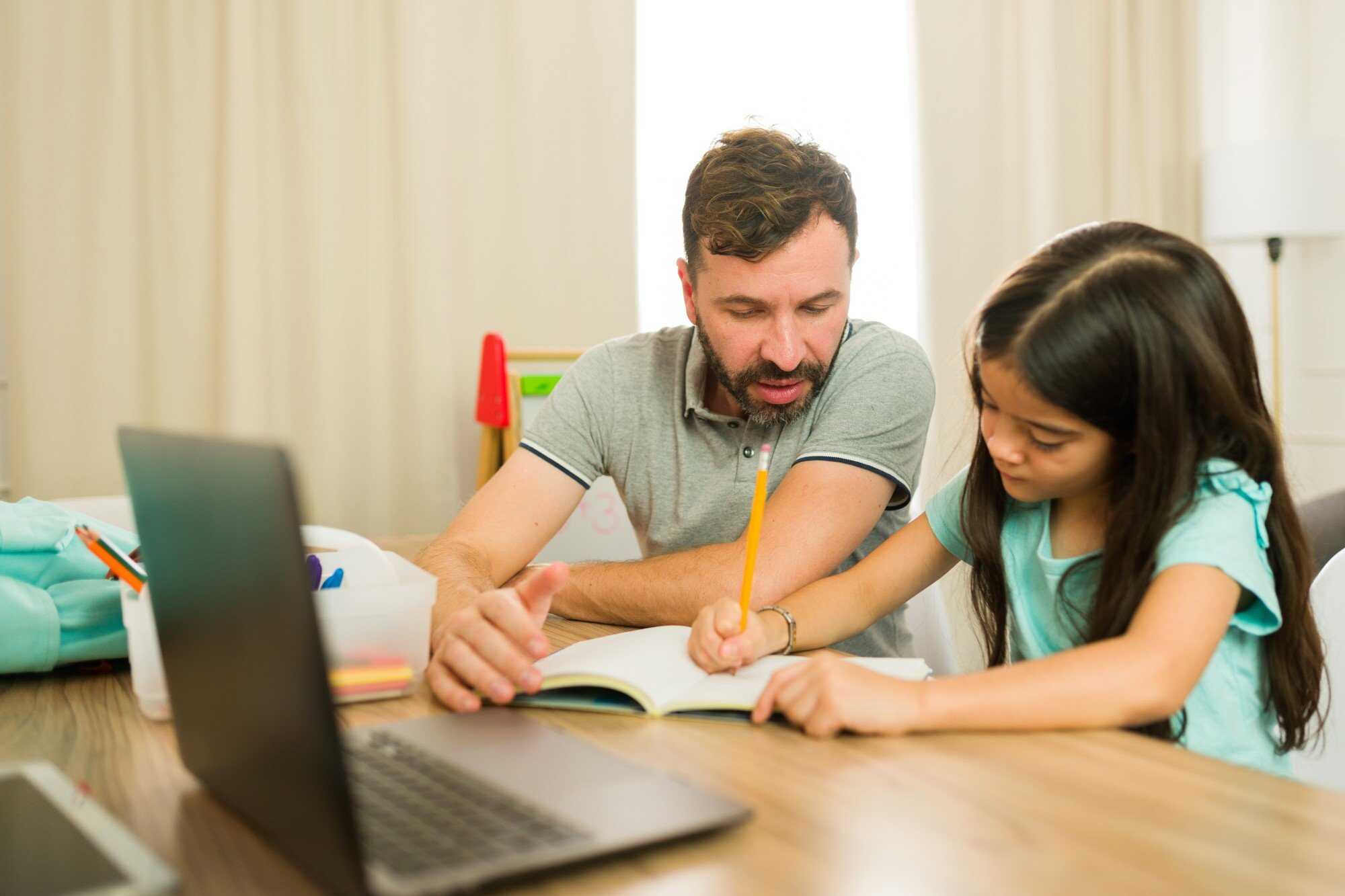
It is particularly alarming that so many students feel stressed before high-stakes exams. The problem arising from exam pressure largely stems from schools’ long-standing preference for memorisation over imagination. Not only does this limit critical thinking, but it also discourages individuality in students who, as a result, feel unable to express themselves confidently. As a more flexible system, home-schooling could be a useful complement, allowing every learner to progress at their own pace
Still, it is imperative that the government establish clear standards for home-schooling curricula. Without regulations, the inconsistency in teaching quality might become worse and, in the long run, exacerbate the problem of unequal education.
Therefore, one solution to this problem is to introduce regular evaluations that ensure home-schooled students are learning effectively, without compromising their personal growth.
Despite the positive intentions behind home-schooling, there remains a risk of social isolation.
Community-based activities organised by local educators are beginning to bridge this gap. If these efforts continue, they could lead to a more inclusive arrangement where home-schooled and mainstream students can interact regularly to share ideas and develop friendships.
Hong Kong must update its education policies to embrace innovation and fairness.
A balanced approach is needed to address academic performance and creativity, ensuring that every child receives the support they need to thrive. What matters most is not the setting in which one learns, but the quality and purpose of that learning.