
Do you have something to say? Send us a letter using this form.
No more breaking down over breaking up
Valerie Hope Hoang, Hong Kong International School
Break-ups are often dismissed as a normal part of growing up, but for many teenagers, a bad one can completely overwhelm them and have lasting effects that carry over into adulthood.
A break-up can lead to feelings of loss, which can trigger a stress response in the body and brain. This raises levels of the stress hormone cortisol and can manifest as fatigue, loss of appetite, anxiety, sleep disturbances and even social withdrawal or isolation.
These are normal, common side effects of a break-up, but many teens do not know the science behind what they are experiencing. When they do not know the science, they often misinterpret the symptoms and believe that something is “wrong” with them.
This misunderstanding can lead to shame, discouraging them from seeking help and pushing them towards unhealthy coping strategies such as denial and avoidance. Over time, these patterns can damage self-esteem and make it harder to build healthy relationships in the future.
If schools do not teach students about healthy relationships and ways to deal with difficult situations, such as break-ups, they risk young people normalising harmful behaviour like ghosting and repressing emotions. These patterns carry over into adulthood and shape how they will communicate, manage emotions and build relationships for years to come.
Teens who learn to name their feelings and talk openly about them with the right people will recover more quickly and avoid emotional “explosions” later.

Clear communication can help teens going through a break-up feel respected and less confused. Schools should teach these strategies in lower secondary school, before most students begin dating, to normalise positive behaviours and reduce harmful ones. At my school, when you are around 12 years old, health class includes a unit on break-ups.
Students analyse external influences on relationships, learn strategies for ending them respectfully and identify resources for support.
This kind of curriculum shows that schools can play a vital role in preparing teens for the emotional challenges of relationships. Yet many schools do not teach this topic at all, leaving students to navigate break-ups without guidance.
We need to raise awareness that relationship health education is not optional – it is essential. A unit on break-ups and relationship strategies can give teens the tools to manage emotional loss, protect their mental health, and grow into adults who communicate honestly and empathetically.
Stop constantly consuming distressing news
Luo Tongli, Po Leung Kuk Tang Yuk Tien College
Since the devastating fire in Tai Po, I have noticed a lot of distress being shared on social media. As I viewed updates of the tragedy and expressions of solidarity, I observed a troubling pattern.
Many of my peers, myself included, have found ourselves trapped in a cycle of compulsively refreshing our feeds. We scroll through an endless stream of raw footage, heartbreaking pleas from individuals searching for loved ones and others bidding their last farewells to confirmed victims.
We have consumed traumatic content for hours, unable to look away even as feelings of anxiety and helplessness piled up. This compulsion, at the expense of our studies and sleep, is a clear example of doomscrolling, the act of consuming excessive negative news online, often to the point where it becomes difficult to stop despite distress.
A coping mechanism driven by anxiety and a primal need for information in the face of uncertainty, it reflects one of our brain’s innate negativity biases: believing that more information will lead to relief or control. This feeling is exacerbated by algorithms designed to capture our attention, which continually serve up related and often increasingly alarming content.
One 2022 study by the University of Hong Kong highlighted the pervasiveness of problematic social media use among local adolescents, including doomscrolling. The consequences are significant.
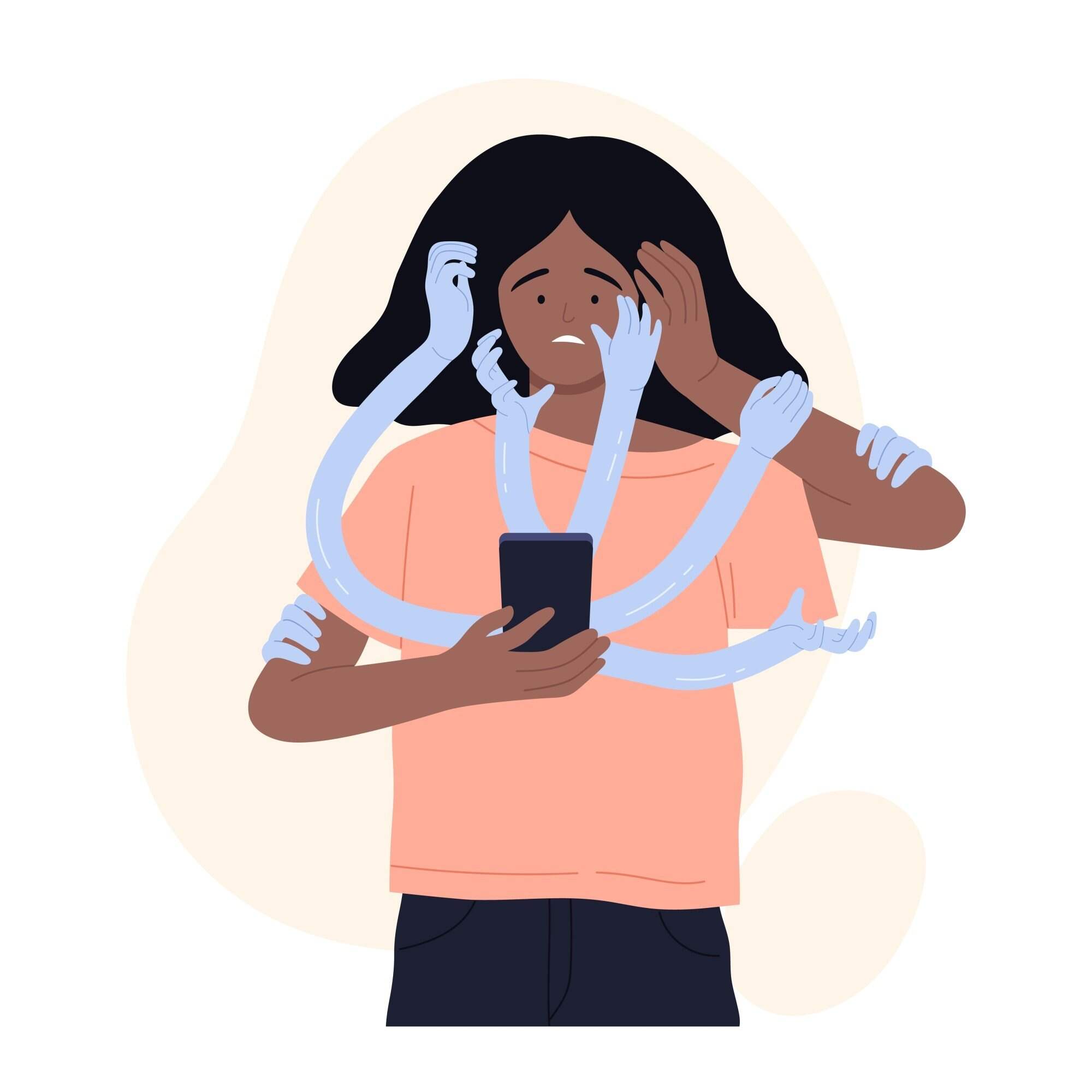
Doomscrolling can amplify feelings of helplessness and anxiety. This heightened alertness can lead to headaches, fatigue and insomnia. It can also result in an inability to disengage and carry out normal duties, leading to a decline in productivity and withdrawal from offline interactions.
In today’s digital age, this translates into an addictive cycle where each new piece of bad news triggers us to seek more information in a futile attempt to regain control or certainty.
A 2022 study by the American Psychological Association found that relentless news consumption significantly increases stress levels, anxiety and fatigue. For teenagers, whose social worlds and news intake are heavily intertwined on platforms like Threads and X, this effect can be particularly acute.
Recognising this pattern in yourself is the critical first step towards relief. If you find yourself locked in this cycle, begin by consciously addressing the behaviour. Set a strict timer for news consumption and use app limits to enforce boundaries.
Curate your feed by muting triggering keywords or following only official sources for necessary information during this time.
Sharing your feelings with trusted friends and adults can ease the burden, especially if the distress feels unmanageable. In times of collective grief, it is a necessary step towards sustaining the compassion and energy needed to heal and help others.