





Have something to say? Send us a letter using this form.
Return of Hong Kong cinema
Cheung Tsz-kiu, Christian Alliance S.C. Chan Memorial College
On April 27, Michelle Wai Sze-nga accepted Best Actress at the 43rd Hong Kong Film Awards for her starring role in The Last Dance. The Hong Kong film emerged as a big winner at the ceremony.
As a fan of Wai, I am overjoyed. Her performance in the film was beyond amazing. She played the role superbly and portrayed the character’s emotions on another level, moving the audience.
The same night, kung fu smash hit Twilight of the Warriors: Walled In took home top prizes, including Best Film and Best Director for Soi Cheang Pou-soi. This locally produced film had also caught my eye, among other releases in recent years.
It contains fighting scenes that are highly appealing to me and an unexpectedly deep and touching plot. I am glad that the director and the film received the recognition that they deserve.
In recent years, I believe Hong Kong films are of greater quality with every release. I look forward to the industry’s rise and hope that it will gain the competitive edge that other regional cinema has developed.
Deep Dive: Hong Kong’s cinemas struggle to survive in a world of streaming
Healthier ‘dopamine hits’
Ng Hau-yee, Valtorta College
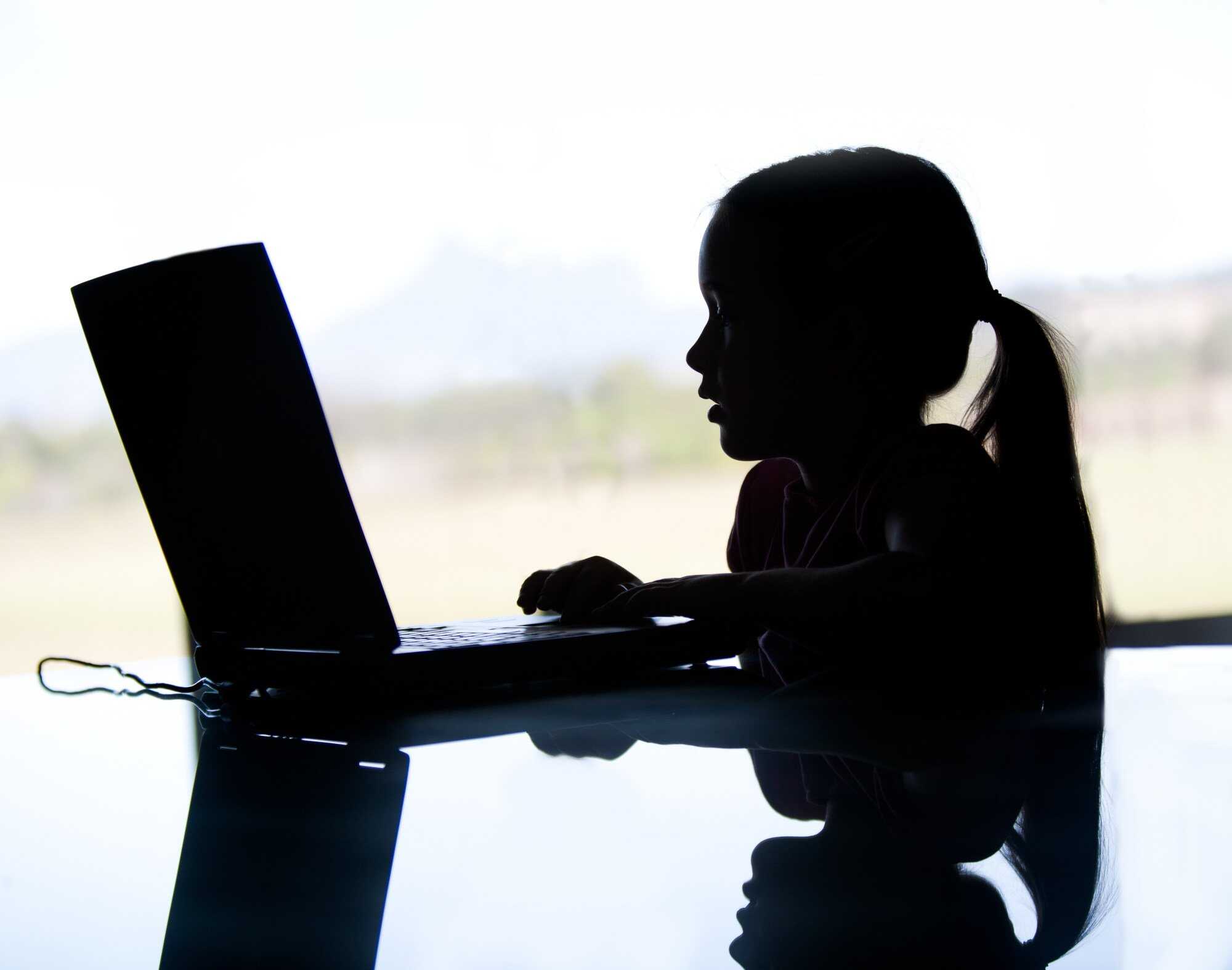
Young people today appear unhappier than previous generations. Some of us have fewer concerns about securing food, shelter and basic healthcare, yet anxiety, addiction and loneliness are on the rise.
Our brains reward us with dopamine, which gives us a feeling of pleasure, satisfaction and motivation. In the past, we were rewarded after we made real effort: learning a skill, working hard or overcoming a challenge. That effort made the reward feel earned and kept our discomfort in check.
But today, smartphones, video games and social media give us quick dopamine hits with almost no effort. And our brains still expect us to make that effort, so our baseline of discomfort is raised to restore balance.
What results is feeling bored, anxious or restless without the constant stimulation. Chasing ever-bigger thrills only deepens the gap between reward and discomfort.
To break this cycle, we need self-discipline. Set limits on screen time. Each day, take a few minutes to reflect. Replace some digital distractions with slow activities that take effort – reading, walking, drawing or just sitting quietly. Over time, your brain will learn to enjoy small pleasures again.
Our exceptional public transport
Nicholas Gao, Chinese International School
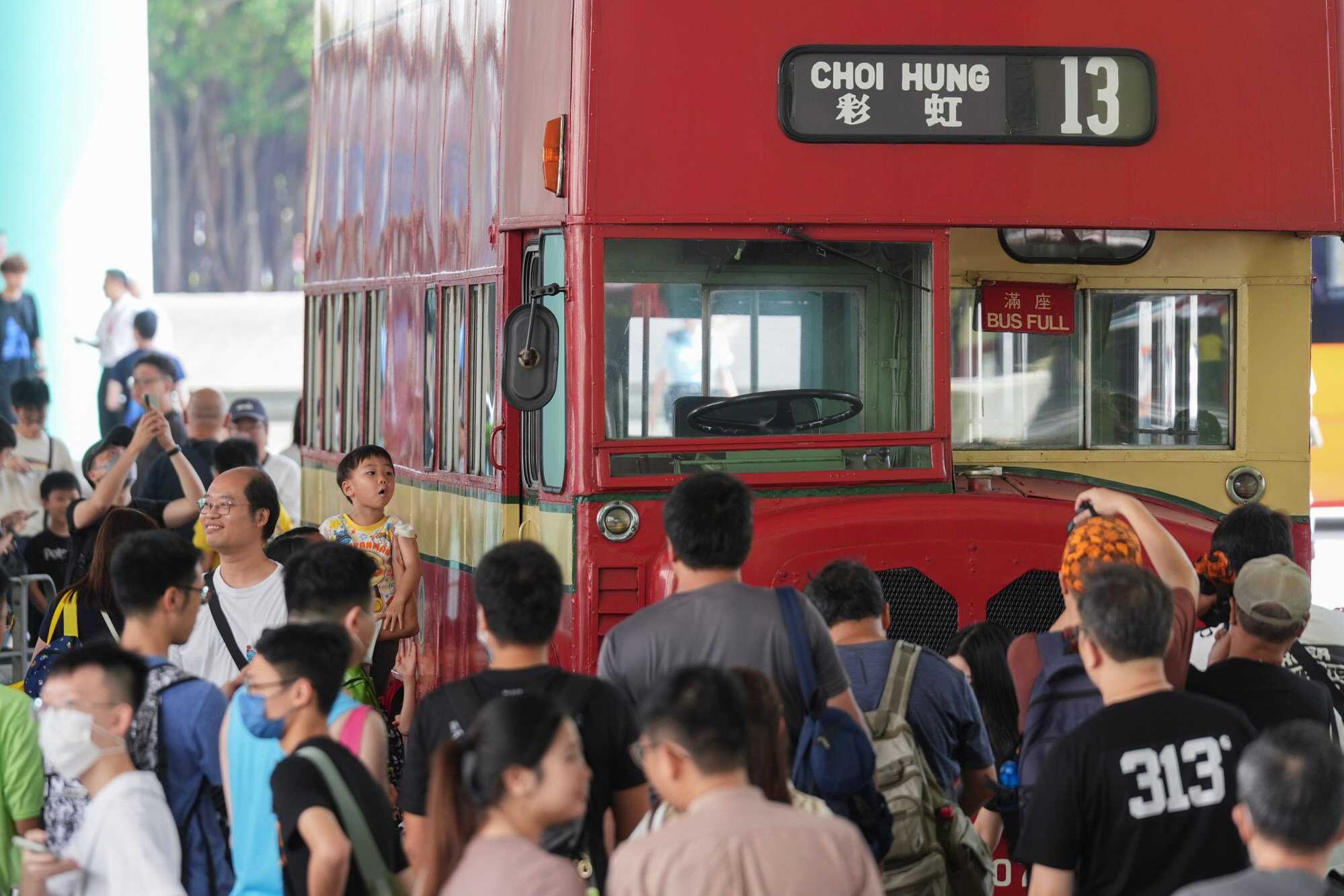
Growing up in Hong Kong, I took our public transport for granted. But on my first solo trip abroad, navigating Canada by public transit, I realised how good we have it at home. After enduring delays, dirty carriages and discovering that large parts of the country were unreachable without a car, I realise how exceptional Hong Kong’s transport system is.
I take the MTR to school every day. It sounds like a long journey on paper, but takes less than 20 minutes door to door. Delays are rare, and the trains are almost always clean and comfortable.
Our transport options extend beyond the railway with trams, buses and ferries, to name a few. When public transit does not suffice, taxis are readily available. As someone not old enough to drive, I have never felt limited because of our options.
On my trip to Canada, I struggled to get from Vancouver to Garibaldi Park. In contrast, in Hong Kong, I can reach Lantau Island by taking the MTR to Tung Chung, then hopping on a single bus.
Statistics confirm I am not alone in valuing our network: according to a Hong Kong government report, there were 11.5 million passenger journeys made every day on public transport in 2023.
Make reading a habit
Karyn Wong, Tak Nga Secondary School
It is important to make reading a habit. Reading enhances cognitive abilities. It stimulates the brain, improving concentration, critical thinking and analytical skills. Engaging with diverse texts exposes readers to new ideas and perspectives, promoting empathy and understanding.
Reading enriches vocabulary and language skills. Regular exposure to varied writing styles and contexts helps individuals articulate thoughts more effectively. A robust vocabulary enhances communication, vital in personal and professional settings.
5 books about Hong Kong to help you understand our home city’s past and present
Additionally, reading can be a powerful tool for emotional well-being. It provides an escape from daily stresses and a connection when readers identify with experiences in narratives.
Fiction, in particular, allows readers to vicariously explore emotions and situations, which can lead to greater self-awareness and emotional intelligence. And a reading habit contributes to lifelong learning, crucial in a fast-evolving world. It keeps individuals informed about current events, scientific advancements and cultural shifts.
A reading culture will encourage us to value education and literacy, enriching individual lives and strengthening communities.
