
Imagine being trapped in an old public housing estate in Hong Kong. As you wander dim hallways in search of an exit, you come across strange surprises.
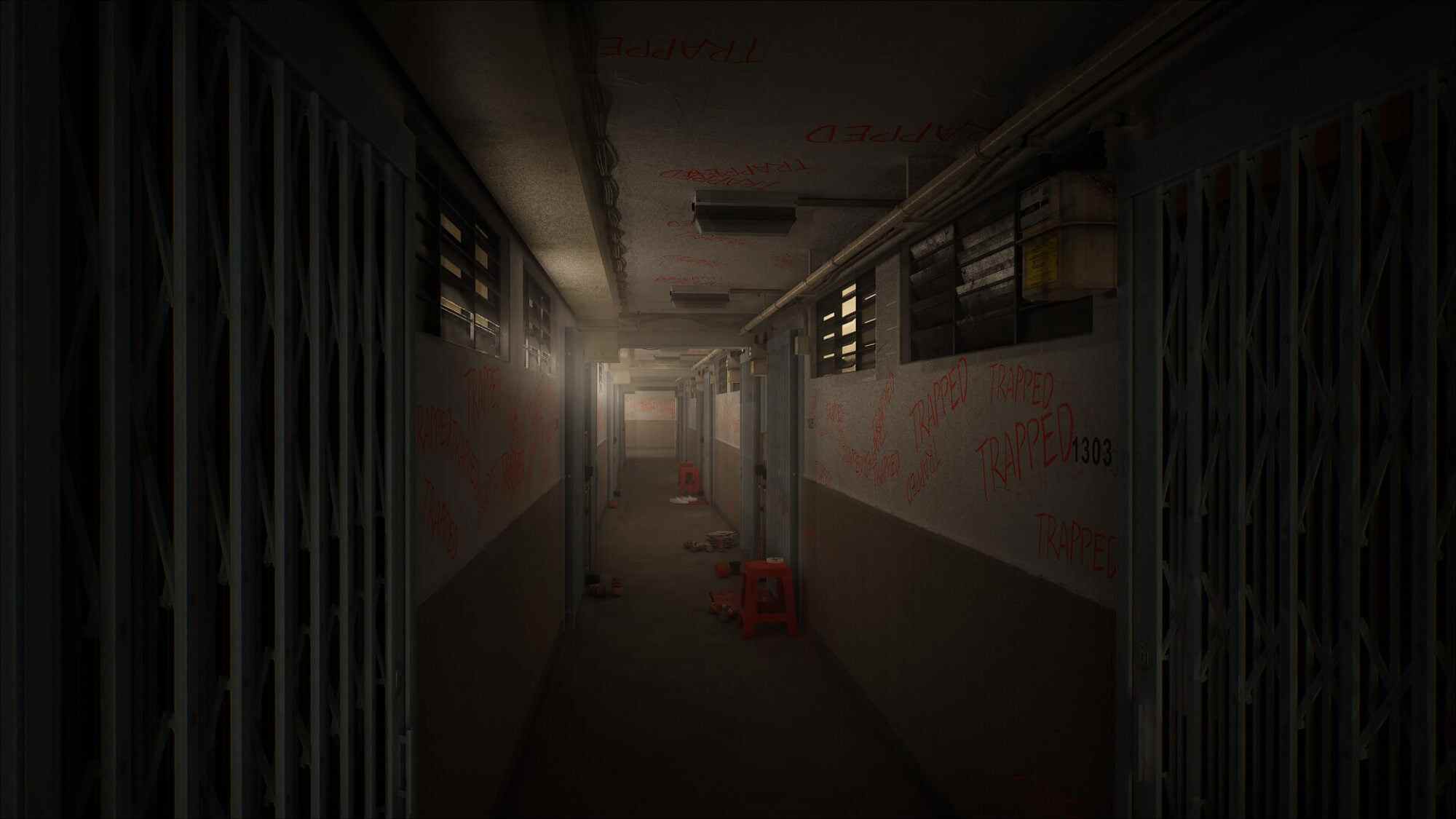
This is the haunting concept of Block 13, a first-person horror game built by 29-year-old developer Kennedy Liu. The Hongkonger carefully modelled the game’s layout after Fuk Loi Estate in Tsuen Wan.
Liu has been working on this project since May 2025. Next year, he plans to release it on the gaming platform Steam.
Block 13 is inspired by Hong Kong public housing estates built in the 1970s and 1980s. Liu views them as key parts of Hong Kong culture.
“When … foreigners think of Hong Kong, they instantly picture neon signs or the Kowloon Walled City,” Liu said.
“But to me, public housing is the place that nurtured multiple generations from the 50s, 60s and 70s up to today. If I had to pick something authentic that truly represents Hongkongers, nothing fits better.”
Each floor of the game has a special theme expressed through strange events that the players must face. This is inspired by the concept of the 18 levels of hell in Chinese mythology. To survive and escape, players must burn incense or perform other rituals.
Liu said he included details in the game that would be familiar to people who grew up in Hong Kong.
“I incorporated a lot of elements from local culture and Chinese traditions, including superstitious concepts or social issues revolving around work and studying,” he said.
How the game was made
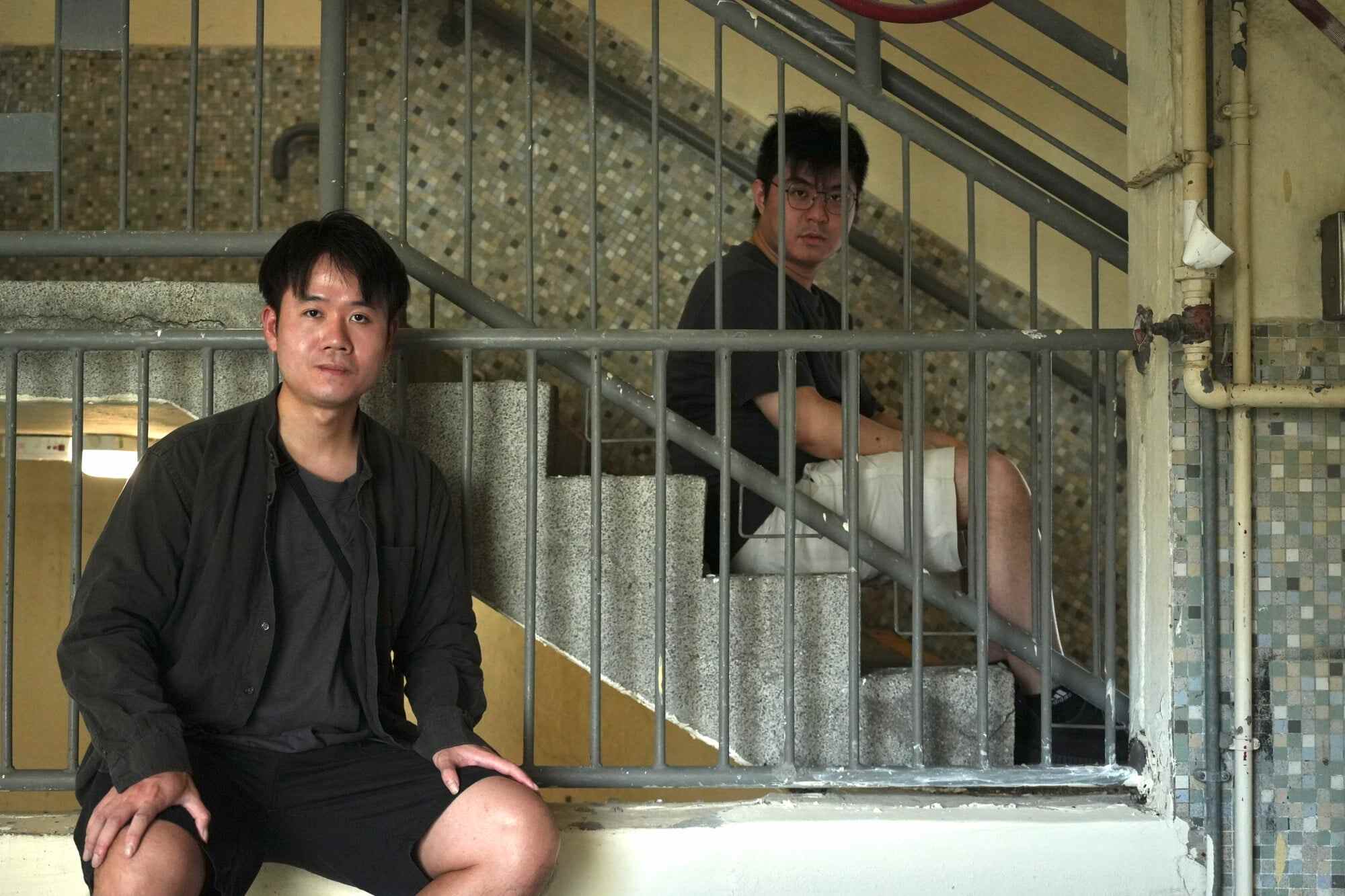
Three people worked together to build Block 13. Liu does the main programming and game design. One of his friends is a researcher and 2D artist. Another friend helps with programming.
The game was born out of the team’s love for Hong Kong and a lack of job opportunities.
After Liu spent six years working in the gaming industry, he was jobless.
“Because I was unemployed, I purely wanted to sharpen my skills,” he recalled.
He spent years creating cartoon parts in games for past employers, so he wanted to try making a realistic game environment.
“Since I didn’t get the chance to join a company doing that, I used my period of unemployment to upskill my game development abilities,” said Liu, who is using his savings to fund his game.
When choosing a topic, Liu realised that few games had authentic Hong Kong settings.
He thought to himself: “Since I’m capable of doing it, why not just make it about Hong Kong?”
AI in the gaming industry
To learn how to use complex systems to build the game, Liu leaned on artificial intelligence (AI) for help. He used it to help him break down programming logic and solve problems.
Despite how tough it has been to find a job, Liu sees this era as a golden opportunity for independent creators. He advises others who want to create their own games to take initiative.
“Creating things on your own is actually the best option right now,” Liu said.
You don’t need to study game development at a university or wait for a studio to approve your idea. Instead, he encourages creators to take advantage of modern tools and learn by doing.
“If you want to do it, you basically don’t need to ask for anyone’s permission or advice any more. If you want to build a taxi simulator, just build it,” he said.
“Don’t overthink it or feel like you need to take tons of formal classes because AI can teach you a lot if you take the time to read through things.”