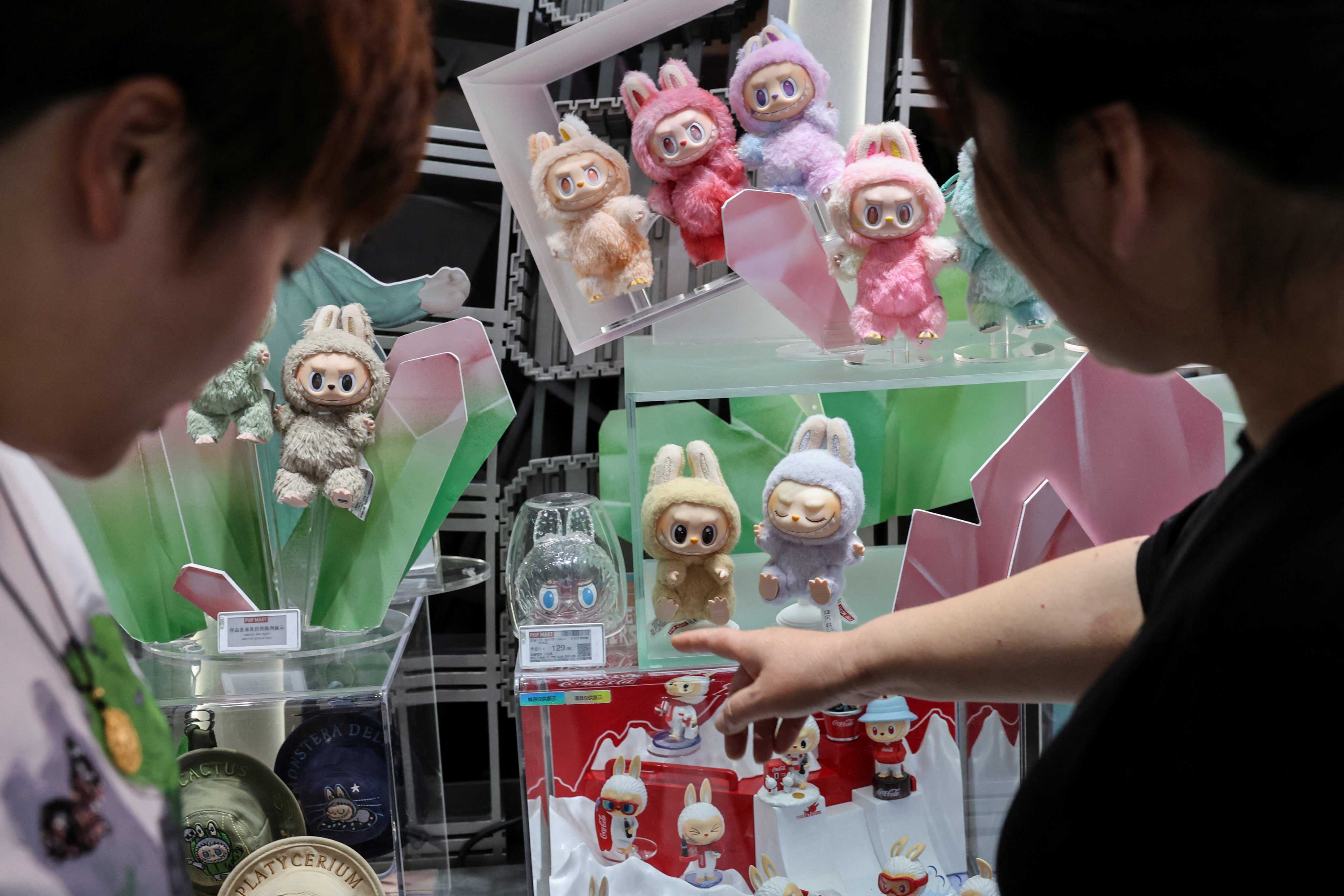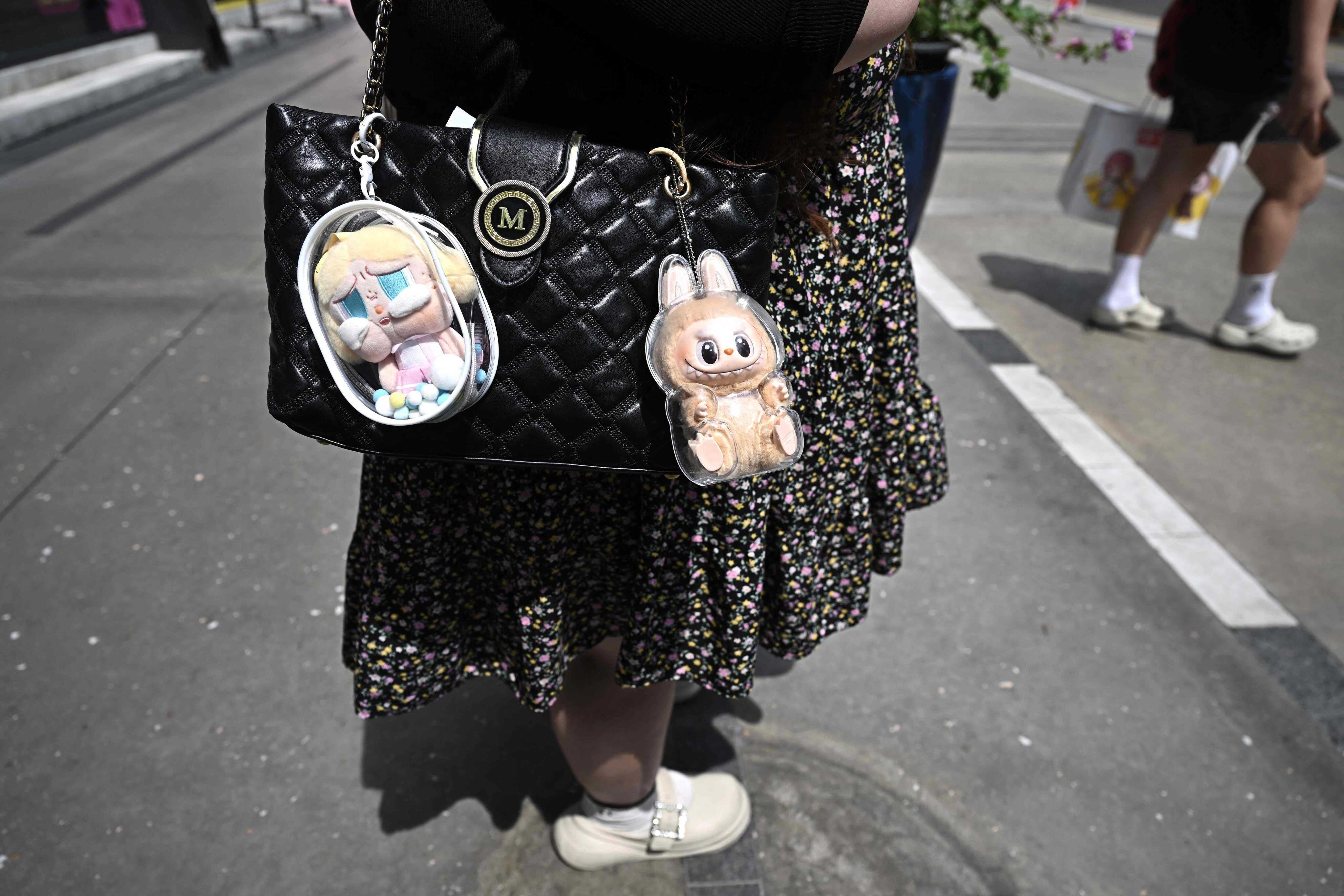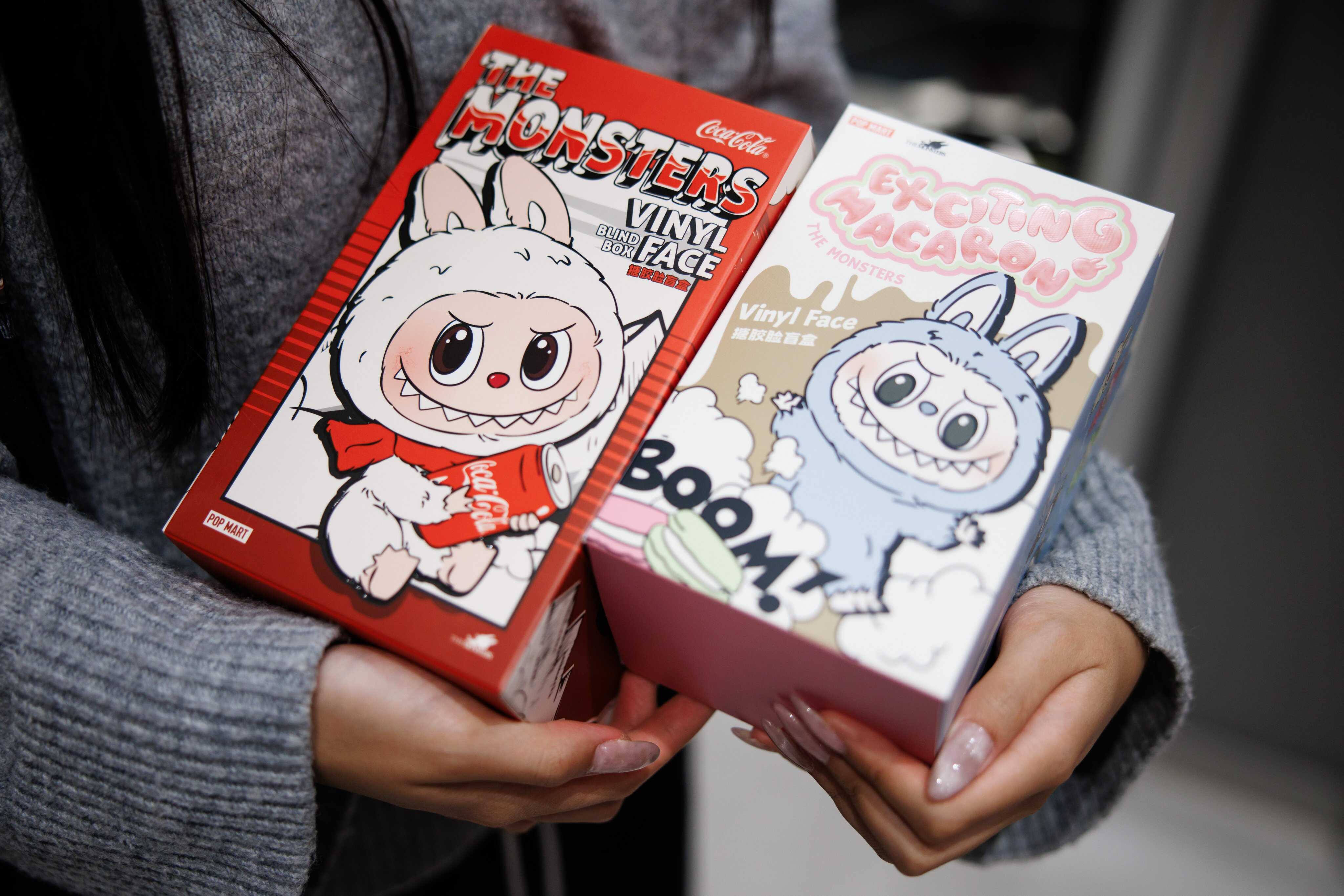
It seems like blind boxes have become popular everywhere. These packages hold items that are a mystery you uncover only after you open them. The most popular blind box character today might be Labubu. The ugly-cute elfin monster was created by a Hong Kong-born artist and is sold as collectible plushies by the Chinese toymaker Pop Mart.
Avis Ngan is a clinical psychologist and the founder of Mindsight, a mental health clinic based in Hong Kong. He explained how blind boxes were perfectly designed to appeal to young people.
Why we love blind boxes
Ngan explained that opening a blind box activates the brain’s reward system. The system has three phases.
First, there is an anticipation phase that starts before we open the box. The brain’s pleasure centre lights up with dopamine, a key chemical for motivation and pleasure. It is fuelled by the exciting uncertainty of not knowing exactly what is inside.
Wong, whose full name was withheld at request, is a 16-year-old student from King George V School in Hong Kong. She said she had almost completed an entire Labubu collection.
“Right before opening a blind box, I get a mix of nervousness and excitement, hoping that I’ll get something I’ve been wanting,” Wong said.
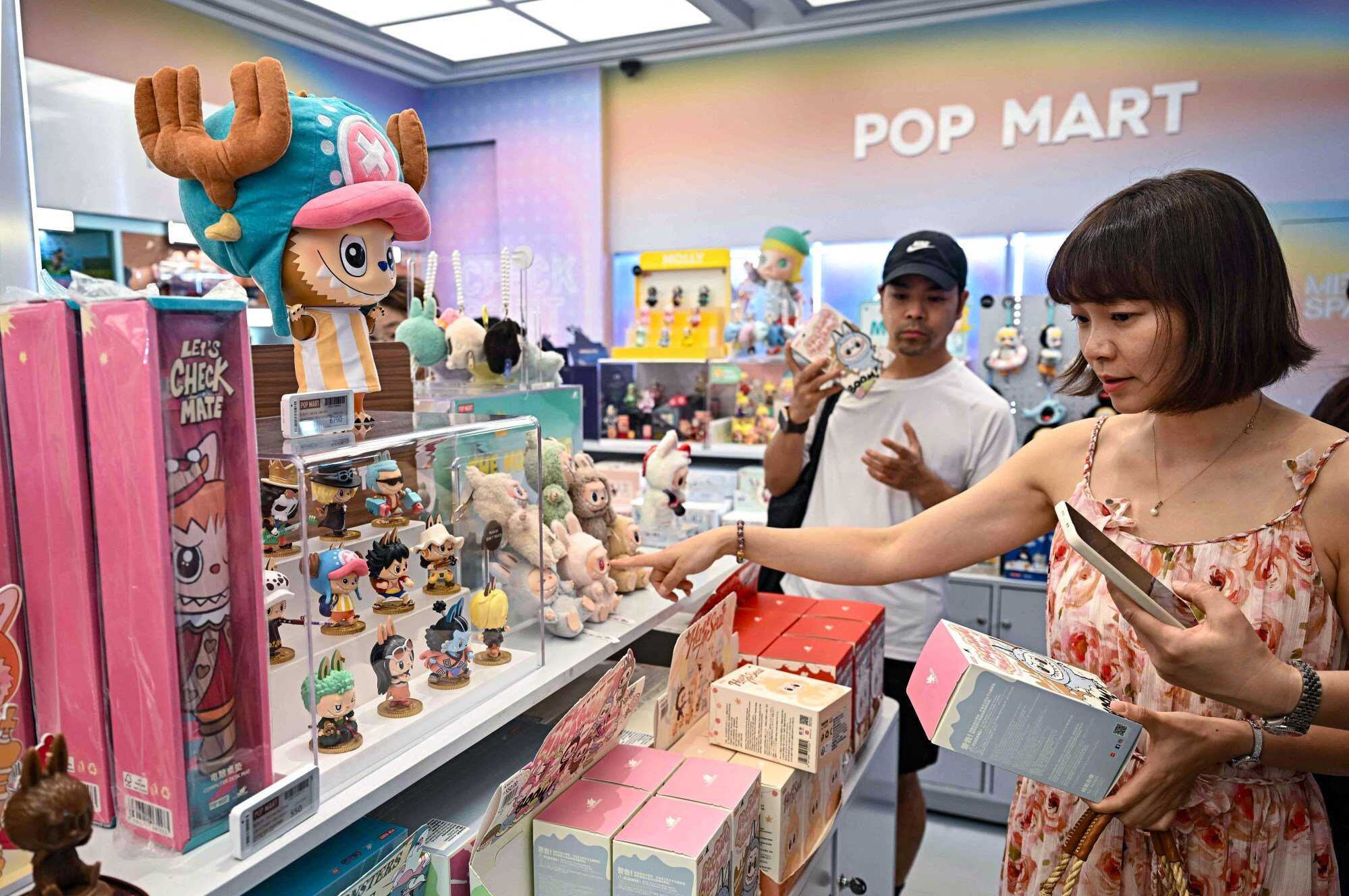
As we open the box, the brain enters its peak phase. Multiple parts are activated all at once. Ngan explained: “The visual processing areas become hyper-alert, and your memory systems engage more strongly.”
The final phase in the reward system is a resolution. The brain is flooded with more dopamine, which tells you the experience was a “positive” one. It also releases serotonin, which creates feelings of satisfaction. Together, the neurotransmitters make the memory more vivid.
Ngan said teenagers’ brains are especially sensitive to rewards; they are growing and forming new connections.
Why we buy more
The element of surprise in blind boxes is powerful. Ngan explained: “If every box had exactly what you wanted, you’d predictably complete the collection and probably get bored. Not getting what you want can make you more excited for the next try.”
For some teenagers, collecting blind boxes can be a way to find comfort. The hobby can offer a moment of happiness and excitement. It might provide a small break from a stressful schedule.
Creating a collection strengthened family bonds for Wong. The teen said collecting Labubus had become an interest for her mother. Her dad also surprised her with new items, making it a family hobby.

When a hobby becomes a problem
Ngan uses a traffic light system with his clients to help them know when a hobby has become unhealthy. The system uses three colours.
A green hobby is healthy. It should be something you can afford and that is easy to take a break from. It might offer an enjoyable and social experience.
Yellow is a warning. It is when you are constantly thinking about your hobby. You might rush to spend money and become upset about missing out on new releases.
A red hobby is dangerous. You might spend money you needed for important things on your hobby. You could also be anxious and hide your purchases from others. It could be hurting your relationships and your work.
“Remember, a hobby adds to your life. It does not take over it,” Ngan stressed.