Do you have something to say? Send us a letter using this form.
Support local athletes
Natalie Yue, Chinese International School
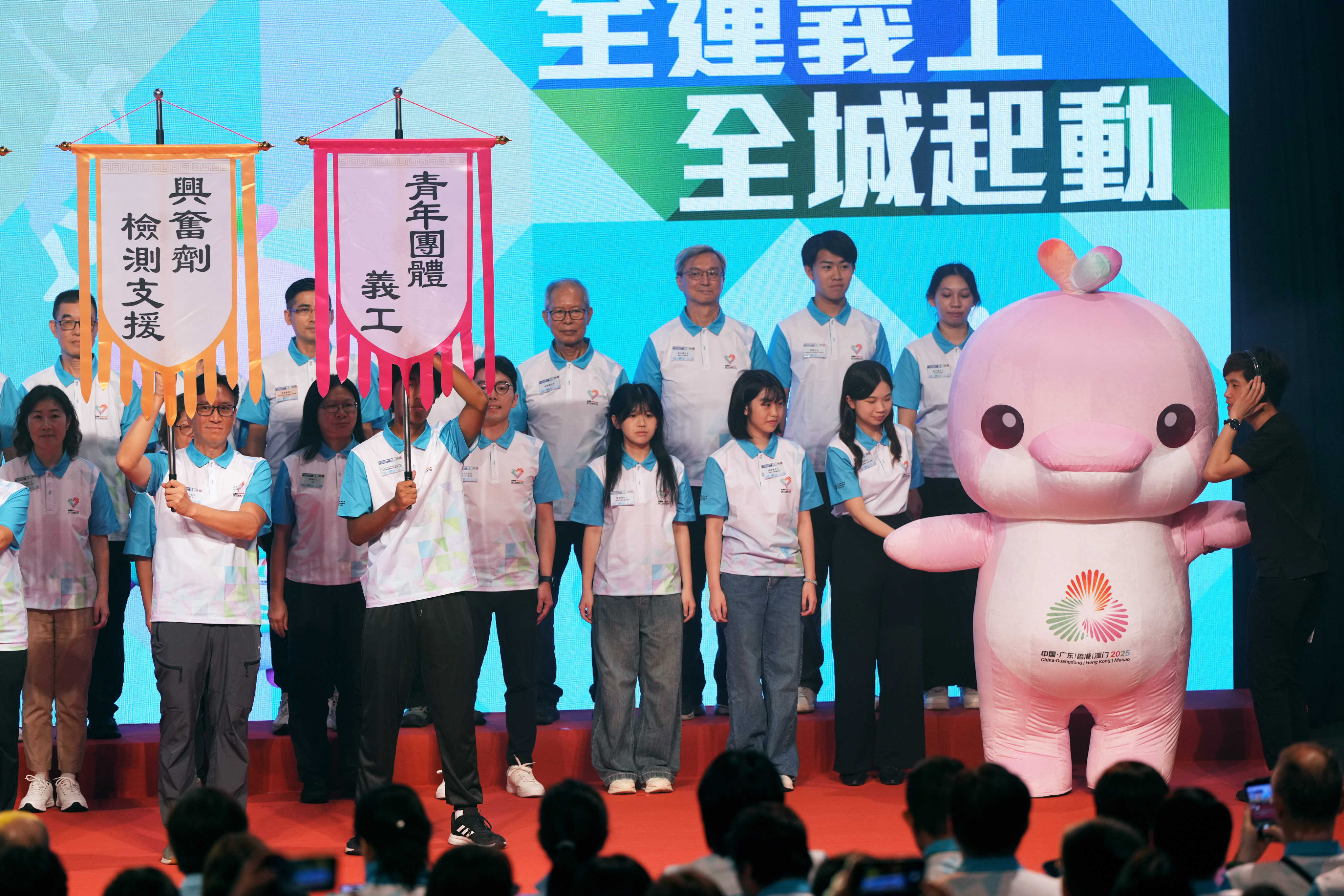
The 15th National Games mark the first time Hong Kong has co-hosted the event alongside Guangdong and Macau. Held every four years, the games officially began on Sunday, November 9, and will continue through November 21.
During the games, Hong Kong will welcome nearly 4,000 athletes, officials and staff for eight sporting events, including fencing, track and field, cycling, golf, rugby sevens, beach volleyball, men’s under-22 basketball, athletics and bowling.
Co-organising such a major event highlights Hong Kong’s capability to host large-scale competitions and paves the way for future international events. The joint effort among the three cities allows each to leverage its unique resources and strengths.
Coordinating events can be especially complex, as shown by the men’s road cycling race, which crosses the Hong Kong–Zhuhai–Macau Bridge six times.
The government has emphasised that it will follow the guiding principle of hosting a “simple, safe and wonderful” event, ensuring athlete comfort and safety while fostering an environment for peak performance.

Because the games are co-hosted by different cities, athletes’ experiences vary depending on where their events are held. Those competing in their home city enjoy a familiar setting and enthusiastic local support. However, performing before a home crowd also brings added pressure to meet high expectations.
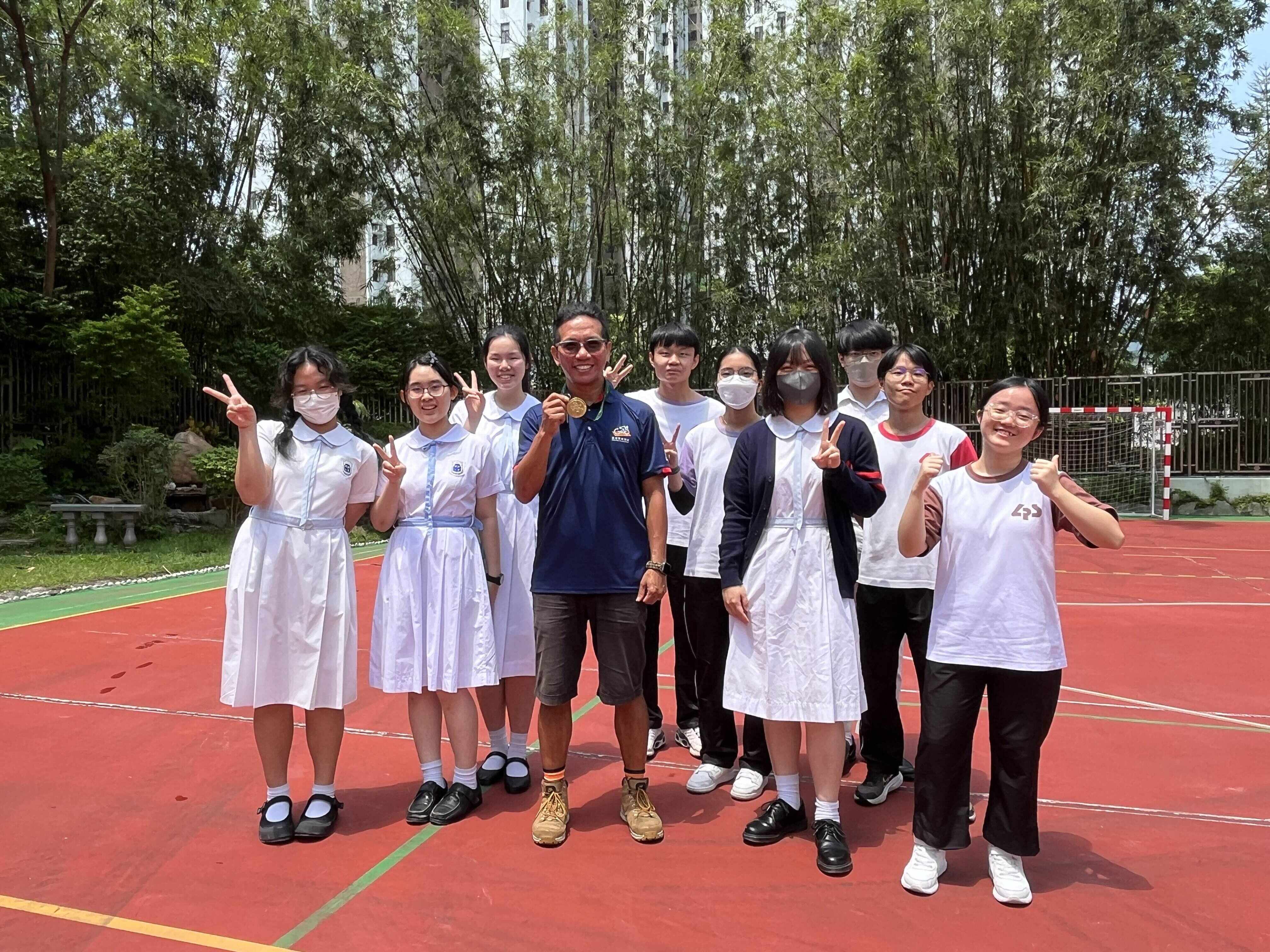
Hong Kong wakesurfing coach Brendon Chiu shared his thoughts on what competing at the National Games might feel like for athletes. Although wakesurfing is not among the events, Chiu noted that “both home and away competitions come with unique challenges. Competing in Hong Kong offers familiarity and local support, while overseas competitions expose athletes to new cultures and atmospheres”.
Regardless of the venue, a strong performance always depends on solid fundamentals, such as training, preparation and mindset.
Drawing from his international experience, Chiu stressed that the most important thing before a competition is to “maintain a good mindset and be well-prepared, with proper training, sufficient rest and mental focus to perform at your best”.
I am most looking forward to the Rugby Sevens at the National Games. As one of Hong Kong’s signature sports, the annual Rugby Sevens tournament has become a cherished part of local culture, and I’m eager to see how the teams perform.
Whether competing at home or abroad, we wish our Hong Kong athletes the very best.
Preserving tea culture
Xenia So, Pope Paul VI College
I am writing to express my opinion on the importance of preserving traditional tea cultivation practices, such as those in Yunnan province’s famous Jingmai Mountain tea forests.
Nowadays, many Hongkongers drink tea not only in restaurants but also in coffee shops. However, traditional tea remains way less popular than coffee.
There are several crucial reasons and benefits for preserving traditional tea cultivation. One key advantage is that it helps maintain our tea culture and makes it sustainable.
Since tea culture has been passed down for millennia, we should continue to promote it and ensure that traditional knowledge and practices are passed on to future generations. Therefore, preserving traditional tea culture is essential for raising awareness and appreciation among more people.
Another advantage is that it can attract more tourists to visit Hong Kong. With our unique and historical tea culture, many visitors will be drawn here to experience something special.
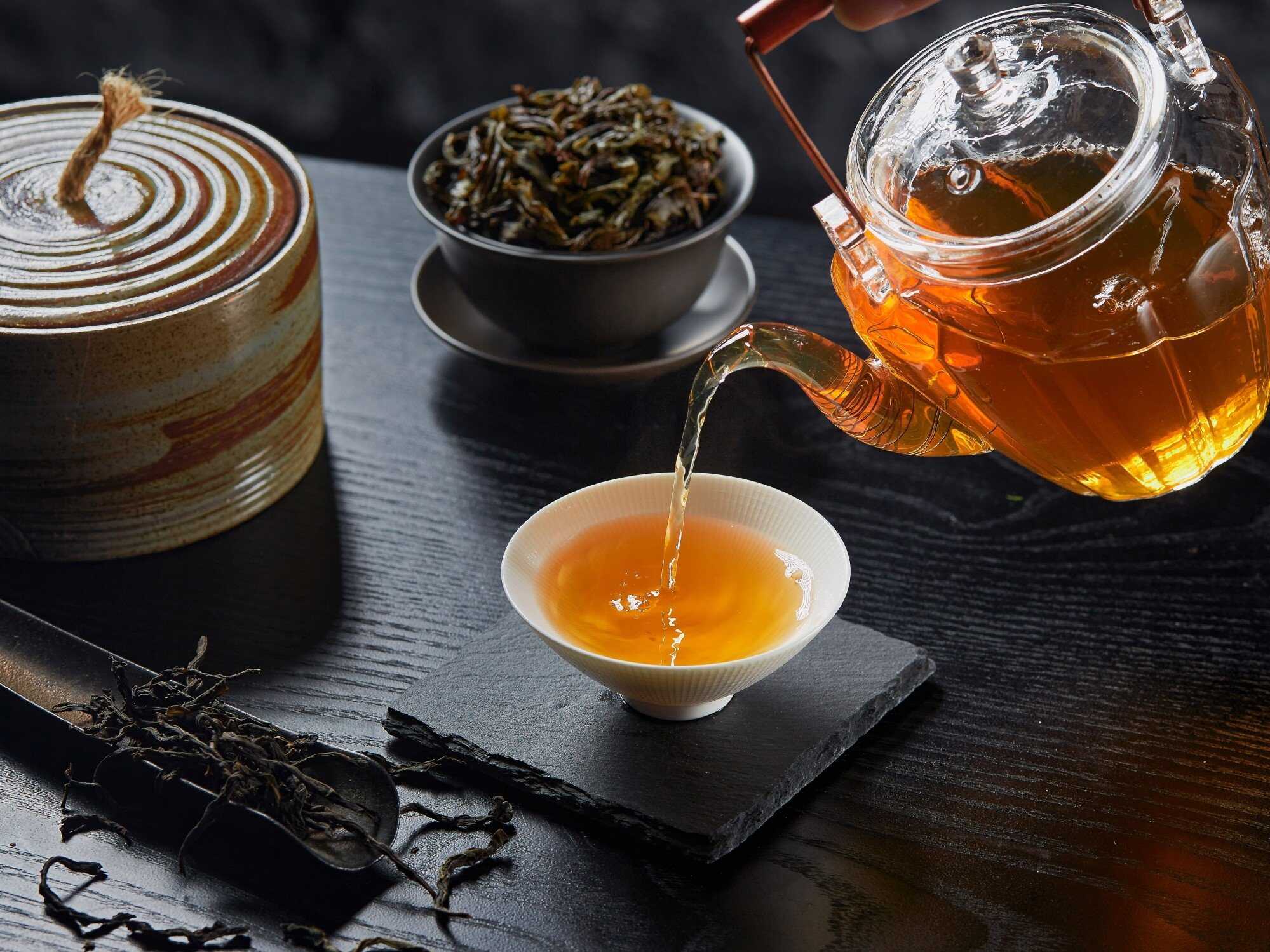
The more tourists who come to Hong Kong because of the tea culture, the greater the boost to our local economy. Therefore, preserving traditional tea is beneficial not only for maintaining cultural heritage but also for supporting economic growth.
As the preservation of traditional tea sustains culture and attracts tourism, we must take action to protect this valuable part of our identity. But what can we do to support it?
First, the government can collaborate with students to create booth games that showcase and promote traditional tea culture.
When students participate in designing these booths, both the players and the students themselves can learn more about traditional tea. This helps spread knowledge and raise awareness of its importance. Interactive activities like these can help people understand why protecting traditional tea culture matters.
In addition to educational activities, the government can encourage sellers and customers to buy more traditional tea products to support local producers.
When we purchase tea directly from farmers, we help ensure the continuation of traditional cultivation and production methods. By providing tea artisans with a stable livelihood, we help preserve their craftsmanship and sustain the city’s tea culture.
In conclusion, we can help preserve traditional tea culture by promoting it and buying it from local artisans. In this way, traditional tea cultivation practices can be protected and carried forward.