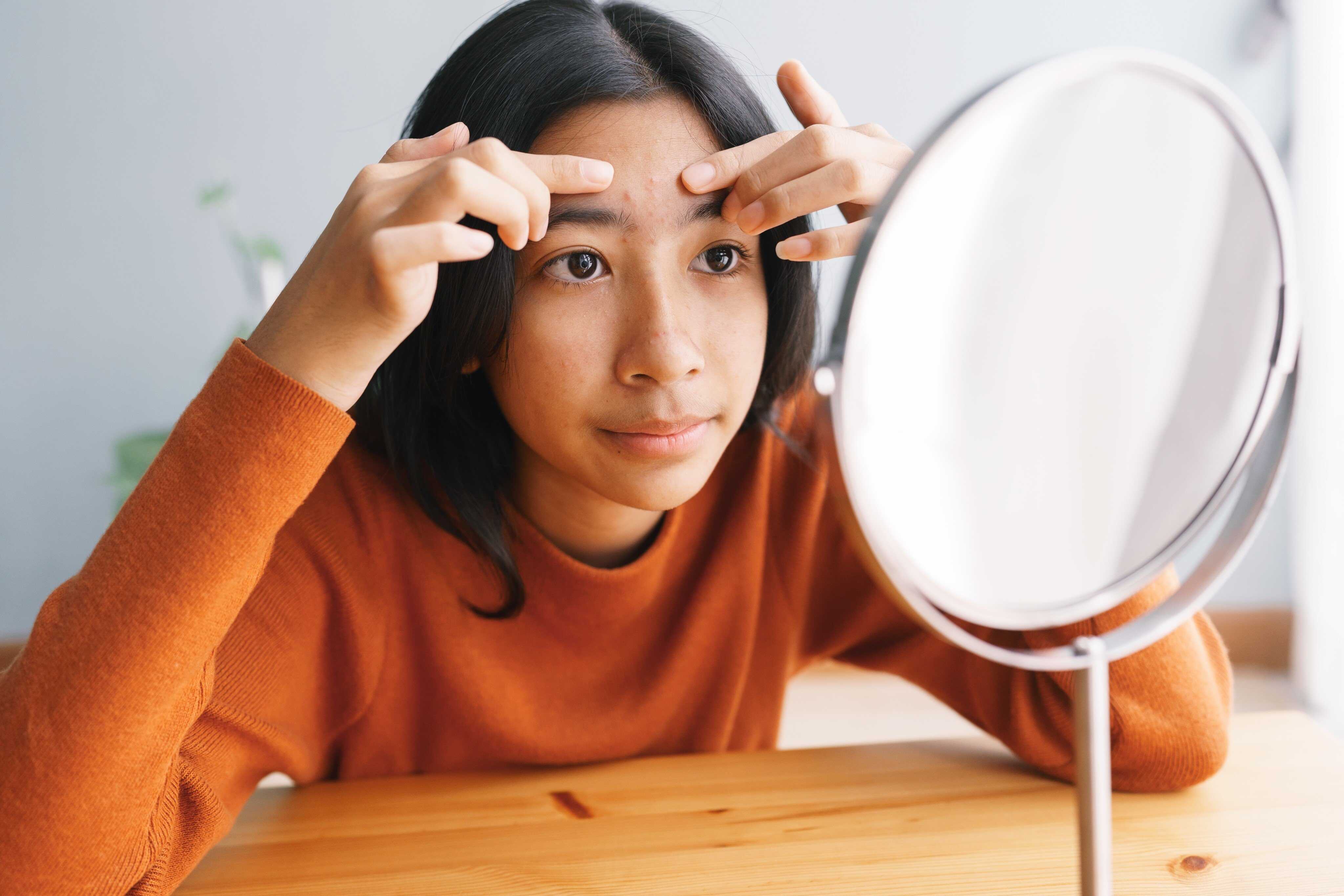
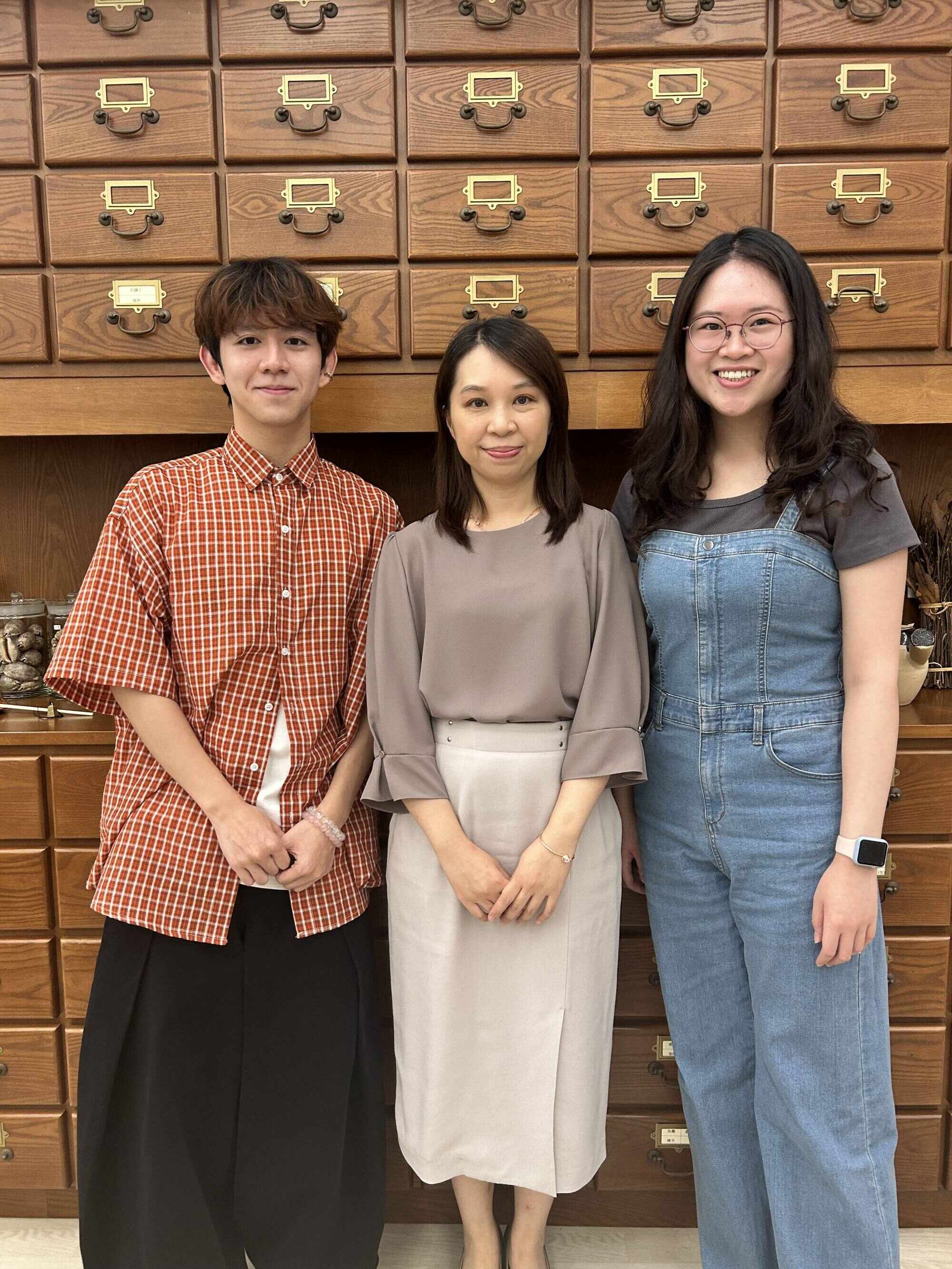
As soon as 21-year-old Kingsley Ho Chun-ngai wakes up, he does an “acupoint” massage between his eyebrows and behind his ears to reduce puffiness.
This is intended to stimulate the body’s life energy, known as qi, to enhance blood flow, relax muscles, reduce stress and promote healing.
Meanwhile, 22-year-old Angel Li Sun-yi uses acupuncture to manage stomach aches, menstrual cramps and even nervousness.
“I can apply acupuncture because it’s so quick and convenient ... [Stimulating] one point can affect our body,” Li said.
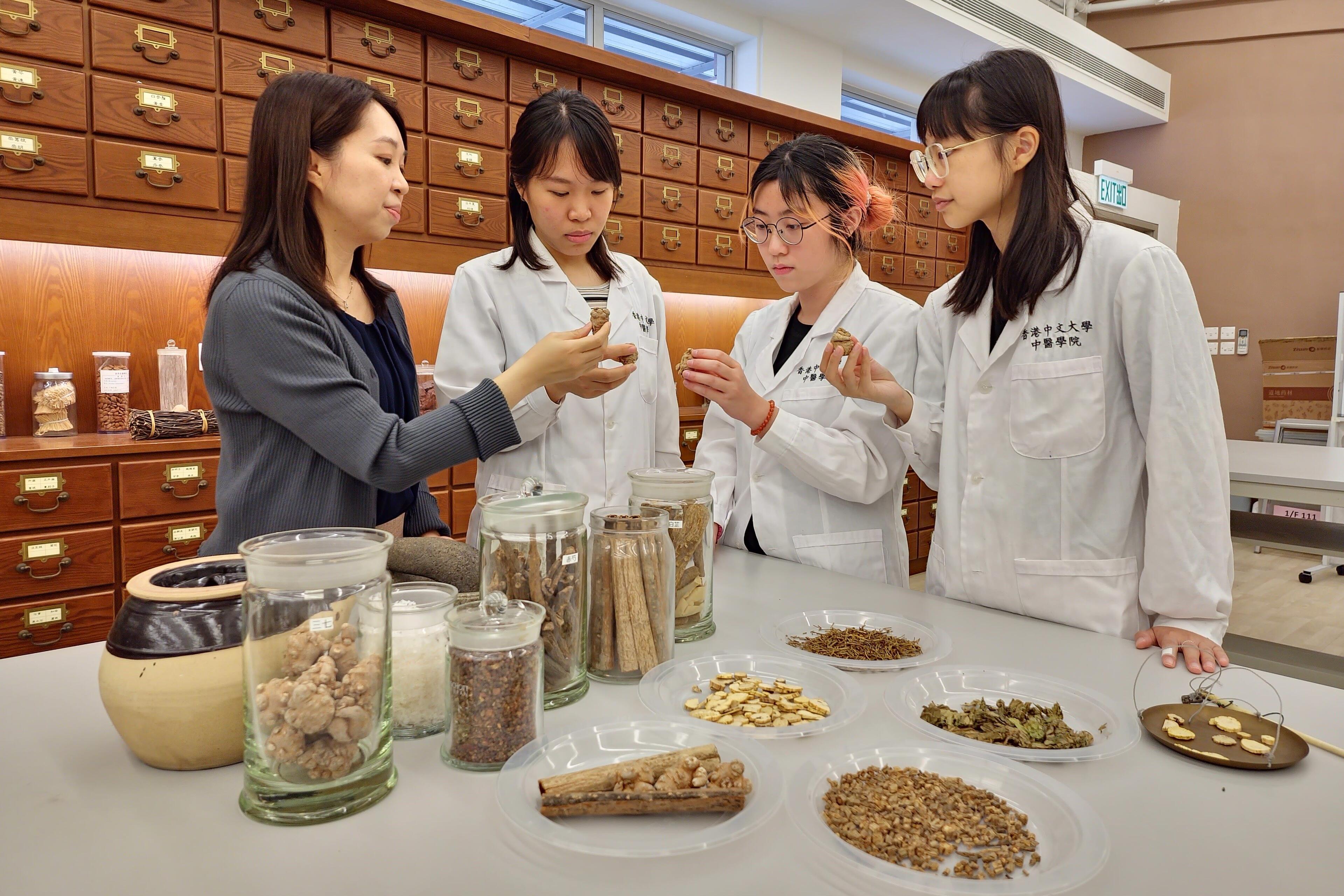
Both Ho and Li adopted these habits as Chinese University of Hong Kong (CUHK) students enrolled in the Chinese medicine programme - an ancient field of study that has recently experienced a surge in popularity.
New interest in old methods
Traditional Chinese medicine (TCM) dates back around 2,000 years. It uses practices like acupuncture, massage and herbal medicine to heal by balancing a person’s qi.
According to Dr Sarah Chan Sze-nga, the programme director of CUHK’s bachelor of Chinese medicine programme, Hong Kong has recently seen a rise in interest in TCM.
About 1,600 students applied to CUHK’s Chinese medicine programme in 2014, but that number steadily dropped to fewer than 1,200 from 2019 to 2021. The number of applicants rose again to reach a 10-year high in 2024, with 1,637 applicants.
While CUHK has one of the city’s oldest schools of Chinese medicine, Baptist University and the University of Hong Kong also offer degrees in the discipline.
Chan noted that the increase in interest was partly because of government efforts.
In 2024, Hong Kong launched its first traditional Chinese medicine festival, announced in Chief Executive John Lee Ka-chiu’s 2024 policy address. Part of the festival’s purpose was to nurture students’ interest in the field.
The Hong Kong government has also established a Chinese Medicine Development Committee tasked with recommending strategies to enhance the field over the next two years.
Chan also credited the surge of interest to the Covid-19 pandemic. She said that health was at the forefront of people’s minds during the pandemic, so even those who had never tried Chinese medicine before visited practitioners.
“After a Covid [infection], they had some tiredness; they had some fatigue ... Western medicine cannot treat these symptoms, so they would go to Chinese medicine,” Chan explained.
In recent years, some Chinese medicine practices have even gone viral on social media, with celebrities like Ariana Grande and Zayn Malik praising the Chinese herbal syrup Pei Pa Koa for soothing their vocal cords.
The next generation
Ho and Li both began studying Chinese medicine at CUHK in 2022. CUHK offers a six-year bachelor’s programme as well as several different master’s and doctoral programmes.
Li was enthralled by TCM after attending a talk on the subject as a secondary school student.
“I started to borrow books about Chinese medicine and searched the internet. I was fascinated by these theories,” Li said.
While she enjoyed studying biology in school, Li ultimately decided to pursue Chinese medicine because she felt that Western methods could be too invasive.
As for Ho, he learned about Chinese medicine from a novel he read as a secondary student.
“I started to get into the philosophical theory of Chinese medicine ... This kind of curiosity boosted [my interest],” Ho said.
Ancient practice with modern influence
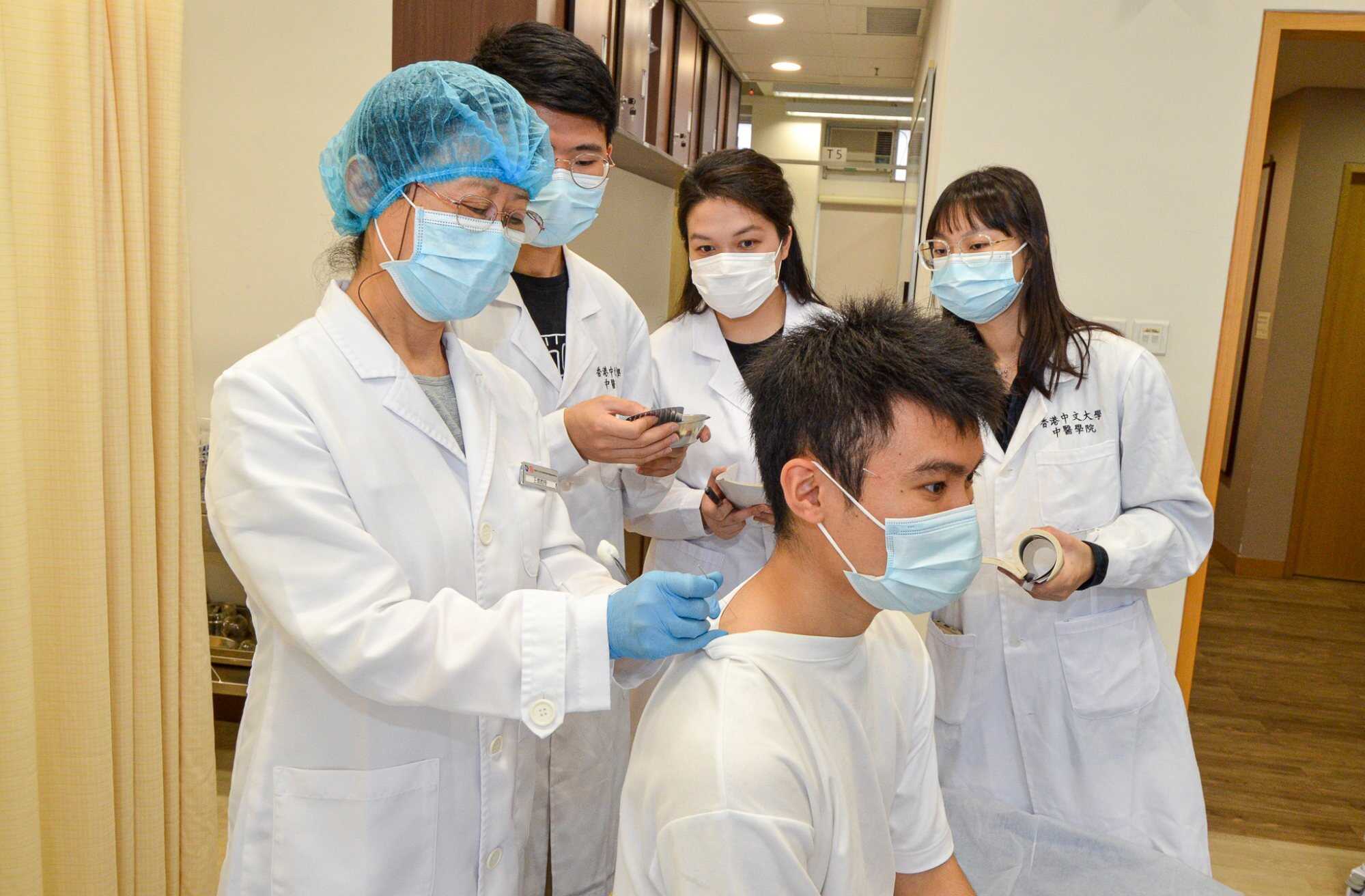
Over the years, Chinese medicine programmes in Hong Kong have adapted to the times, training students to work in tandem with Western medicine.
Chan explained that, while Chinese medicine is rooted in ancient practices, it is important to teach it within the context of modern medicine.
“We cannot only know ... the traditional skills. We also need basic knowledge about Western medicine and the modern methods to diagnose the disease,” she said.
For instance, one course in CUHK’s Chinese medicine programme teaches students about diagnostic laboratory tests and radiology.
“For Western medicine, they have many skills to diagnose [diseases], like radiology, X-rays and lab tests ... They have surgical treatments – that is [their] strength,” Chan explained.
“But for Chinese medicine, we also have our strengths, especially for functional problems [when] you cannot find any problems after you get all the health tests,” Chan added, explaining that patients with issues that cannot be diagnosed using Western methods can often find relief through TCM.
This cooperation between disciplines can be seen throughout Hong Kong’s medical system, in which about two dozen hospitals offer a mix of Chinese and Western practices.
Set to open in Tseung Kwan O by the end of this year, the city’s first Chinese medicine hospital will also provide integrated Chinese-Western medicine clinical services.
Li said that many Chinese medicine practices are easy to add to your routine and can help you maintain your health.
“The earlier you start, the greater the returns,” she said, suggesting students try things like drinking tea, listening to music or practising slow motion. “It’s very easy to apply in your daily life.”