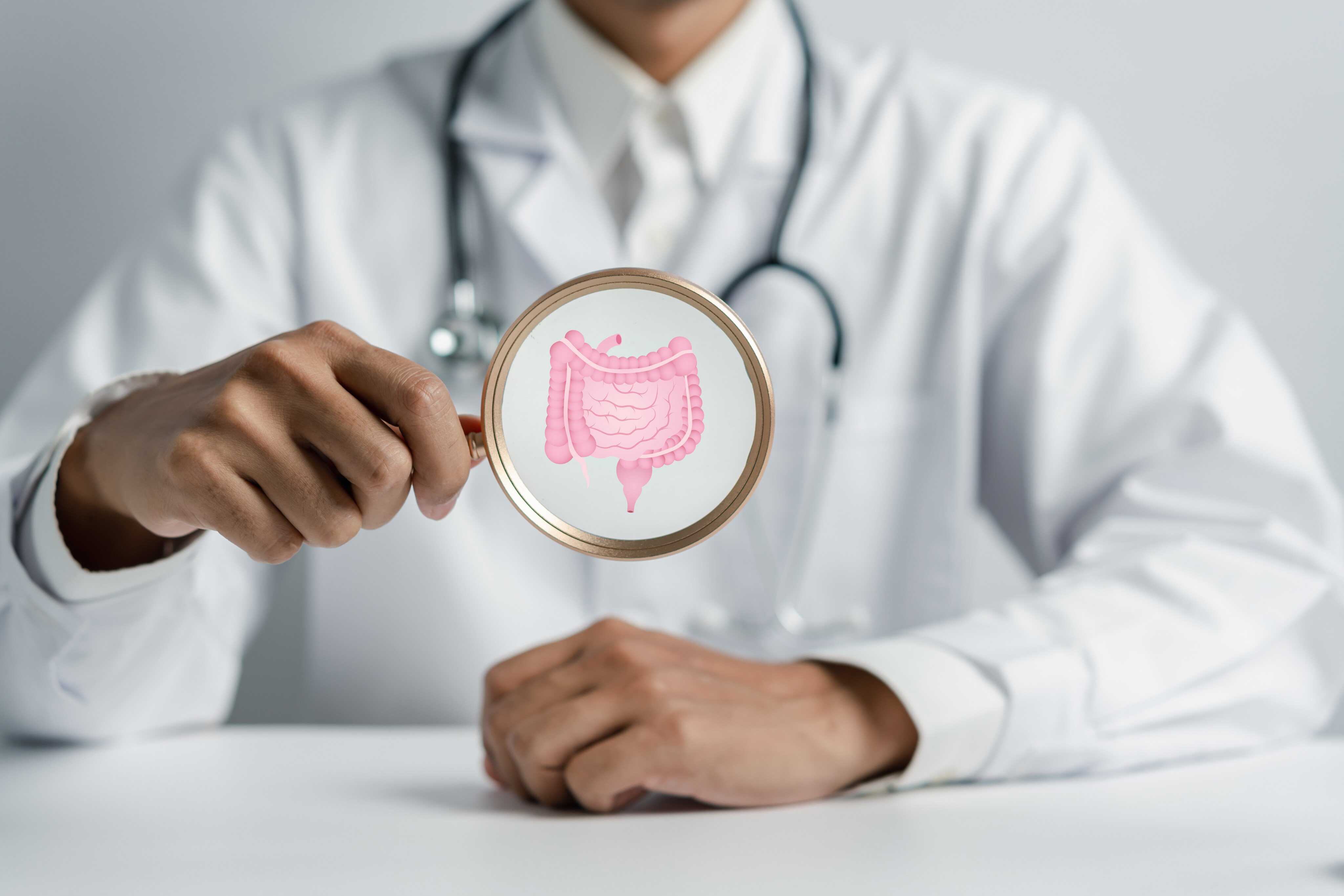
The human gastrointestinal tract contains approximately 100 trillion microorganisms. These beneficial bacteria comprise what is known as the gut microbiome. They help combat harmful bacteria, contributing to the overall health of our intestinal tract.
Probiotics promote digestion and benefit health
Probiotics are living microorganisms, primarily consisting of bacteria and yeast, that play a crucial role in supporting digestion and enhancing overall health.
They help strengthen the gut barrier, improve nutrient absorption and replace harmful or less beneficial microbes in the digestive system.
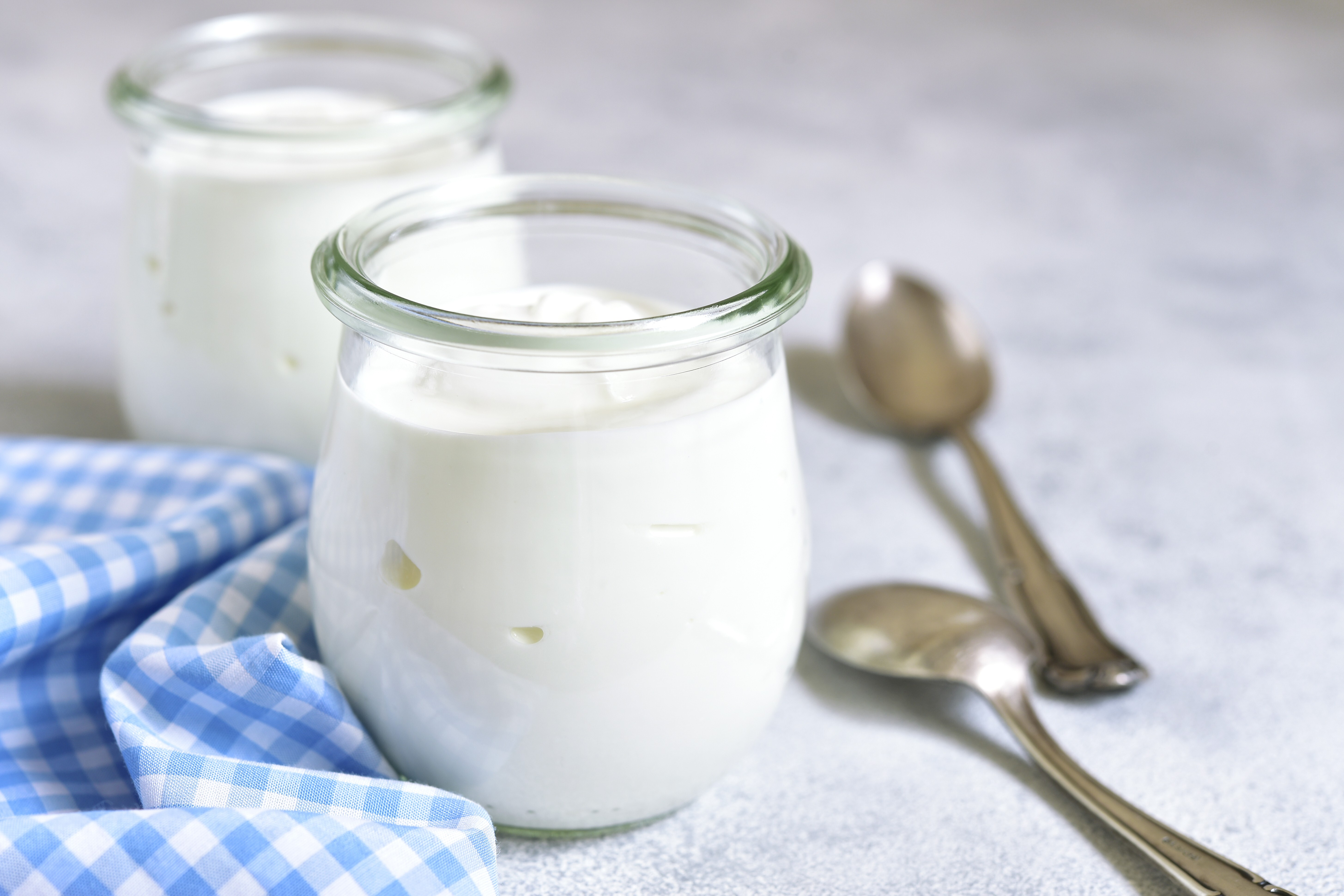
Examples of probiotics include fermented foods such as certain yogurts, various cheeses, pickled vegetables, apple cider vinegar, fermented teas and sauerkraut. Probiotic supplements are also available in pill or powder form.
Prebiotics feed probiotics
Prebiotics serve as food for probiotics, helping to nourish them through fermentation and metabolism, which benefits gut health. Research suggests that a high intake of prebiotics may enhance our immune system, help regulate blood sugar levels, reduce the risk of colorectal cancer and increase calcium absorption. When beneficial bacteria (probiotics) receive plenty of nutritious food (prebiotics), our overall health improves.
Prebiotics are found in foods that contain ...
-
dietary fibres, which the body does not fully digest.
-
resistant starches, which are a form of carbohydrate that is not digested in the small intestine. Instead, it ferments in the large intestine.
-
a variety of fruits, vegetables and fibrous foods.
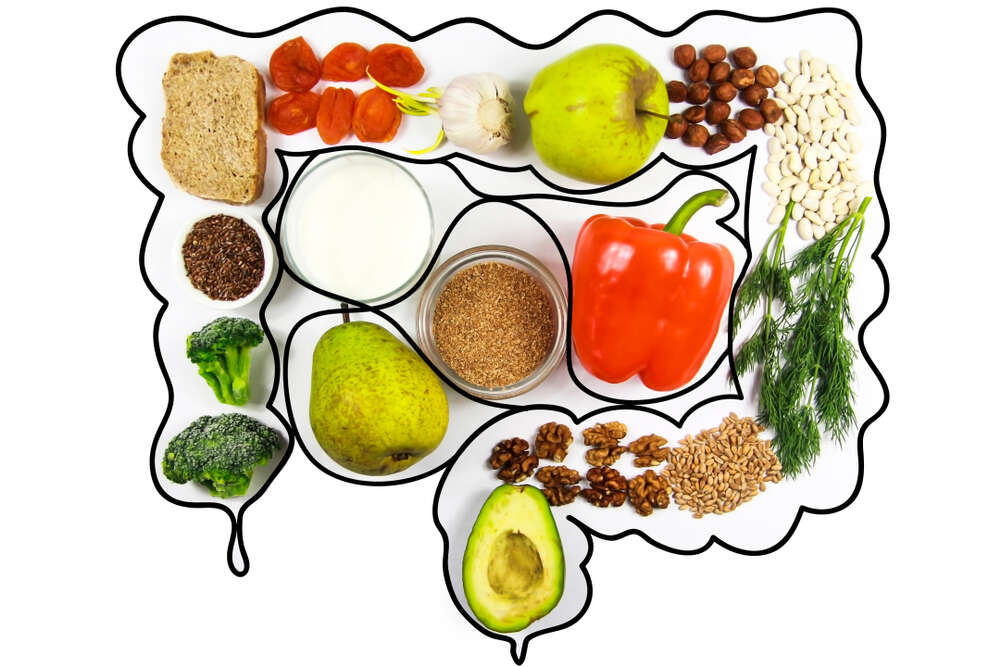
The most common prebiotics are oligosaccharides, inulin and pectin, which are found in fibrous foods. Foods containing prebiotics include most fruits and vegetables – especially green bananas, asparagus and onions – as well as garlic, nuts, seeds, oats, barley, potatoes and legumes such as soybeans, dried beans, peas and lentils.
Adding probiotics and prebiotics to your diet
Food composition changes with cooking, so to get the most benefit from prebiotics and probiotics, it is important to pay attention to cooking methods.
For example, boiling potatoes is better than baking them. When potatoes are boiled and then chilled, they develop a white starchy film, which is the most beneficial part. Serving beans and legumes hot increases their starch content, which is good for your gut.
Eating most fruits and vegetables while they are fresh and raw will provide healthful prebiotics.
Researchers suggest gradually introducing these foods into your diet, as adding too many new items rich in prebiotics and probiotics at once may lead to gas, bloating and gut discomfort.
What are some common probiotics?
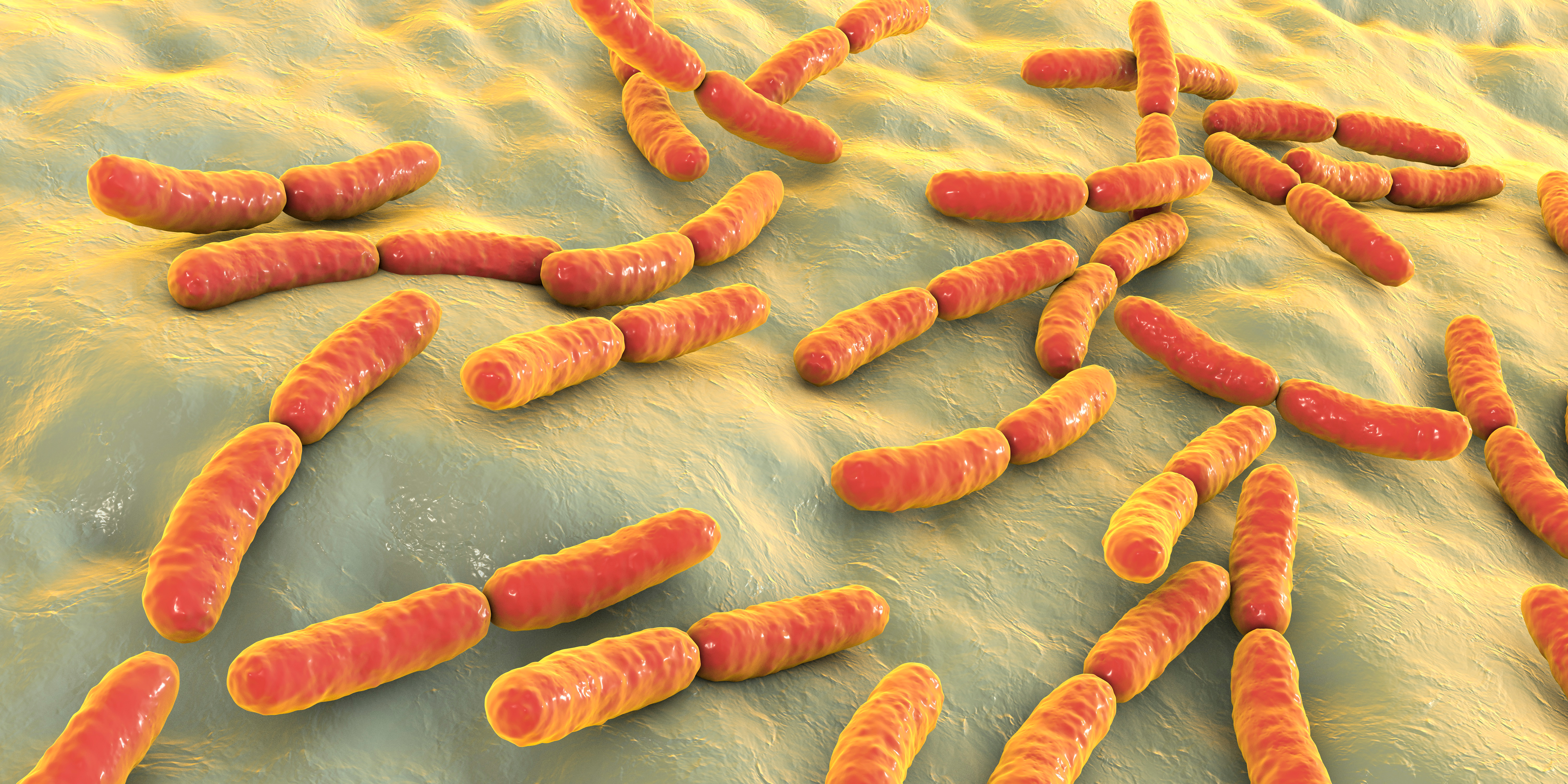
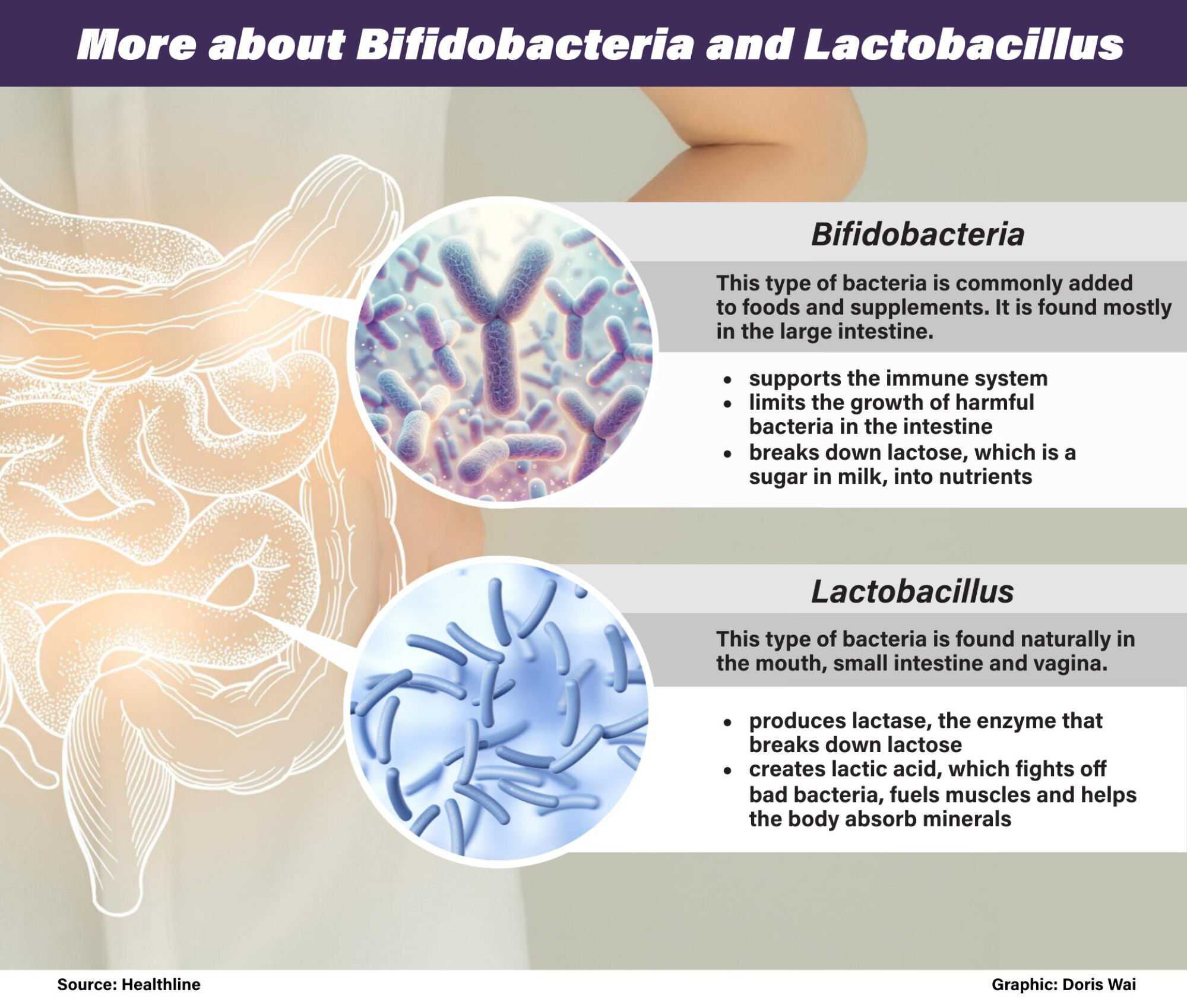
Most probiotics are derived from two main groups: bifidobacteria and lactobacillus (see graphic). Here are five of the most common types.
-
Bifidobacterium breve helps fight off bacteria and yeast that can cause infections. It plays a role in nutrient absorption by fermenting sugars and breaking down plant fibre to make it more digestible.
-
Bifidobacterium lactis originates from raw milk and is used as a starter culture for products like buttermilk, cottage cheese and various other cheeses.
-
Bifidobacterium longum assists in breaking down carbohydrates and has antioxidant properties.
-
Lactobacillus acidophilus supports digestion and may help combat harmful vaginal bacteria. You can find it in yogurt and fermented soy products.
-
Lactobacillus reuteri reduces the oral bacteria that cause tooth decay, and it is also believed to benefit the digestive system.