This article has been updated on September 16, 2025.
When Tsang* first noticed her son, Mountain, behaving differently from other toddlers, he was just two years old.
“He was always running around, couldn’t sit still for even a short while,” she recalled. “Other kids could sit and watch a whole episode of Mickey Mouse Clubhouse quietly, but he was already distracted, looking around, touching things.”
By the time Mountain entered kindergarten at age four, teachers echoed his mum’s concerns. However, like many parents in Hong Kong, she found herself in a long queue for public services. The family was informed that they would have to wait two years before her son could be seen by a government child psychiatrist.
“For families like us, that’s a lifetime,” Tsang said.
This challenging dilemma is faced by countless low-income families caring for children who may have attention deficit hyperactivity disorder (ADHD), autism spectrum disorder (ASD) or other special educational needs (SEN).
Families are left with two options: endure the wait or turn to private care. Unfortunately, a single private psychiatric evaluation can cost between HK$5,000 and HK$6,000, with each follow-up session costing an additional HK$2,000 to HK$3,000. For low-income families, this expense is unthinkable.
“That’s when I asked myself: do I pay for a doctor or do I pay for groceries?” Tsang said bluntly. “It felt like no matter what I chose, I was failing my child.”
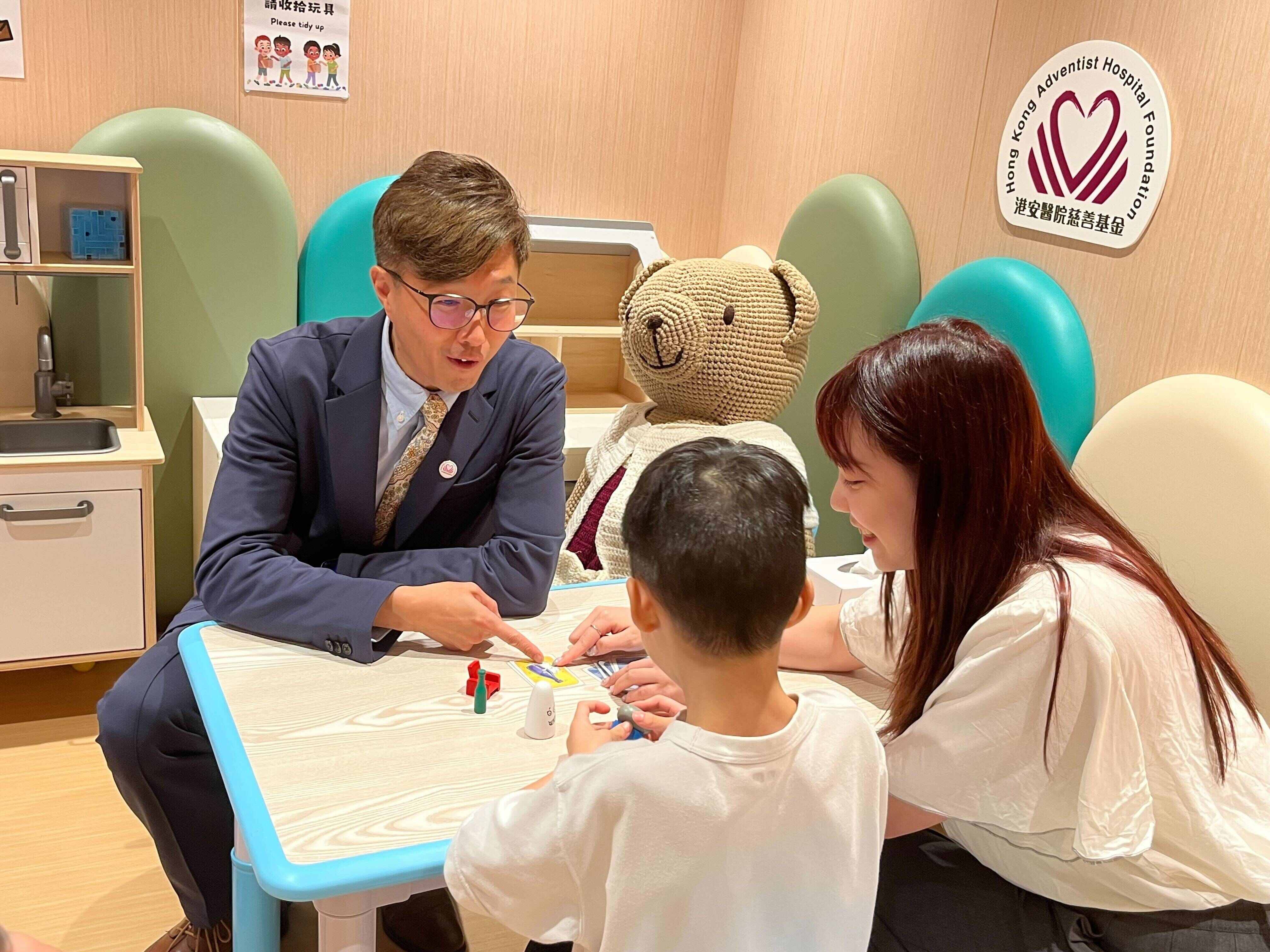
In response to these systemic gaps, the SEN Connect scheme was launched by the Hong Kong Adventist Hospital Foundation and the Wemp Foundation. The Wemp Foundation collaborates with local schools and NGOs to identify children suspected of having SEN. Eligible cases are then referred to Adventist Hospital, which provides psychiatric evaluations, follow-up treatment and medication until the patient’s case is transferred to public healthcare.
Eligibility is limited to underprivileged children aged four to 14 who are already on the public waiting list or have undergone preliminary screenings.
“This partnership ensures that children don’t lose those critical years while waiting,” said Dr Eddie Cheung, the chairman of the Hong Kong Adventist Hospital Foundation. “The goal is not to replace public services, but to bridge the gap.”
He noted that ADHD and ASD often coexist. Children with ADHD may exhibit inattention, hyperactivity and impulsivity, while children with ASD may struggle with social understanding, resist change or fixate on repetitive interests.
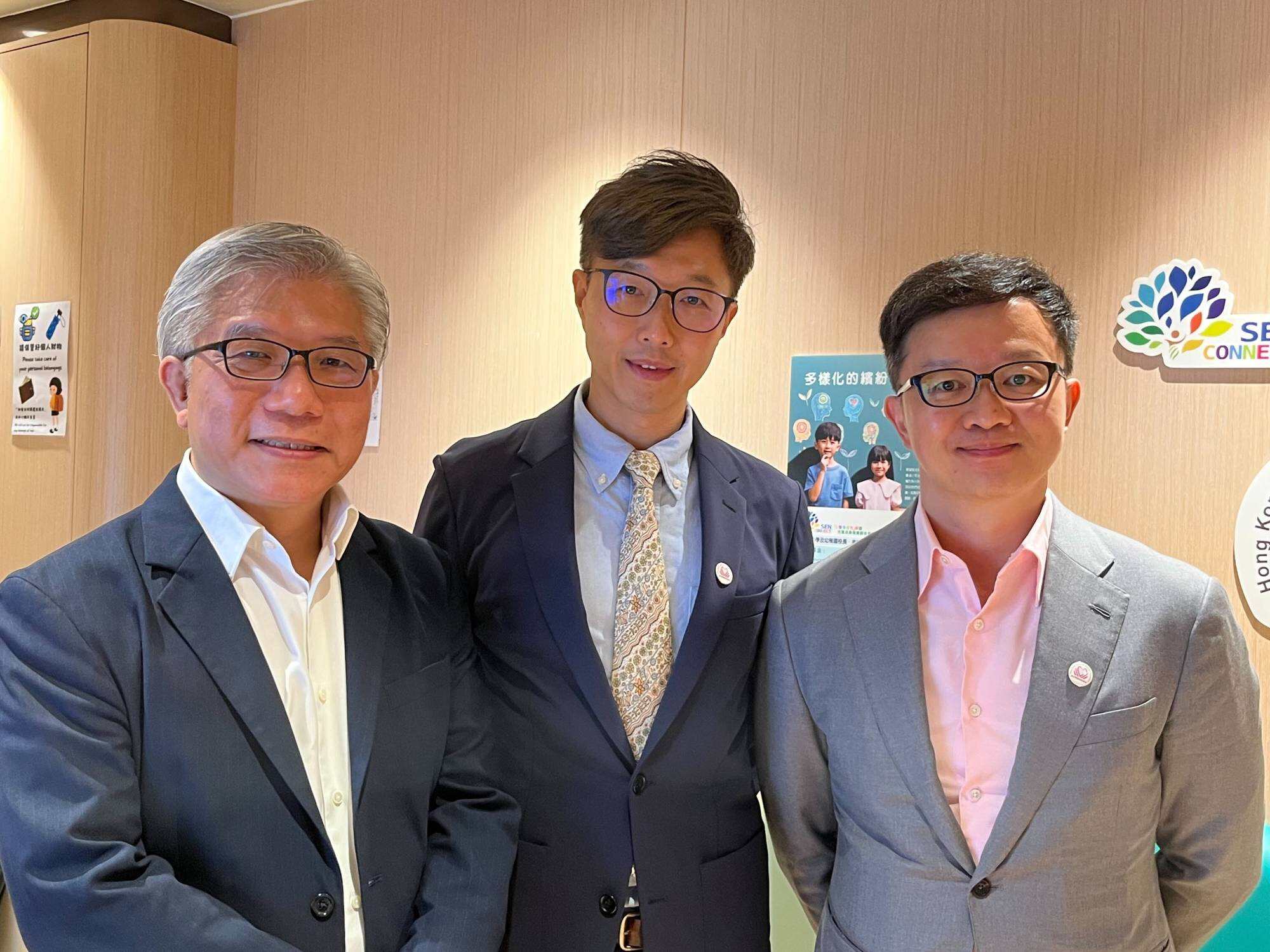
“That’s why comprehensive assessment is so important,” Cheung added. “But the current waiting time in public hospitals – sometimes two years or more – means many children miss the golden period for treatment.”
Dr Tso Kwok-chu, another psychiatrist working with SEN Connect, emphasised that early intervention is critical.
“The earlier we intervene, the better their long-term development in academics, emotions and self-confidence,” he explained.
The diagnosis is only the beginning. Some parents worry that disclosing the diagnosis to schools might lead to their child being treated differently. The NGO assists families in communicating with schools to ensure that staff have the knowledge and tools to help their child succeed.
Dr Cheung added that intervention doesn’t just mean medication.
“Therapy, parent training, and school accommodations are equally important,” he said.
Through SEN Connect, Tsang finally secured an appointment for her son. After a comprehensive evaluation, he was diagnosed with ADHD and later assessed for ASD.
“The relief was enormous,” the mother admitted. “It wasn’t just about the medicine. It was finally understanding what my child needed.”
She noted that SEN Connect’s services extended beyond treatments.
“For low-income parents, even filling out forms can be overwhelming,” Tsang said. “[SEN Connect] helps with paperwork, connects them with resources and, most importantly, reassures us that we are not alone.”
For Tsang, the journey is ongoing. Yet, she is grateful that her son, now seven, received help before starting primary school.
Her story reflects the reality for families caught between an overstretched public system and unaffordable private care. Schemes like SEN Connect may not solve every problem, but for parents like Tsang, it offers something invaluable: hope.
“Every child deserves a chance,” she said. “And every parent deserves hope.”
*Name changed at interviewee’s request.