Do you have a personal question you’ve been too afraid to ask? Whether it is about school, family or your social life, you can share it with us through this form. Don’t worry, you’ll remain anonymous.
Dear Friend,
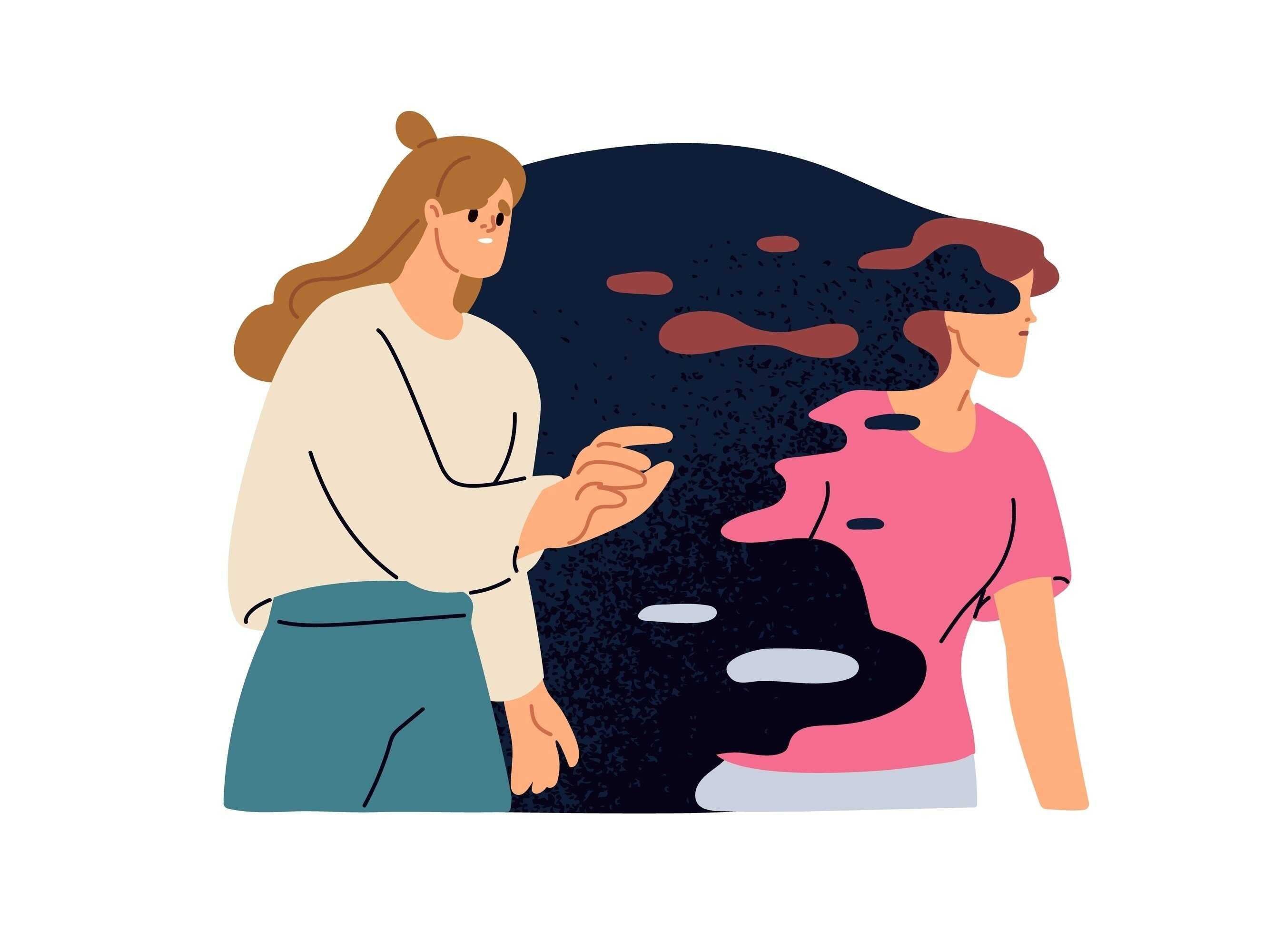
I sometimes assume the worst of a small situation and end up panicking and overreacting. Recently, this has caused me to lose my best friend. How do I break the habit of jumping to the worst-case scenario?
Signed, Mountains out of Molehills
Dear Mountains,
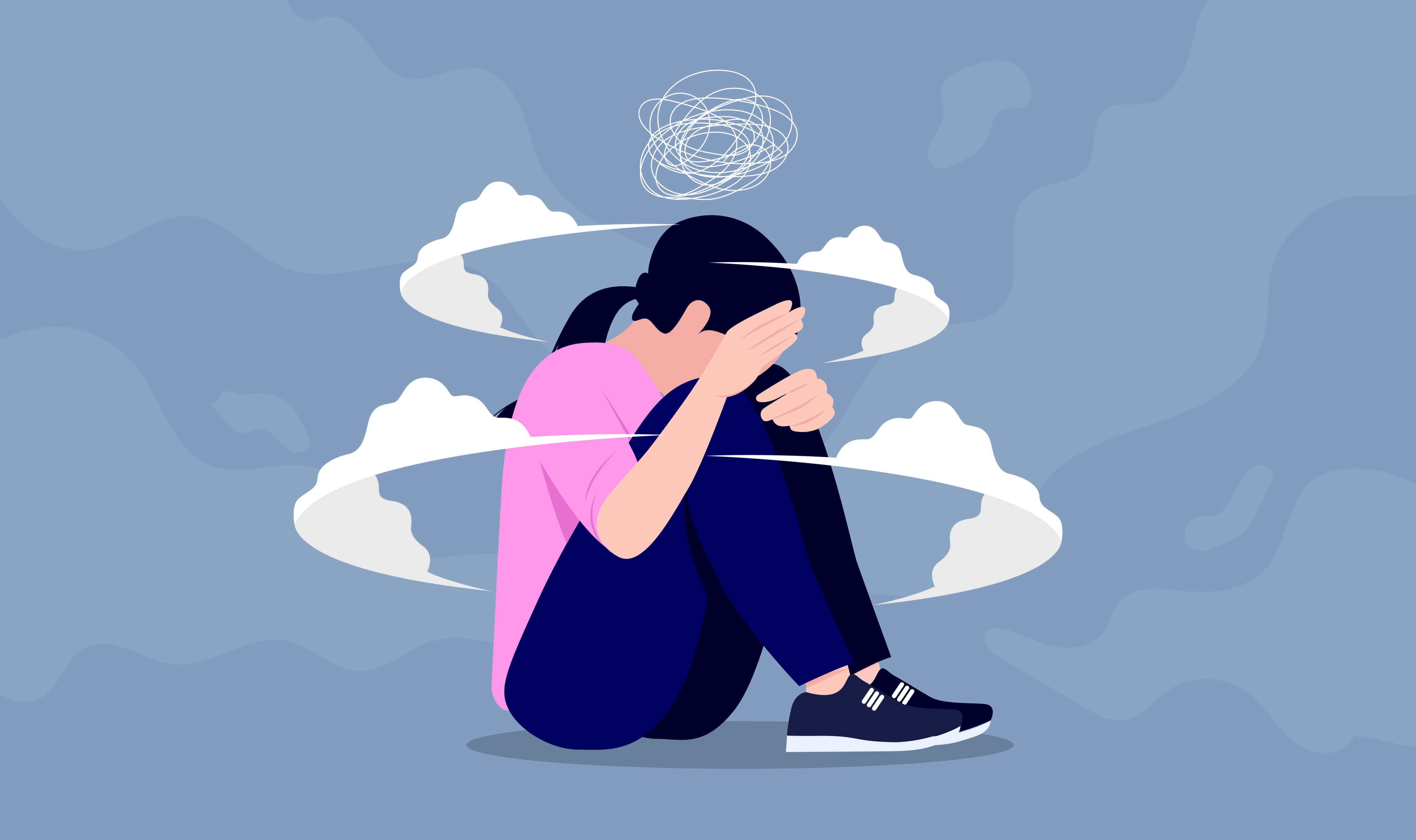
The habit of assuming the worst and overreacting is known as catastrophising, which is closely associated with anxiety – something we all deal with in different shapes and forms.
To break this habit, you need to build your awareness of these thought patterns and practise alternative responses to them. Over time, this can improve your emotional regulation, helping to prevent anxiety from hurting your relationships.
Strategies to stop catastrophising and overreacting
-
Become aware of moments when your thoughts spiral into worst-case scenarios. Reflect on what triggers these reactions.
-
Practise mindfulness by focusing on the present moment, rather than worrying about hypothetical worst-case events. Use breathing exercises to help you relax by calming the physical symptoms of anxiety.
-
Experience your anxious thoughts without avoiding them or rushing through them. Acknowledge that your feelings are temporary, and be kind to yourself in that moment.
-
Make room for other thoughts by exploring different points of view on the situation. You can also try discussing your fears with someone you trust and ask for their perspective.
-
You can also try scheduling specific times to worry. This might seem strange, but it works well for people.
These approaches can help you deal with catastrophising and improve your relationships and emotional well-being. But if your habit is severe or persistent even after trying this advice, seek support from a mental health professional who can help you learn personalised skills for regulating your anxiety.
You’ve got this, Friend of a Friend
This question was answered by Andrew Stock, a clinical psychologist and founding partner at Therapy Partners.