Every week, Talking Points gives you a worksheet to practise your reading comprehension with exercises about the story we’ve written.
In places that prize academics and “winning at the starting line”, play is often dismissed as a reward to be earned only after tutorials and piano drills are finished.
But according to Avis Ngan – a registered clinical psychologist and founder of Mindsight in Hong Kong – this mindset is backwards. He argued that play should not be seen as a break from development. Instead, it is the infrastructure required to build resilience.
Ngan defined play as an “unstructured, enjoyable, socially connective, autonomous activity”.
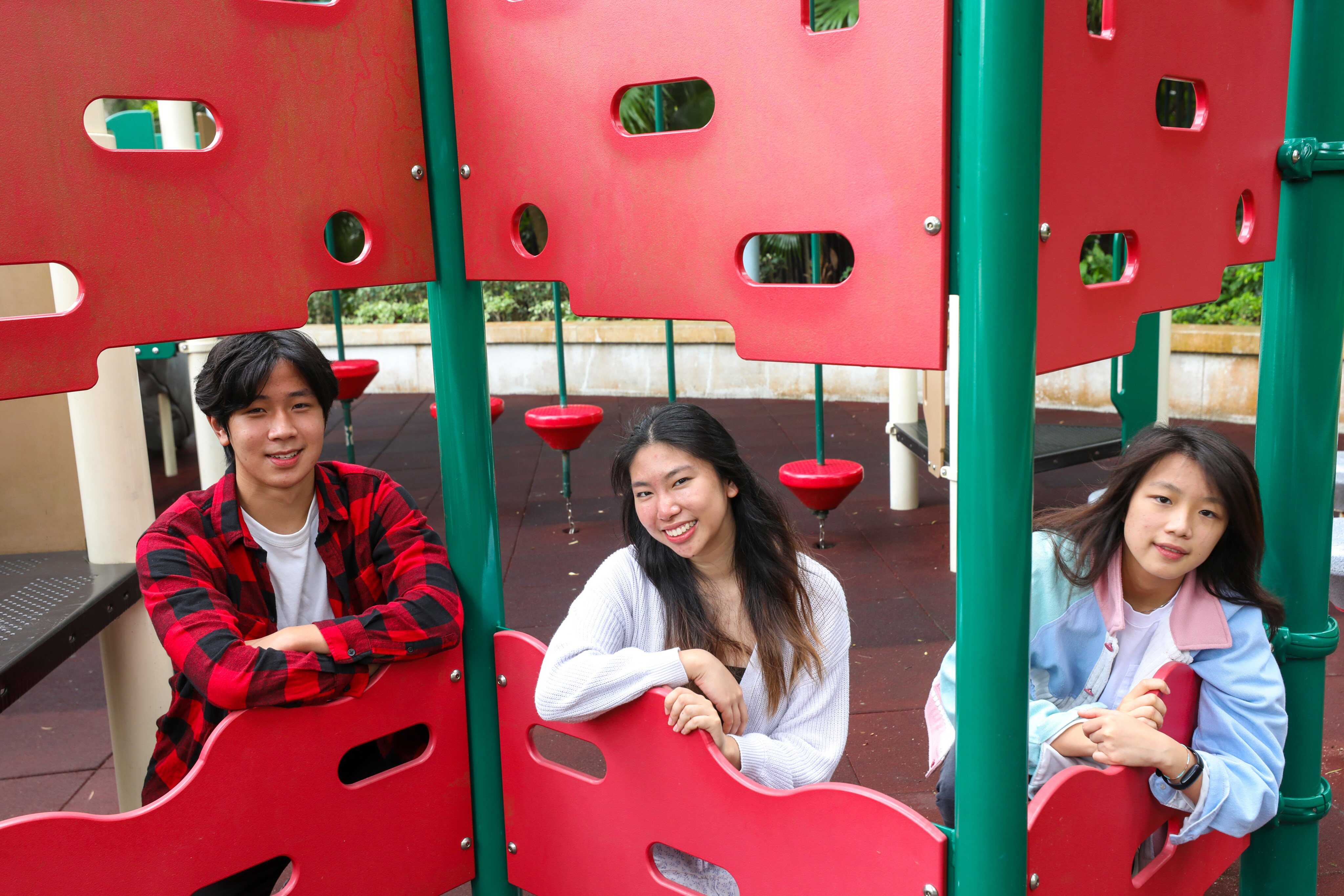
“For a 15-year-old in Hong Kong, this might look like wandering Mong Kok with friends with no agenda, shooting hoops without keeping score, making short videos for fun rather than trying to gain followers, or simply lying around with friends,” he said.
During adolescence, you are forming your social identity, so you need spaces to experiment with who you are without being graded on it, Ngan said.
He cautioned that when every hour is consumed by tutorials or extracurriculars for university portfolios, “adolescents lose the unstructured social time where identity, intimacy and autonomy are actually built”.
“We then wonder why so many university students in Hong Kong report feeling empty, disconnected or unsure of who they are,” the psychologist said.
Play’s impact on the brain and body
From a neuropsychological perspective, play helps activate the prefrontal cortex, Ngan noted. This brain region is responsible for important functions like impulse control and flexible thinking.
Ngan described play as a low-stakes “workout” for the prefrontal cortex, as children negotiate rules with each other and manage the sting of losing.
“You can teach a child a script for sharing. But play is where they learn that sharing sometimes costs them something, and they do it anyway because the relationship matters more,” the psychologist said.
Beyond its cognitive role, play is also a necessary biological reset button for students who spend a lot of time feeling stressed, Ngan said.
He explained that 30 minutes of play would activate the parasympathetic nervous system – the body’s tools for resting and relaxing after periods of stress.
Laughter, movement, socialising and the experience of autonomy all trigger neurochemical responses that directly counteract cortisol, a hormone related to stress.
“Children who never get that reset are essentially marinating in cortisol, which we know impairs memory, concentration, immune function and emotional regulation,” he said, adding that the rest that comes from play could also benefit students’ academics.
Ngan observed that many children who do not have this “reset” from play develop a “fragile sense of self that is entirely contingent on achievement”, often leading to anxiety or depression in young adulthood.
“We see this in clinical practice in Hong Kong regularly,” he said.
“The child who never played freely often becomes the young adult who has no idea what they enjoy, what they want or who they are outside of their achievements. Most importantly, they don’t have space to feel their emotions.”
Enrichment is not play
A common pitfall is confusing structured enrichment, such as piano lessons or organised sports, with true play.
To distinguish the two, Ngan suggested a simple “quit test”: if an adult sets the agenda and the child cannot walk away from it, it is training, not play. True play must be directed by the child and intrinsically motivated without external evaluation.
“A child kicking a ball against a wall by themselves, making up rules about what counts, deciding to stop and do something else: that’s play. The same child in football practice running drills – that’s training,” he said.
“Both matter, but they build different things, and one cannot substitute for the other.”
Play will inevitably involve boredom, which Ngan described as “the seed of creativity” since it activates the brain system related to imagination and reflection.
“The discomfort of boredom is not a problem to solve. It’s a doorway,” Ngan said.
“When we fill every gap in a child’s schedule, we are essentially outsourcing their internal motivation to external sources. The child never has to ask, ‘What do I want to do?’”
According to Ngan, many parts of Hong Kong lack open, unstructured green space, limiting the type of play that can be accessed – though children adapt, playing in stairwells, on footbridges and in the gaps between furniture.
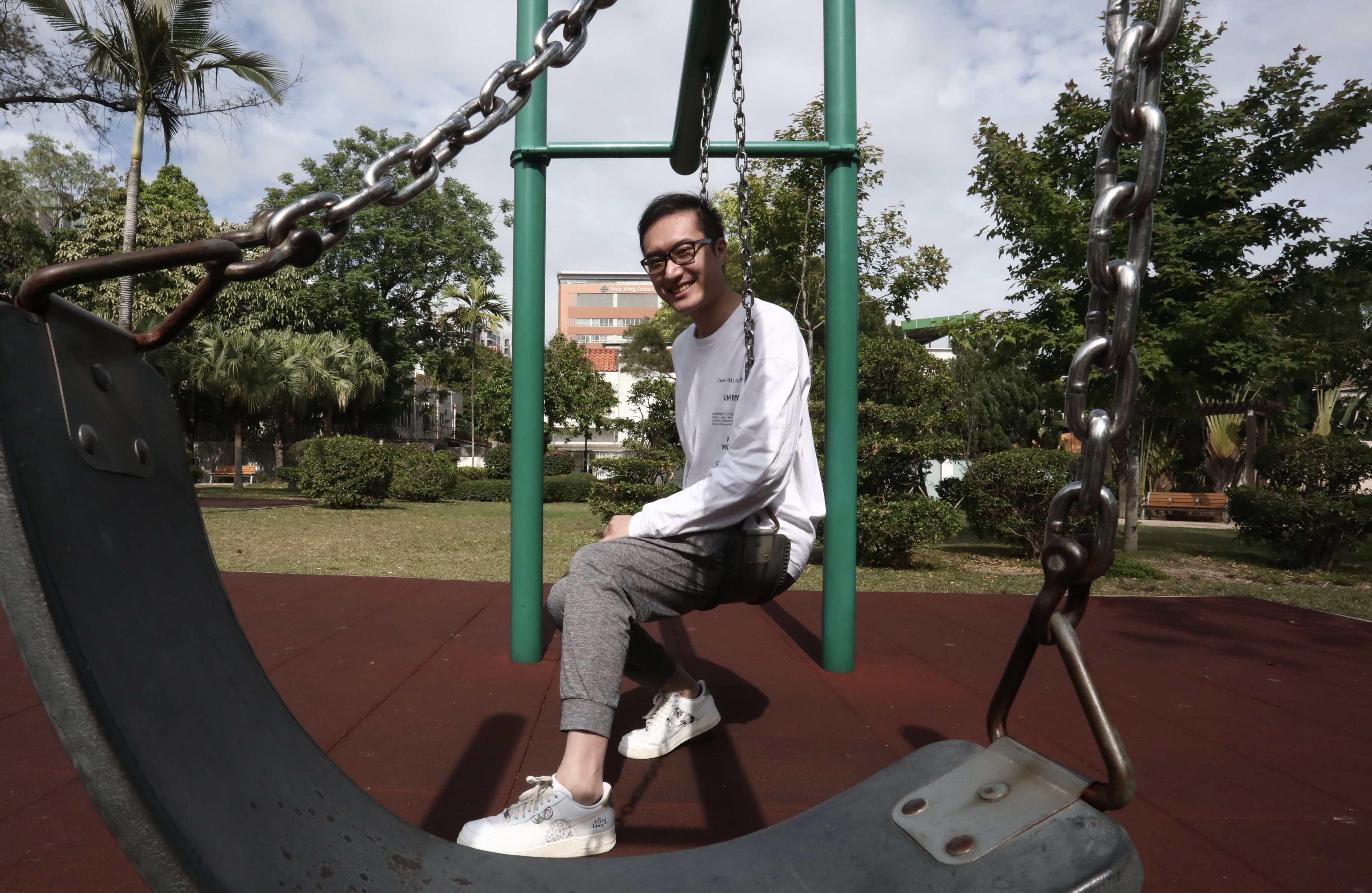
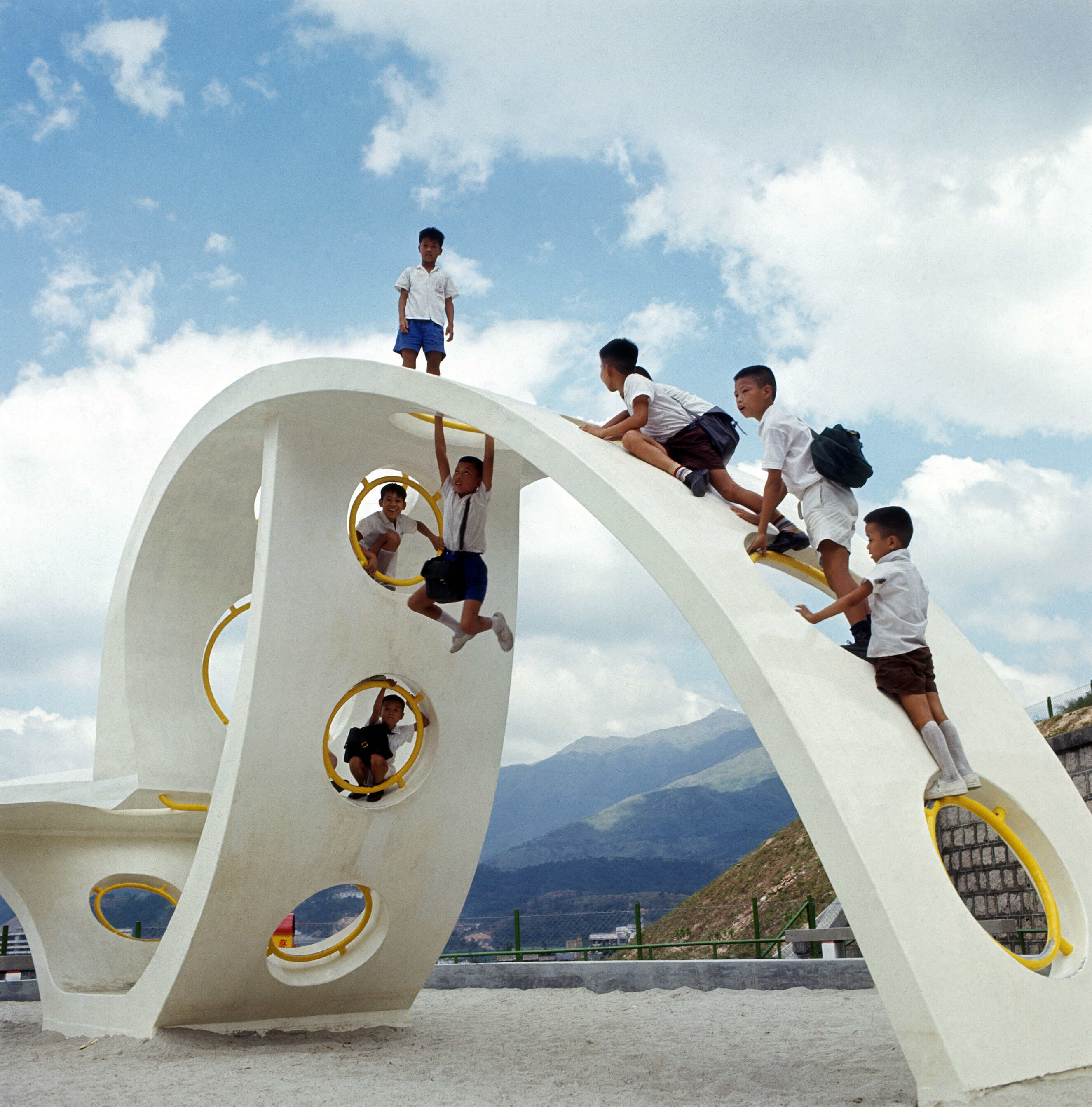
He pointed out that indoor or online environments could not easily replicate nature-based play – climbing, exploring and getting dirty – which pushes children to engage all their senses, assess risks and use open-ended creativity.
“What we lose is the kind of play where children encounter manageable risk, make their own boundaries and experience genuine physical freedom,” he said.
“It means parents and schools need to be more intentional about creating opportunities.”
If Ngan could prescribe a “minimum daily dose” of play for every student, it would be one hour of unstructured, non-academic activity.
“No educational objective, no assessment. The child chooses. The child leads,” he said. “If that sounds impossible … it tells us something about how far we have drifted from what children developmentally need.”