




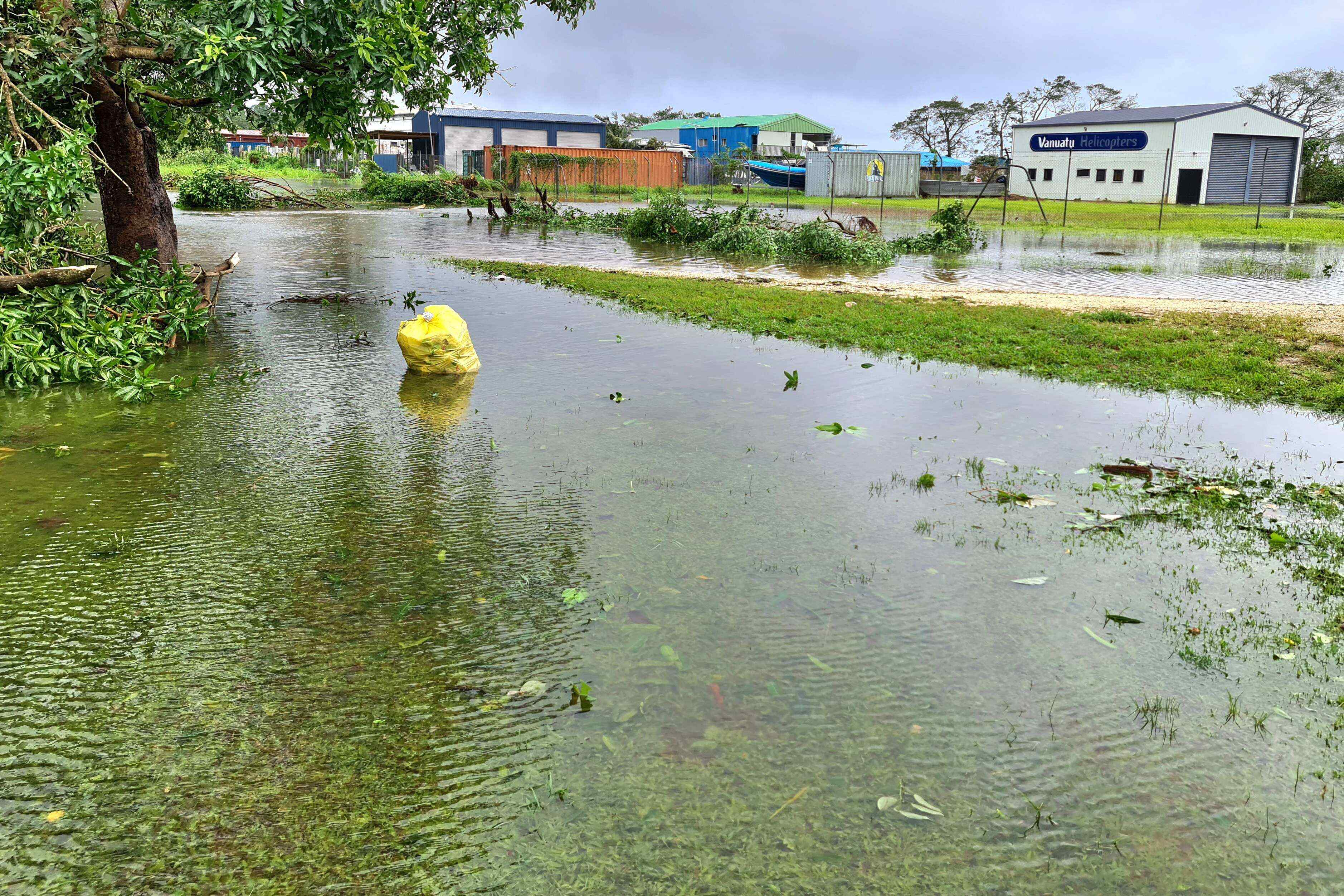
Earthquakes, floods, storms – the world is not adequately prepared to face increasing disasters, said a report published on Tuesday calling for a rethink on global risk management.
Since 1990, more than 10,700 disasters have affected over six billion people worldwide, according to data from the United Nations Office for Disaster Risk Reduction.
In 2015, the international community adopted global goals to lower casualties and damage by the year 2030 by investing in risk evaluation and reduction, as well as disaster preparedness, in a declaration known as the “Sendai Framework.”
However it is “highly unlikely we will meet the Sendai Framework goals by 2030 given current trends,” said a report by the International Science Council, which includes dozens of scientific organisations.
Floods and storms, which have been exacerbated by climate change, top the list of disasters and account for 42 per cent of the total.
The cascading disasters are “setting back hard-won development gains in many parts of the world,” the report says.
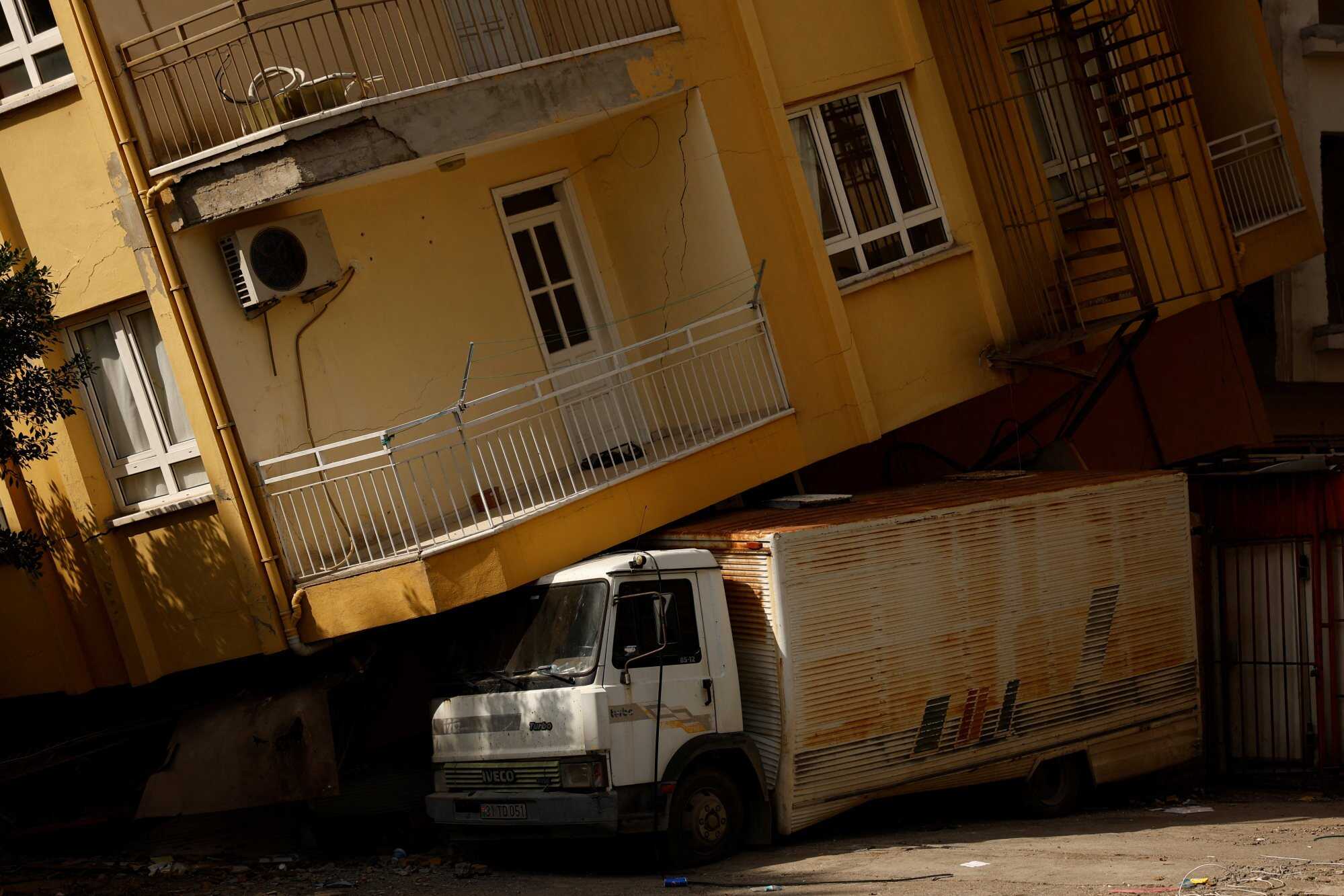
“Far too little attention and investment is put to long-term planning and prevention, from strengthening building codes to adopting hazard alert systems,” said Peter Gluckman, president of the ISC.
This lack of preparedness comes even as the international community is quick to mobilise after disasters like the recent earthquake in Turkey and Syria, he added.
Mami Mizutori, UN special representative for disaster risk reduction said “the multiple challenges of the last three years have laid bare the fundamental need for greater global readiness for the next disaster.”
“We need to reinforce our infrastructure, communities, and ecosystems now, rather than rebuild them in the aftermath,” she added.
The report additionally drew attention to resource allocation issues. For example, only 5.2 per cent of aid for developing countries for disaster response between 2011 and 2022 was dedicated to risk reduction. The rest was allocated to relief and post-disaster reconstruction.
The ISC calls for the widespread deployment of early warning systems, noting that 24 hours’ notice of a storm could reduce damage by 30 per cent.
A report released in late January by the UN General Assembly also noted that countries were not on track to meet goals under the Sendai framework.
Not only is the number of people affected by disasters each year increasing, but so is the direct damage, which reached an average of $330 billion per year during the 2015-2021 period.
