




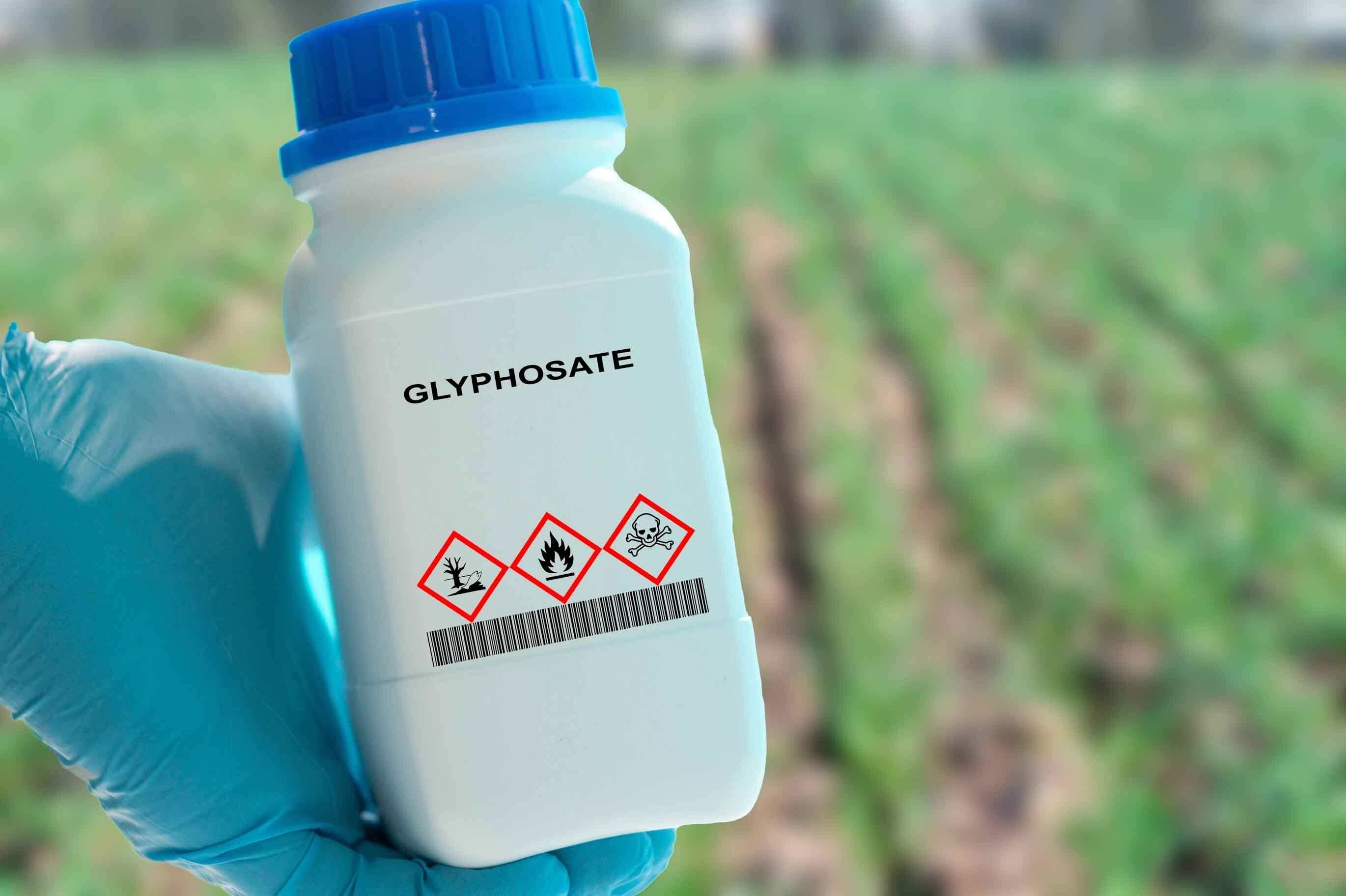
Soy farming has been linked to a rise in child cancer deaths in Brazil, the world’s biggest producer and exporter of the oilseed and one of the top users of pesticides for protecting crops from disease and pests, according to a study in the South American country.
The peer-reviewed study published last month in PNAS, the journal of the US National Academy of Sciences, found that as soy cultivation expanded in Brazil, “agricultural pesticide exposure was associated with increased childhood cancer mortality among the broader population indirectly exposed to these chemicals”.
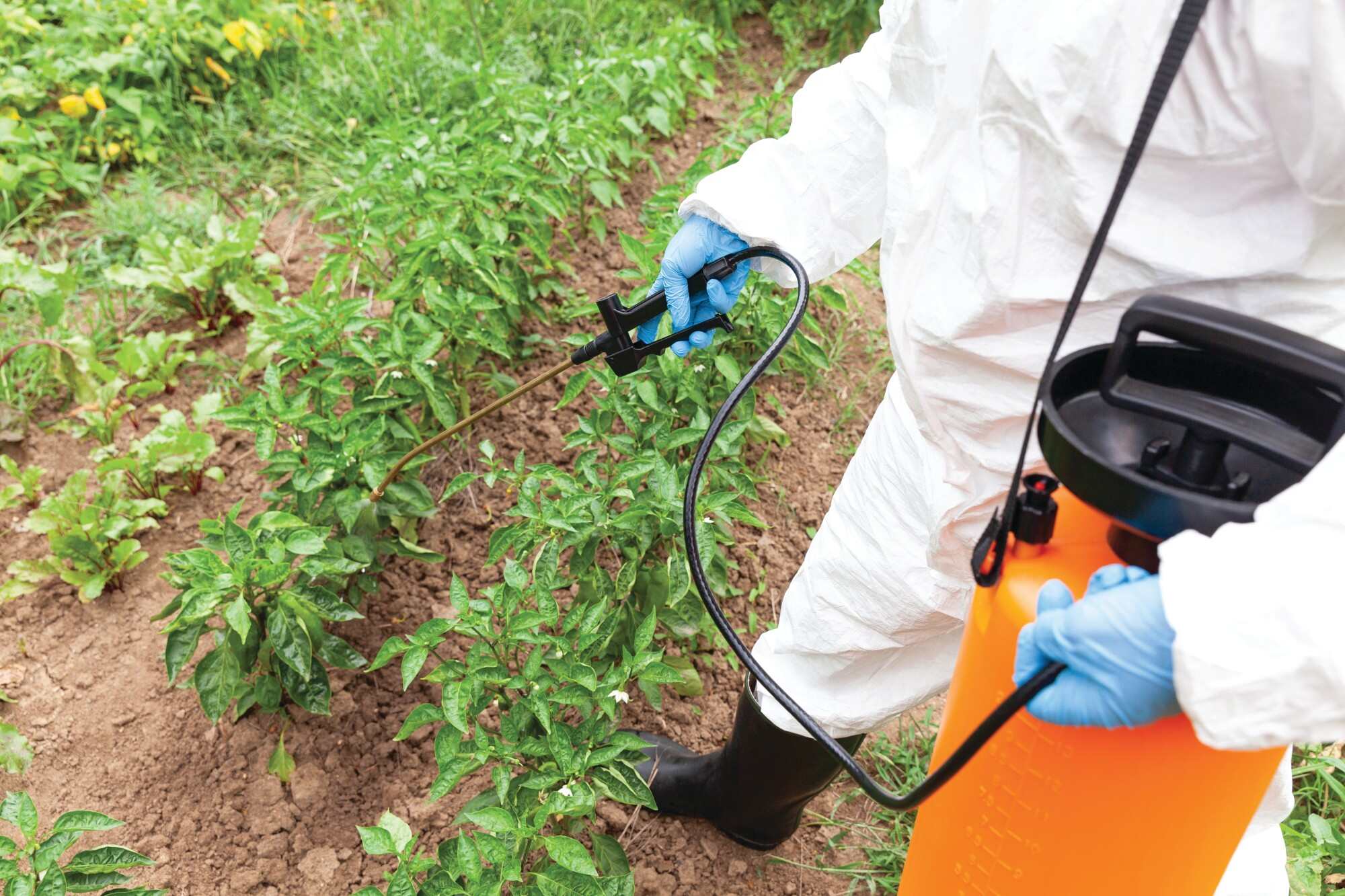
The researchers found a relationship between soy production and related community exposure to agrochemicals including glyphosate, a widely used weedkiller that some genetically modified soybean seeds are designed to tolerate.
“We find a statistically significant increase in paediatric leukaemia following expanded local soy production,” the PNAS article said, based on Brazilian childhood cancer incidence and disease mortality data spanning 15 years.
Greater pesticide use is likely contaminating water supplies near soy farms, the researchers speculated.
Specifically, the study found a correlation between soy farming and childhood blood cancers, especially acute lymphoblastic leukaemia (ALL), the most common blood cancer in children.
There were 123 additional deaths of children under age 10 from 2008 to 2019 from ALL following the expansion of soybean production in Brazil, the researchers found.
Hong Kong watchdog detects 29 chocolates with heavy metal, 1 exceeds EU limits
That number would have been higher were it not for the country’s high-quality cancer treatment centres, the researchers said.
With the use of genetically modified soy on increasingly larger areas, Brazil’s production nearly doubled over the last decade, to a record 154.6 million metric tons this year, according to Brazilian government data.
The country sells most of its soybean exports to China and has been competing with the United States for years – where chemicals such as glyphosate are also widely used – in global soy markets.
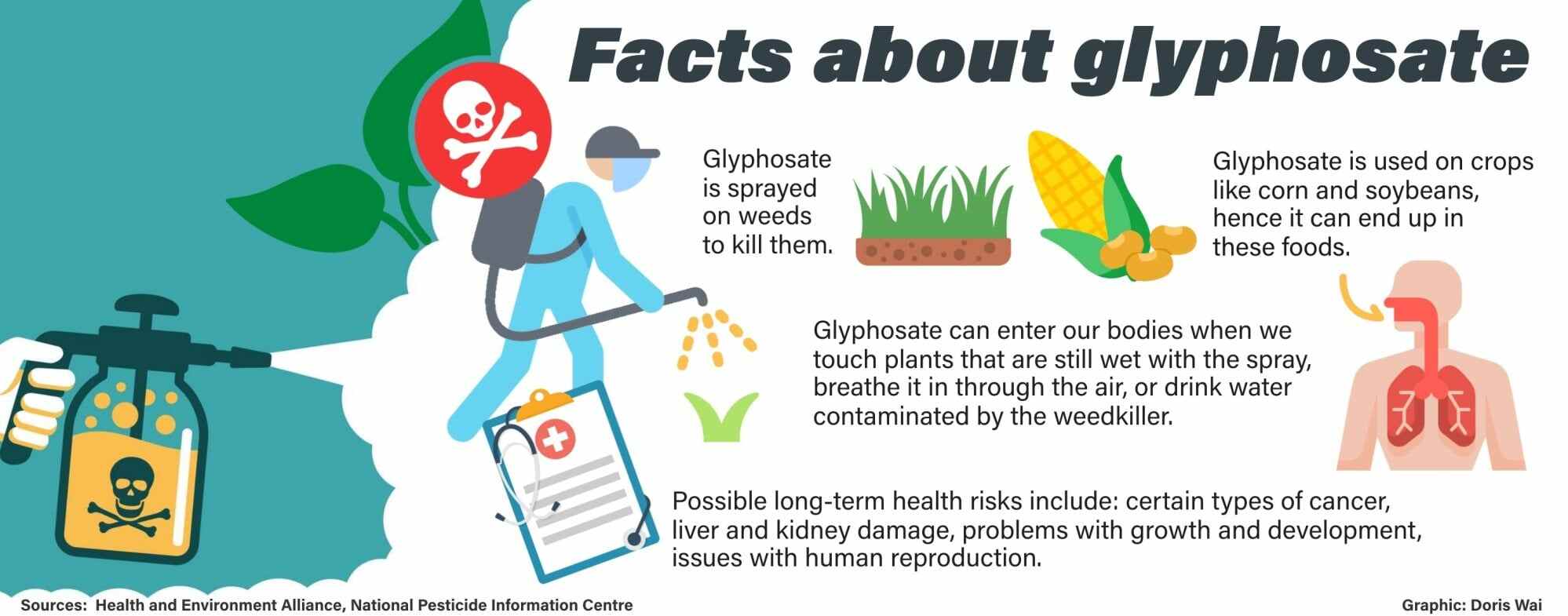
Glyphosate has proved divisive since the World Health Organization’s cancer research agency concluded in 2015 that it was probably carcinogenic to humans.
What are the alternatives to glyphosate?
Controlling weeds is one of the biggest challenges for farmers, but there are other ways to do it besides using glyphosate.
According to Pesticide Action Network UK, these methods include electrothermal weeders, as well as biological and livestock control of weeds.
Electrothermal weeders send a powerful jolt of electricity through the leaves which travels down the stem and into the roots. The electricity heats the water inside the plant to boiling point, which causes the cells to burst, instantly killing the plant.
Biological control uses living organisms to reduce weed populations, while animal grazing is a traditional but highly effective way to control weeds.
