




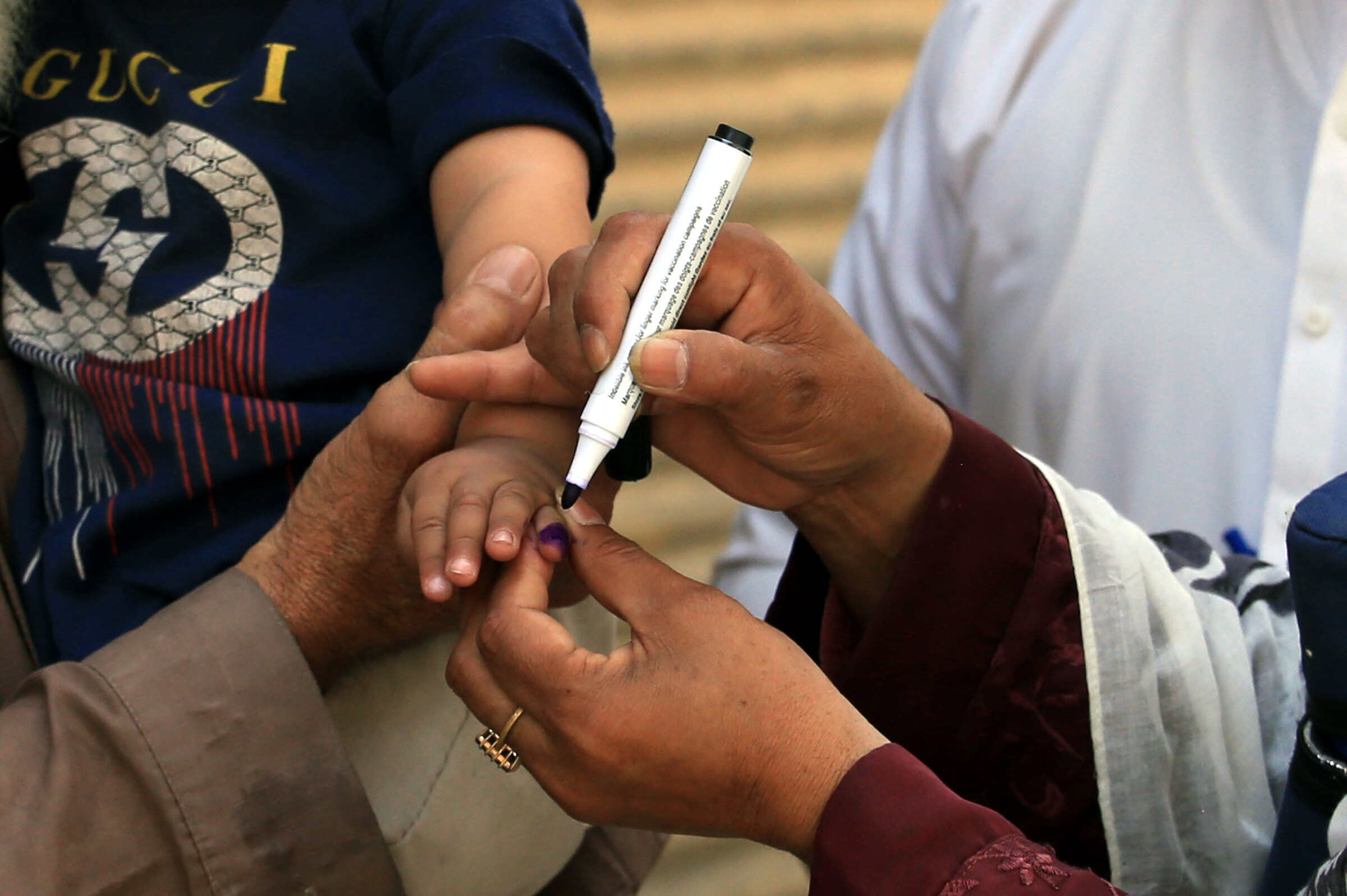
Global aid funding cuts, led by the United States, are disrupting efforts to vaccinate children against deadly diseases, the United Nations (UN) has said, adding that the drop in childhood jabs is almost as big as the one created by the Covid-19 pandemic.
Outbreaks of infectious diseases, including measles, meningitis and yellow fever, have been increasing globally.
According to reports from World Health Organization (WHO) offices in 108 largely low and lower-middle countries, emergency and routine vaccinations were significantly affected in almost half of the countries at the start of April, owing to funding cuts.
The funding cuts also reduced vaccine supplies and hampered disease surveillance, the WHO and Unicef said in a joint release with Gavi, the Vaccine Alliance.
“Setbacks [are] at a similar level to what we saw during Covid-19. We cannot afford to lose ground in the fight against preventable disease,” said Catherine Russell, Unicef executive director. The Covid-19 pandemic caused what it called the largest backslide in childhood vaccination in a generation. Aid funding cuts, led by the US – formerly the world’s largest donor – risked the same outcome, the joint release said.
US president Trump’s foreign aid cuts will strain responses to health crises worldwide
The release called for childhood immunisation funding to be maintained ahead of Gavi’s funding round, which will be launched in June. The group is seeking $9 billion for its work from 2026 to 2030.
Sania Nishtar, Gavi’s chief executive officer, said it was possible to fight the rise of infectious diseases but only if the group is fully funded.
Measles cases have increased year-on-year since 2021, meningitis surged in the African continent last year and yellow fever cases rose despite declines in the previous decade, the agencies said.
Last month, an internal document showed that the US government would follow funding cuts with a cancellation of its $300 million annual contribution to Gavi. The document showed that the initial cuts to Unicef and WHO funding are part of the government’s wider plans to streamline foreign aid to align with its “America First” policy.
Last week, the US State Department told Reuters it had nominated Mark Lloyd, assistant administrator for global health, to Gavi’s 28-person board. The US seat had previously been vacant. Both the US State Department and Gavi declined to comment about what this could mean for US funding.
