
A ruling by a Hong Kong court has ordered that the current ban on individuals’ use of some public toilets designated for the opposite sex must be struck down, as a judge partially upheld a legal challenge calling for wider acceptance of transgender people in sex-specific facilities.
In the landmark ruling on Wednesday, the High Court upheld an anonymous litigant’s claim that the government violated its constitutional duty to safeguard residents’ equality and privacy rights by criminalising the misuse of public restrooms managed by the Food and Environmental Hygiene Department at the expense of the transgender community.
Mr Justice Russell Coleman suspended his judgment for a year to allow the government time to develop a solution, noting that officials might feel content to “let the criminal offence go”.
“I suppose the view could be taken that, as with other conveniences accessible by the public (but privately managed), there are other offences which can be used to deter and punish improper conduct,” he said in a 51-page judgment.
“This is a matter of line-drawing, which seems to me to be a question for the government or legislature to address.”
He also stressed that the court would not judge where the line separating men and women should be drawn in the legal context, as it was a matter for legislation, “probably in the context of wider or interlinked questions”, to make that determination.
The government can also file an appeal against the decision within 28 days.
Need for an update
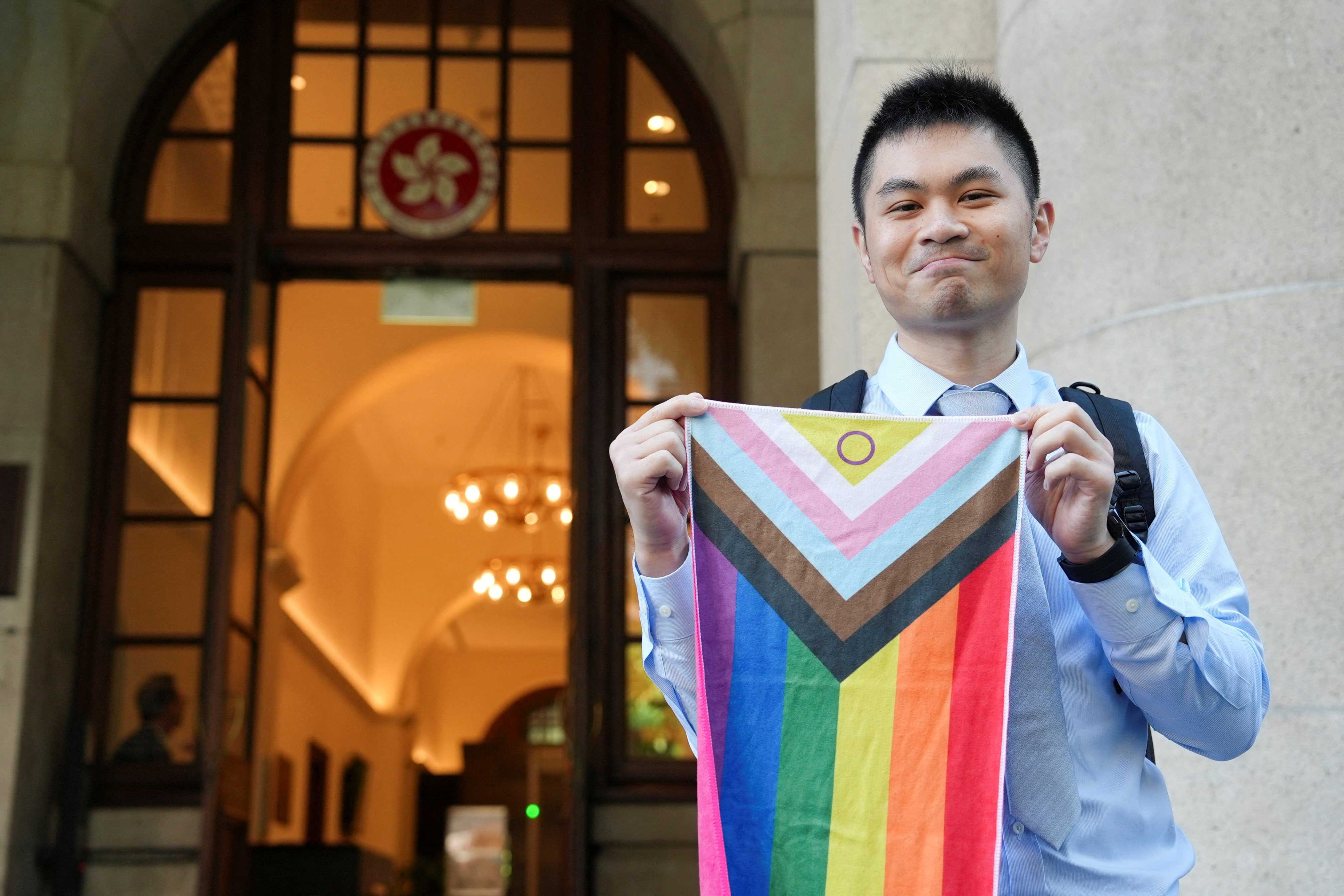
The applicant, a transgender man identified in court only as “K”, sought a judicial review in 2022 by highlighting a potential breach of local laws if he were found to have entered a public restroom that did not align with the female sex marker on his identity card.
The court heard that K held a gender identity letter showing he was undergoing a period of “real-life experience”, during which he sought to live consistently in the adopted gender.
The step is generally required in Hong Kong for anyone wishing to proceed to hormonal treatment or sex reassignment surgery.
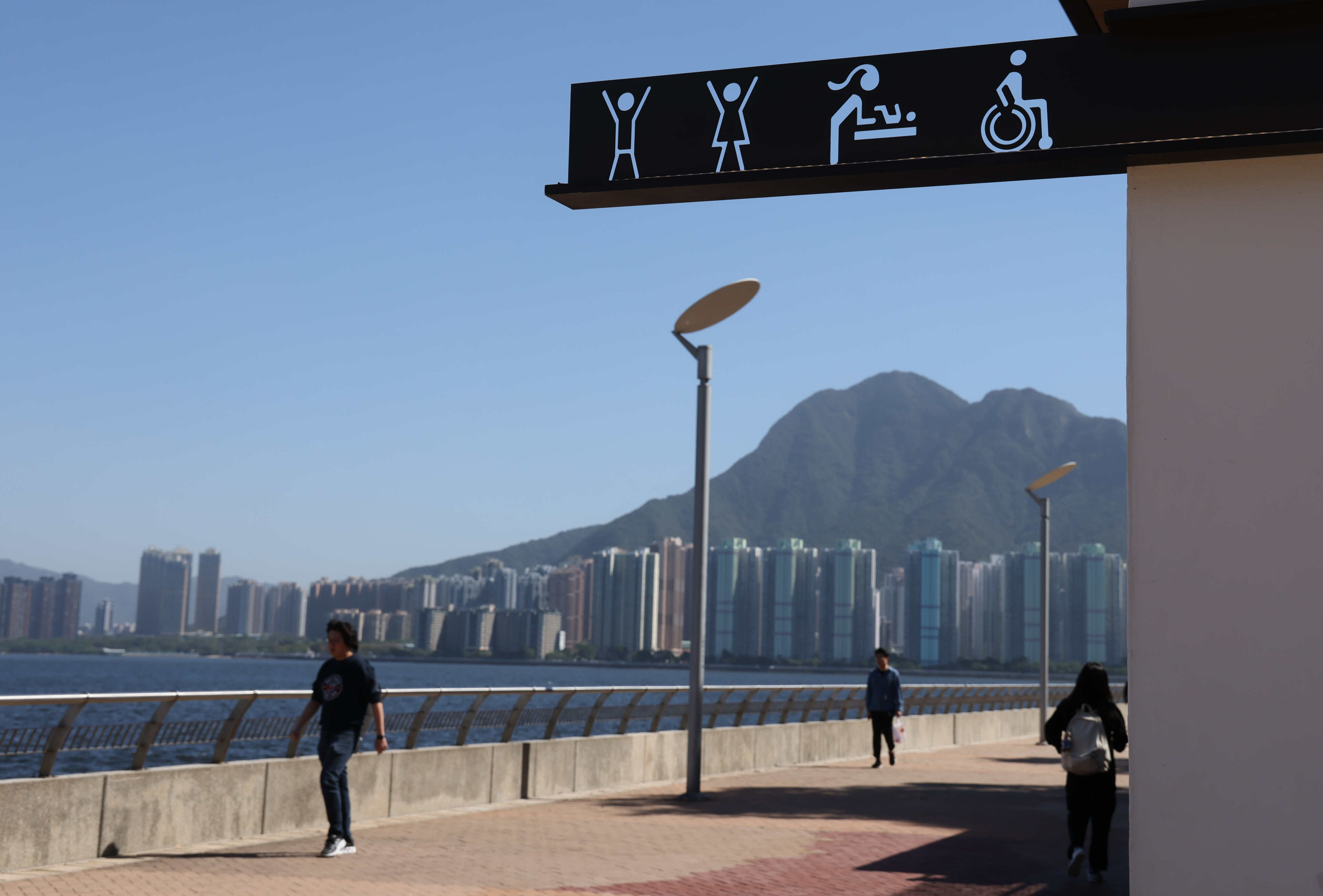
The Public Conveniences (Conduct and Behaviour) Regulation, which governs the use of public lavatories managed by the department, bars anyone aged five or above from such facilities allocated to their opposite sex. Offenders can face a fine of up to HK$2,000 (US$254).
The law does not apply to public toilets managed by other government departments and those situated at private premises.
The department managed a total of 805 public toilets as of September 2022, with 408, or around half of them, being unisex facilities.

Coleman noted that the law was drafted in the 1960s, when nobody in society would have envisaged a need for change arising from transgender identities.
The applicant’s counsel argued the regulation should be revised to accommodate holders of such medical certificates so that they could access toilets of the sex they identified with before they were deemed fit to receive treatment.
Tim Parker SC, for K, highlighted the mental health challenges faced by the transgender community and said his client would minimise water intake while outdoors to avoid having to go to public toilets and arousing suspicion.
Authorities originally resisted the legal bid by highlighting safety and privacy concerns and society’s expectation that toilet access be limited in accordance with the users’ biological sex.
But they pulled back from that position after the Court of Final Appeal delivered a landmark judgment in 2023 affirming transgender people’s right against privacy invasion in a case concerning the use of their preferred sex marker on identity cards.
Step forward for LGBTQ Hongkongers
The present case has created a new battleground for greater legal recognition by the LGBTQ community that has forced the city government to implement piecemeal reforms over the years through legal action.
In a statement shared by Daly and Associates, the law firm which served as K’s solicitors, the applicant said: “Today, I and other transgender friends who are still in the process of gender transition can use public toilets openly without fear of being rejected.”
“Hong Kong is another step further in improving its gender-friendly [measures]. Hopefully Hong Kong’s judicial system will gradually become more inclusive in the future,” he added.
The law firm described the ruling as a “significant milestone in the advancement of transgender rights in Hong Kong”.
“Transgender individuals in Hong Kong deserve the same dignity, privacy, and equality as everyone else,” Mark Daly, the firm’s principal, was quoted as saying.
“The burden of defending basic rights should never fall on those already facing systemic barriers.”
He added that it was the government’s duty to proactively review discriminatory laws and ensure that public spaces were safe, inclusive, and accessible to all, regardless of gender identity.
Quarks HK, a concern group focusing on issues with transgender youth, said the ruling marked a significant milestone in human rights development in Hong Kong.
It urged authorities to set up more gender-friendly public facilities and double down on efforts to remove the social stigma attached to transgender people.