Expensive dental care and a lack of services available on Sundays have left Hong Kong’s foreign domestic helpers desperate for an affordable option, NGOs and unions have said, following the arrest of six women earlier this week for allegedly operating an illegal clinic.
A lawmaker also said on Wednesday that one solution was for the city to adopt a similar policy to Singapore, where employers are required to buy comprehensive medical insurance, including dental care, for their helpers.
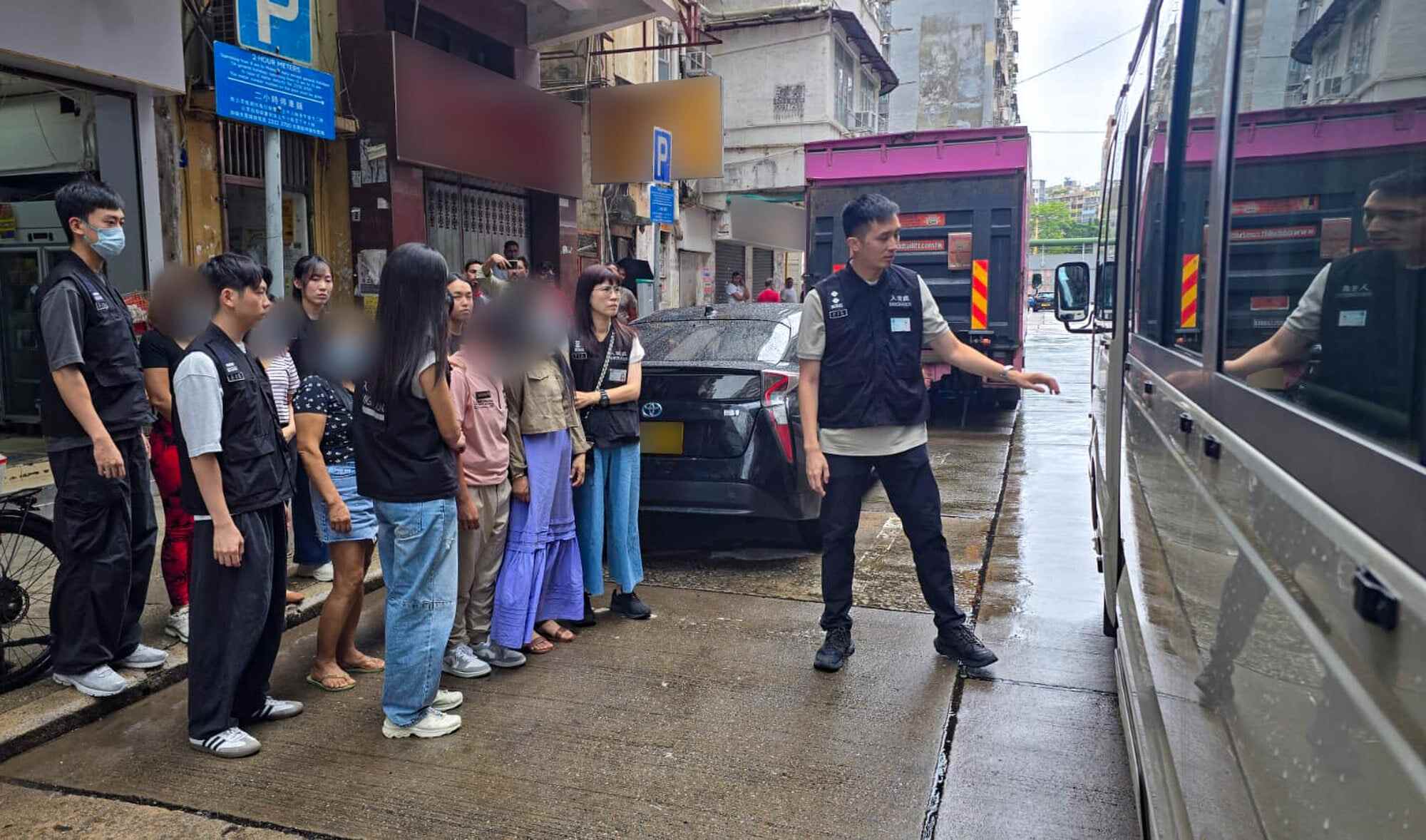
Earlier this week, Hong Kong immigration authorities arrested six domestic helpers on suspicion of running an unlicensed dental clinic at a tenement flat in Sham Shui Po.
The suspects, aged 34 to 60, were all from the Philippines. Two allegedly worked as unlicensed dentists, while the rest were believed to have acted as assistants and provided services such as scaling, orthodontic treatment and denture production.
The Immigration Department said its investigations suggested that the suspects had learned dentistry from watching online videos, as none of them had any formal training or qualifications.
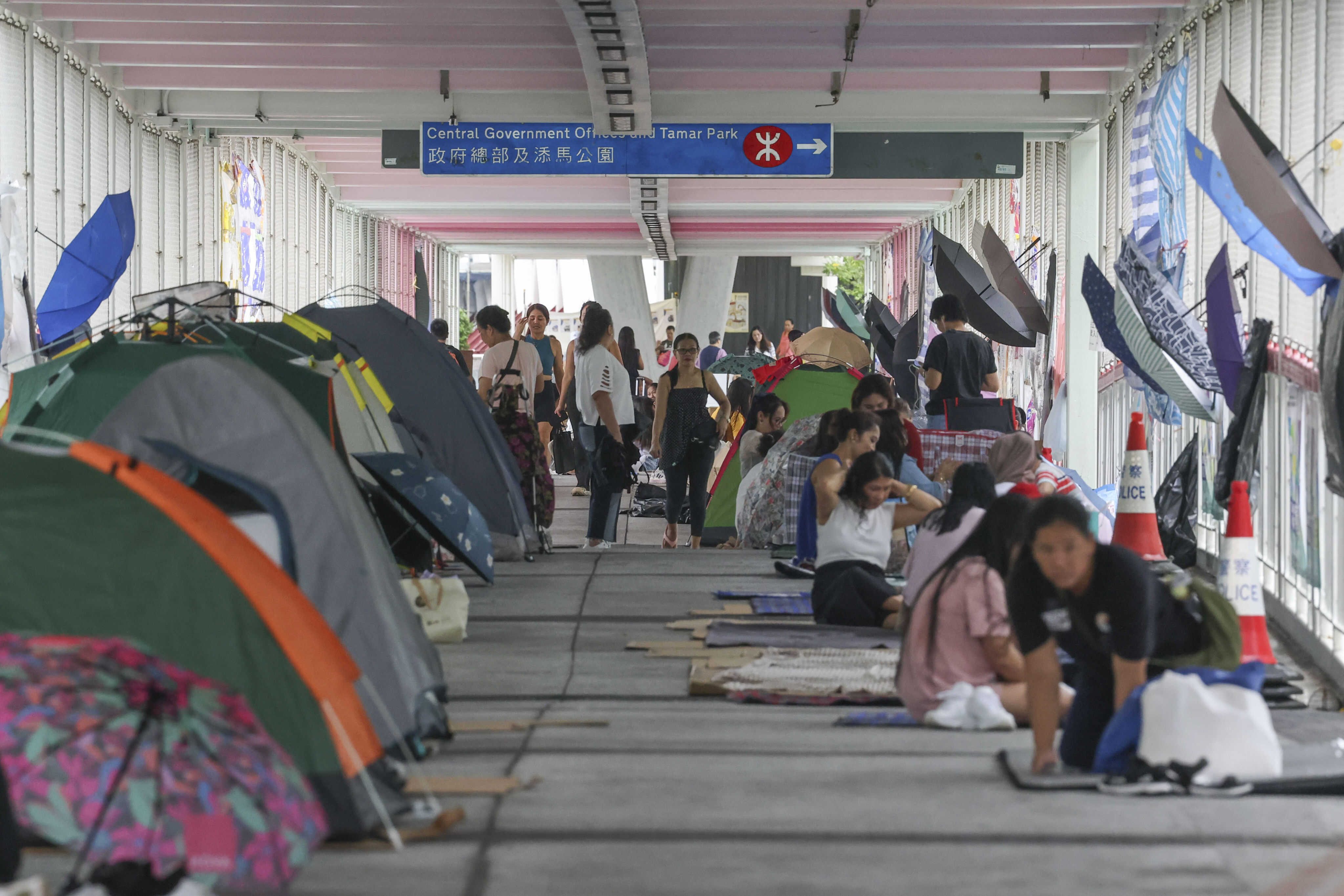
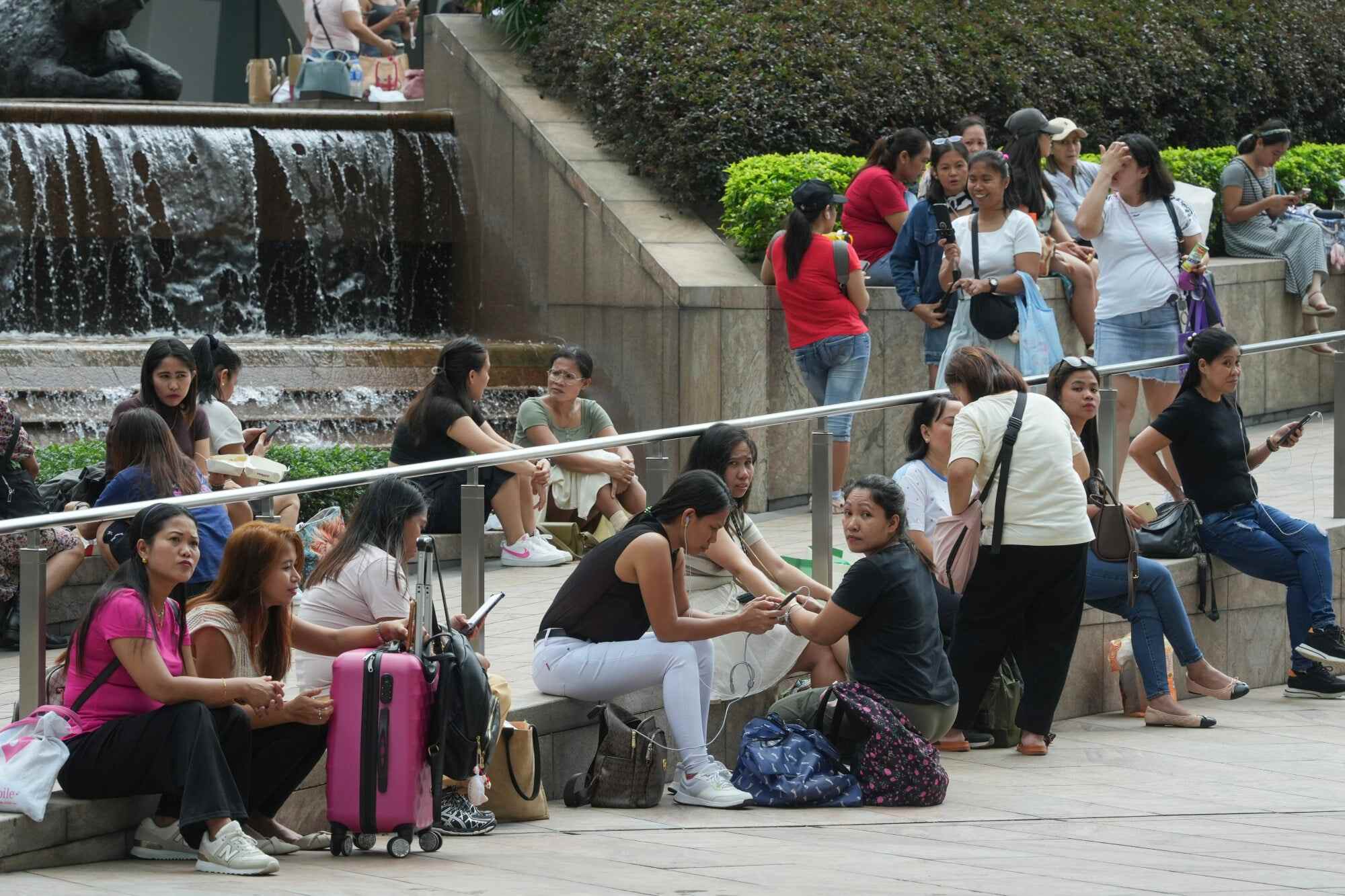
Adequate medical coverage for the city’s estimated 370,000 foreign domestic helpers has been a long-standing concern among organisations supporting such workers, with groups saying the arrests had shone a spotlight on the lack of accessible dental care options.
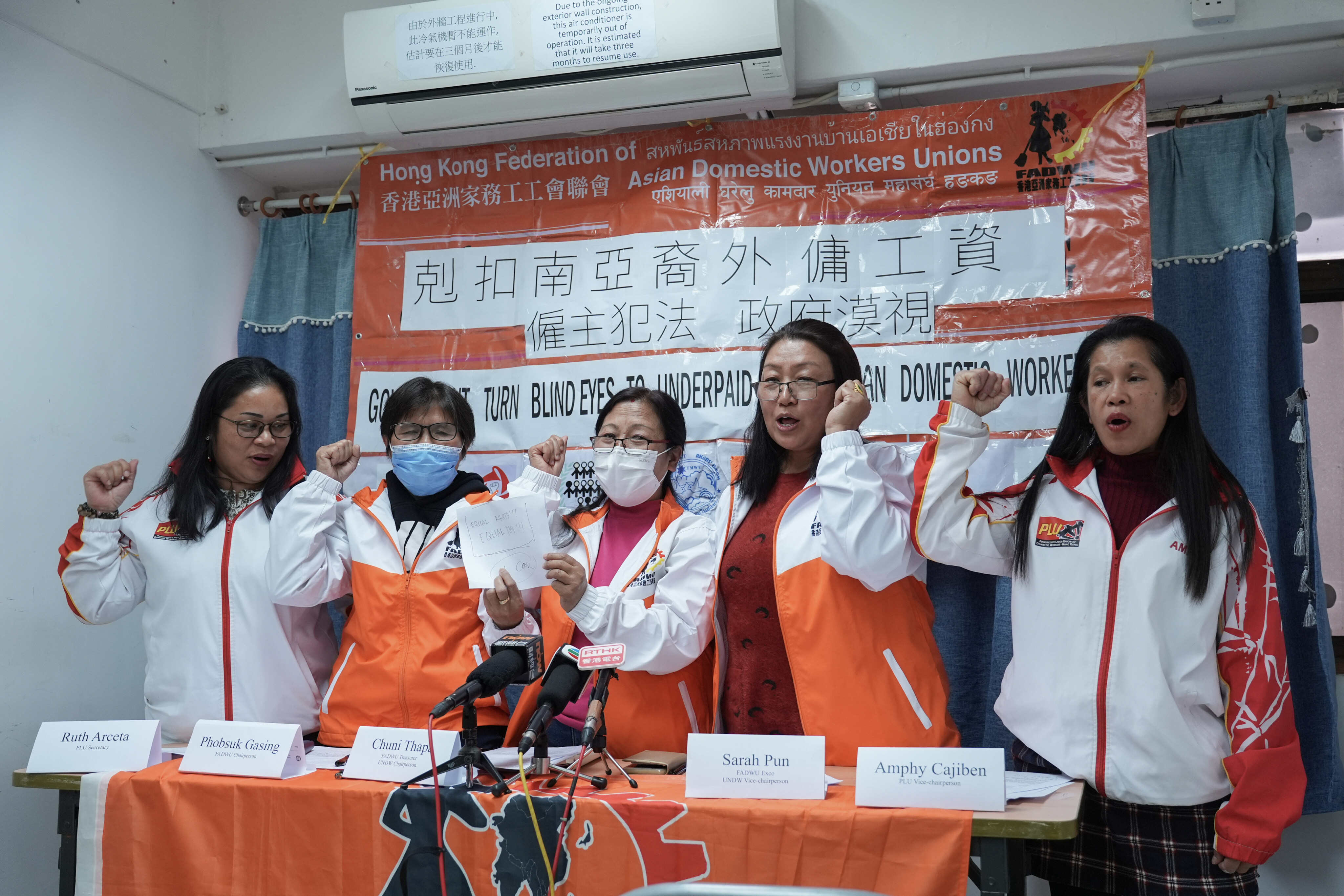
“There is definitely a need for dental services that are affordable and accessible for domestic workers,” said An An, the organising secretary for the Hong Kong Federation of Asian Domestic Workers Unions.
She said that domestic helpers already struggled with limited insurance policies provided by employers and often resorted to paying for medical and dental procedures out of pocket.
Many domestic workers were also unaware of whether they had any dental coverage at all, she added.
“If the domestic worker has the need but not access, what can they do? They just have to bear the pain,” An An said.
Under the Employees’ Compensation Ordinance, employers must take out compensation insurance to cover liabilities for work-related injuries. The Labour Department’s standard employment contract for domestic helpers also requires employers to cover emergency dental treatments for their employees.
But employers are not required to take out more comprehensive insurance to cover other expenses.
Rachel Li, the head of case management and research at the non-profit organisation Help for Domestic Workers, said there was no clear definition as to what constituted “emergency dental treatment”.
“There is no black and white definition. If you are in some pain, is that an emergency?” she asked.
Li said that the NGO worked with a handful of private dentists to provide subsidised services for helpers, but added that it was not a “sustainable solution” that could cover all of the city’s foreign domestic workers.
Dental care services were already limited for low-income Hong Kong residents, with many helpers waiting until they went home to seek treatment to save on costs, she said.
“The scope of service is really limited … It’s why a lot of needs go unnoticed,” she said.
Li added that most private clinics were not open on Sundays.
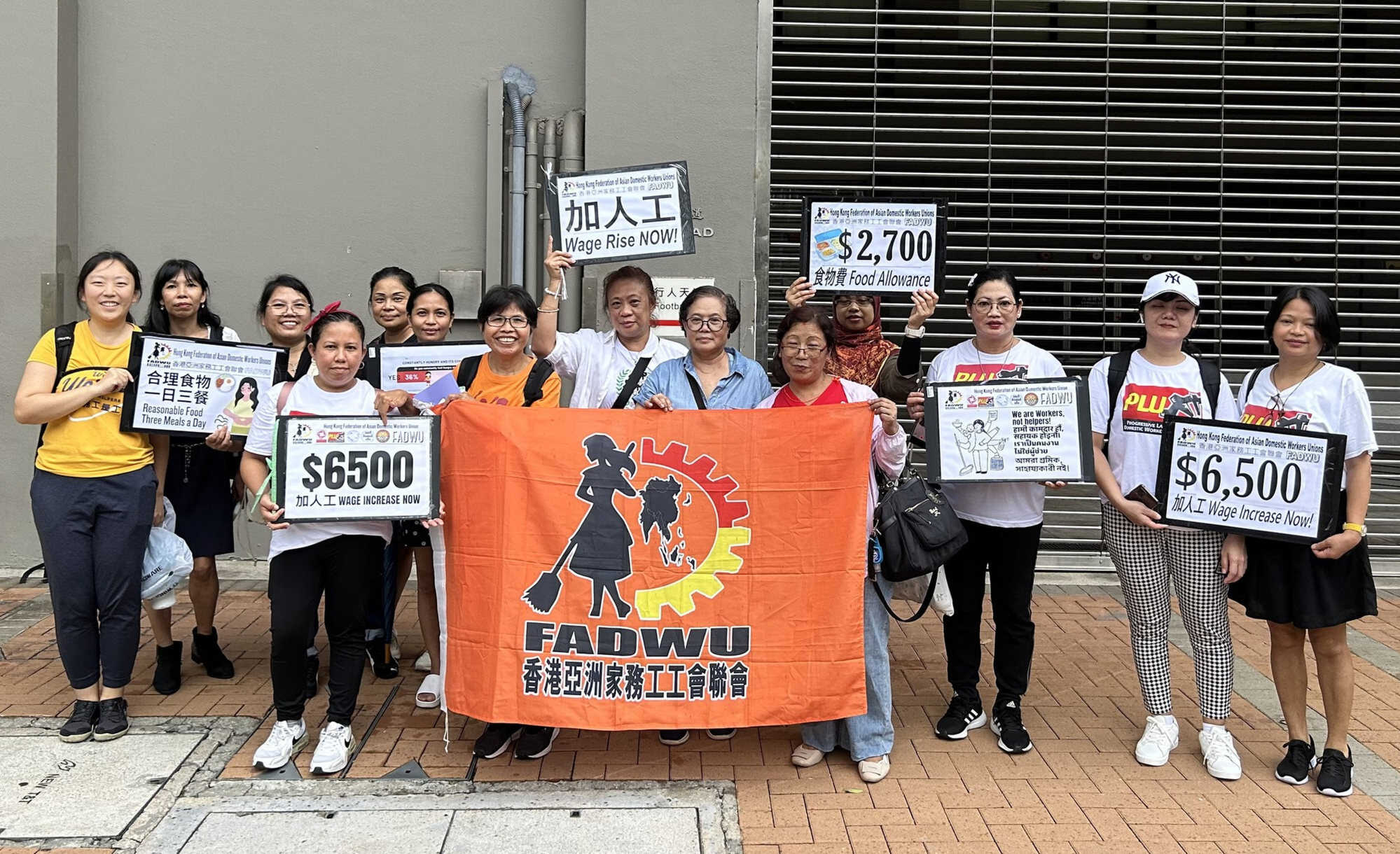
According to Hong Kong-based health insurance advisory firm Alea, a root canal at a government-funded dental hospital can cost anywhere from HK$6,600 to HK$25,000 (US$850 to US$3,200), well beyond a foreign domestic helper’s monthly minimum wage of HK$4,990.
While the Department of Health provides free services via dental general public sessions, such options are limited to tooth extractions and pain relief. The sessions do not cover other procedures such as fillings or teeth scaling.
Lawmaker Doreen Kong Yuk-foon said that Hong Kong should look at adopting Singapore’s model, which requires employers to buy comprehensive medical coverage for their helpers.
Under Singaporean law, the employers of domestic workers are required to bear the cost of any necessary medical and dental treatment. They must also buy personal accident insurance and a medical policy with an annual coverage equivalent to up to HK$60,000 for their helper.
Kong said that while there could be pushback from employers, introducing a similar policy would support both domestic helpers and ensure their bosses avoided any unexpected costs.
“The government has to make it very clear; this is not just to protect the domestic helper, this is to help the employer,” the lawmaker said.