Have something to say? Send us a letter using this form.
Cantonese: defying extinction amidst modern challenges
Nicholas Gao, Chinese International School
Many linguists and social commentators have declared that Cantonese is on the verge of extinction, with Mandarin – the dominant Chinese language – gradually subsuming it.
This myth stems from top-down government decisions that have taken place beyond Hong Kong’s control. While modern language policies in China have promoted Mandarin and marginalised many minority languages, Cantonese remains the most widely spoken among them, with over 85 million speakers.
However, statistics do not reflect much of the fearmongering around Cantonese’s demise. Census data show that over 88 per cent of Hongkongers still speak this vernacular at home. Perhaps even more fascinating is that this number has remained relatively unchanged from one generation to the next over the last 30 years. According to a Linguistic Diversity study, 88.7 per cent of the population spoke Cantonese in 1991. In 2011, the number was 89.5 per cent, while in 2021, the number had dropped negligibly to 88.2 per cent.
Cultural factors may explain why Cantonese continues to thrive and remains prominent. This was a language that, after all, persisted in Hong Kong even during the years of British rule, when English was trying to supplant it as the primary language of the region.
For many, the learning and retention of Cantonese is about resisting the erosion of a rich heritage under external pressure. A long feature by the cultural department of Brigham Young University reveals that famous Chinatowns throughout the US and Europe were founded by Cantonese speakers, most of whom came from Hong Kong.
The Cantonese language is the one that many Westerners associate with Chinese culture, sustaining its global presence and reputation.

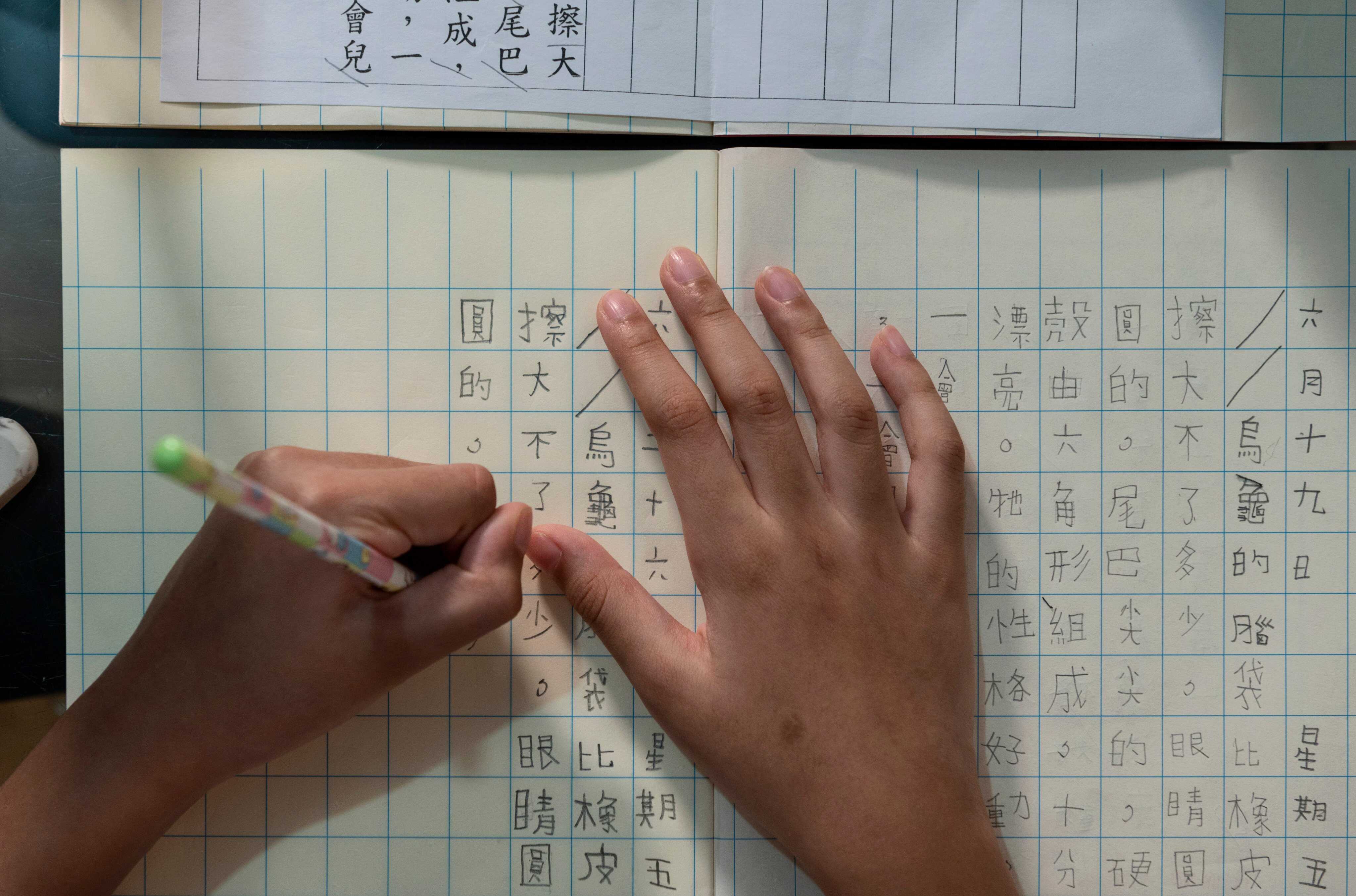
Of course, Hong Kong’s mother tongue faces challenges. Among these is the fact that Hong Kong’s mainstream education system typically emphasises writing in standard Chinese, which discourages students from writing in Cantonese.
Paired with this is the unavoidable fact that the language’s colloquial form and the lack of teaching resources out there are hindering new learners from picking it up as a second language.
Yet, for all this, Cantonese has strong cultural roots and international esteem. This has kept it alive – and, in many cases, even encouraged foreigners to learn and spread the language to connect with Hongkongers in their lives. Ultimately, examples like these show how the language will be sustained for generations to come.
Protecting Philippine crocodiles together
Matthew Ngai, King Ling College
I am writing in response to the article, “‘I saw them as monsters and man-eaters: saving the world’s rarest crocodile from its bad reputation” on BBC.com.
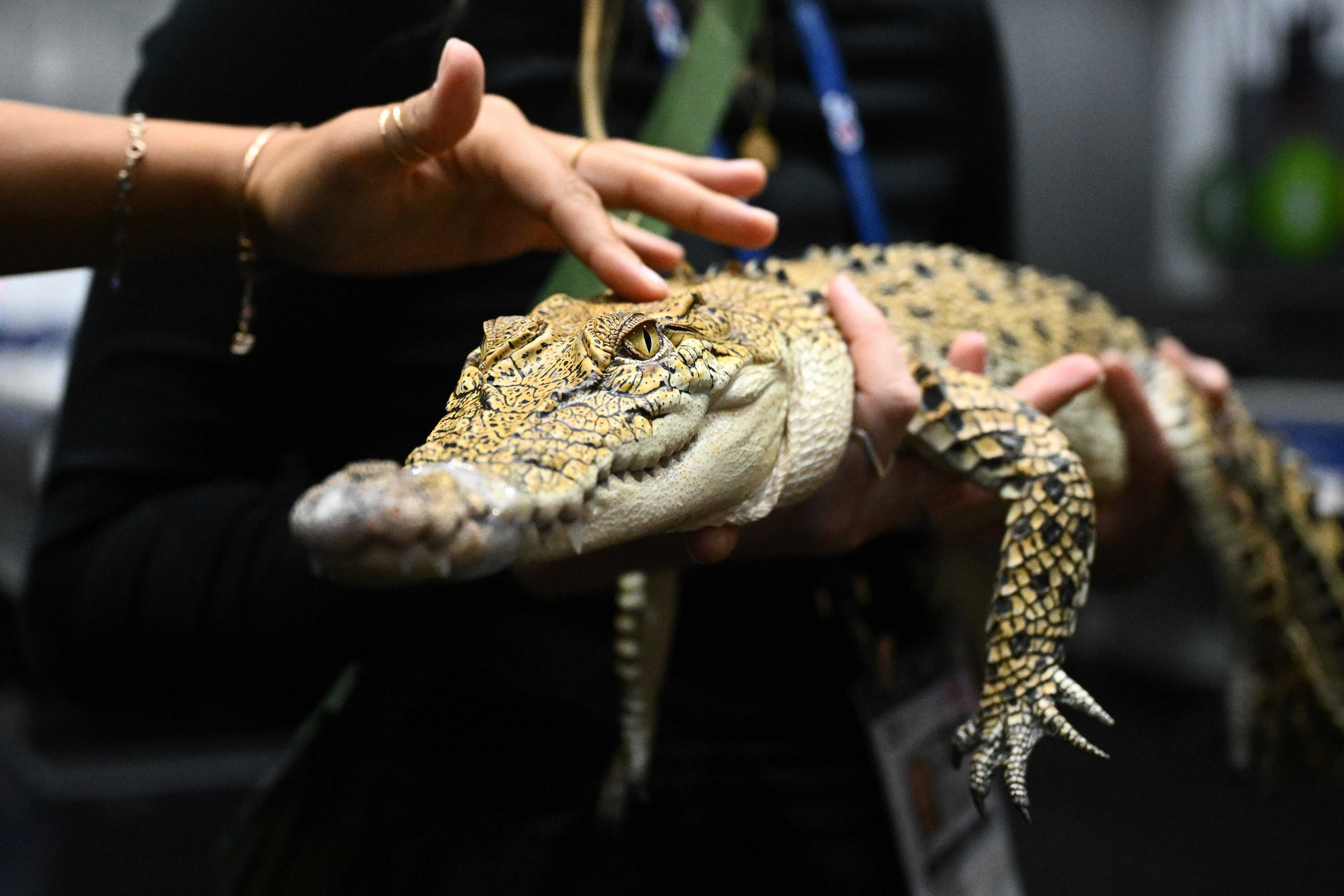
The world’s rarest crocodile, found in the Philippines, is now critically endangered. Indigenous communities once respected this species, but its image was tarnished by Spanish colonisers, who depicted it as dangerous and violent.
This negative perception led to indiscriminate hunting. Additionally, logging and agriculture have destroyed much of its habitat, causing a sharp decline in its population.
Some people believe that saving endangered species is unnecessary or a waste of time. I strongly disagree.
Many endangered animals are keystone species, meaning they play a vital role in maintaining ecosystem balance. The Philippine crocodile, as a top predator, helps control the populations of smaller animals and prevents overgrazing.
Wildlife is a significant draw for tourism, which supports local economies. The loss of these animals translates to a loss of income and jobs for many communities.
What can we do to help?
In the Philippines, local organisations are already taking action. They run captive breeding programmes to raise crocodiles for future release. Eight community-run sanctuaries have been established and local volunteers are trained to monitor the crocodile population and enforce environmental laws. A special “head-starting” programme also raises hatchlings in a safe environment before releasing them into the wild.
As individuals, we can help by avoiding products made from endangered animals and choosing certified sustainable goods. Tourists should maintain a respectful distance from wildlife and avoid feeding animals in their natural habitat. We can also support trusted conservation groups by donating or becoming members, which helps fund their important work.
AI and human creativity
Isabelle Yeung Sze-wing, St Paul’s Secondary School
I am writing to share my thoughts on the article titled “AI art: the end of creativity or the start of a new movement?” on BBC.com.
In recent years, AI has become one of the most discussed topics. People often debate whether it brings more harm or benefit to society.
Beyond simply replying to chat messages, AI is now capable of generating images, paintings, and even sculptures – some of which are selling for thousands of dollars.
This raises an important question: will AI replace human creativity, or can it help enhance it?
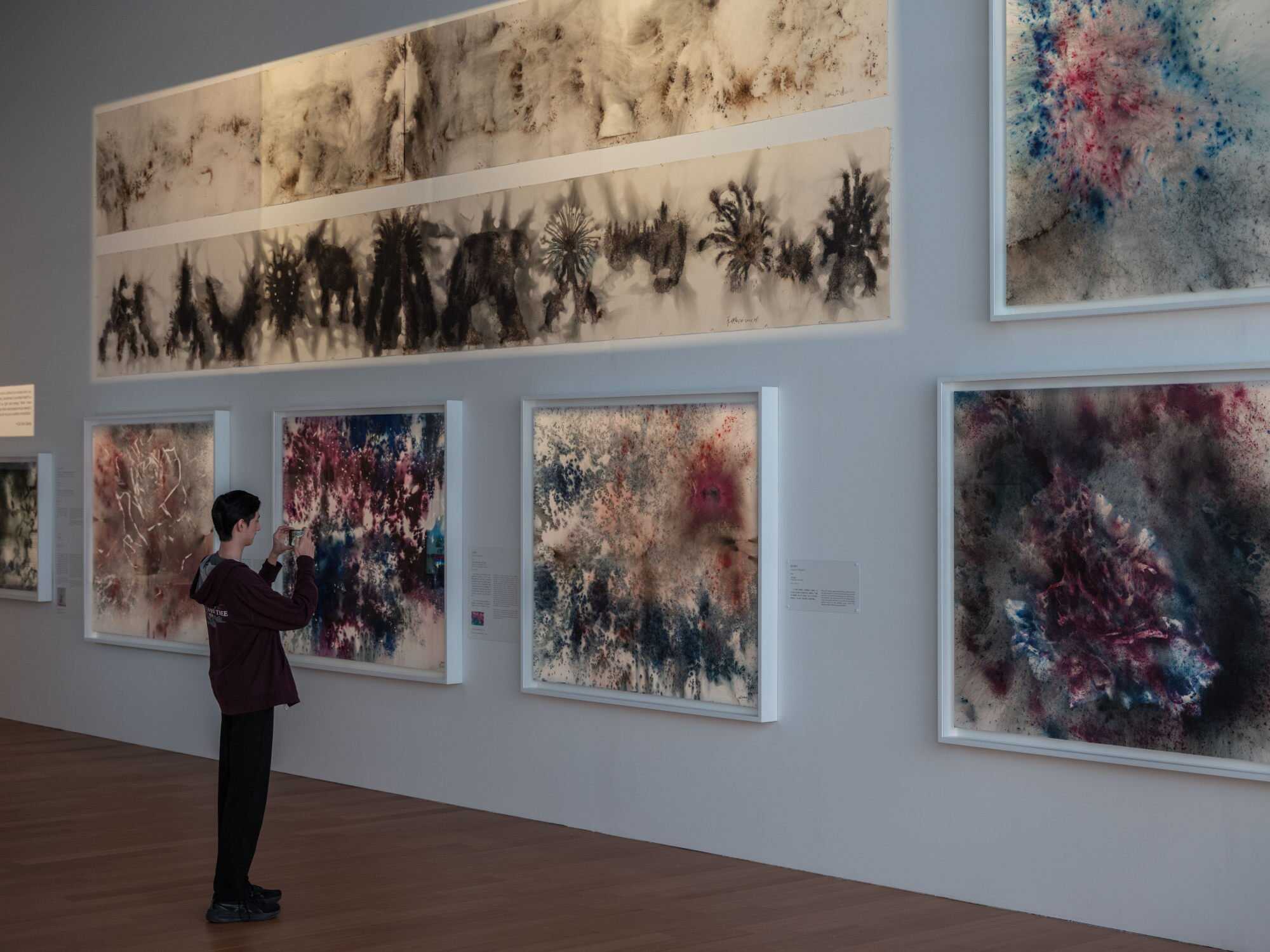
Many people are concerned that AI-generated art might diminish the value of human artistic expression. I understand this apprehension; after all, AI can produce beautiful works in seconds, devoid of emotions or lived experiences.
However, I believe that human-made art will always hold intrinsic value. The process and intention behind a work of art often carry more meaning than the final result.
AI cannot truly replace human creativity because creativity is inherently built upon what has come before. Whether created by a human, a robot, or an algorithm, all art draws from existing influences.
As mathematician Marcus du Sautoy stated, “Too many people think creativity is some uniquely human magic that produces something from nothing – like a magician. But all creativity has roots in the past.”
While AI cannot substitute for human creativity or emotional depth, it can serve as a powerful tool for artists. Much like a paintbrush or a camera, AI can help artists explore new ideas and push creative boundaries. In conclusion, AI should not be viewed as a threat to creativity but rather as a new tool to support and expand it.