Deep Dive delves into hot issues in Hong Kong and mainland China. Our easy-to-read articles provide context to grasp what’s happening, while our questions help you craft informed responses. Check sample answers at the end of the page.
News: How the Greater Bay Area could host Asian Games, Olympics
-
The National Games laid the groundwork for Hong Kong and its bay area neighbours to consider hosting bigger sports events
-
The International Olympic Committee has expressed optimism over the region’s sports infrastructure
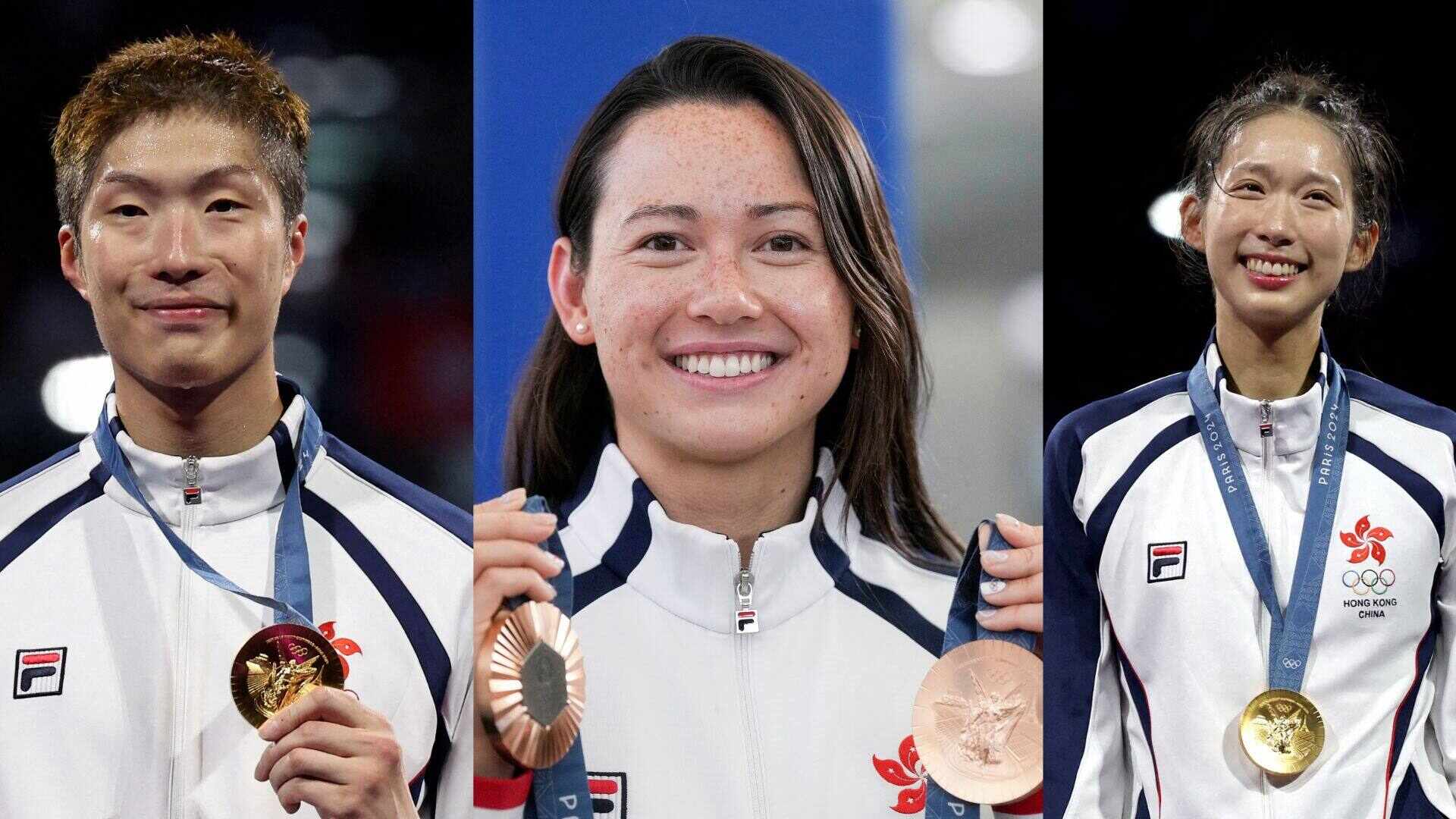
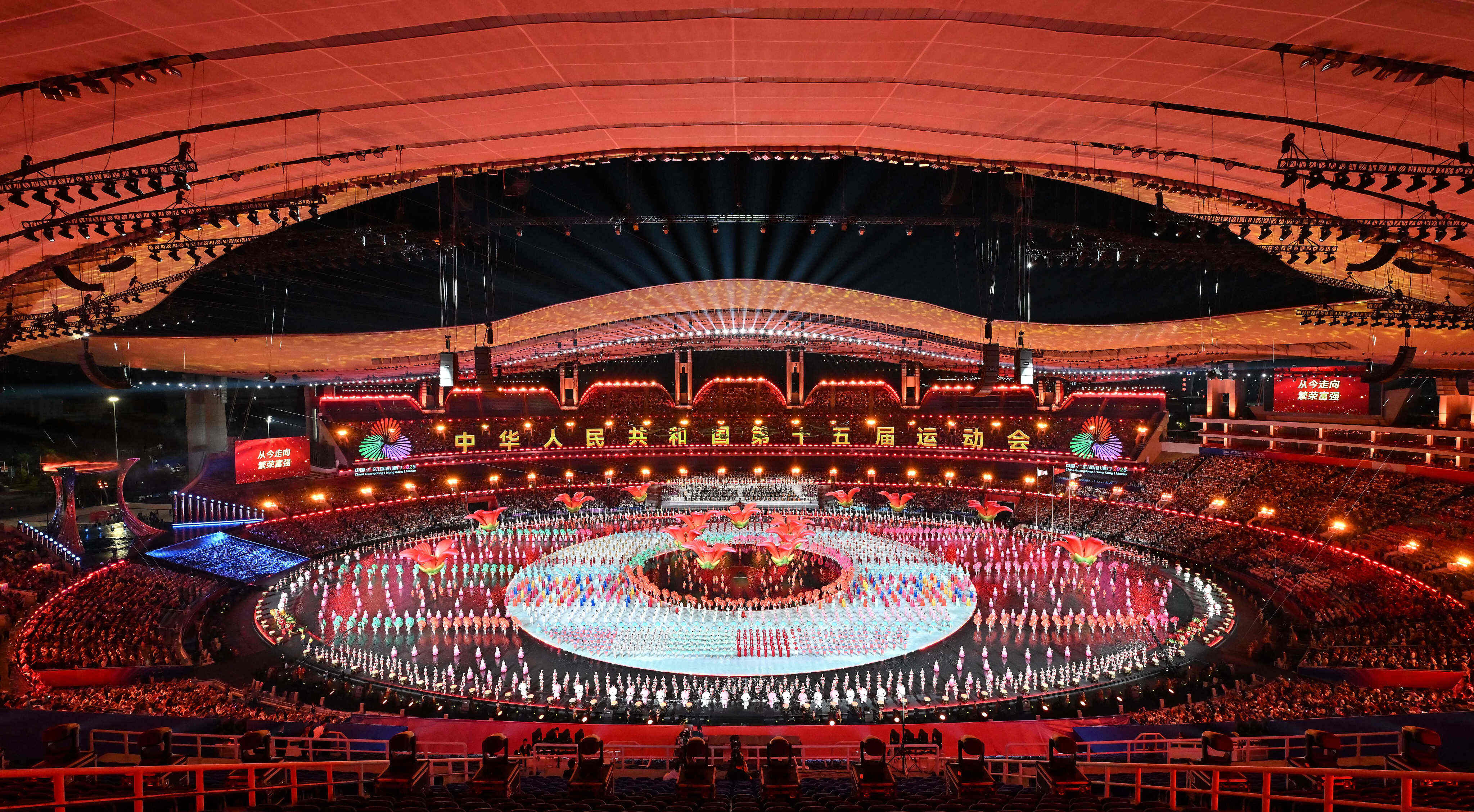
After Hong Kong co-hosted the National Games with Guangdong and Macau, momentum is growing for the city to pursue an even larger goal – hosting an event on the scale of the Olympics or Asian Games.
A working group of business leaders and sports officials has been building support behind the scenes for the Greater Bay Area to host a large-scale sports event.
Thomas Bach, the honorary life president of the International Olympic Committee, visited Hong Kong during the National Games. When asked about a potential bid, he told the region to “go for it”, adding he believed it had “all the ingredients” to stage a global version and it “could be a very important candidate” for future Olympics.
“If you look at the scope of the National Games, they are bigger than the Olympic Games,” Bach said.
“You have many world-class sports facilities. You have a sports-loving public. You have all the ingredients it needs.”
Less than a month after Bach made these comments, South Africa announced its intention to bid for the 2036 Games. The country joined a list of as many as 10 potential candidates, including India, Turkey, Qatar and Chile.
Still, Kenneth Fok Kai-kong, vice-president of the Sports Federation and Olympic Committee of Hong Kong, China, called Bach’s comments “important encouragements”.
The National Games “laid an important foundation” for future bids to host international events, Fok said.
“We hope to learn from the 15th National Games … and accumulate richer experience for the Greater Bay Area’s Olympic bid,” he added.
To gain experience, it would seem the region would need to host other multi-sport, multi-day events first. But there are few opportunities. The next available Asian Games are in 2038 and 2042, with Japan hosting in 2026, followed by Qatar and Saudi Arabia.
As for the Olympics, Los Angeles will host in 2028, followed by Brisbane in 2032. That leaves 2036 and 2040 available, with the earlier slot emerging as the likely target for Hong Kong’s 2036 Working Group.
Chinese officials have seemed to lay the groundwork for an Olympic bid. On November 24, they announced that Hong Kong, Guangdong, Macau and the General Administration of Sport of China had agreed on a partnership aimed at strengthening sports cooperation and promoting integrated development.
Known as the “Four-Party Agreement”, it pledged to consolidate the success of the National Games.
Staff writers
Question prompts
1. Which of the following is false, according to the information in News?
(1) Thomas Bach discouraged the Greater Bay Area from bidding for the Olympics, citing its lack of infrastructure.
(2) The next Asian Games after 2026 will be held in Qatar and Saudi Arabia.
(3) The “Four-Party Agreement” was signed between Hong Kong, Guangdong, Macau and the General Administration of Sport of China.
(4) South Africa will host the 2036 Olympic Games.
A. (1), (2) only
B. (1), (4) only
C. (2), (3) only
D. all of the above
2. What did Bach say the Greater Bay Area has “all the ingredients” for, and why?
3. According to News, why might it be difficult for the Greater Bay Area to gain the experience needed to support a 2036 Olympic bid?
Photo
Question prompts
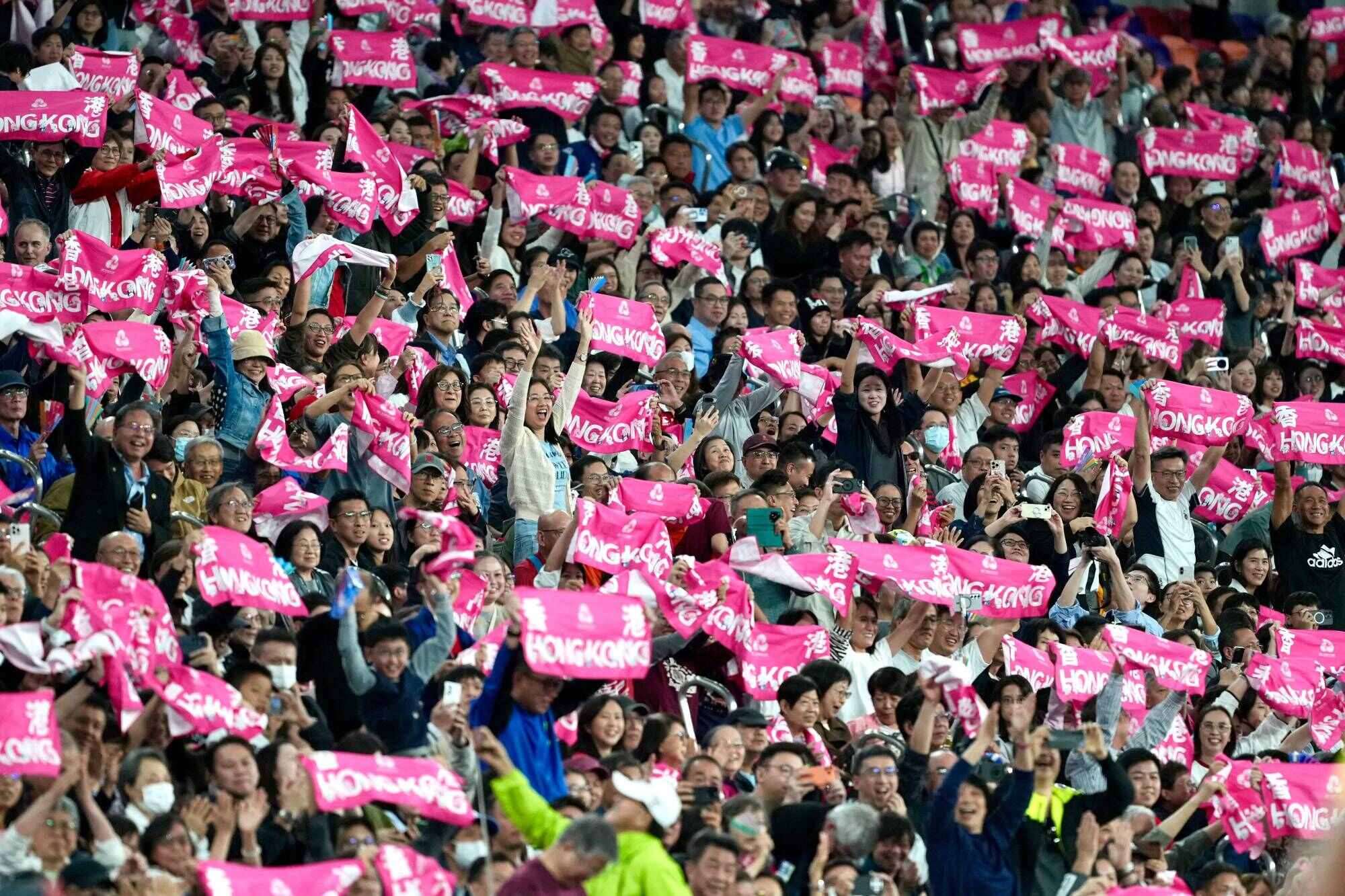
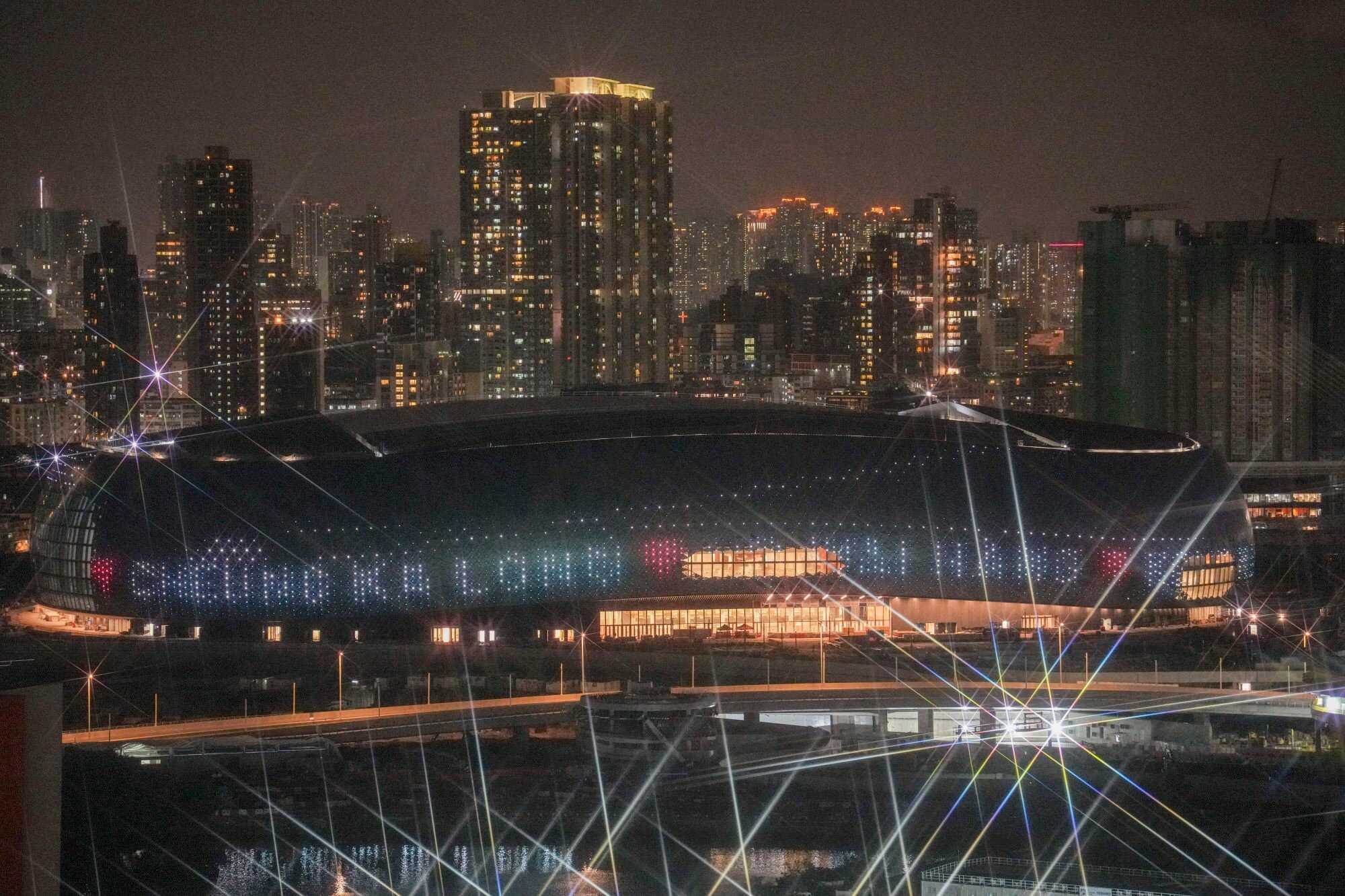
1. According to Glossary, how many spectators can Kai Tak Stadium accommodate?
2. How can Kai Tak Stadium help support the Greater Bay Area’s bid to host an Olympic Games? Explain using News, Glossary and your own knowledge.
Issue: Should the Greater Bay Area fear the ‘winner’s curse’?
-
Calls for Hong Kong and its bay area neighbours to launch a bid to host larger sports events are increasing
-
But experts warn it may not be financially viable
The 2036 Working Group – a coalition of officials from business, sports and government in Guangdong, Hong Kong and Macau – has released a proposal arguing that the Greater Bay Area could host the Olympics through a “cost-neutral” model.
The group said Hong Kong already had much of the required infrastructure, removing one of the biggest causes of cost overruns. It also projected a multibillion-dollar revenue stream made up of International Olympic Committee contributions, media rights, sponsorship and ticket sales. This could cover operational costs and minimise the burden on taxpayers.
According to the coalition, broadcasting rights could bring in around US$900 million (HK$7.04 billion) by 2032, and China’s massive domestic market could push that figure even higher.
For reference, Paris, the 2024 Olympics host, brought in €1.333 billion (HK$12.21 billion) in ticket sales. And sponsorship from major global brands for Los Angeles, the US city hosting the 2028 Games, has already reached US$1.6 billion (HK$12.46 billion).
But not everyone is convinced about an Olympic bid.
Economist Simon Lee Siu-po warned against Hong Kong pursuing the Games: “The city is facing a serious deficit and needs to raise debt. Now is not the appropriate time to apply for the Olympic Games.”
Lee also referred to international studies that suggest the economic benefits of hosting the Olympics are often “questionable”, creating a “winner’s curse” where cities overpay and see minimal or even negative returns.
Hosting the 2024 Paris Olympics generated only moderate revenues for France, with an almost negligible impact on growth. In contrast, total public expenditure reached €6.6 billion (HK$60.4 billion), the country’s court of auditors reported last September.
Terence Chong Tai-leung offered a more optimistic perspective. The executive director of the Lau Chor Tak Institute of Global Economics and Finance at Chinese University said the “winner’s curse” mainly affects less developed hosts that had to invest heavily in new facilities.
“We already have stadiums and advanced transport infrastructure,” he said. “For Hong Kong, the investment wouldn’t be that high.”
Chong added that the greatest benefit would be rebuilding the city’s global image. “Everybody would be watching Hong Kong,” he said.
Timothy Fok Tsun-ting, president of the Sports Federation and Olympic Committee of Hong Kong, China, acknowledged that Hong Kong still needed more world-class facilities, especially for swimming and tennis. Still, he played down the amount of building required.
Fok also noted that increased government support for local athletes and major events has helped raise Hong Kong’s sporting profile.
“The government is seeing the success of our athletes and becoming more generous, flexible and cooperative. We’re having more major events and putting Hong Kong on the map,” he said.
Additional reporting by Associated Press
Staff writers
Question prompts
1. According to Issue, who are the members of the group proposing a “cost-neutral” Olympic model, and what are they arguing?
2. List ONE potential benefit for Hong Kong if it were to host the Olympic Games with its bay area neighbours and ONE challenge it would need to overcome.
3. What is the “winner’s curse”? To what extent do you think this could happen to Hong Kong? Explain using information from Issue, News, Glossary and your own knowledge.
Graphic

Question prompts
1. Using Issue, list TWO ways the 15th National Games improved the Greater Bay Area’s confidence in holding bigger events.
2. Do you think the Greater Bay Area could successfully win the bid to host the 2036 Olympics? Explain your opinion using Issue, Glossary and your own knowledge.
Glossary
Kai Tak Stadium: part of the Kai Tak Sports Park, Kai Tak Stadium can hold up to 50,000 people and is a key feature of Hong Kong’s largest integrated sports and entertainment landmark
15th National Games: the most recent edition of China’s highest-level comprehensive multi-sport event. It was co-hosted by Hong Kong, Guangdong, and Macau from November 9 to 21 and showcased top athletes from across China. According to one report, 90 per cent of existing National Games venues can be used for international events.
Winner’s curse: the tendency of a winning bid to exceed the worth of what was bid on. Here, it refers to a city winning a bid to host a major event, such as the Olympics, and spending more than it earns, sometimes incurring financial losses.
Sample answers
News
-
B
-
Thomas Bach said the Greater Bay Area has “all the ingredients” to host a global sports event, and cited its many world-class sports facilities and a population that loves sports. During his visit to the National Games, he noted that the event’s scale was bigger than the Olympics, highlighting the region’s ability to host large-scale competitions. His comments suggest confidence in the region’s infrastructure, public enthusiasm and overall readiness to host an international event like the Olympics. He said the region “could be a very important candidate” for future Olympics.
-
It seems difficult for the Greater Bay Area to gain the experience needed to support a 2036 Olympic bid, as the region would first need to demonstrate its ability to host an international event, such as the Asian Games, on a scale comparable to the Olympics. However, the next available Asian Games are in 2038 and 2042 – with Japan hosting in 2026, followed by Qatar and Saudi Arabia – long after bids would be selected for the 2036 Olympics.
Photo
-
Kai Tak Stadium can accommodate up to 50,000 spectators.
-
Kai Tak Stadium could strengthen the Greater Bay Area’s Olympic bid by serving as a key venue that shows Hong Kong’s readiness and infrastructure for international competition. The stadium hosted major events during the 15th National Games, proving its ability to manage large crowds and world-class tournaments. With modern facilities and convenient transport links, Kai Tak Stadium would be a central showcase venue if the Bay Area were to host the Olympics. (accept all reasonable answers)
Issue
-
The group is a coalition of officials from business, sports and government in Guangdong, Hong Kong and Macau. They are arguing that the Greater Bay Area could host the Olympics through a “cost-neutral” model, using existing infrastructure to avoid cost overruns and generating revenue from media rights, sponsorships and ticket sales to offset expenses and protect taxpayers.
-
Benefit: Hosting the Olympics could help rebuild Hong Kong’s global reputation and attract international attention, boosting tourism and confidence in the city. / Hosting the Olympics could bring in millions in revenue from broadcasting rights, sponsorships and ticket sales. Challenge: Hong Kong would need to address its current financial constraints. Hong Kong would need to ensure it does not overspend on new swimming and tennis facilities.
-
The “winner’s curse” is a tendency of the winning bid, such as to host the Olympics, to exceed the value or worth of the thing bid on. In this instance, it refers to the city that wins the Olympic bid spending more on hosting the major event than it gains back, receiving little to no economic benefit and sometimes suffering financial loss. Economist Simon Lee warned that international studies have shown this has happened before, with costs exceeding expectations and returns falling short. This could happen to Hong Kong if the city underestimates costs or the global economy continues to drop. However, as noted by Terence Chong, Hong Kong has strong infrastructure and transport links, so the financial risk might be lower as less investment is needed. The main concern would be careful planning and controlling spending to ensure long-term benefits outweigh the costs. (accept all reasonable answers)
Graphic
-
The successful collaboration between Hong Kong, Guangdong and Macau showed that the region could handle cross-border coordination in logistics, venues and management. It also helped build experience, public enthusiasm and international attention. As mentioned in Issue, officials such as Timothy Fok believe the National Games “laid an important foundation” for future bids and showed that Hong Kong has the capability and teamwork needed for bigger challenges.
-
The Greater Bay Area could potentially win an Olympic bid, but there are challenges. Hong Kong has strong infrastructure, world-class venues such as Kai Tak Stadium and evidence of cross-border cooperation through the Four-Party Agreement. Experts such as Terence Chong believe Hong Kong would not suffer a “winner’s curse” since it does not need to spend heavily on new facilities and hosting could greatly improve its international image. However, economist Simon Lee warned that the timing may be poor, as Hong Kong is still experiencing an economic slowdown and a budget deficit. Other large cities are also strong contenders for the Olympics, which makes the competition fierce. In my view, the Greater Bay Area could succeed in the long term if it gains more experience hosting major events and strengthens regional cooperation. The image in the prompt, showing an official looking ahead towards the Asian Games and Olympics, reflects that vision. The Greater Bay Area is looking boldly towards the future, but must take steady, confident steps before reaching the Olympic stage. (accept all reasonable answers)