This year will be remembered as one of heartbreak and hardship for Hongkongers. From the devastating Wang Fuk Court fire to record-breaking storms and marine damage, the city faced a relentless series of tests that exposed its vulnerabilities but also its resilience.
The year also saw National Games wins and the announcement that Hong Kong University of Science and Technology (HKUST) will run the city’s third medical school. As 2025 draws to a close, we look back at events that left a mark on a city hoping to heal and build.
Hong Kong’s deadliest fire in decades takes 161 lives
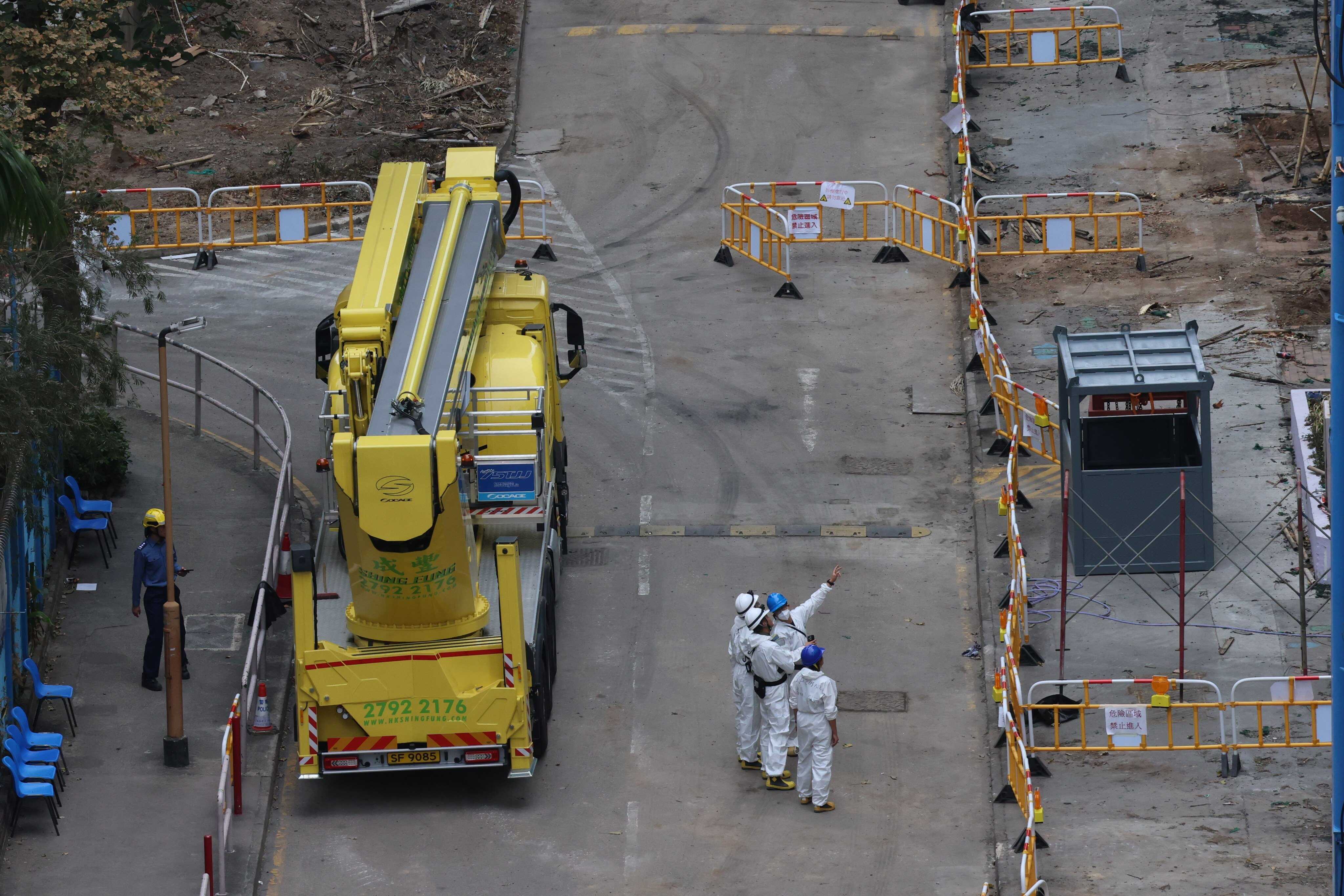
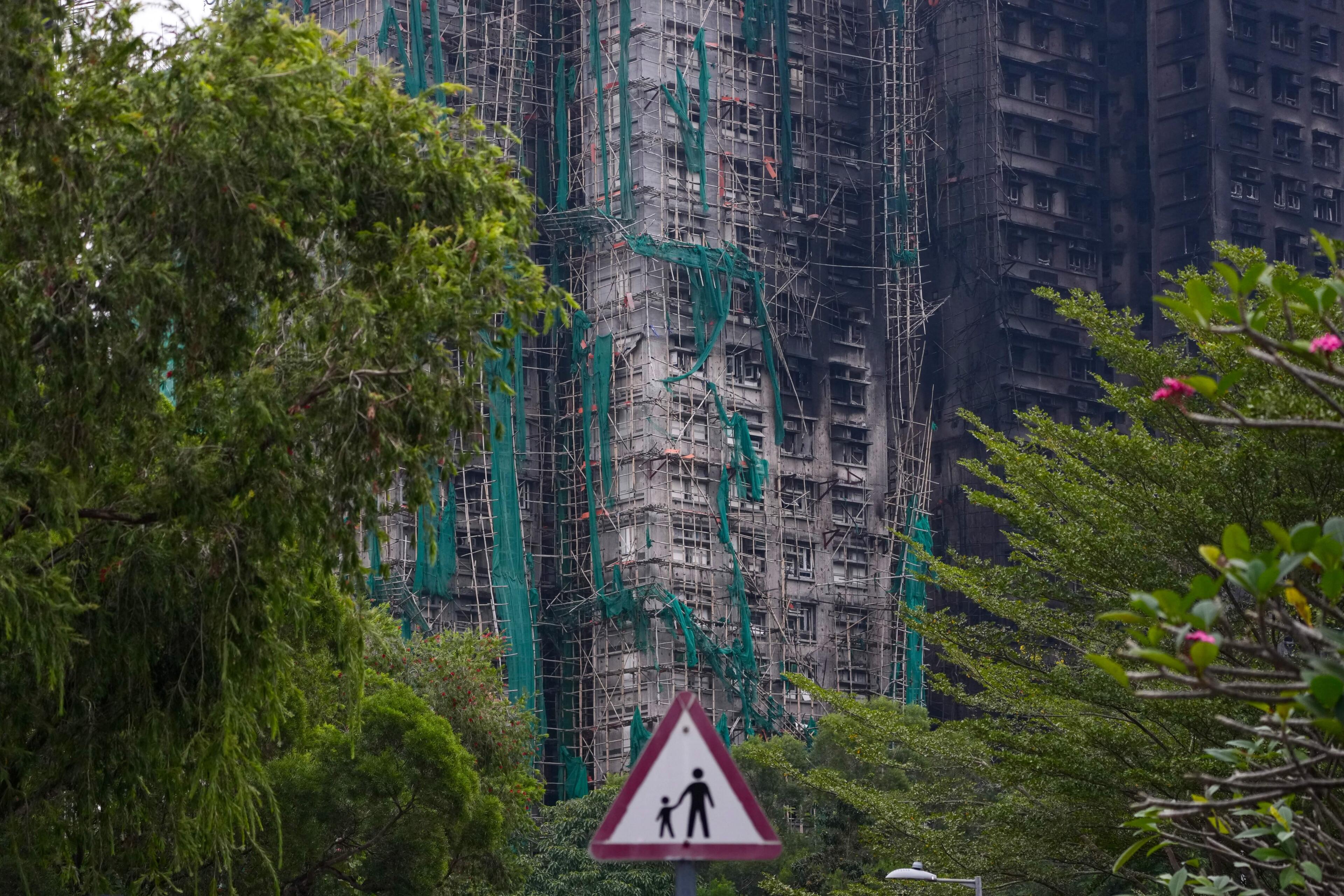
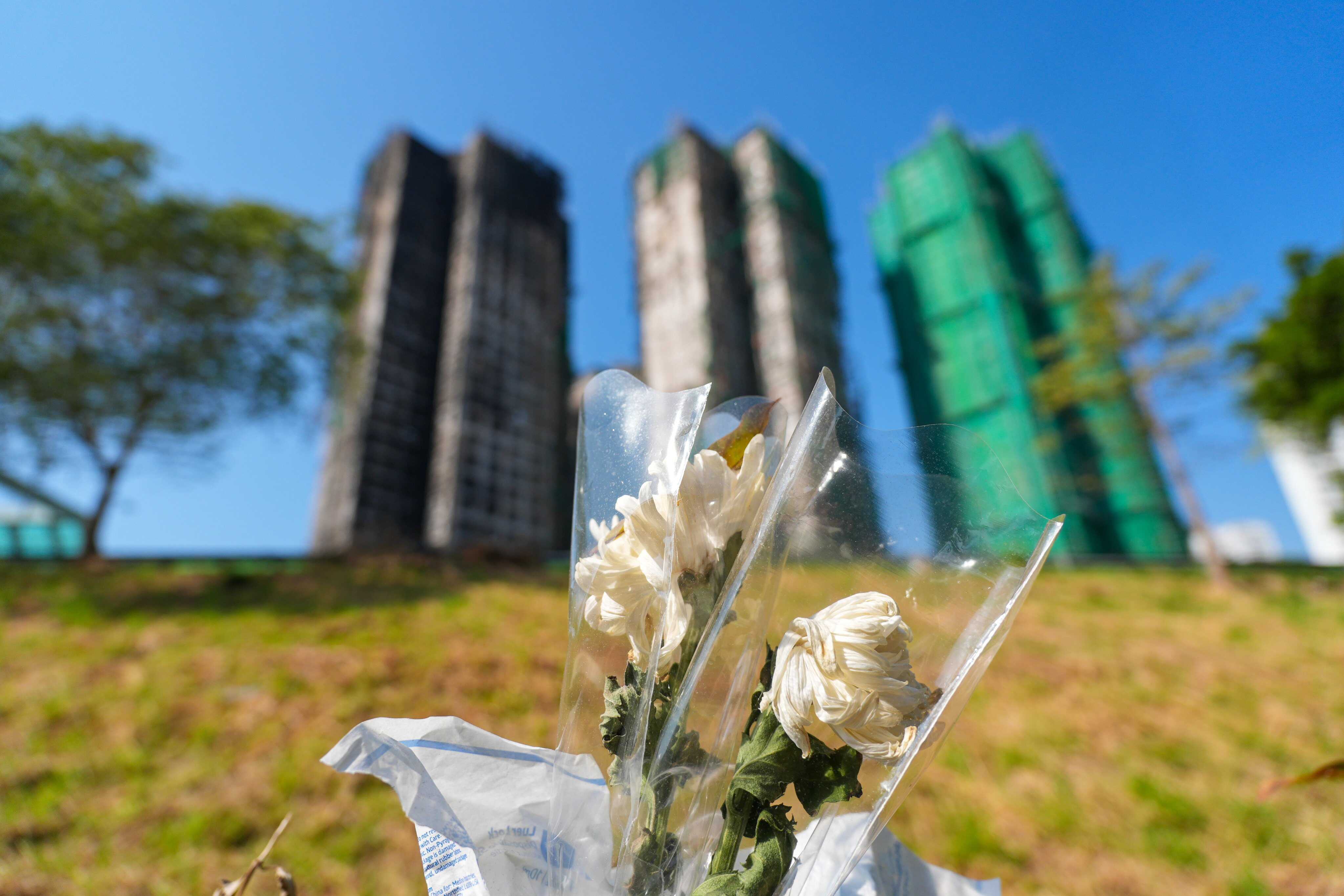
On November 26, a massive fire erupted at Wang Fuk Court, engulfing seven of the estate’s eight scaffolding-clad residential towers. The blaze claimed 161 lives and left nearly 5,000 residents displaced, making it one of the city’s deadliest disasters in 77 years.
Investigations have since revealed that the inferno stemmed from a combination of negligence, corruption and long-standing bid-rigging malpractices within the construction and maintenance industry.
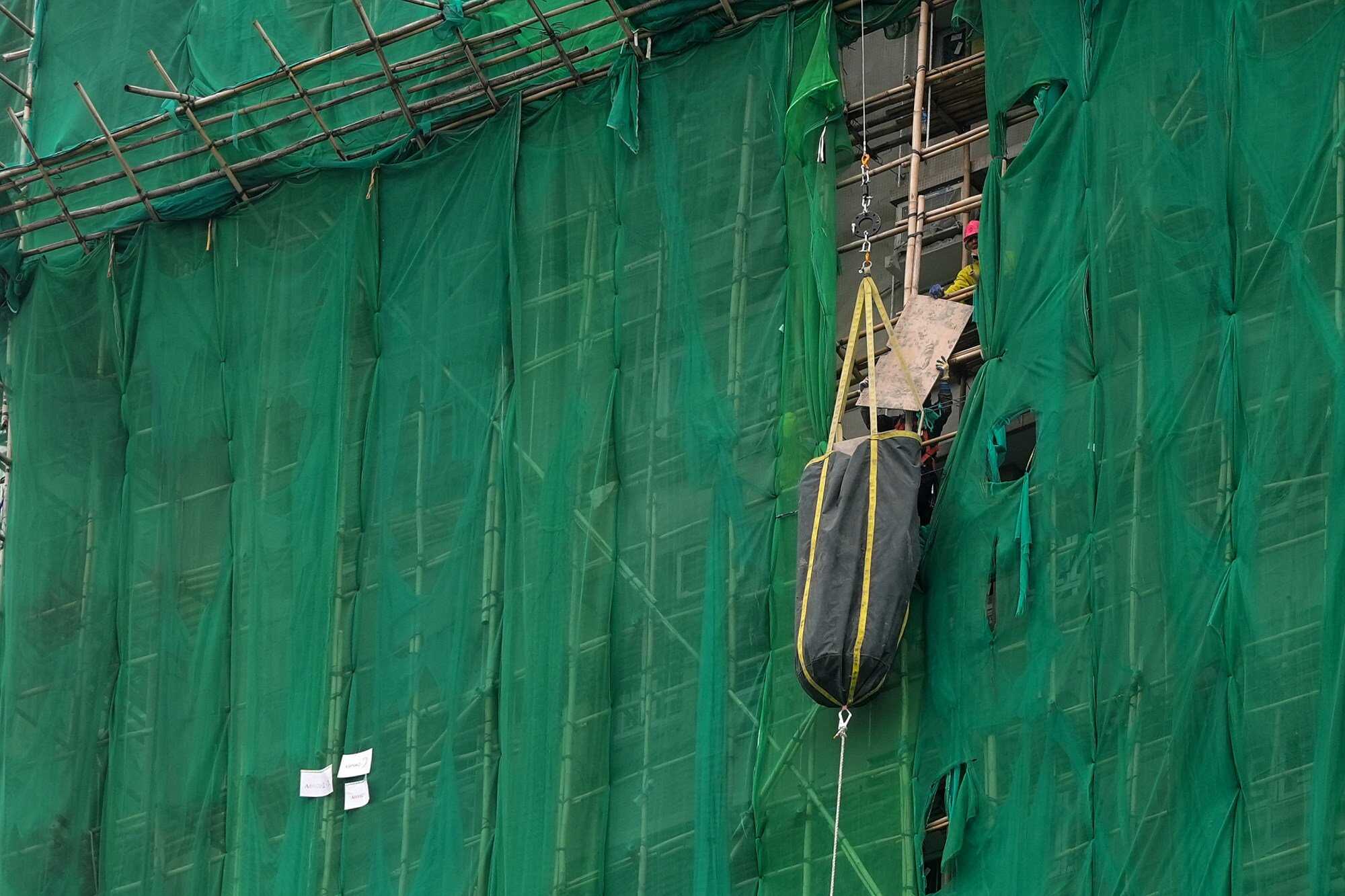
To date, police have arrested 16 individuals in connection with the incident, and authorities continue to probe systemic failings that contributed to the catastrophe.
Record-breaking black rain
Hong Kong experienced an unprecedented spell of extreme weather this summer, with four black rainstorm warnings – the city’s highest signal for heavy rain – issued within just eight days between July 29 and August 5, setting a record for torrential rainfall.
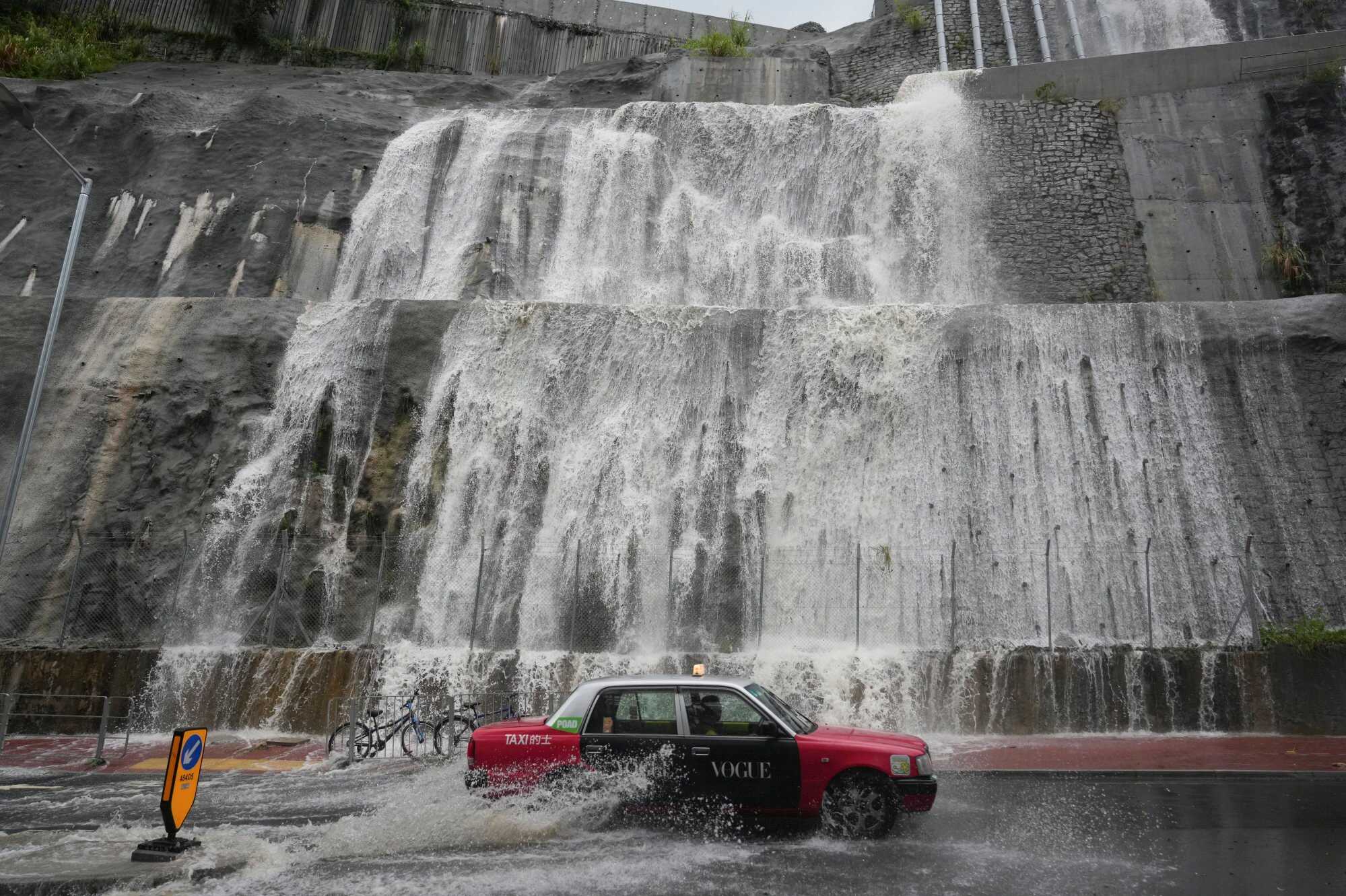
In total, five black rain warnings were issued between July 29 and August 14. The Hong Kong Observatory also recorded a staggering 368.9 mm of rainfall on August 5, the highest daily total for August since records began in 1884.
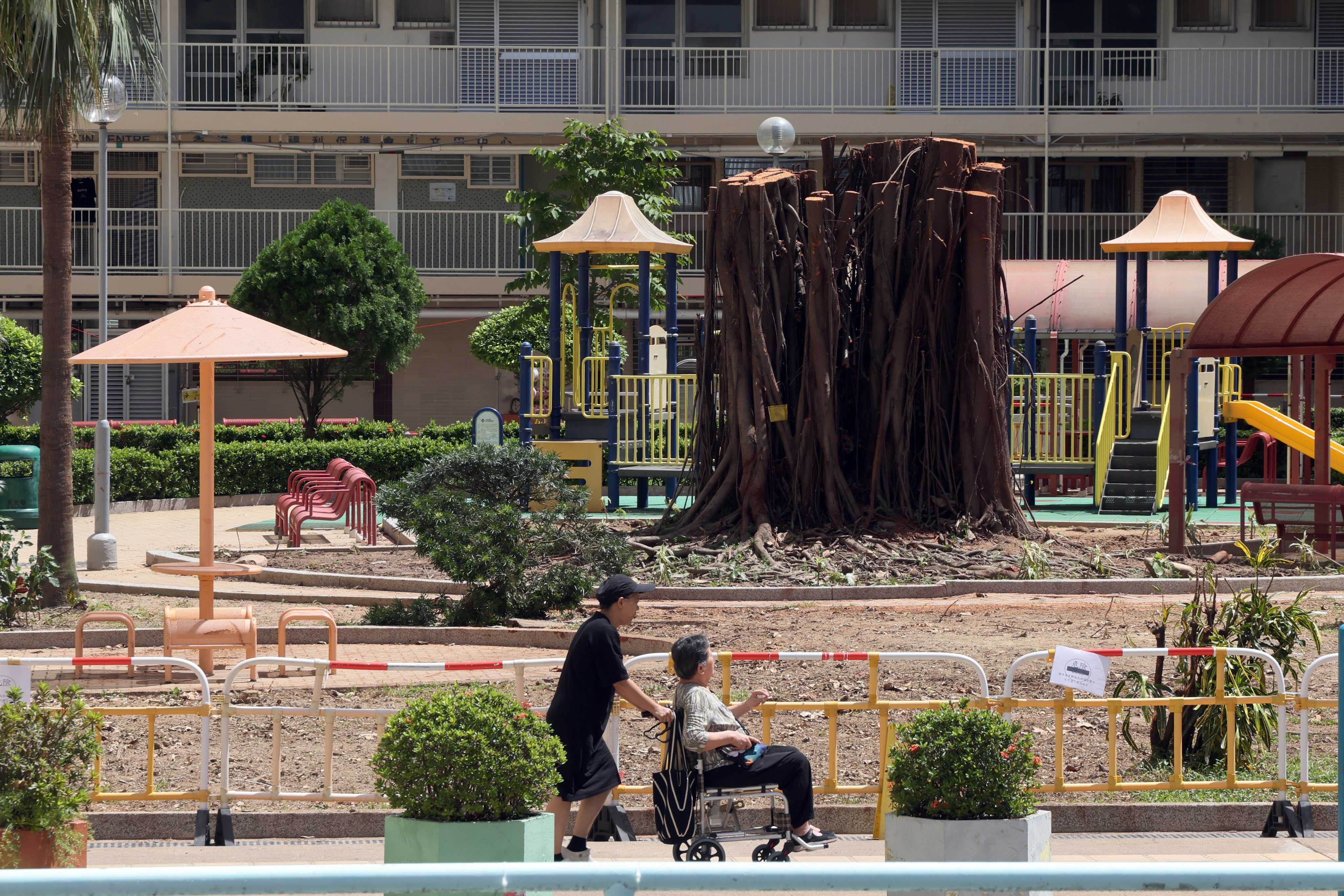
On September 24, Super Typhoon Ragasa triggered a No 10 signal for almost 11 hours, paralysing the city for nearly two days. Around 101 people were injured and needed hospital care, according to the Hospital Authority. There were also reports of 1,224 fallen trees and 22 cases of flooding.
National Games glory
Hong Kong delivered a historic performance at this year’s National Games as a co-host of the multi-sports event alongside Guangdong and Macau.
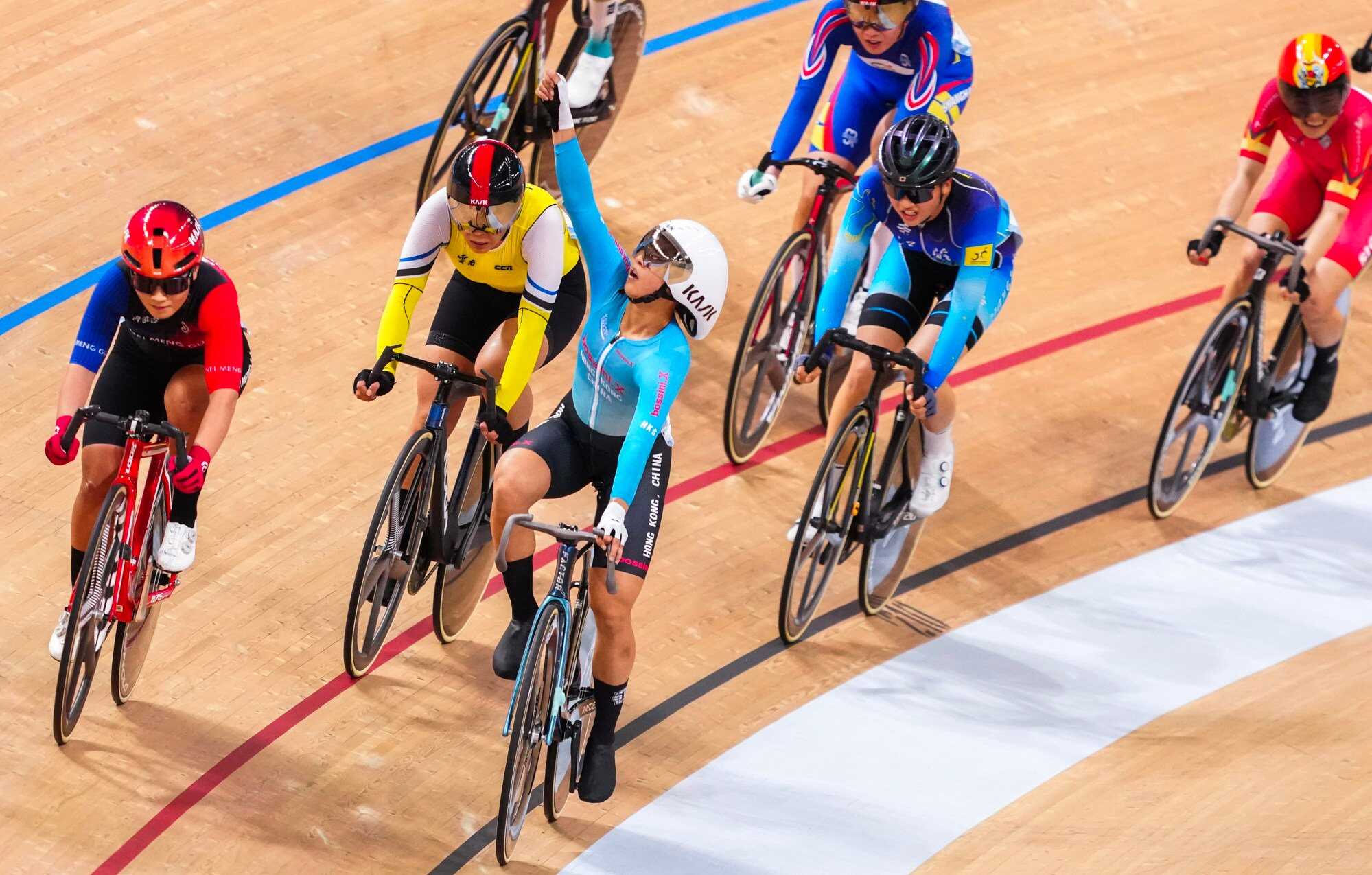
The Hong Kong team won a record nine gold, two silver and eight bronze medals, excelling in sailing, fencing, cycling, swimming, triathlon and tennis. Star cyclist Ceci Lee Sze-wing clinched three gold medals, surpassing Hong Kong bronze Olympic medallist Sarah Lee Wai-sze.
Siobhan Haughey dominated the women’s 100 metres and 200 metres freestyle, earning two gold medals for Hong Kong within 48 hours.
Over-tourism reveals Hong Kong’s vulnerable nature
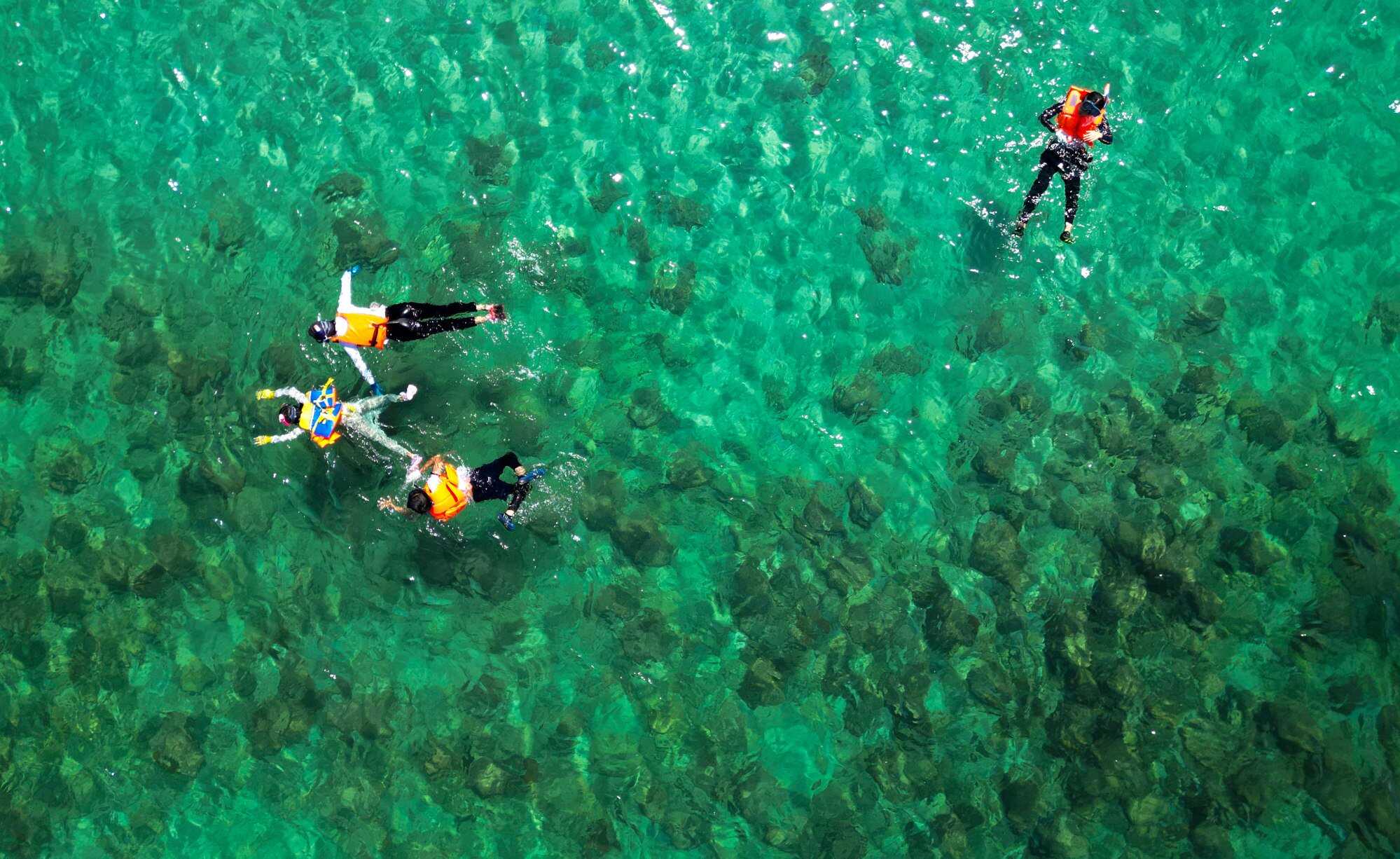
A post-pandemic tourism surge tested the limits of Hong Kong’s natural reserves. More than 4,000 tourists flocked to Sharp Island, part of Hong Kong’s Unesco-listed geopark, on October 1, causing alarm among environmentalists.
A Greenpeace site inspection found that 4,062 people visited the small island on the day, with some tourists observed trampling corals, lighting open fires and digging up marine creatures – all-clear violations of park regulations.
Conservation groups warned that such activities posed a serious threat to the island’s fragile ecosystem. They urge the government to step up protection measures and promote sustainable ecotourism to safeguard Hong Kong’s most vulnerable natural areas.
Legislative Council election’s second-lowest voter turnout
Voter turnout in Hong Kong’s latest Legislative Council election fell to the second-lowest level since its return to Chinese sovereignty in 1997, with analysts attributing the dip in part to the city’s deadliest fire in decades.
Despite the subdued participation, the election delivered several notable changes. Christine Fong Kwok-shan made history by securing a long-awaited seat in the legislature after 17 years of public service.
Hong Kong’s new Legislative Council will also be its youngest in 20 years. Public data shows the average age of incoming lawmakers stands at 51 – four years younger than the current group and seven years below the cohort that ended its term in 2021.
Among the newly elected members is Vivian Kong Man-wai, the retired Olympic fencing gold medallist. At 31, she became the youngest lawmaker in the new legislature, marking a striking transition from sports to politics.
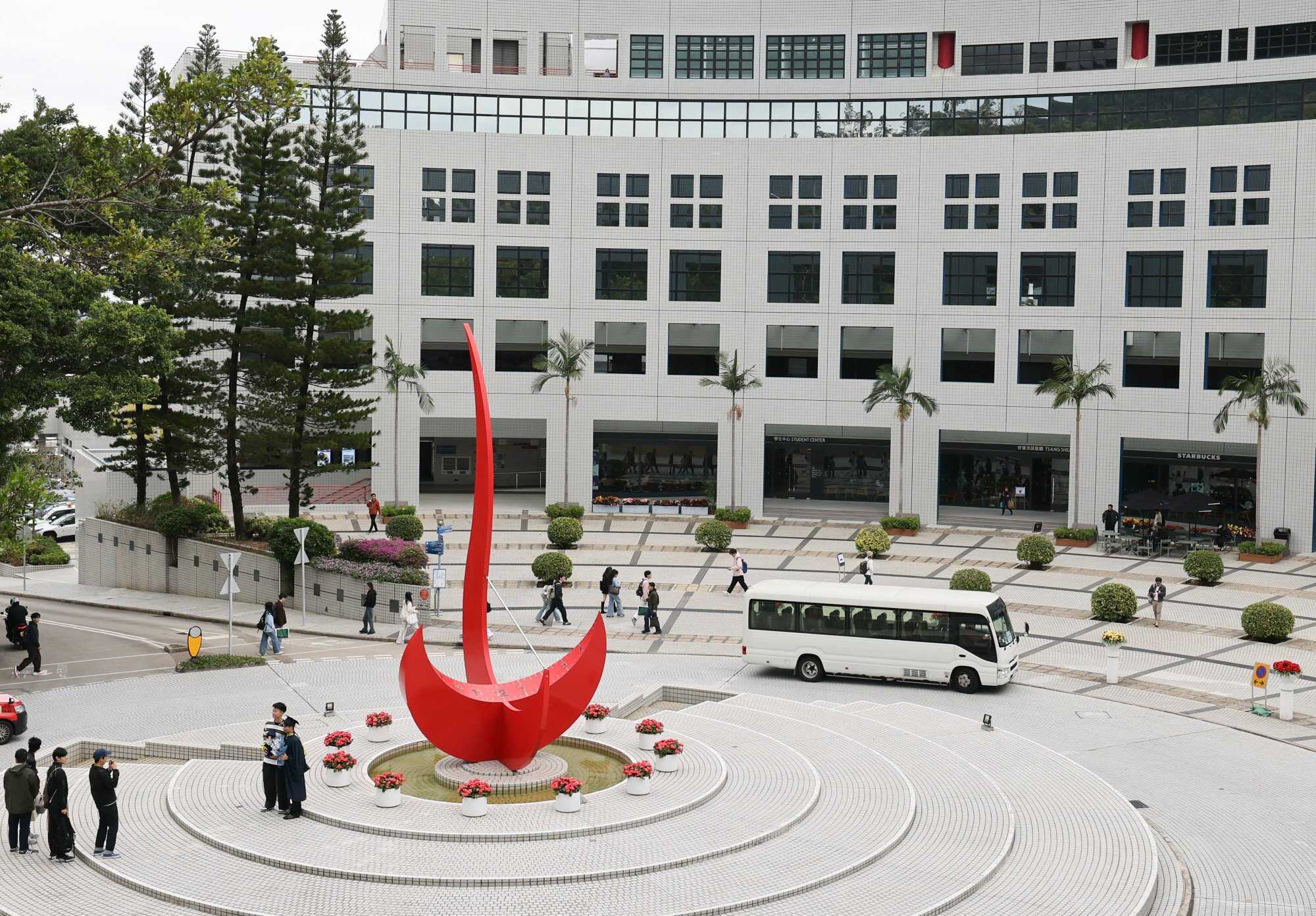
Hong Kong’s third medical school
The Hong Kong University of Science and Technology (HKUST) will run the city’s third medical school. The university has pledged to commit more than HK$7 billion to the project and has already recruited six clinical professors, including a former head of an Australian institution.
HKUST will contribute HK$2 billion to the construction of an integrated building in Clear Water Bay as an interim venue. The medical school and teaching hospital at the government-proposed site in Ngau Tam Mei, within the Northern Metropolis, are set to be ready around 2034.