Deep Dive delves into hot issues in Hong Kong and mainland China. Our easy-to-read articles provide context to grasp what’s happening, while our questions help you craft informed responses. Check sample answers at the end of the page.
News: China pushes for AI adoption in healthcare industry
-
Some say that AI could handle time-consuming data entry tasks for doctors
-
China will push for AI-assisted diagnosis and treatment in its primary-level institutions by 2030
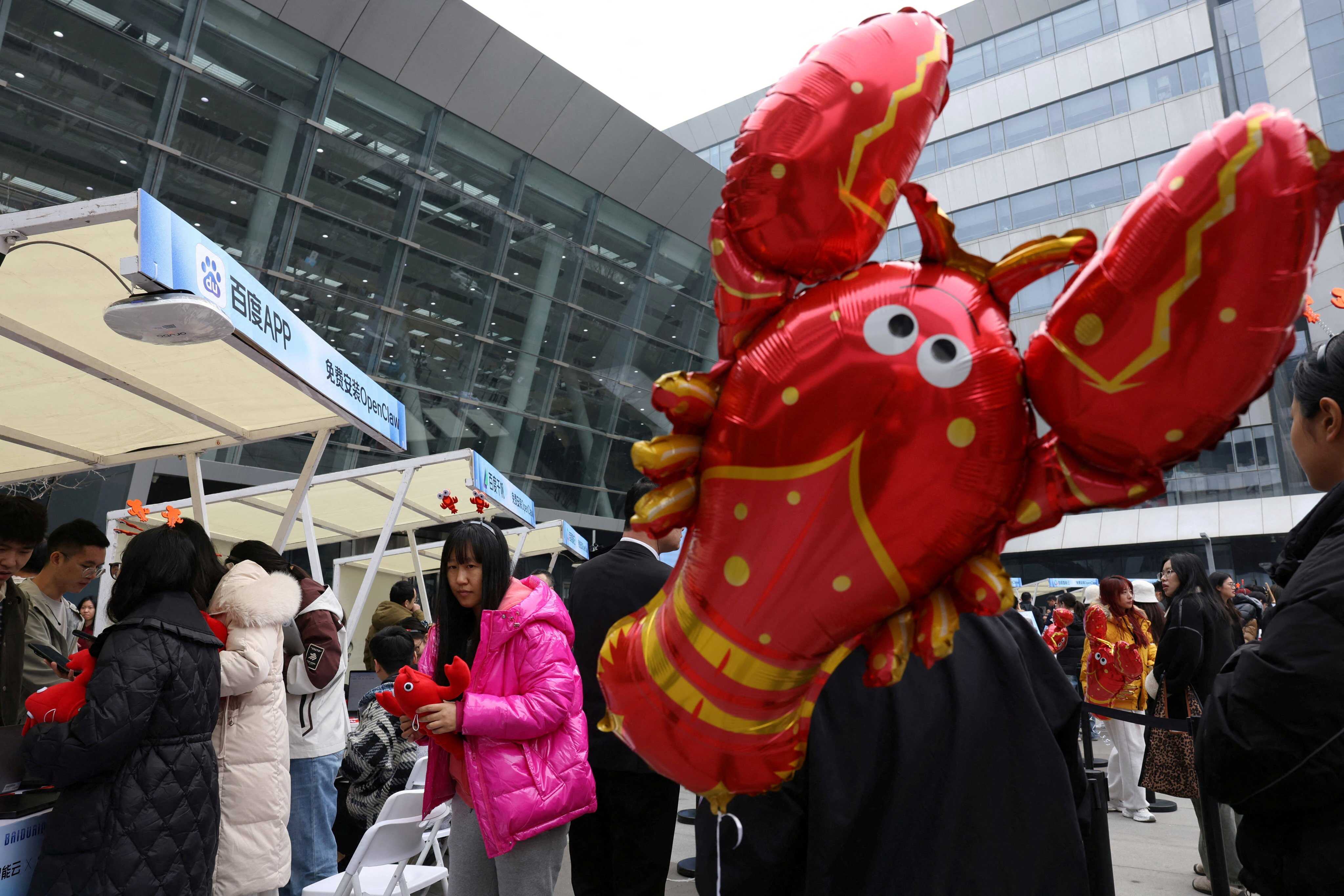
Li Bin is a young surgeon at the First Hospital of Lanzhou University in China. Earlier this year, he used the OpenClaw artificial intelligence (AI) agent to develop a medical app. The app extracts and organises information from doctor-patient conversations and lab report photos into structured medical records, eliminating the need for dull and time-consuming manual data entry.
He said that because of AI, “a doctor with no coding training can build such applications at very low cost” to meet specific needs.
Li’s use of AI tools to streamline his medical work embodies China’s national push to integrate AI into its healthcare industry.
AI can help improve medical service quality across a hospital and boost the productivity of individual doctors, said Song Yuqin at a recent healthcare industry forum. She is the deputy head of Beijing Cancer Hospital (BCH).
Song explained how an AI system was used in a clinical trial at the hospital for lung cancer patients.
It ran automatically overnight, matching prospective participants against all lung cancer clinical trials to produce a ranked list of suitable studies for each. Notifications highlighting the top options were sent by 7am the next day.
Song said that another AI-backed database at BCH could slash the time needed to prepare a research proposal from weeks to just one day. Doctors would only need to enter a few key details, such as research priorities and sample data, before a plan is generated.
“I think this matters to our patients as much as it matters to medical innovation,” she said, adding that BCH was spending tens of millions of yuan to upgrade its AI infrastructure this year.
The National Health Commission and four other agencies, including the Ministry of Industry and Information Technology and the National Development and Reform Commission, rolled out a plan late last year to accelerate AI adoption across the healthcare sector.
Under the plan, China will push for AI-assisted diagnosis and treatment in its primary-level institutions by 2030. This would include hospitals and clinics distributed across localities that mainly provide primary care. The plan would effectively make AI-enabled healthcare available nationwide.
The country will also encourage the use of AI to support medical imaging and clinical decision-making in hospitals at or above the middle rung of its three-tier system. It will also push for broader integration across patient care, traditional Chinese medicine, public health, medical research and industry governance, betting on the technology to modernise the healthcare sector.
During the “two sessions” annual national meetings in March, about 100 healthcare representatives submitted 42 proposals outlining ways to use AI to enhance the sector. These ranged from drug research and smart hospitals to medical data governance and support for primary healthcare.
Staff writers
Question prompts
1. Which of the following statements is false, according to the information in News?
(1) Li Bin believes that AI can empower doctors who do not have coding expertise to create apps for specific needs more affordably.
(2) According to Song Yuqin, AI can be used in the healthcare system to benefit clinical research, but it would require more time to prepare research proposals.
(3) China plans to implement AI-assisted diagnosis and treatment in primary-level institutions nationwide in 2030.
(4) Proposals regarding the use of AI in medical data governance were submitted to the Chinese government in March.
A. (1), (2) only
B. (1), (4) only
C. (2), (3) only
D. (3), (4) only
2. According to Song, how can AI enhance the quality of medical research in a hospital?
3. Do you think AI could benefit the healthcare system in China? Why or why not? Explain using News, Glossary and your own knowledge.
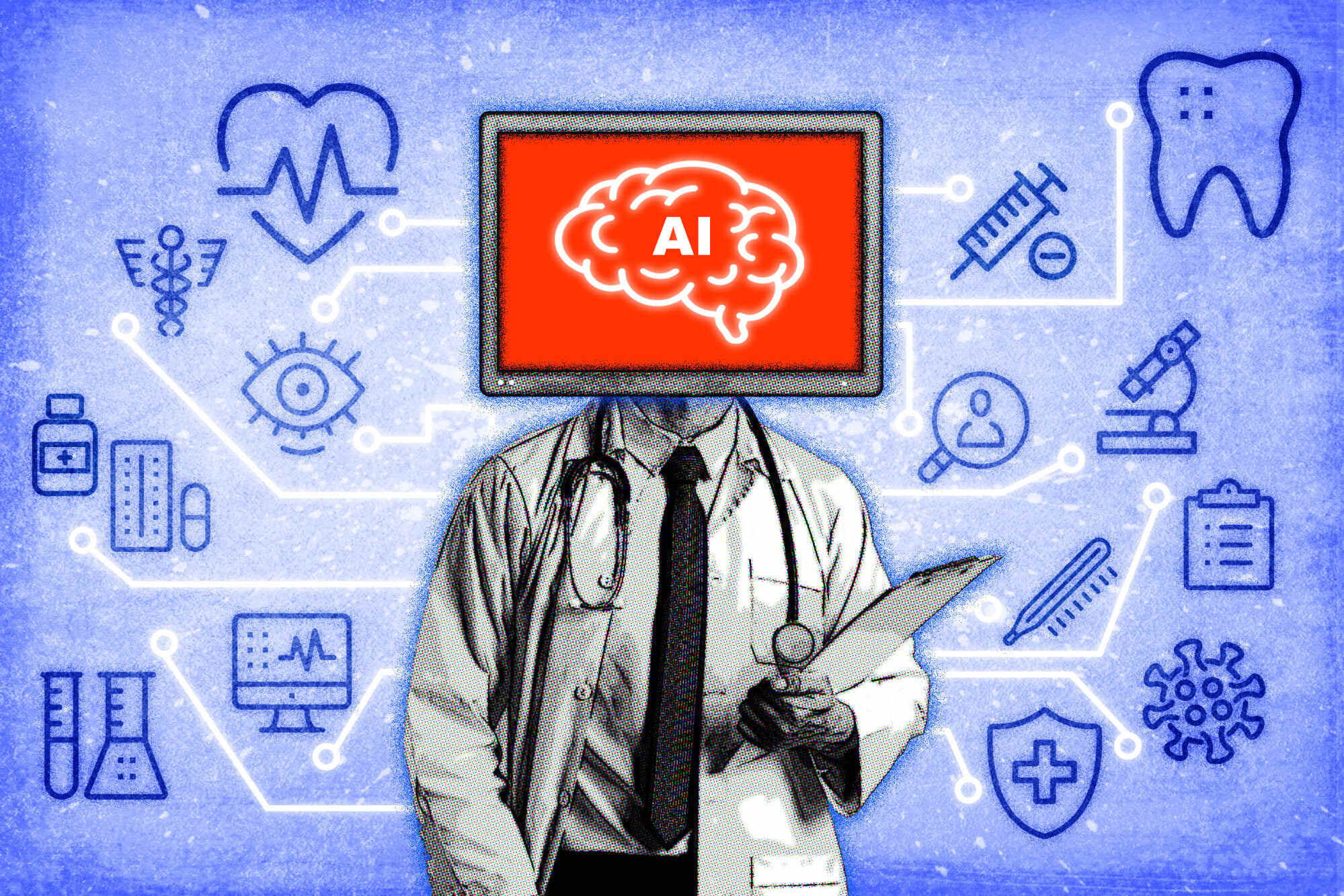
Illustration
Question prompts
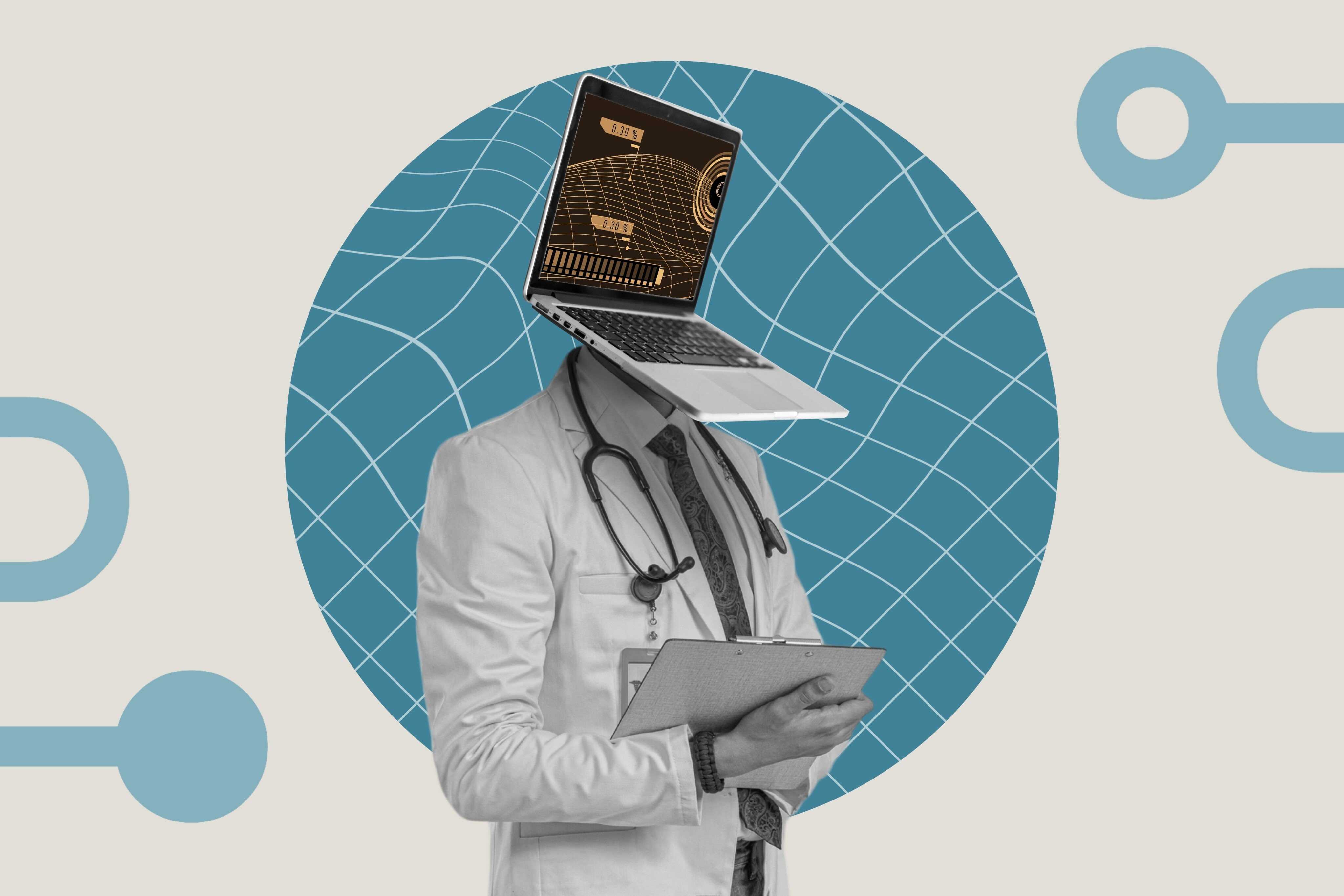
1. What is being shown in the illustration, and how does it relate to the information in News?
2. Give TWO examples of ways AI is being used in China’s healthcare system.
Issue: Experts divided on AI in China’s national healthcare
-
AI can alleviate challenges that primary healthcare institutions face, such as a lack of resources
-
Medical experts have warned of the potential risk of over-reliance on technology
China had more than 1 million primary healthcare institutions by 2025, accounting for more than half of the country’s medical consultations. But many faced challenges stemming from outdated equipment, less experienced doctors and insufficient resources.
Artificial intelligence (AI) could help them bridge this gap in medical resources, industry experts have said.
Technical consultant Hu Sanduo said AI had improved healthcare quality and efficiency at the Beijing hospital where he worked. It reduced the time doctors needed to write up medical records and clinical progress notes from around an hour to just a few minutes.
Previously, nurses manually recorded scattered fluid data of post-operative patients, including oral water intake, intravenous fluids and urine output. But the hospital’s AI system automatically retrieves and aggregates this dispersed data, significantly boosting doctors’ efficiency.
Chinese tech giants are capitalising on the national push for AI and widespread faith in the technology as they race to offer services to consumers and doctors.
Alibaba’s fintech affiliate, Ant Group, operates the world’s largest AI healthcare app, A-Fu, with more than 1 billion users. People across the country use the free app to interpret medical reports or seek advice on everyday health concerns.
Alibaba also owns the South China Morning Post.
This month, Baidu launched the first OpenClaw-like AI agent for doctors in China. Dubbed “Youyi Assistant”, the agent aggregates credible medical sources, including more than 60 million research papers, to provide doctors with immediate assistance when making a diagnosis.
Meanwhile, Huawei launched an “AI operating system” for hospitals in April. The company said it had integrated computing power, data and model resources for institutions and consolidated previously fragmented and stand-alone AI applications.
Some Chinese medical experts have cautioned about the risks of using AI, including over-reliance.
Zhang Wenhong, a well-known infectious disease specialist, said that while AI could support healthcare by improving efficiency and assisting clinical workflows, it should not be seen as a substitute for doctors’ judgment.
He warned that over-reliance on AI tools in diagnosis and treatment could introduce risks if clinicians were too eager to defer to AI assessments without subjecting them to critical review. Zhang said AI should remain a supportive tool under human supervision, with final medical decisions anchored in the expertise and accountability of experienced physicians.
Technical consultant Hu said that given the current trajectory of AI development, “hallucinations” that could lead to misdiagnosis were unlikely to be fully eliminated for a long time.
He said Zhang’s warning pointed to a more fundamental question: how should medical AI tools be designed to fit into a broader network of human collaboration? What role should they play, and how should responsibility be allocated?
Staff writers
Question prompts
1. According to Issue, what major challenges are China’s primary-level institutions facing?
2. List THREE AI medical tools launched by Chinese tech companies. Explain how they can help fuel AI integration in China’s healthcare system.
3. In your opinion, do the benefits of AI integration outweigh the risks? Explain using News, Issue, Glossary and your own knowledge.
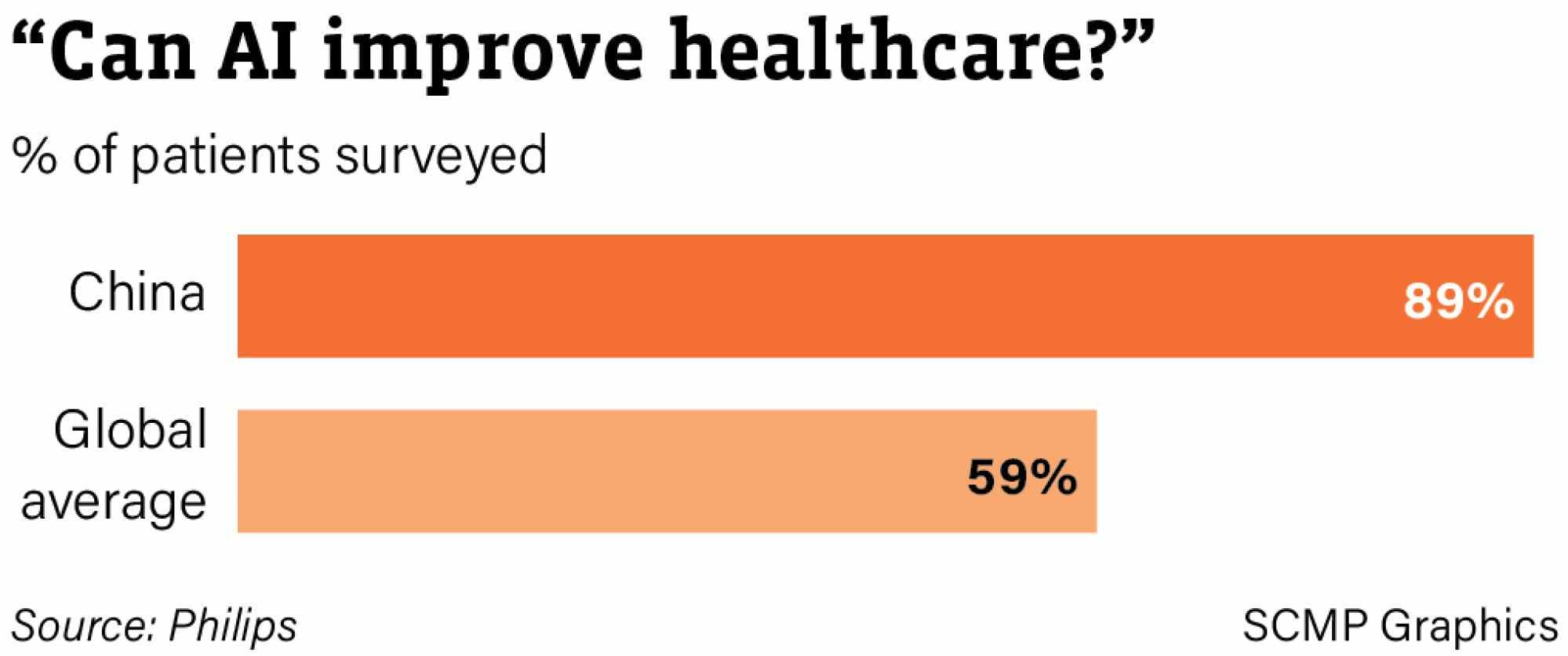
Graph
Question prompts
1. According to Graph, how do Chinese citizens view the use of AI in healthcare? How does this number compare to other countries?
2. Why might people in China support integrating AI into the country’s healthcare system? Explain using News, Issue, Glossary and your own knowledge.
Glossary
OpenClaw: an AI virtual assistant that lives on your computer and remembers previous commands and conversations. It can operate independently and communicates using a large language model.
primary-level institutions: hospitals and clinics that provide the first point of contact that patients make with their doctors. Primary care often focuses on prevention and treating mild illnesses.
three-tier system: China’s framework for classifying its hospitals and clinics. Tier 1 institutions provide general healthcare and preventive services. Tier 2 refers to regional hospitals that offer more comprehensive treatment, while Tier 3 facilities are large medical centres for complex surgeries and research.
medical data governance: a framework of laws, technical standards and internal policies that dictate how patient information is collected, stored, shared and protected
gap in medical resources: refers to the uneven distribution of healthcare quality and services in China. Because of budget constraints, the government historically focused on funding healthcare in bigger cities and more developed regions. Rural areas often suffer from shortages of qualified staff and equipment.
“hallucinations”: responses generated by AI that contain false or misleading information presented as fact
Sample answers
News
-
C
-
According to Song, AI can improve research quality by automating processes. One example is a hospital clinical trial for lung cancer patients, where the system automatically matched patients to suitable trials overnight, sending a ranked list of top options by the next morning.
-
I think AI could benefit the healthcare system in China by improving the quality of medical research and narrowing the gap between different tiers of healthcare institutions. The use of AI in hospitals can shorten the time doctors spend on medical research and organise medical data. For doctors like Li Bin, AI agents help them work more efficiently by automating tedious tasks, such as converting voice conversations and lab photos into structured records. Consequently, doctors can devote more time to surgery and direct patient care. Furthermore, the widespread use of AI can assist primary-level healthcare institutions in providing essential first-contact care, including the treatment of common illnesses, chronic disease management, and public health prevention for local communities. As a result, the adoption of AI can improve services at Tier 1 institutions in rural China. With better local care, patients would no longer need to travel long distances to city hospitals. In the long term, this would narrow the quality gap across China’s healthcare institutions. (accept all reasonable answers)
Illustration
-
The image shows a doctor with a monitor on their head displaying a brain icon labelled “AI.” This represents the integration of artificial intelligence into the healthcare sector. While some fear AI might replace doctors, current news highlights how medical professionals are actually using AI to work more efficiently.
-
First, AI is being used to develop applications that manage hospital data, such as extracting and organising information from doctor-patient conversations and lab report photos into structured medical records. Second, AI is being utilised in hospital databases, such as at Beijing Cancer Hospital, to reduce the time needed to prepare research proposals. This process, which once took weeks, now takes just one day, as doctors only need to provide key details like research priorities and sample data to generate a complete plan. (accept all reasonable answers)
Issue
-
China’s primary-level institutions are facing problems of outdated equipment, less experienced doctors and insufficient resources.
-
Alibaba’s fintech affiliate, Ant Group, has launched the AI healthcare app A-Fu, which helps people across China interpret medical reports or seek advice on everyday health concerns. Second, Baidu launched an AI agent that aggregates medical sources, including more than 60 million research papers, to provide doctors with immediate assistance when making diagnoses. Third, Huawei launched an “AI operating system” for hospitals, integrating computing power, data, and model resources for institutions and consolidating previously fragmented, stand-alone AI applications.
-
In my opinion, the benefits of AI integration outweigh the risks. The adoption of AI can improve the efficiency of medical services in China. For example, it saves doctors’ time on data entry, diagnostic processes, and medical research preparation. Furthermore, it can make medical services more accessible to a larger population, which is critical given that China is currently facing an ageing population and a shortage of doctors. Well-trained automated AI tools can support lower-tier hospitals and narrow the quality gap between institutions in different regions of the country. However, there are risks, too. For instance, if the healthcare sector relies too heavily on AI for diagnosis, there is a risk of ‘hallucinations’ within the AI agent, which could result in misdiagnosis. Another concern arises when doctors input patient records into AI-built applications; without proper safeguards, there is a higher risk of data leaks. Nevertheless, these risks can be alleviated through better regulation and technological development. (accept all reasonable answers)
Graph
-
Patients in China have shown significantly high optimism regarding the use of AI in healthcare, with 89 per cent of patients agreeing that AI can improve medical services. In contrast, only 59 per cent of patients from other countries expressed similar optimism.
-
People in China may support integrating AI into the national healthcare system because of the rise of AI-driven applications in their everyday lives. For instance, apps like Ant Afu have more than 1 billion users who utilise the platform to interpret medical reports or seek advice on daily health concerns. This makes healthcare more personalised and convenient, improving accessibility for citizens living in rural areas where medical resources are often insufficient. Additionally, AI integration has been heavily promoted by the Chinese government in the 15th Five-Year Plan. Residents likely support these initiatives because they are backed by a clear legal framework and the endorsement of numerous medical experts. (accept all reasonable answers)