Read the following text and answer the quiz below.
[1] The word curry – derived from the Tamil kari – is usually associated with South Asia. But the food is not restricted to one region. In the early 16th century, Portuguese trade introduced chilli peppers from the Americas to Europe and Asia. Curry soon became an umbrella term for any spicy-hot stew.
[2] As European explorers and colonisers travelled across the world, so did curry. It grew and evolved from Thailand’s khao kaeng and Indonesia’s gulai to the Japanese katsukare or katsu curry. Even the German currywurst sausage is related. It should come as no surprise, then, that Hong Kong would develop its own spiced gravy version.
[3] British colonial rule brought Indian soldiers to the city starting from the mid-19th century. The earliest curries served in Hong Kong are said to date back to the 1920s. It is believed that the former Royal Hong Kong Police Force’s in-house Indian chefs, who fed mixed groups of European, Indian and Chinese officers in police canteens, helped popularise curry among everyday Hongkongers in the mid-20th century.
[4] Kwong Fat Spices, now in its third generation, is one of the better-known spice vendors in the city. It has a reputation for dealing wholesale with local restaurants. Kwong Fat Spices only opened a bricks-and-mortar storefront in the 1950s in Sheung Wan, but reportedly its founder had been selling spices since the 1920s. In the late 1990s, the second-generation owner moved the shop across Victoria Harbour to Jordan. The vendor soon began making its own curry paste that leaned more towards a Malaysian style – adding coconut milk to adapt to the local palate.
[5] Unlike many Indian dishes that pack a lot of heat, modern Hong Kong curries are mild and slightly sweet. They sometimes contain less aniseed and stronger spices. Lemongrass is a key ingredient. From as early as the 1950s, Hong Kong’s cooked food hawkers have sold curried fishballs, a combination of Indian-inspired flavours and Southern Chinese ingredients, which has become synonymous with the city’s street food culture.
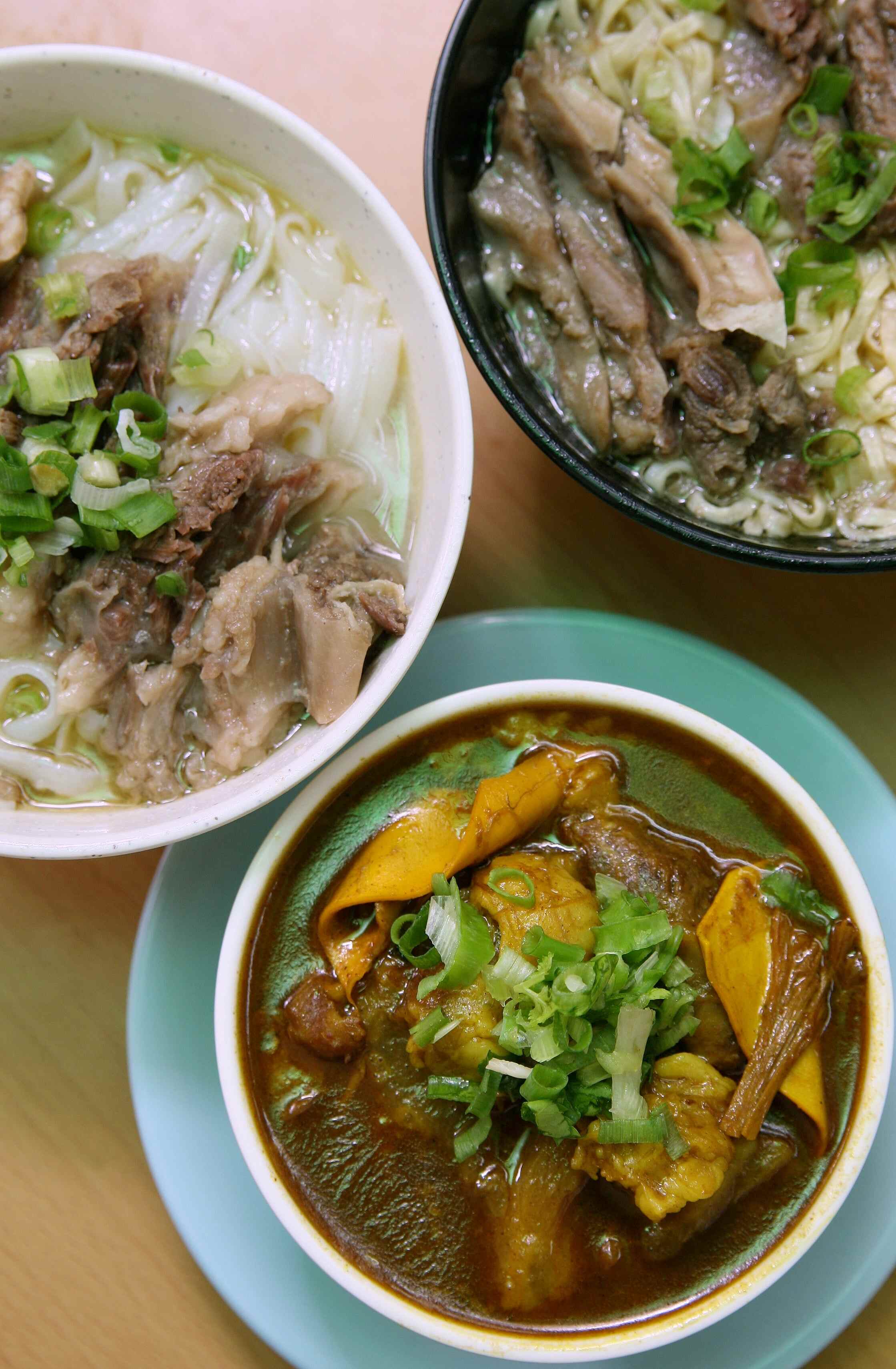
[6] Another Hong Kong creation is curried beef brisket. One of the first local recipes for curried beef brisket appeared in print in 1960 in the now-defunct Overseas Chinese Daily News. Today, the dish is a staple in many local restaurants, including chains such as Cafe de Coral, Fairwood, Maxim’s MX and Tai Hing.
[7] Kau Kee opened in the 1930s. It became known for its curried beef brisket and tendon noodles. Although there is always a queue of both locals and tourists outside the small space in Central, it is worth the wait. The curry is spicy, fragrant and representative of the local style. While many authentic South Asian establishments have opened in Hong Kong, local kitchens continue to interpret the Indian-inspired stew in their own ways.
Source: South China Morning Post, August 28
Content provided by British Council