Content provided by British Council
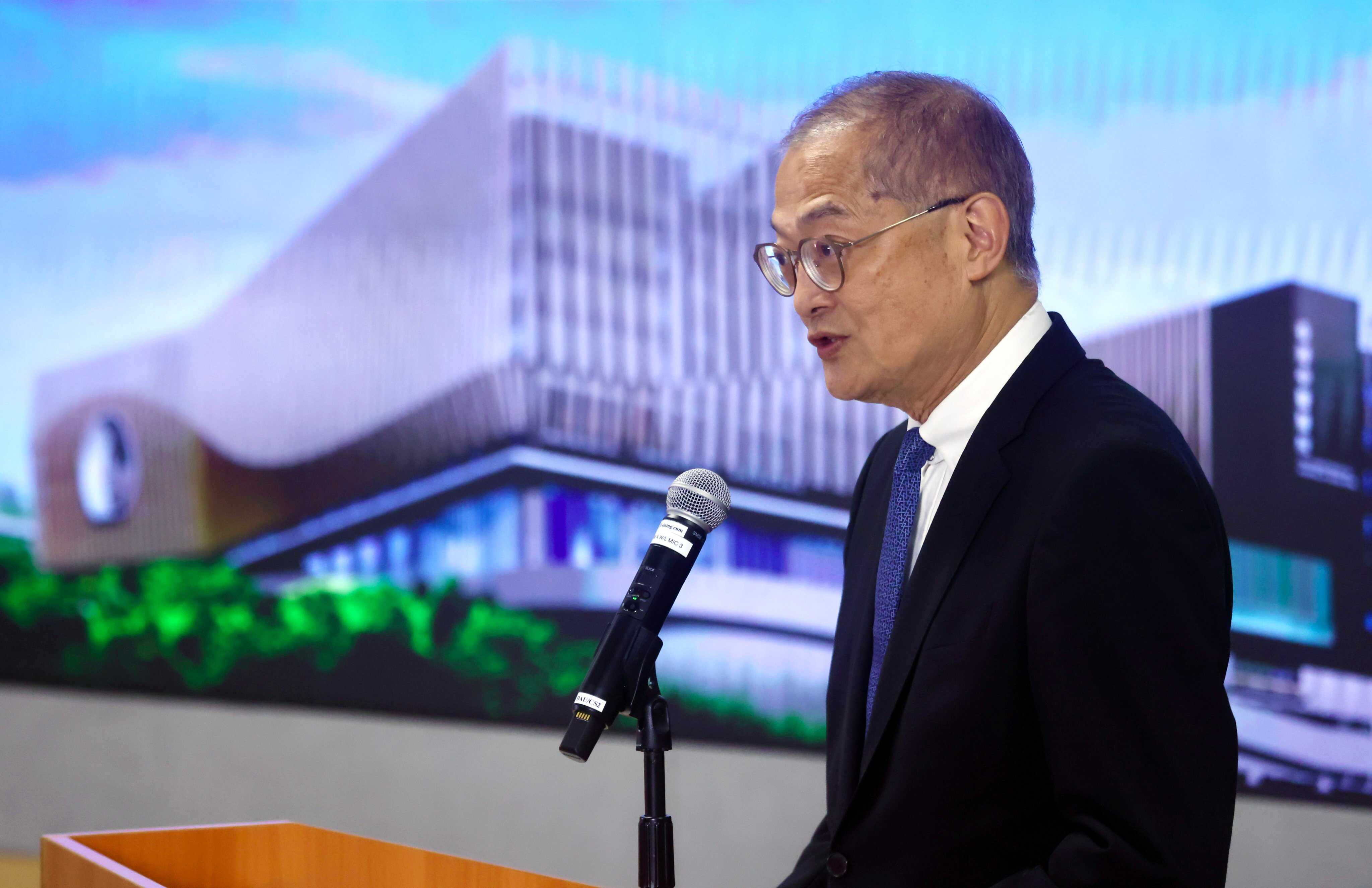
[1] Hong Kong’s first traditional Chinese medicine hospital will start operating in December. Secretary for Health Lo Chung-mau said he expected the Chinese Medicine Hospital of Hong Kong to play a central role in the industry’s development regionally, nationally and globally.
[2] Last month, the hospital signed collaborative agreements with the University of Hong Kong, the Chinese University of Hong Kong (CUHK) and Baptist University. The hospital in Tseung Kwan O will start operating on December 11. At first, it will mostly offer outpatient consultation and day care services. Inpatient services are expected to be available later.
[3] Its chief executive, Professor Bian Zhaoxiang, said he expected the hospital to help ease the pressure on the city’s strained public medical system. “Chinese medicine is good at addressing pains, strokes and tumours,” he said. “These diseases have placed a heavy burden on the public medical system, and we hope to ease such pressure with the service of the Chinese medicine hospital.”
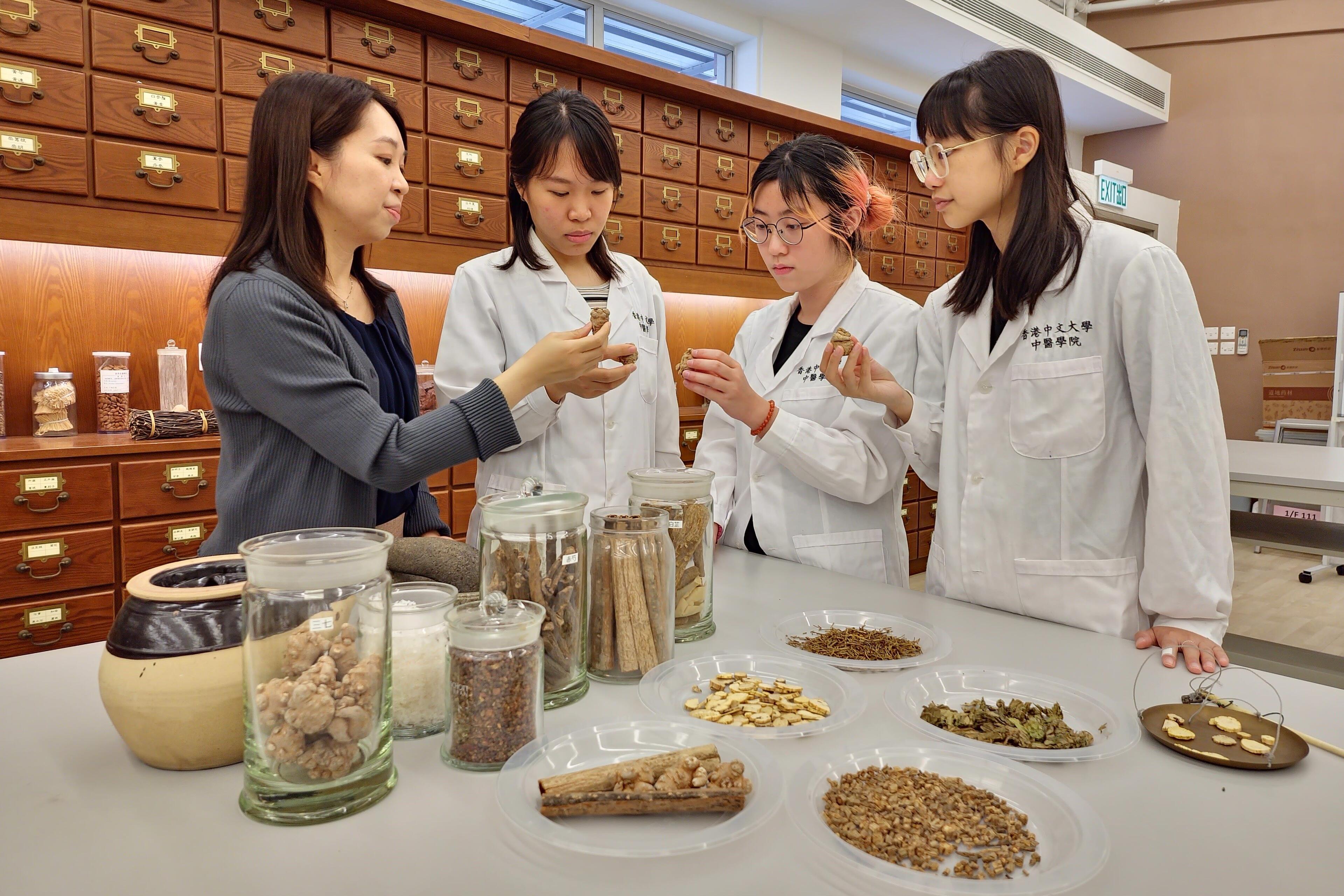
[4] Under the agreements, the new hospital will be the teaching facility for the universities’ Chinese medicine schools. The schools will send experts to support clinical services at the hospital and conduct research there. Professor Lin Zhixiu, director of CUHK’s school of Chinese medicine, said research conducted there would focus on chronic diseases, especially those stemming from urban lifestyles such as allergic rhinitis, gout, gastritis and insomnia. “[We hope to] contribute to the modernisation and internationalisation of Chinese medicine,” he said.
[5] The hospital will provide internship and practicum opportunities for Chinese medicine students from the three universities. Professor Li Min, dean of Baptist University’s Chinese medicine school, said the hospital would give students a good platform for clinical studies and practices, given its large number and complexity of cases. “This will not only enhance our students’ ability in clinical diagnosis but will make sure our teaching materials are up to date,” she said.
[6] Currently, students at the three Chinese medicine schools need to finish year-long internships in mainland China before graduating. Li said that despite the opportunities at the Hong Kong hospital, given that it would be in the initial stage of operation, students would still need to go across the border for internships.
[7] Funded and built by the government, the hospital will be run by Baptist University. The government will subsidise around 50 to 65 per cent of the total volume of services. Add-on services priced at “market-oriented” rates would also be available, the government said.
[8] The hospital has 70 consultation rooms, 45 therapy rooms and 400 beds. It will provide a wide range of services, including internal medicine, surgery, gynaecology and paediatrics. Treatments will be classified into pure traditional Chinese medicine, traditional Chinese medicine dominant and Chinese-Western medicine collaborative ones.
Source: South China Morning Post, September 10