Content provided by British Council
Read the following text and answer the quiz below.
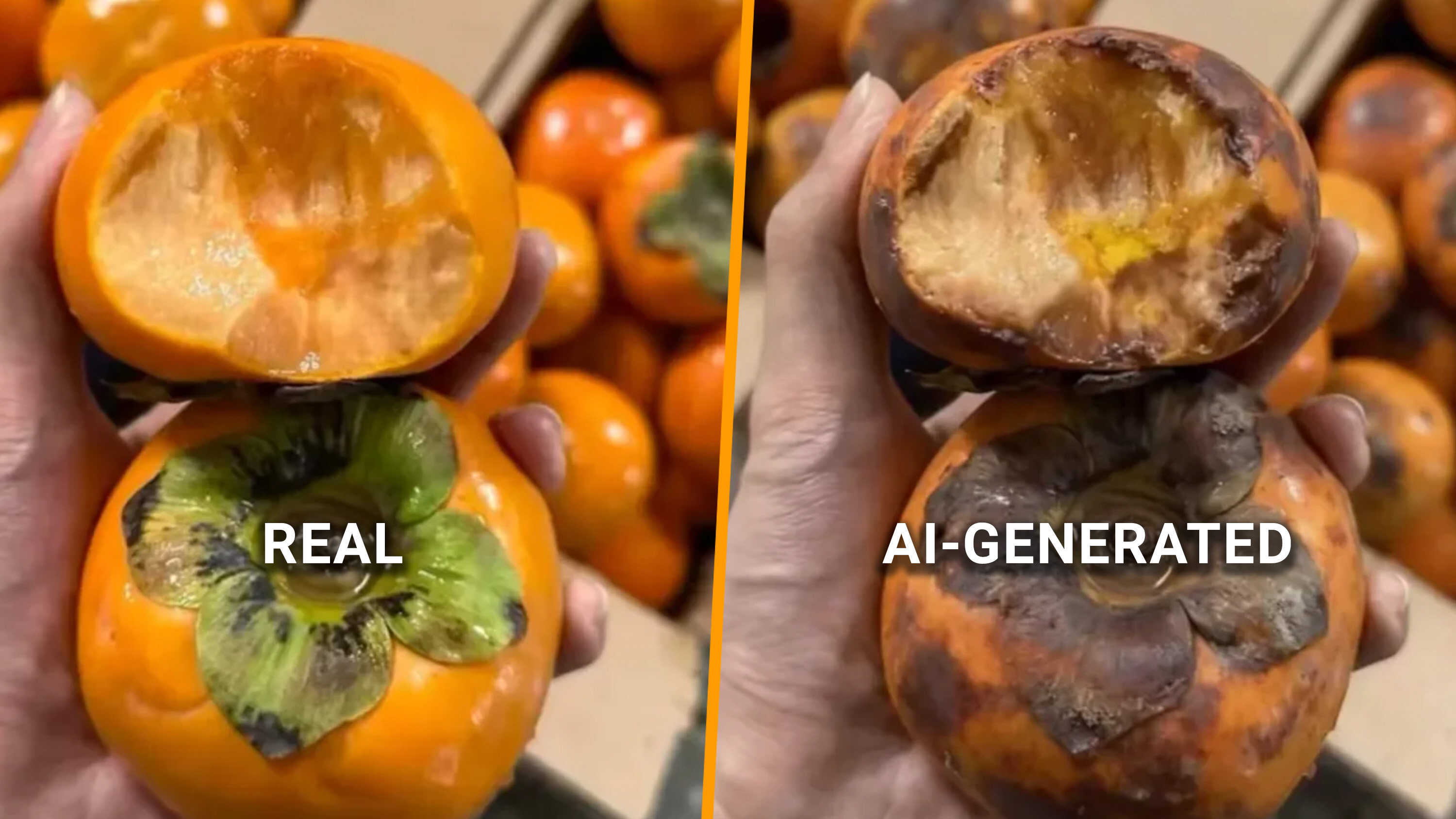
[1] Fake photos generated by artificial intelligence (AI) are being misused to claim refunds from Chinese online shops, sparking moral and legal concerns. After China’s Double 11 shopping festival, which took place around November 11, several e-commerce shop owners reported receiving AI-generated photos of damaged products from consumers attempting to seek refunds.
[2] Some people took photographs of fruit they received, then asked AI to make it look mouldy. An electric toothbrush seller said a buyer sent a photograph showing a rusty toothbrush and demanded a refund. “They come to me with problems that go against common sense,” he said.
[3] A member of staff at a clothing shop said a customer asked for a full refund, saying the one-piece dress they received had seriously lost threads on the collar and sent them an AI-generated photograph. The shop said it noticed suspect lighting at the collar when compared with the rest of the dress. There were also obvious signs of AI generation at the edges of the garment.
[4] In another case, a ceramic mug seller said he received a full refund request, with the buyer sending a photograph showing the mug with spidery cracks. The seller found it strange because his products were all packed safely. He asked the buyer to send a video. The buyer then withdrew the refund request. The seller also used an AI detector to check the photograph, which estimated the probability that it was artificially generated at 92 per cent.
[5] Many online shops in China have been bothered by “sheep shearers”, people who take advantage of other people to benefit themselves. These so-called sheep shearers usually find fault with cheap products they buy online, then ask for full refunds without returning the items. Some sellers said that e-commerce platforms’ policies usually lean towards buyers and will grant refund requests even when they are unreasonable.
[6] However, some sellers also use AI to beautify their products. One told the mainland media outlet Jiemian News: “Some shops use AI to generate fake models, backgrounds and even products.” In the face of the rising AI cheating trend, e-commerce platforms cancelled the “refund only” option in April.
[7] Taobao and Tmall Group, owned by Alibaba Group, which is also the owner of the South China Morning Post, have established a system that rates buyers’ credit according to their purchases, refund records and sellers’ feedback on them. China also began enforcing new AI content identification rules on September 1. The rules require that all AI-generated content be clearly labelled in a way that is easy to understand.
[8] Some platforms have tried using AI detectors to identify unlabelled AI-generated content, but their accuracy cannot be guaranteed. “The platforms need more investment to develop accurate detection systems and need to keep the systems up-to-date with new product photos, which is a big challenge,” an expert told Jiemian News.
Source: South China Morning Post, November 29